
If you have a Maryland bridge, you’re probably aware that implant-supported bridges are prone to falling out. This is because they are much smaller than natural implants and not as firmly anchored into the jawbone. While this makes them a great solution for some people, they aren’t necessarily easy to care for as an on-going solution. A Maryland bridge fall out may be due to weak bonding, bite pressure, decay, poor fit or tooth preparation. The good news is that there are solutions to keep your Maryland bridge dental implant in place and reduce the risk of another one falling out.
If you have recently gotten a new set of Maryland bridge implants, it’s probably because your dentist in Mumbai warned you that your old implants were at risk of falling out again. It can be frustrating when we know from the start that something isn’t going to last very long before failing again – but this is why dentists take their time making these decisions! However, there are tricks and tips you can use to make sure your new implant won’t fall out again anytime soon.
What is a Maryland bridge?
A Maryland bridge is a conservative type of dental bridge often used to replace a missing front tooth. It usually has a false tooth attached to small wings that are bonded to the back of neighbouring teeth. It is different from a dental implant because it does not replace the tooth root.
Why does a Maryland bridge fall out?
A Maryland bridge may fall out because of weak bonding, heavy bite pressure, poor moisture control during bonding, decay on the supporting tooth, poor fit, insufficient enamel support, grinding habits, or biting hard foods. Sometimes the bridge comes out because the case was not ideal for a resin-bonded bridge.
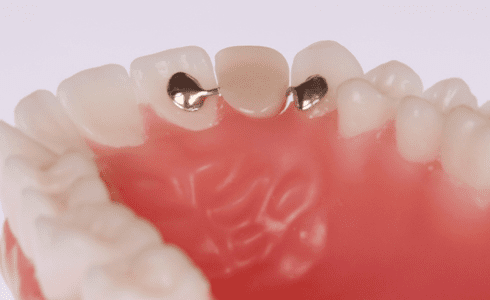
Can a Maryland bridge be re-cemented?
Sometimes yes. If the bridge, supporting teeth, and bonding surfaces are healthy, the dentist may clean the area and rebond the bridge. If there is decay, fracture, repeated debonding, or poor support, a different treatment may be better.
When is a Maryland bridge not suitable?
A Maryland bridge may not be suitable when the bite is heavy, the gap is large, neighbouring teeth are weak, there is less enamel for bonding, the patient grinds teeth, or the bridge has fallen out repeatedly. In such cases, a conventional bridge, dental implant, orthodontic space closure, or removable option may be discussed.
What should you do if your Maryland bridge falls out?
Do not use household glue or try to fix it yourself. Keep the bridge safely, avoid biting from that area, and visit your dentist. The dentist will check the bridge, supporting teeth, bite, decay, and whether rebonding is safe.
Try a different bridge type than Maryland
If your Maryland bridge keeps falling out, the first thing to do is talk to your dentist about trying a different bridge. While all bridges have the same issues with falling out, some types of bridges are easier to keep in place.
For example, hybrid bridges are built with more of a stem on them, making them more secure. Hybrid bridges are built with a stem that extends into the bone of your jaw, which is what makes them more secure.
A Maryland bridge sits in the gap between your two natural teeth, which only has very small anchors for it. This is why these are so prone to falling out. If your dentist recommends a different bridge type, you’ll need to have an impression made of your mouth to get the correct shape for it. This is because the bridge will need to fit snugly into the space between your two natural teeth.
Change you Oral hygiene regime
It’s important to keep good oral hygiene habits like brushing, flossing and using mouthwash for all of your teeth. However, it may also be worth adjusting your brushing habits for the two teeth where you have your implants. When brushing your natural teeth, try to focus on the top part of your teeth. This is where plaque and bacteria build up the most and brushing in this area is crucial for good oral health.
However, implants are on the lower part of your mouth, below the gumline. This area isn’t as easy to clean and brushing there won’t be as effective at removing bacteria. Brushing below your gumline isn’t very effective at removing bacteria or plaque. This is because the bristles of your toothbrush can’t reach this far. Instead, try switching your brushing habits so that you only brush the top part of your teeth. This way, you’ll be able to clean both your natural teeth and the implants below your gumline.
Speak to dentist about Maryland bridge dental implant
According to a research published in the Australian Dental Journal, resin-bonded bridges like Maryland bridges can last 12 to 21 years in the front teeth with a 95.1% probability of success. While it can be very successful, the Maryland bridge is not perfect. Maryland bridges typically cost $1,500 – $2,500 for one pontic with the framework, or wings, attached to the abutment teeth. An implant-supported Maryland bridge could cost $5,000 – $15,000 for a bridge with two dental implants spanning three or four teeth.
Ask about Implant Retainers!
If your dentist still isn’t confident that they will be able to keep your bridge in with a different bridge type and/or shaving your teeth, they may want to suggest an implant retainer. An implant retainer is an additional piece of hardware that sits on top of your implants. This is generally a more permanent solution, but it’s great if your dentist is confident that it will keep your bridge in place.
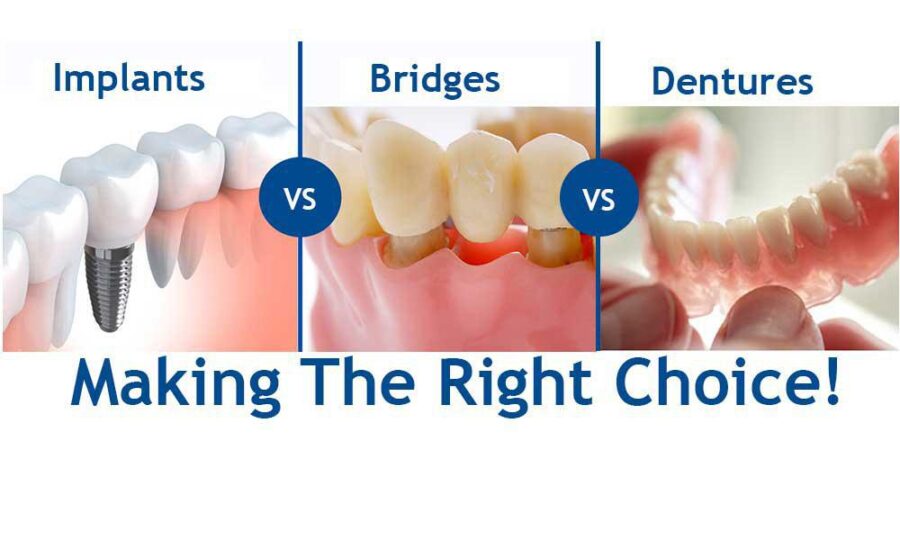
When your dentist recommends an implant retainer, they will take an impression of your mouth to get the correct shape. After that, they’ll send the retainer to a lab where they will create the retainer out of metal or plastic. The retainer will be put on the two implants and will help keep them in place.
Be Aware of other Dental Implant Solutions
If your dentist wants to remove your implants, you don’t have to lose the teeth where your implant was located. Your dentist can simply go in and remove the implant, leaving the teeth in place. After the implant is removed, your dentist can place a new bridge on those two teeth. This is a great way to solve any problems with your current bridge without removing it.
Another solution that your dentist may suggest if they want to remove your bridge is a partial denture. A partial denture is a set of false teeth that are anchored to the jawbone with dental implants. This is a great option if your dentist is confident that they can place the two implants in your jaw where your implants were located.
Bottom Line
Implant-supported bridges are a great solution for people who are missing teeth and want dental implants. However, it’s important to be aware that these solutions are more likely to fall out than other types of bridges. This is because they don’t have as many anchors in your jawbone as more conventional bridges do. There are various solutions that your dentist can use to help keep your implant-supported bridge in place. If your bridge keeps falling out, it’s important to talk to your dentist about other solutions that may be more secure.
Suggested Article –
Pros and Cons of Full Mouth Dental Implants
Difference between Crowns and Dental Implants?
Who is the Best Dental Implant specialist in Delhi?
FAQs
Is a Maryland bridge the same as a dental implant?
No. A Maryland bridge is bonded to neighbouring teeth. A dental implant is placed in bone to replace a missing tooth root.
Why did my Maryland bridge fall out?
It may fall out due to weak bonding, heavy bite, poor fit, decay, less enamel support, grinding, or biting hard food.
Can a Maryland bridge be fixed again?
Yes, if the bridge and support teeth are healthy. If it has fallen repeatedly, another option may be better.
Can I glue my Maryland bridge at home?
No. Household glue can damage teeth and gums. Keep the bridge safely and visit a dentist.
Is a dental implant better than a Maryland bridge?
An implant may be more stable in suitable patients, but it involves surgery, bone support, healing time, and higher cost. A Maryland bridge may be more conservative in selected front tooth cases.
What are alternatives if a Maryland bridge keeps falling out?
Alternatives may include a new Maryland bridge, conventional bridge, dental implant, SAPTeeth bridge, removable temporary tooth, or orthodontic space closure.