
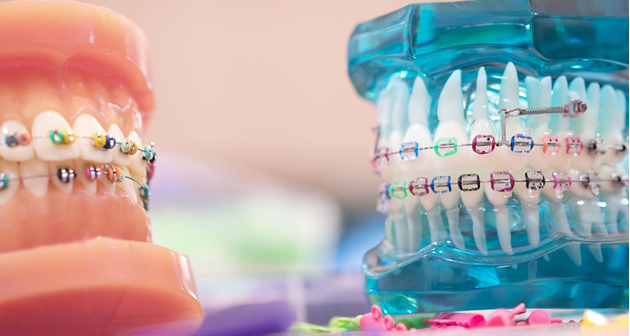
Orthodontics is the branch of dentistry that focuses on straightening teeth and correcting bite problems. Traditionally, when people think about orthodontics, they imagine metal braces with wires and brackets on teeth. But technology is changing the game now there’s something called wireless orthodontics, which is making tooth straightening easier, faster, and less noticeable. We’ll explain what wireless orthodontics means, how it works, who can get it, and why it might be the right choice for you or your family.
Braces and Wires! Now get advanced technology
Wireless orthodontics refers to methods and devices used to straighten teeth without the traditional metal wires that run through braces. Instead of relying on wires, these treatments use modern materials, technology, and designs to gently move teeth into their correct positions. In simple terms, wireless orthodontics is a way to get the benefits of braces without the visible wires and sometimes without brackets at all.
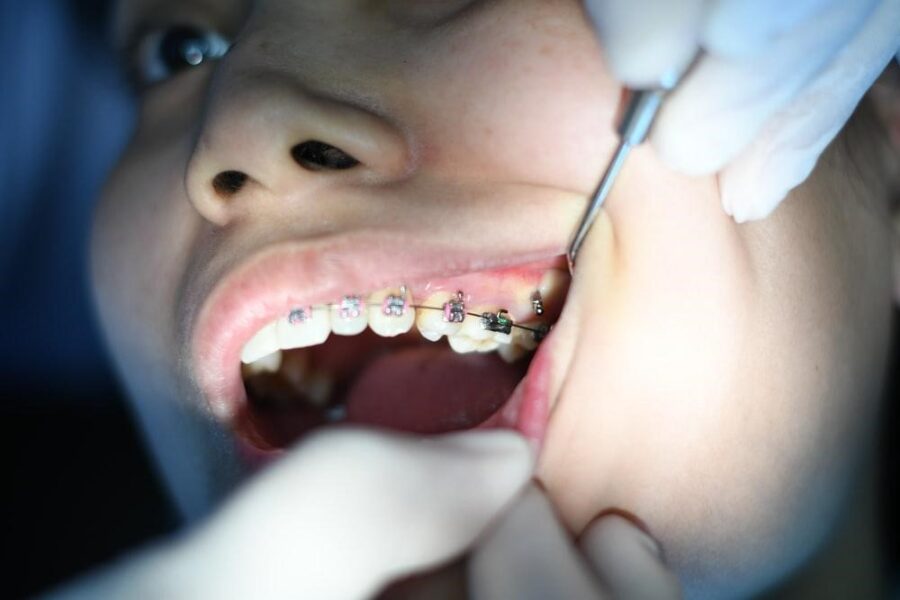
How Does Wireless Orthodontics Work?
While traditional braces use metal brackets glued to teeth connected by wires and rubber bands, wireless orthodontics uses alternative systems, such as:
1. Clear Aligners
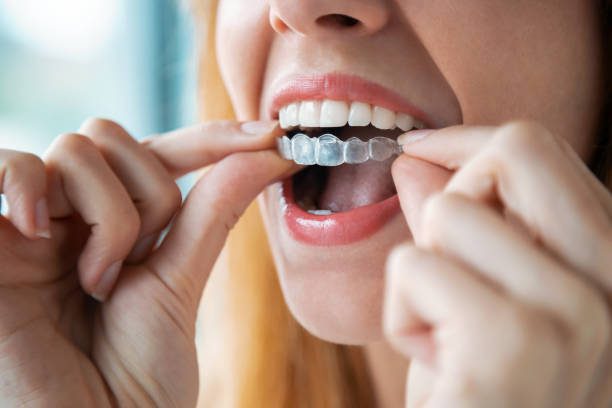
The most common wireless orthodontic treatment is clear aligners. These are thin, transparent plastic trays that fit snugly over your teeth.
- You get a series of these trays.
- Each tray is designed to move your teeth a little bit at a time.
- You wear each set for about 1-2 weeks before switching to the next one.
- Gradually, your teeth shift into place.
Because they don’t have wires or brackets, clear aligners are considered wireless orthodontics.
2. Self-Ligating Braces
Though these braces still have brackets on your teeth, they don’t require traditional elastic or metal ties around the brackets to hold the wire. Instead, they use special clips built into the brackets to hold the wire. This reduces friction and sometimes allows for lighter, more comfortable forces. Some self-ligating braces can also be designed with minimal or no wires during some parts of treatment, which can be called a type of wireless orthodontics.
3. Other Innovative Systems
Orthodontics continues to evolve. Some devices use springs, magnets, or 3D-printed appliances customized for your mouth. Many of these do not need metal wires, making treatment more comfortable.

Benefits of Wireless Orthodontics
1. Better Appearance: Because they don’t use visible metal wires and brackets, wireless options like clear aligners are nearly invisible. This is great for adults and teens who want a discreet way to straighten teeth.
2. Comfort: Traditional wires can poke and irritate the inside of your mouth. Wireless treatments reduce this discomfort because they don’t have wires rubbing against your cheeks or gums.
3. Removable: Clear aligners are removable. You can take them out when eating, drinking, brushing, and flossing. This makes oral hygiene easier and helps you avoid food getting stuck around braces.
4. Fewer Office Visits: Many wireless orthodontic treatments require fewer trips to the orthodontist because there are no wires to adjust regularly.
5. Predictable Results: Using advanced 3D scans and computer simulations, wireless orthodontics like clear aligners allow your orthodontist to plan exactly how your teeth will move and what your smile will look like at the end.
Who Can Get Wireless Orthodontics?
Wireless orthodontics isn’t just for adults or mild cases anymore. Advances have made it possible for many types of tooth and jaw problems to be treated wirelessly.
Good Candidates Include:
- People with mild to moderate crowding or spacing of teeth.
- Those with overbites, underbites, or crossbites.
- Patients who want to avoid metal braces for cosmetic reasons.
- People who are motivated to wear removable appliances as prescribed.
However, very complex cases involving severe jaw misalignment or tooth movement might still require traditional braces or surgery.
What Does the Wireless Orthodontic Treatment Process Look Like?
Step 1: Consultation and Exam
You visit an orthodontist who examines your teeth, bite, and jaw. They may take X-rays, photos, and 3D scans.
Step 2: Treatment Plan
Using computer software, the orthodontist creates a virtual plan showing how your teeth will move from start to finish. You can often see a preview of your new smile.
Step 3: Getting Your Appliances
If using clear aligners, a set of custom trays is made based on the plan. You receive these trays in stages to wear in order.
Step 4: Wearing Your Aligners
You wear each tray for 1-2 weeks, for about 20-22 hours per day. You only remove them to eat, drink anything besides water, brush, and floss.
Step 5: Progress Check ups
You visit your orthodontist every 6-8 weeks to check progress and get the next sets of aligners or adjustments.
Step 6: Completion and Retainers
After treatment, you wear retainers to keep your teeth in their new positions.
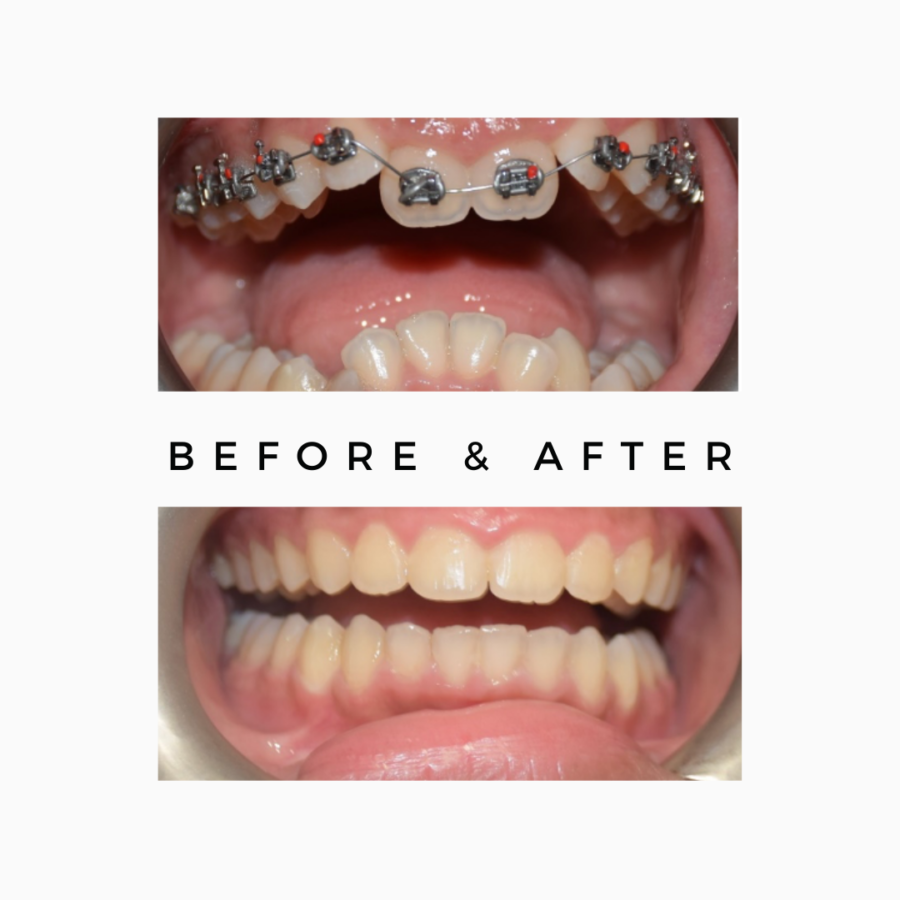
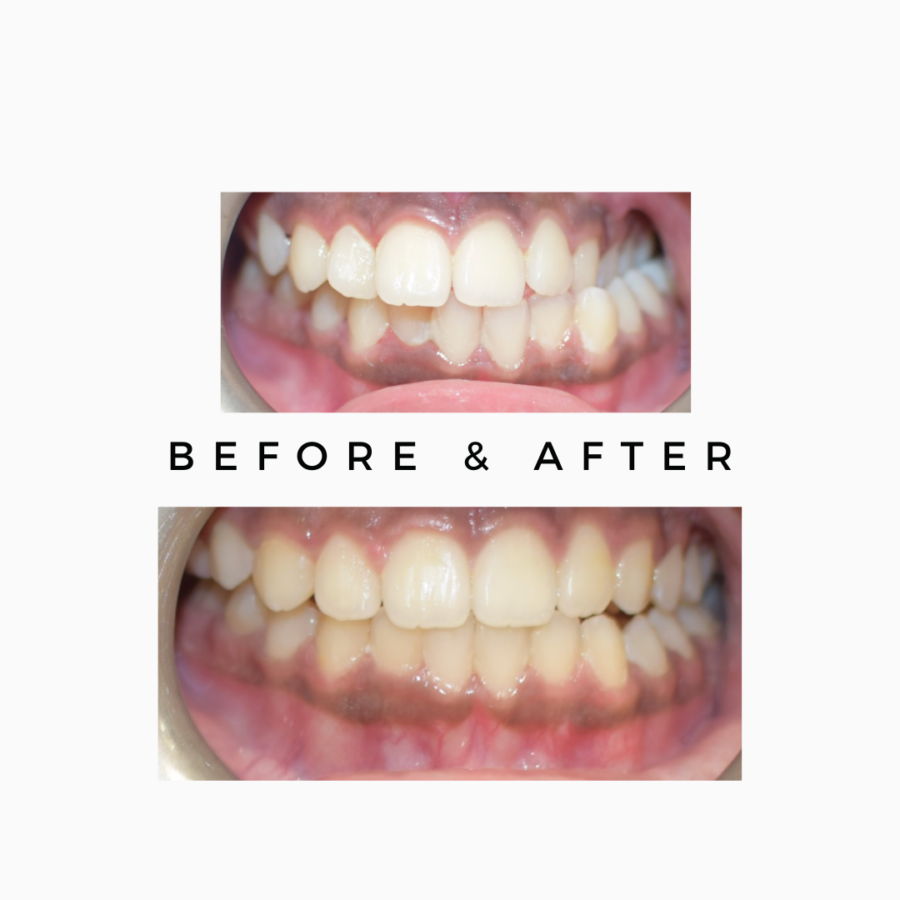
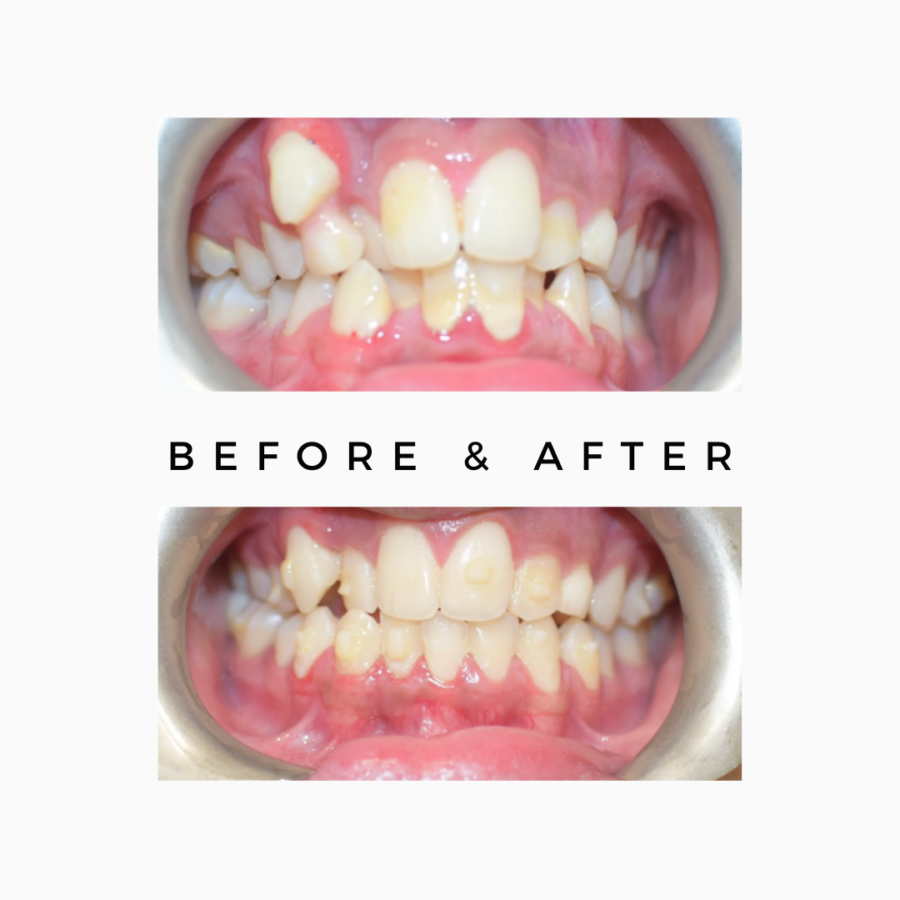
Wireless Orthodontics Vs Traditional Braces: Which Is Better?
| Feature | Wireless Orthodontics (Clear Aligners) | Traditional Braces |
| Appearance | Nearly invisible | Visible metal wires and brackets |
| Comfort | Generally more comfortable, no wires to poke | Can cause irritation from wires |
| Removability | Removable for eating and cleaning | Fixed, cannot be removed |
| Suitable for complex cases | Limited, but improving | Suitable for most cases, including complex ones |
| Maintenance | Requires discipline to wear aligners properly | Less patient control needed |
| Cost | Often slightly higher | Usually more affordable |
Are There Any Drawbacks?
While wireless orthodontics has many benefits, there are some things to consider:
- Discipline is Key: Because appliances like clear aligners are removable, patients must wear them consistently. If not worn enough, treatment may be slower or ineffective.
- Not for All Cases: Severe bite or jaw problems may still require traditional braces or surgery.
- Cost: Wireless options, especially clear aligners, can sometimes be more expensive.
- Lost Appliances: Because aligners are removable, they can be lost if not carefully managed.
Taking Care of Wireless Orthodontic Appliances
- Always clean your aligners daily.
- Avoid eating or drinking anything but water while wearing aligners.
- Keep your trays in a case when not in use.
- Brush and floss your teeth regularly.
- Attend all scheduled orthodontic check-ups.
Future of Wireless Orthodontics
Technology in orthodontics is advancing fast. New materials, 3D printing, AI-driven treatment planning, and even wireless “smart” braces are on the horizon. Wireless orthodontics will likely become more affordable, faster, and able to treat a wider range of problems. Wireless orthodontics is changing how people straighten their teeth. With options like clear aligners and self-ligating braces, you can enjoy a more comfortable, discreet, and convenient experience than ever before. If you want to improve your smile without the hassle of metal wires and brackets, wireless orthodontics might be the perfect solution. Talk to your orthodontist today to see if you are a good candidate and explore the latest options. Your dream smile is closer than you think and wireless orthodontics is helping make it happen.