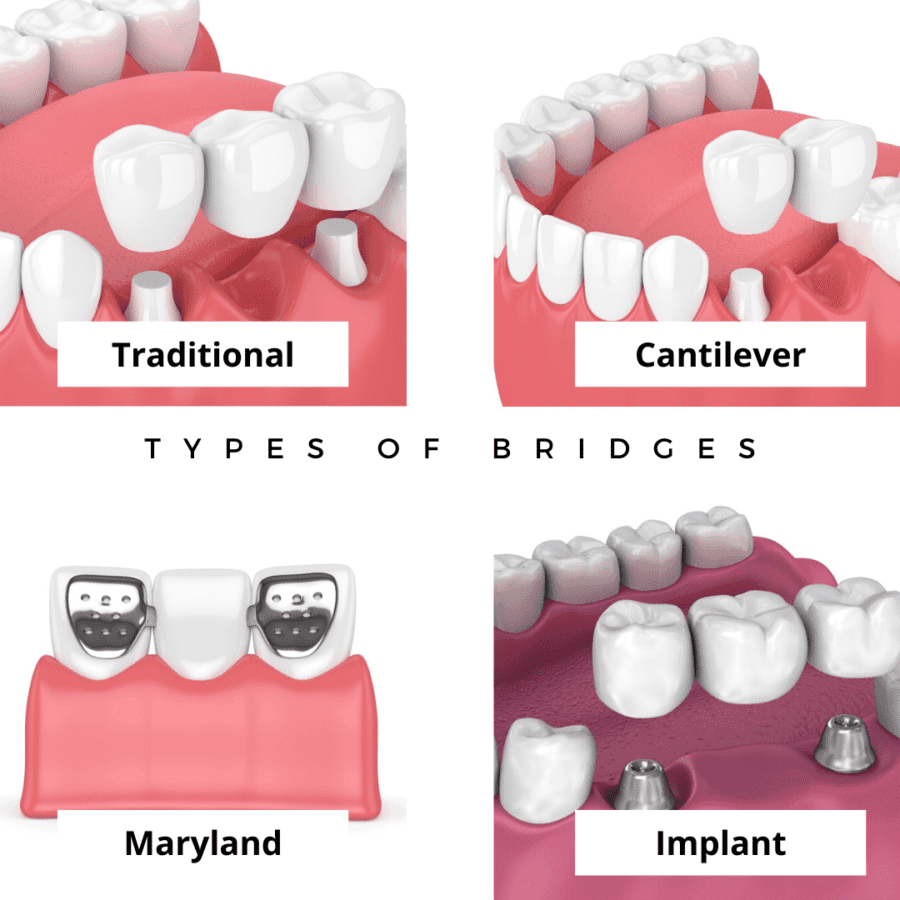
Dental bridges are fixed dental prosthetics that can be used to replace one or more missing teeth. These artificial replacement teeth are supported by natural teeth on either side of the gap. A dental bridge is anchored to these teeth, so they need to be healthy and strong enough to withstand the pressure placed upon them. The successful lifespan of a dental bridge will depend on how well itโs cared for. Certain factors may shorten its lifespan, such as eating sticky or acidic foods, grinding your teeth restlessly, drinking excessive amounts of alcohol, or smoking, which all put additional strain on the structure of the bridge. A dental bridge commonly lasts for several years and may remain functional for more than a decade when it is well designed and properly maintained. Its longevity depends mainly on the health of the supporting teeth, daily cleaning beneath the bridge and control of excessive bite forces.
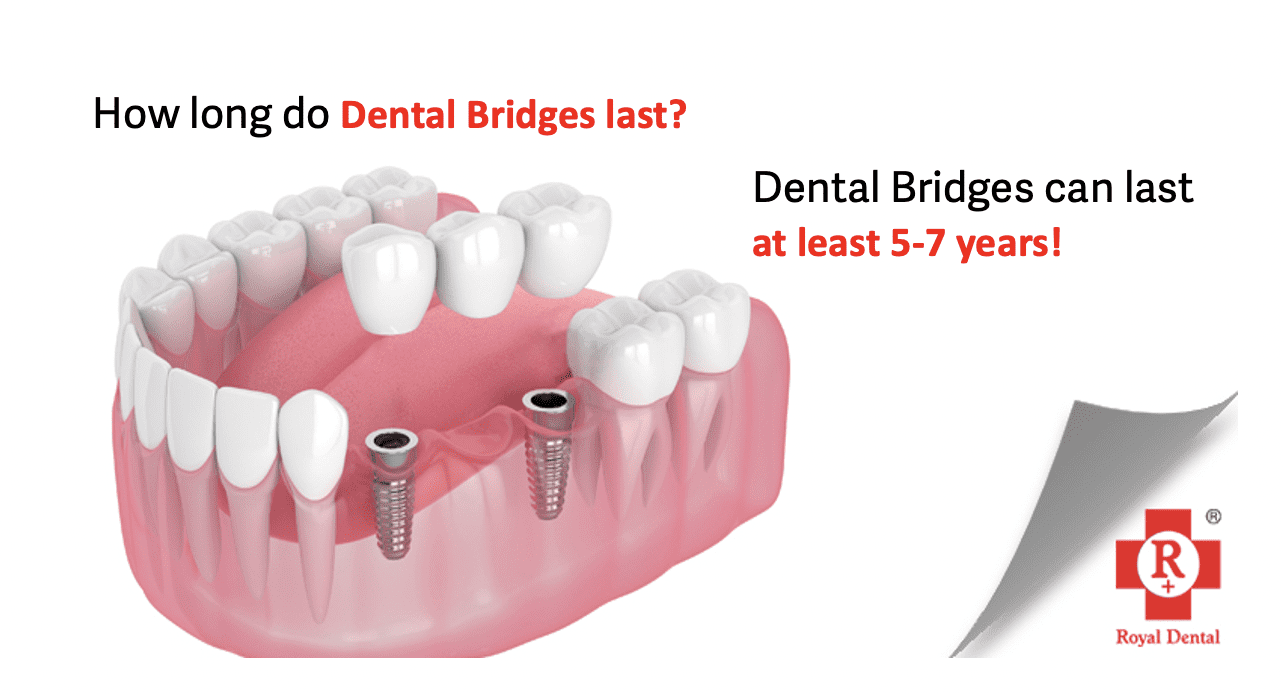
Dental bridges can last at least five to seven years. With good oral hygiene and regular professional cleanings, the bridge may last more than 10 years. SAPTeeth can last upto 9+ years.
What long does dental bridge last?
A well-made dental bridge commonly lasts betweenย 5 and 15 years, although some bridges remain functional for longer. Its lifespan depends on the health of the supporting teeth, quality of fit, bite forces, oral hygiene and regular professional maintenance. A bridge is called a fixed restoration because the patient cannot remove it. However, โfixedโ does not mean that it will necessarily last for life.

A dental bridge is supported by two natural teeth on either side of the gap and anchored to these teeth. If you have good oral hygiene habits and visit your dentist regularly, your natural teeth may last longer than the dental bridge. In some cases, it might be possible to replace the dental bridge with a dental implant. This will provide you with a stronger, more durable tooth replacement option.
Dental bridge repair and replacement
Itโs not uncommon for a dental bridge to break or become damaged over time. If a dental bridge breaks, itโs not necessary to replace the entire structure. Your dentist may be able to fix the broken piece with a dental bridge repair. This involves removing the broken piece and replacing it with a small amount of tooth-colored filling material. If the entire dental bridge needs to be replaced, your dentist will most likely create a new bridge, which youโll need to wear for a few months as your natural teeth adjust to the bridge.
Itโs important to note that if you have a dental bridge, you may find it more difficult to maintain good oral hygiene. Brushing and flossing around a dental bridge can be challenging, which can result in the build-up of bacteria, plaque, and food debris. This can increase the risk of developing gum disease and other oral health complications.
Dental Bridge care and maintenance
A dental bridge requires special care, particularly when it comes to proper brushing and flossing. Ideally, youโll want to brush twice a day with a toothbrush and fluoride-free toothpaste to remove plaque and bacteria from your teeth and gums. Youโll also want to floss at least once a day to clean around the bridge. You may find it helpful to use an interdental cleaner to clean around the area where the dental bridge is anchored.
When cleaning around a dental bridge, itโs important to avoid pressing too hard with your toothbrush. Itโs also important to avoid using a hard-bristled toothbrush, which can cause damage to the surrounding teeth and gums. When flossing around a dental bridge, itโs best to use a floss threader to make it easier.
How to Care for Your Bridge?
Caring for fixed bridges requires practicing good oral hygiene just as you would with your real teeth. Brush at least twice a day, floss or clean between your teeth with interdental brushes or water flossers at least once a day, and consider using other helpful products like anti-microbial rinses and tongue scrapers. Be sure to see your dental professional for regular cleaning.
- Clean your bridge over a sink full of water or a folded towel so that, if you drop it, it won’t break.
- Use a soft-bristled toothbrush or a denture brush and cool water.
- After brushing, rinse with cool, clean water. Hot water could warp your bridge.
- Don’t leave your bridge in water or a denture-soaking solution overnight unless your dental professional advises you to.
Can a dental bridge last forever?
A dental bridge will eventually need to be replaced if cared for and maintained correctly. This is true of all dental bridge replacements, including dental implants. The lifespan of a dental implant will vary depending on individual circumstances. Certain factors can influence how long your dental bridge will last. Including your oral hygiene routine, your diet, and whether you smoke or drink alcohol regularly.

If you keep up with a good dental bridge care routine. Maintain good oral hygiene habits, attend regular dental check-ups and avoid any behaviors that place extra strain on your dental bridge. Your dental bridge may last for a longer period of time.
Why might a dental bridge fail?
As with any dental procedure, there are some risks associated with having a dental bridge fitted. Thereโs a chance that the gums or surrounding teeth might recede over time due to the pressure placed on them by a dental bridge. This can cause the dental bridge to fail within the first few years.
If youโre having a dental bridge fitted and you notice the surrounding gums beginning to recede. This could be an indication that the dental bridge is too close to the teeth. Another factor that may lead to the failure of a dental bridge is if the fit is not correct. A dental bridge is a custom-made prosthetic that is designed specifically for your mouth. If the fit is not correct, itโs more likely that the surrounding gums and teeth will recede.
Other points to be aware of
Thereโs no denying that dental bridges are a long-term solution. It can take anywhere between 6 and 24 months for a dental bridge to be fabricated. So itโs important to plan ahead for any missing teeth. If you have dentures, it may be possible to wear a dental bridge in combination with your dentures. However, itโs important to note that this is not advisable for long-term use.
Denture wearers may experience discomfort or irritation from the bridge, particularly if youโre clenching and grinding your teeth. This can place a lot of strain on your gums and cause discomfort. Itโs also important to be mindful of the food you eat while wearing a dental bridge in combination with dentures. Certain foods may be difficult to eat and could be challenging to chew.
What Affects the Lifespan of a Dental Bridge?
Health of the supporting teeth
A conventional dental bridge depends on the natural teeth on either side of the missing-tooth space. Decay, gum disease, fracture or root-canal problems in either supporting tooth can affect the entire bridge.
Cleaning beneath the bridge
Food and plaque can collect under the replacement tooth and around the supporting crowns. Since normal floss cannot pass directly through a fixed bridge, patients may need a floss threader, interdental brush or water flosser.


Bridge fit and design
A poorly fitting bridge may trap food, make cleaning difficult or place excessive force on the supporting teeth. The bridge should restore chewing while allowing practical daily hygiene.
Teeth grinding and bite forces
Clenching or grinding can chip the ceramic, loosen the bridge or place additional pressure on the supporting teeth. A customised nightguard may be recommended in selected patients.
Diet and habits
Chewing ice, hard nuts or other very hard objects may damage the bridge. Smoking also increases the risk of gum and supporting-tooth problems.
How Can You Make a Dental Bridge Last Longer?
- Brush twice daily using a soft-bristled toothbrush and fluoride toothpaste.
- Clean underneath the bridge every day.
- Attend regular dental examinations and professional cleaning.
- Avoid using the bridge to crack or bite very hard objects.
- Seek advice for teeth grinding or clenching.
- Treat decay or gum inflammation at an early stage.
When Does a Dental Bridge Need Replacement?
A damaged bridge does not always require complete replacement. Minor surface damage may sometimes be repaired, but decay beneath a supporting crown, fracture or poor fit may require removal and a new restoration.
- A loose or moving bridge
- Pain while biting
- Persistent bad taste or smell
- Food repeatedly collecting beneath the bridge
- Bleeding or swollen gums
- A chipped or fractured surface
- Sensitivity or pain in a supporting tooth
- A visible gap around the bridge margin

Can a Dental Bridge Last Forever?
A dental bridge should be considered a long-term restoration rather than a lifetime treatment. Even when the bridge remains intact, changes can occur in the supporting teeth, gums or bite. Regular reviews allow the dentist to assess the bridge and supporting teeth before a small problem becomes more difficult to manage.
Conclusion
A dental bridge can be a great option for those who are missing one or more teeth. Bridges are fixed tooth replacements that are supported by two natural teeth on either side of the gap. A dental bridge usually lasts between 5 and 10 years but will depend on many factors, such as your oral hygiene routine, diet, and whether you smoke or drink alcohol regularly. Itโs important to keep in mind that dental bridges are long-term solutions and will need to be replaced at some point. This means that youโll need to plan ahead for the replacement and take care of your natural teeth to make sure they last as long as possible.
FAQs
Can tooth decay develop under a dental bridge?
Yes. The artificial replacement tooth cannot decay, but the natural supporting teeth can develop decay around the crown margins.
Can a loose dental bridge be recemented?
Sometimes. Recementation may be possible if the bridge and supporting teeth remain healthy. A dentist must first determine why it became loose.
Should a dental bridge be flossed?
Yes. The area beneath the replacement tooth and around the supporting teeth should be cleaned daily using a floss threader, interdental brush or another tool recommended by the dentist.
Medical Disclaimer
This article is for general patient education. The expected lifespan and treatment needs of a dental bridge vary according to its type, material, supporting teeth, bite and oral health. A clinical examination is required for personalised advice.
Suggested Article โ
- Pros and Cons of Full Mouth Dental Implants
- Difference between Crowns and Dental Implants?
- Who is the Best Dental Implant specialist in Delhi
Medical Disclaimer
This article is for patient education only. Dental treatment should be planned after clinical examination, medical history review, and X-rays or scans where required. Treatment suitability, cost, timeline, healing, and results vary from patient to patient.