Save Your Teeth

Can Your Natural Tooth Be Saved

If you have been advised to remove a tooth, ask what findings led to that recommendation and whether any suitable preserving options remain. Pain, a broken crown or movement can have different causes and do not establish the same treatment for every patient.

The assessment should consider remaining tooth structure, root and gum support, previous treatment and the ability to restore and clean the tooth. We discuss the likely benefit and limitations of preservation alongside replacement. Sometimes extraction is reasonable; the aim is a clear decision rather than saving or removing every tooth by default.

First question
Is preservation reasonable
Assessment
Tooth roots gums and bite
Decision
Prognosis and complete options
Common Cysts in Oral Cavity
Dental treatment area at Royal Dental Clinics Mumbai

Start with a conversation

Let’s understand
what you need.

Your consultation is an opportunity to understand the findings and compare suitable options. Ask what can happen on the first treatment day, which later visits may be needed, and what the estimate includes. A family member can help you consider travel, recovery and maintenance arrangements.

Consultation ₹1,500 · Usually 45–60 minutes

The cause guides the treatment

Pain may arise from decay, the pulp, gums, a fracture or the bite. Looseness may relate to gum support, trauma or loading. The dentist combines symptoms, examination and appropriate imaging rather than assuming that a severe symptom means the tooth must be removed.

Ways a tooth may be preserved

Suitable care can include a filling, onlay or crown, root canal treatment, gum treatment, splinting or management of the bite. Several treatments may be needed together. The plan explains the prognosis and the maintenance required so that preservation is a meaningful decision.

When extraction is reasonable

A tooth may be unsuitable for restoration if damage, fracture, infection or loss of support prevents useful maintenance. Keeping such a tooth can prolong symptoms or affect surrounding structures. The dentist explains why extraction is recommended and how the space may be managed afterwards.

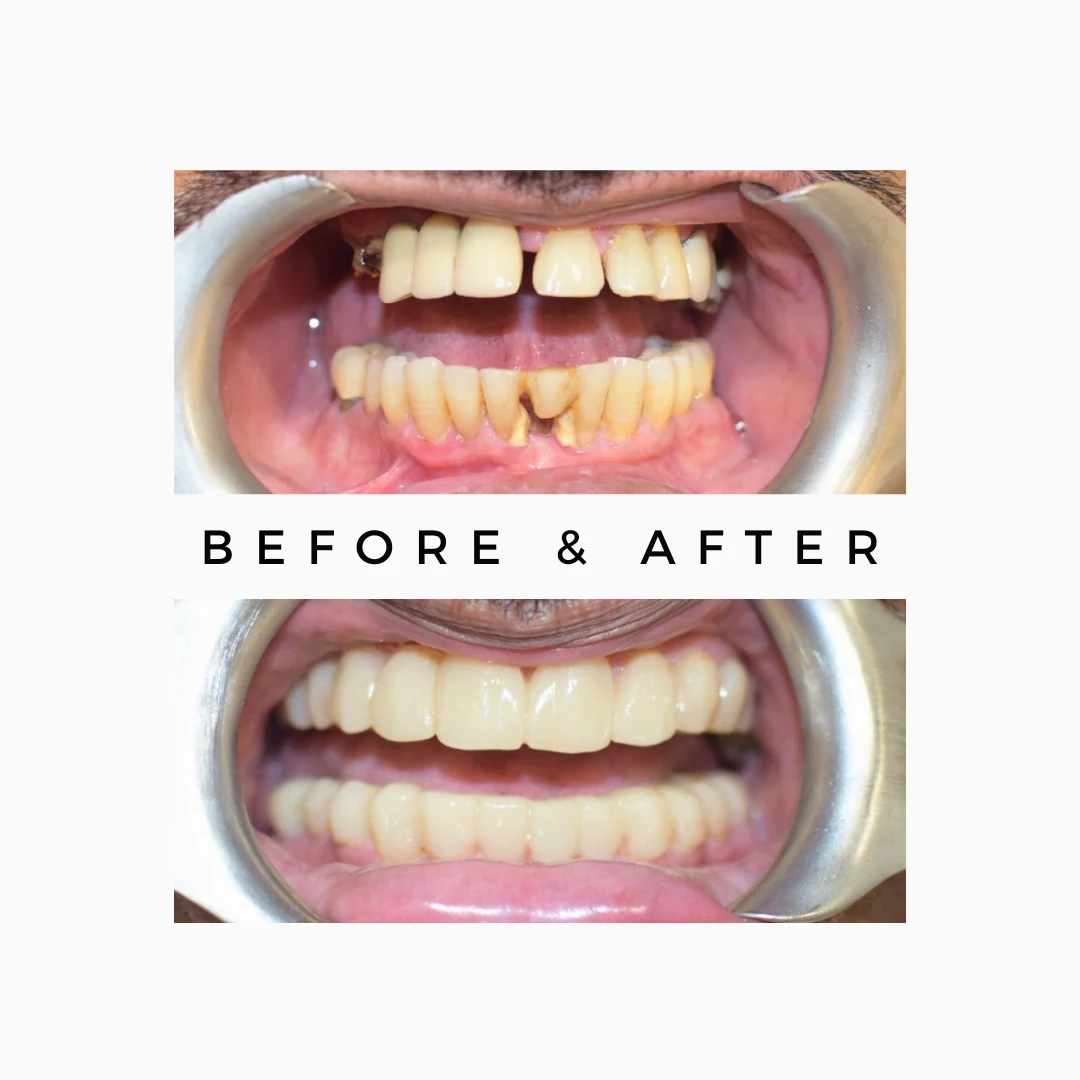
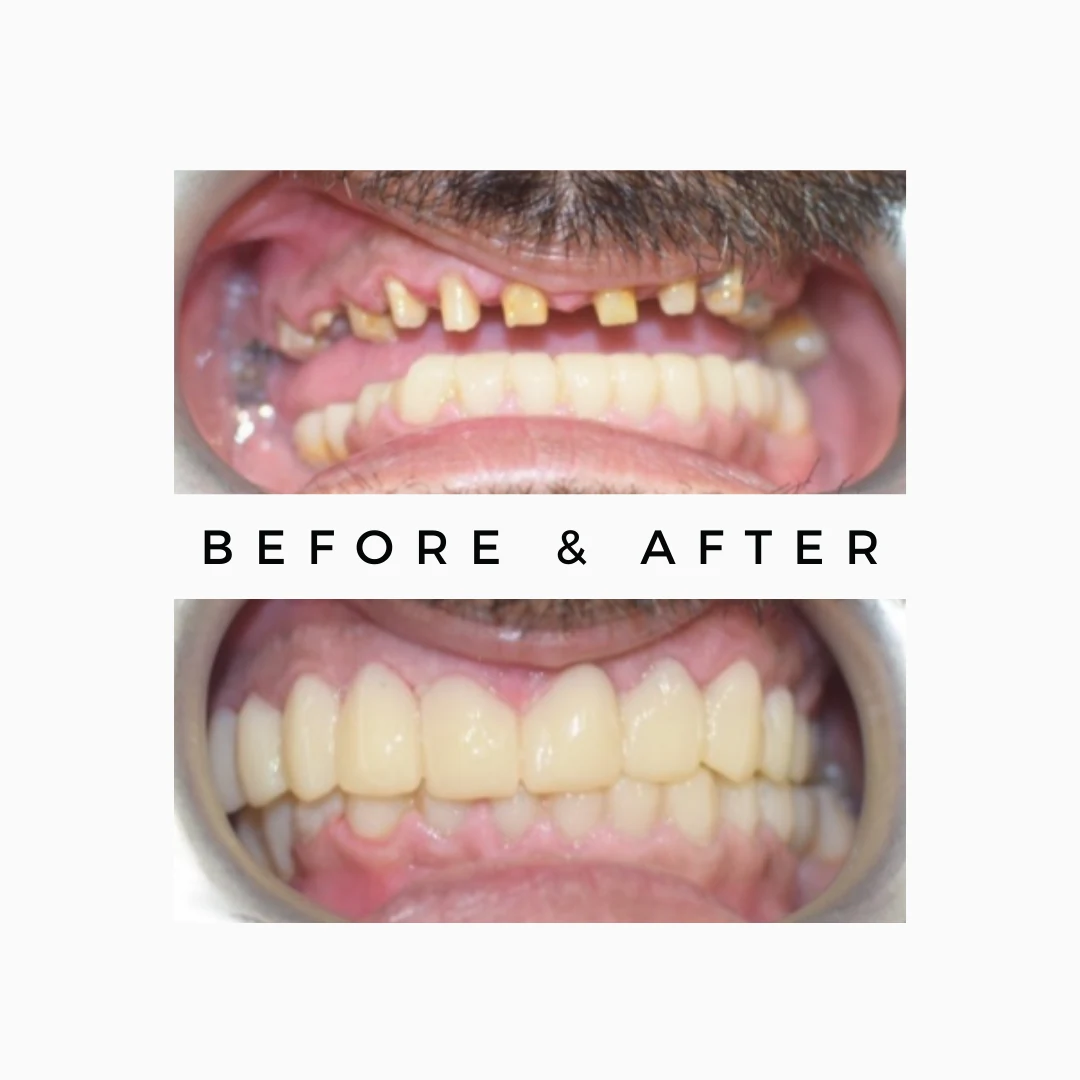
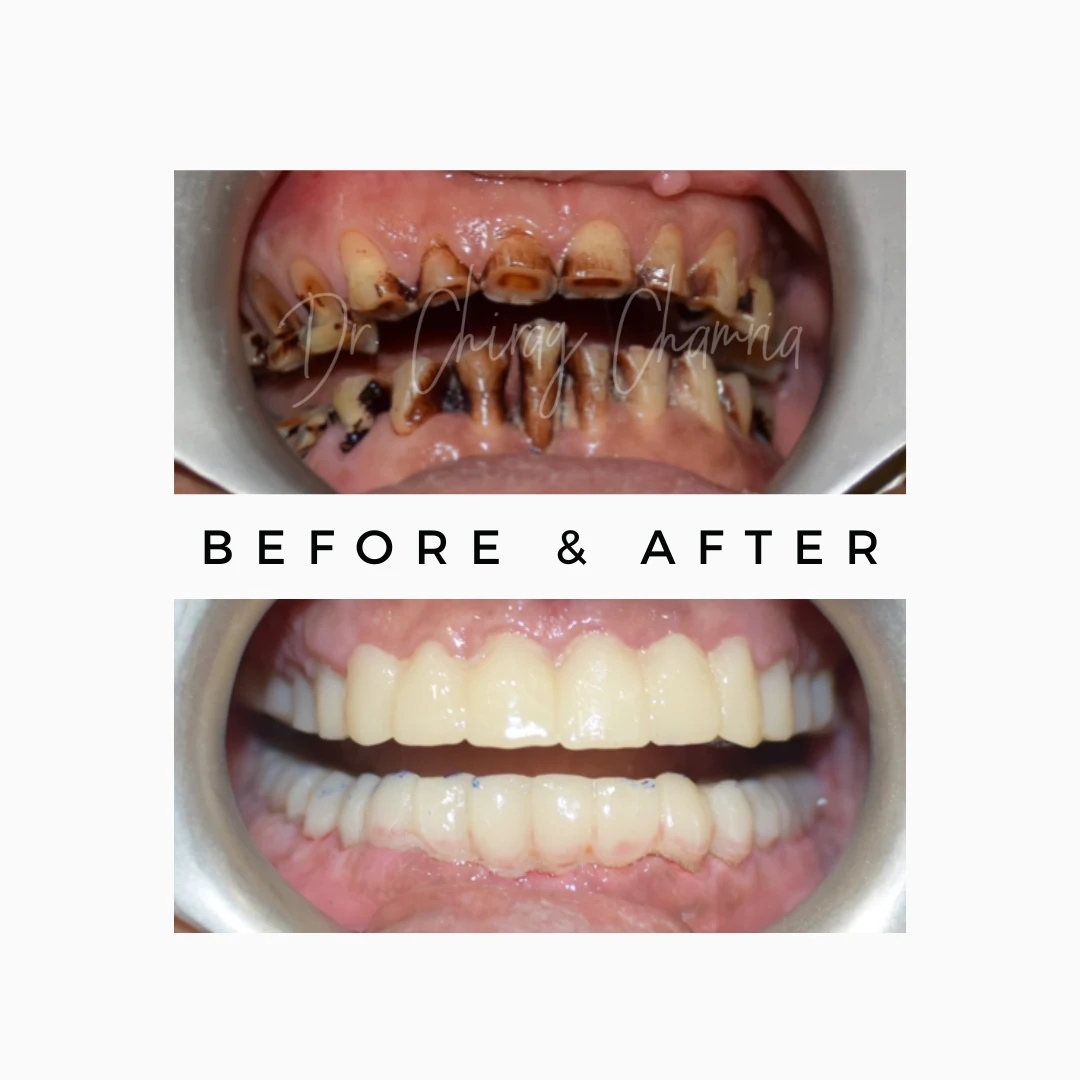
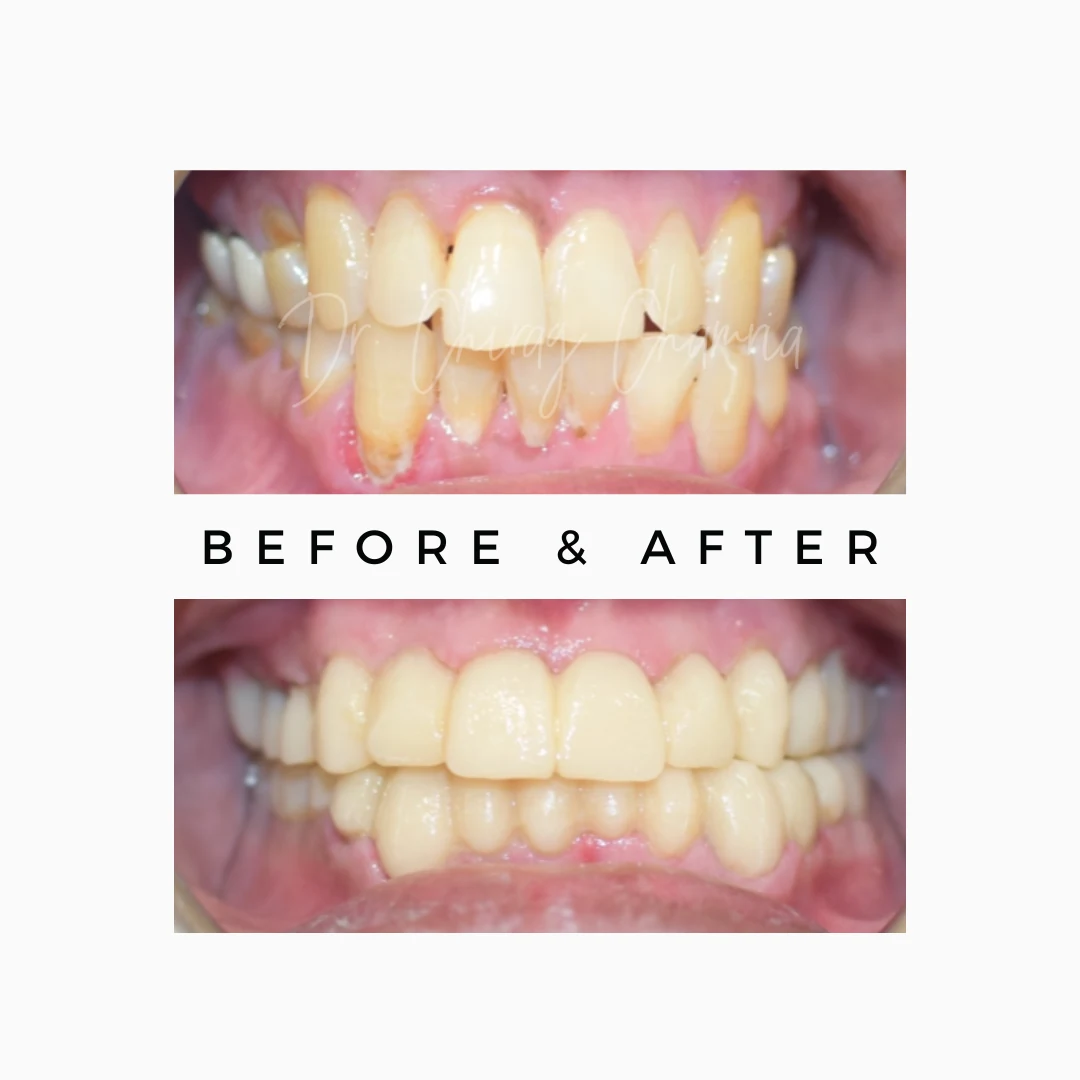
Before & after · Royal Dental patients

See the smiles.
Understand the possibilities.

Explore photographs of treatment published by our clinic. Your own plan starts with an individual assessment.

Actual photographs published by Royal Dental Clinics. Individual results vary; photographs alone do not establish the treatment, timeframe or suitability for another patient.

Videos from YouTube

Hear more from doctor
on how to Save Natural Teeth

Watch patients describe their own treatment experiences, in their own words.

Reasons for pain after root canal

Early treatment matters

Are teeth weaker after root canal

Individual patient experiences, shared on the clinic’s YouTube channel. Outcomes and treatment times vary.

Can Your Natural Teeth Be Saved · Since 1983

Know more about
Saving Natural teeth Options in Kandivali

Understanding a tooth prognosis

A prognosis describes the outlook of a particular tooth under a proposed plan. Ask which findings support it and what would be needed to keep the tooth useful. Clarify whether treatment is intended to address an immediate problem, provide a longer-term restoration or support a wider mouth rehabilitation plan.

A useful second opinion before extraction

Bring the original recommendation, available scans and details of symptoms or earlier treatment. Ask the clinician to compare the reasonable options and explain their limitations. A second opinion may support the original advice or identify another approach. It should also explain the consequences of delaying necessary care.

Google

Read the reviews.
Meet us with confidence.

Explore patient feedback, photographs and directions on our Google Maps listings.

G

Royal Dental Clinics
Mumbai

Kandivali East · Thakur Complex

G

Royal Dental Hospital
Jaipur

Shastri Nagar · Subhash Nagar Road

Questions before you decide

Your questions answered

Sometimes. Gum support, the cause of movement and the tooth’s role determine whether treatment and stabilisation are reasonable.

Only in selected situations after assessment. The amount and condition of the remaining structure are important.

No. When a tooth cannot reasonably be maintained, timely definitive treatment can help protect comfort and surrounding health.

Depending on the diagnosis, options may include a filling, root canal treatment, gum therapy, splinting, bite management or a protective restoration. The remaining structure and support influence the prognosis.

Ask whether the tooth is restorable, what support remains, which alternatives are reasonable and what follow-up will be needed. Bring earlier records and the recommended treatment plan.

Compare the full plan

Ask about the expected service of the saved tooth, the treatment burden and what happens if it fails. Compare this with extraction and the options for replacement. The written estimate should cover the complete work rather than comparing one root canal fee with an undefined implant package.

After tooth-preservation care

Keep the final restoration and follow-up appointments. Control gum disease, maintain daily cleaning and report recurring pain or movement. A tooth that improves after treatment still needs monitoring. A second opinion is useful when you need more clarity about a proposed extraction.

Preserving teeth by treating the cause

Natural teeth should be assessed for preservation before removal is proposed. Suitable care may include a filling, root canal treatment, gum treatment, splinting, bite management or a protective restoration.

The choice depends on the damage, infection, remaining structure and supporting tissues. A tooth with a vertical root fracture, severe loss of support or another non-restorable condition may have a poor prognosis despite extensive treatment. Compare the likely benefit, limitations and ongoing care of each reasonable option.

If you are seeking a second opinion, bring previous X-rays, treatment records, prescriptions and the plan already recommended. Explain your symptoms and what outcome matters most to you.

Preventive care for your natural teeth

Preventive care includes regular brushing with fluoride toothpaste, cleaning between teeth and professional checks. Cleaning aids should be suited to the spaces in your mouth, existing restorations and your ability to use them effectively.

Discuss frequent sugar exposure, tobacco use, dry mouth and grinding with your clinician. These can affect the type of preventive advice and monitoring you need. A protective appliance may be considered for selected grinding-related problems, but it should follow an assessment.

Regular review helps identify decay, gum inflammation, restoration damage or changes in the bite. The interval should reflect your risk and treatment history rather than relying only on whether a tooth currently hurts.

WhatsApp