Patient Information

Before and After Dental Treatment

A photograph is most useful when it explains the problem being treated and the care that followed. Look for the initial concern, the treatment performed and the timing of the images. Where available, follow-up findings provide more context than the immediate change in appearance.

Choose examples relevant to your own concern and bring questions to the consultation. The same visible problem can arise from different underlying conditions. Your teeth, gums, bone and bite need assessment before deciding whether the treatment in a photograph would be suitable for you.

Images
Individual clinical examples
Planning
Function and oral health
Outcome
Specific to the patient
Before and After Results
Treatment area at Royal Dental Clinics Mumbai

Start with a conversation

Let’s understand
what you need.

Your consultation is an opportunity to understand the findings and compare suitable options. Ask what can happen on the first treatment day, which later visits may be needed, and what the estimate includes. A family member can help you consider travel, recovery and maintenance arrangements.

Consultation ₹1,500 · Usually 45–60 minutes

Read the photograph with its context

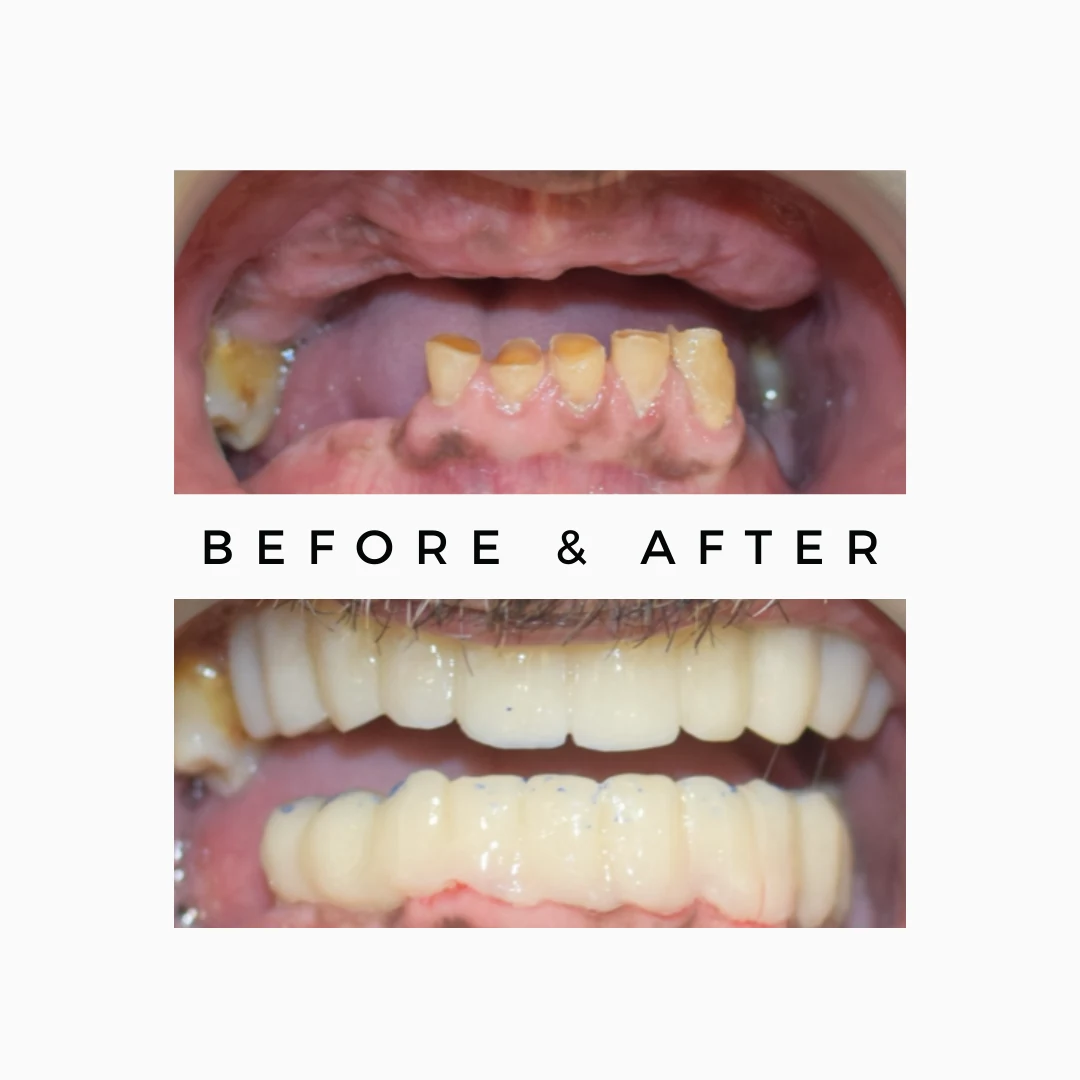
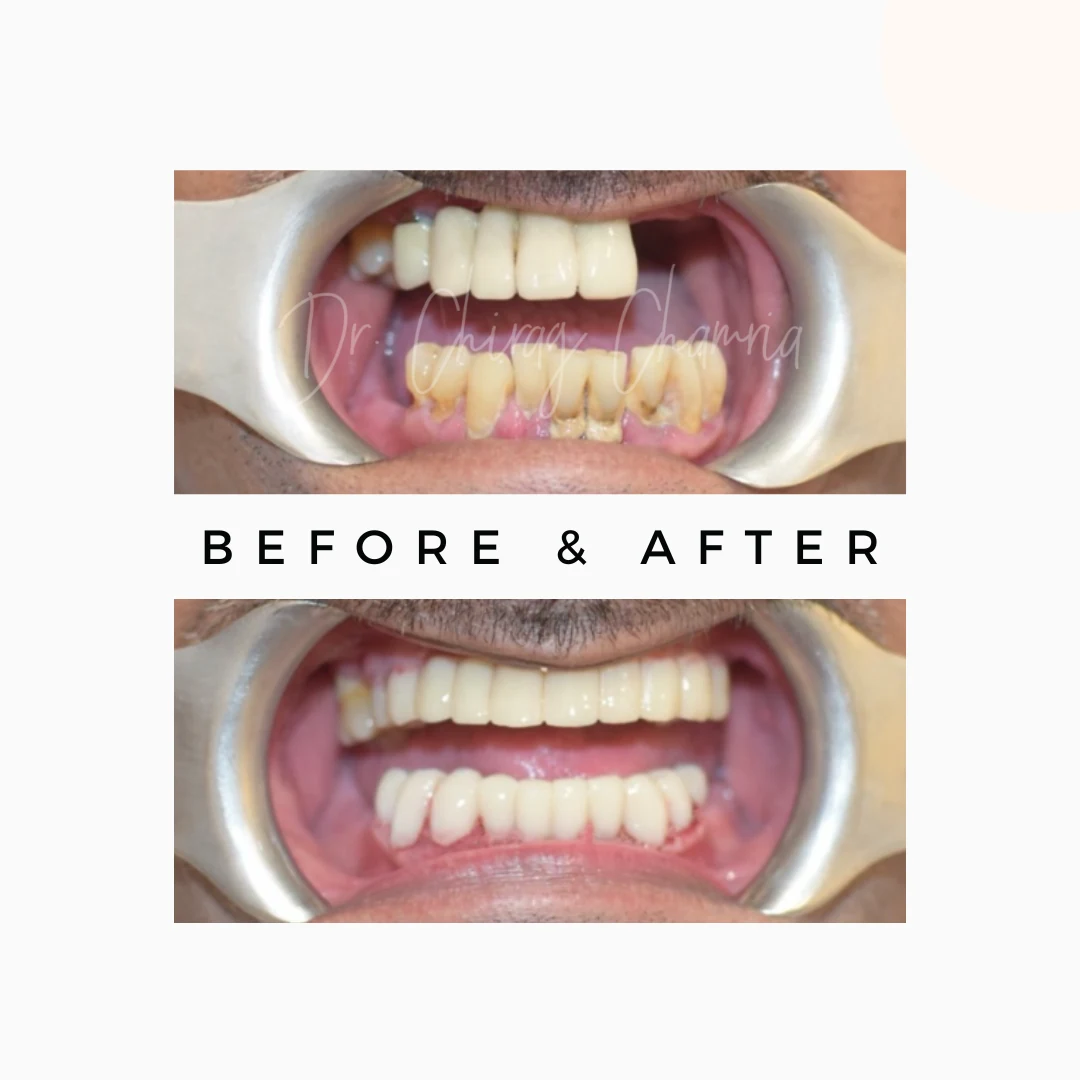
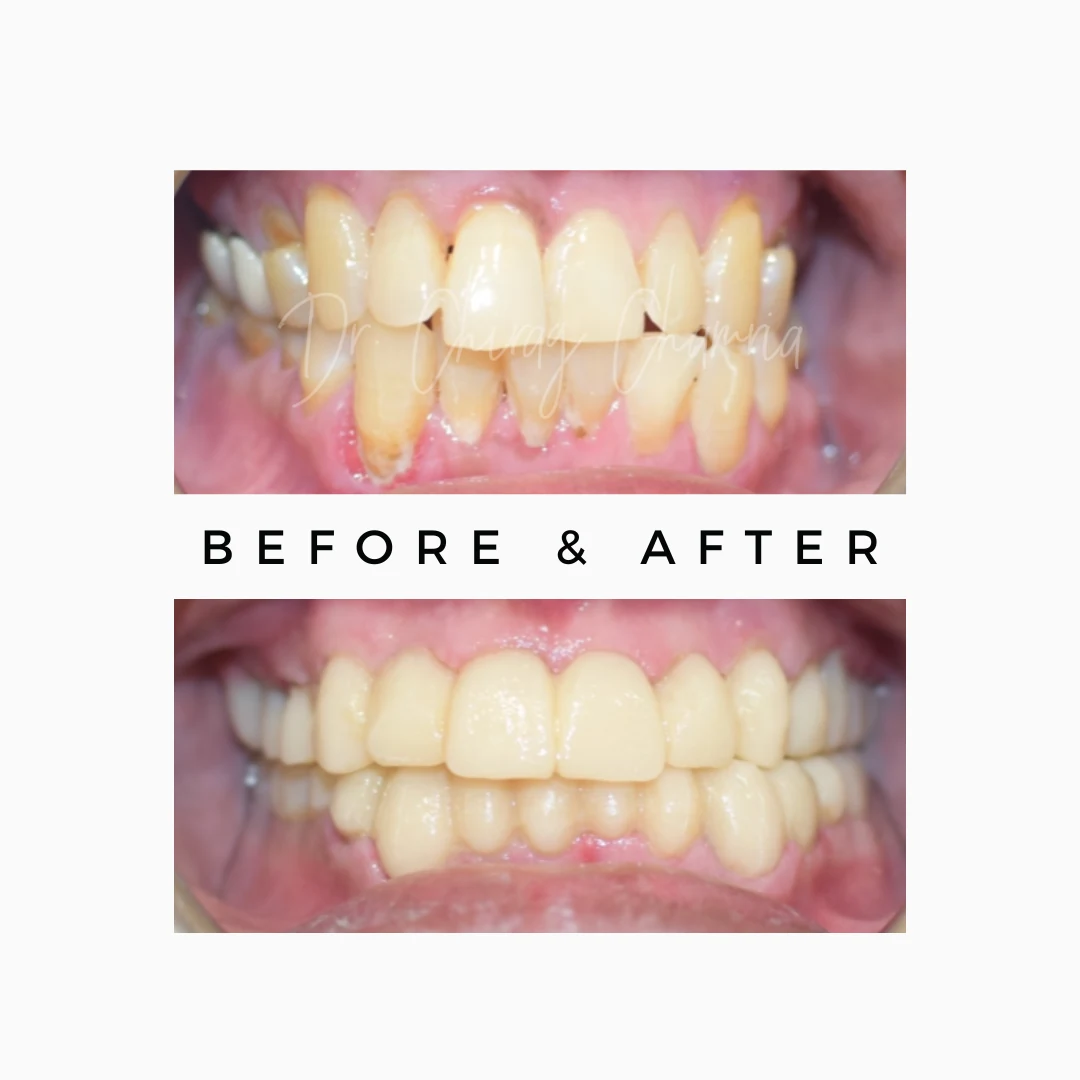
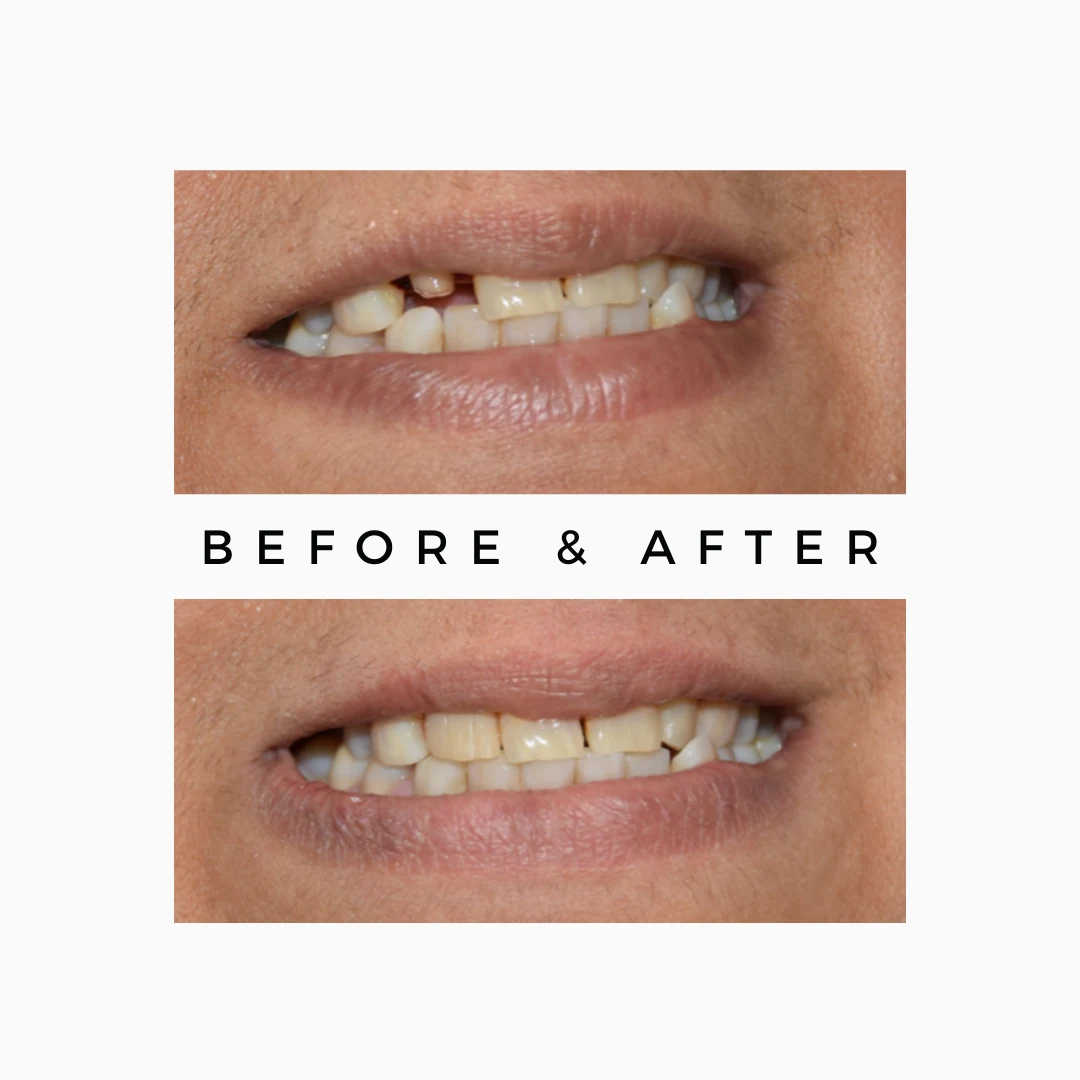
A photograph can show tooth shape, visible alignment or the replacement of missing teeth. It cannot establish healing, implant integration, gum health or long-term performance on its own. A useful case record includes the original problem, the procedure performed and the time at which the result was documented.

Missing teeth and full-mouth care

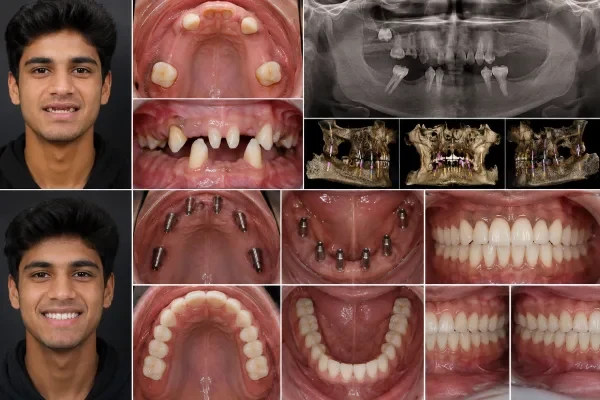
Implants, bridges or combined restorative treatment may help when several teeth are missing or damaged. The images should distinguish full-arch replacement from rehabilitation that preserves natural teeth. Ask which approach is relevant to your mouth and what maintenance it needs.

Smile changes

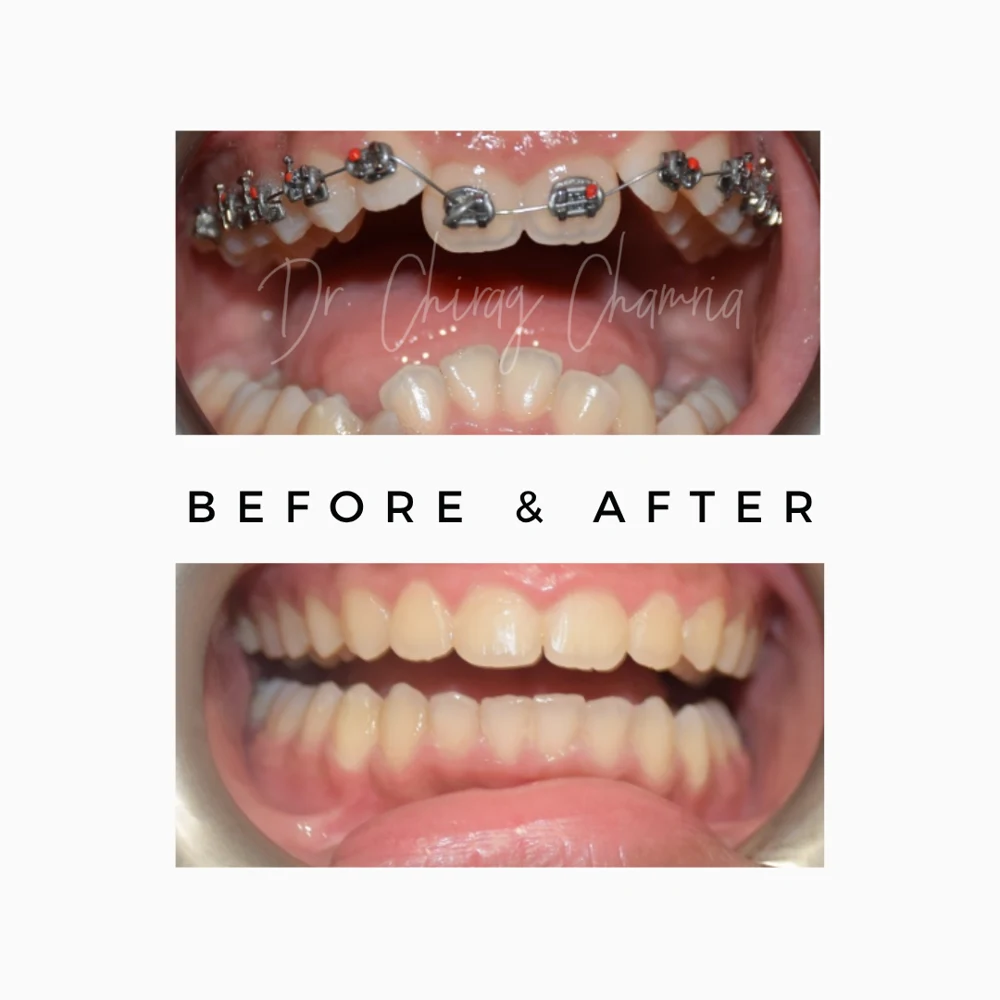
Cosmetic care can involve bonding, whitening, veneers, crowns or orthodontics. A similar visible change may be achieved through different procedures. Some require tooth preparation, some move teeth over time and some need replacement in future. The treatment discussion explains these trade-offs.

Before & after · Royal Dental patients

See the smiles.
Understand the possibilities.

Explore photographs of treatment published by our clinic. Your own plan starts with an individual assessment.

Actual photographs published by Royal Dental Clinics. Individual results vary; photographs alone do not establish the treatment, timeframe or suitability for another patient.

Beyond the photographs

Read the clinical case studies.

For patients who want to understand the detail behind a treatment, explore the published clinical reports.

Full-Mouth Rehabilitation of an 18-Year-Old Male

Full-Mouth Rehabilitation of an 18-Year-Old Male

A published report follows full mouth rehabilitation in a young adult. Read the clinical assessment, treatment approach and follow-up in the original paper.

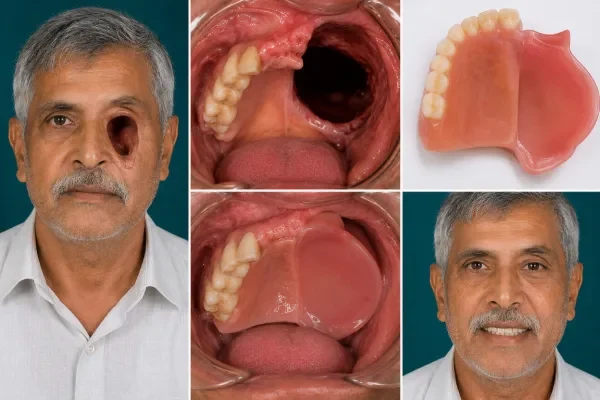
Single-Visit Digital Obturator Rehabilitation

Single-Visit Digital Obturator Rehabilitation

A published clinical report describes digital obturator rehabilitation. The original article explains the patient presentation and treatment workflow.

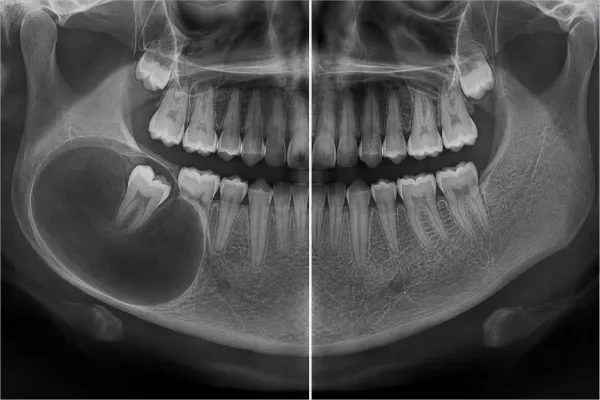
Long-Term Radiologic Healing After Enucleation of a Large Dentigerous Cyst

Long-Term Radiologic Healing After Enucleation of a Large Dentigerous Cyst

This report examines radiologic healing following treatment of a large dentigerous cyst. Read the original paper for the clinical findings and follow-up.

Before and After dental treatment· Since 1983

A complete plan for your teeth,
your bite and your comfort.

What a useful case description includes

A concise case note can state the patient’s age range, general residency, chief concern, diagnosis, treatment and recorded follow-up, while protecting identity. Include the time period between images and identify any X-ray or clinical view. Only document findings and outcomes that are actually recorded for the case.

Comparing photographs responsibly

Lighting, angle and the stage of treatment can change what an image appears to show. Use matched views wherever possible and avoid alterations that change the clinical result. Appearance alone does not establish chewing comfort, tissue health or long-term stability; ask how those aspects were assessed in the case.

Choose the concern closest to yours. You can explore the treatment options before booking; you do not need to know the procedure name.

Google

Read the reviews.
Meet us with confidence.

Explore patient feedback, photographs and directions on our Google Maps listings.

G

Royal Dental Clinics
Mumbai

Kandivali East · Thakur Complex

G

Royal Dental Hospital
Jaipur

Shastri Nagar · Subhash Nagar Road

Questions before you decide

Your questions answered

The plan must suit your facial proportions, teeth, gums and bite. A reference image helps explain your preferences but does not define a guaranteed result.

Only when the review date and clinical information support that conclusion. Appearance immediately after treatment does not establish long-term performance.

Ask at consultation. The team can explain appropriate examples with the patient’s consent and the relevant clinical context.

Yes. Select a photograph to open a larger view. Use the treatment filters to browse examples relevant to your concern.

Use them to explain what interests you, then ask the clinician which changes are suitable for your teeth, gums, bite and facial features. A photograph is a discussion aid rather than a treatment plan.

Surgical cases

Jaw surgery and post-cancer rehabilitation involve functional and medical considerations beyond a smile photograph. Assessment may include medical records, bite planning and coordination with other clinicians. Recovery and the review period should be explained for the specific procedure.

Discuss the result you want

Bring examples of a smile you like, but also describe the changes you want in eating, speech, comfort or confidence. We assess what is clinically achievable and explain suitable options. Individual results vary, and photographs do not guarantee a particular appearance or timeline.

Using patient experiences and clinical photographs

The website’s patient stories and case photographs can help you understand the types of concerns treated and prepare questions for a consultation. Ask to discuss examples relevant to your condition and which differences in anatomy or treatment could affect your own result.

A short video or a before-and-after photograph does not show every clinical detail, complication, maintenance requirement or long-term review. Published clinical reports may provide more context, while the individual examination determines your treatment choices.

WhatsApp