Save Your Teeth

Root Canal Treatment to Preserve a Tooth

A painful or previously treated tooth needs a diagnosis before choosing extraction or root canal care. The clinician assesses the pulp and root canal condition together with the amount of tooth structure and support available for restoration. Saving the tooth should include a plan for how it will function afterwards.

Single-sitting treatment may be appropriate in selected cases, while others need more than one visit or further assessment. Ask what the proposed treatment involves, how discomfort will be managed and whether a filling, crown or other restoration is needed after the canals have been treated.

Purpose
Preserve a restorable tooth
Visits
One or more according to need
Completion
Suitable final restoration
Root Canal Treatment in Single Sitting
Dental treatment area at Royal Dental Clinics Mumbai

Start with a conversation

Let’s understand
what you need.

Your consultation is an opportunity to understand the findings and compare suitable options. Ask what can happen on the first treatment day, which later visits may be needed, and what the estimate includes. A family member can help you consider travel, recovery and maintenance arrangements.

Consultation ₹1,500 · Usually 45–60 minutes

Why treatment may be needed

Deep decay, trauma, a crack or leakage around an old restoration can affect the pulp inside a tooth. Symptoms may include lingering pain, tenderness, swelling or a draining spot, but some teeth have few symptoms. Examination and appropriate X-rays establish the problem and whether the tooth is restorable.

What happens during treatment

The dentist uses anaesthesia and isolates the tooth appropriately. The canals are accessed, cleaned, shaped and sealed. The final restoration protects the remaining structure and maintains a useful bite. Complex anatomy, infection, retreatment or other findings may require additional visits or specialist care.

Single-sitting treatment

Some root canal treatments can be completed in one visit, supported by the clinical and laboratory workflow. Other teeth need staged care. The decision reflects infection, anatomy, symptoms and the condition of the tooth. A single visit is useful when it meets the clinical requirements.

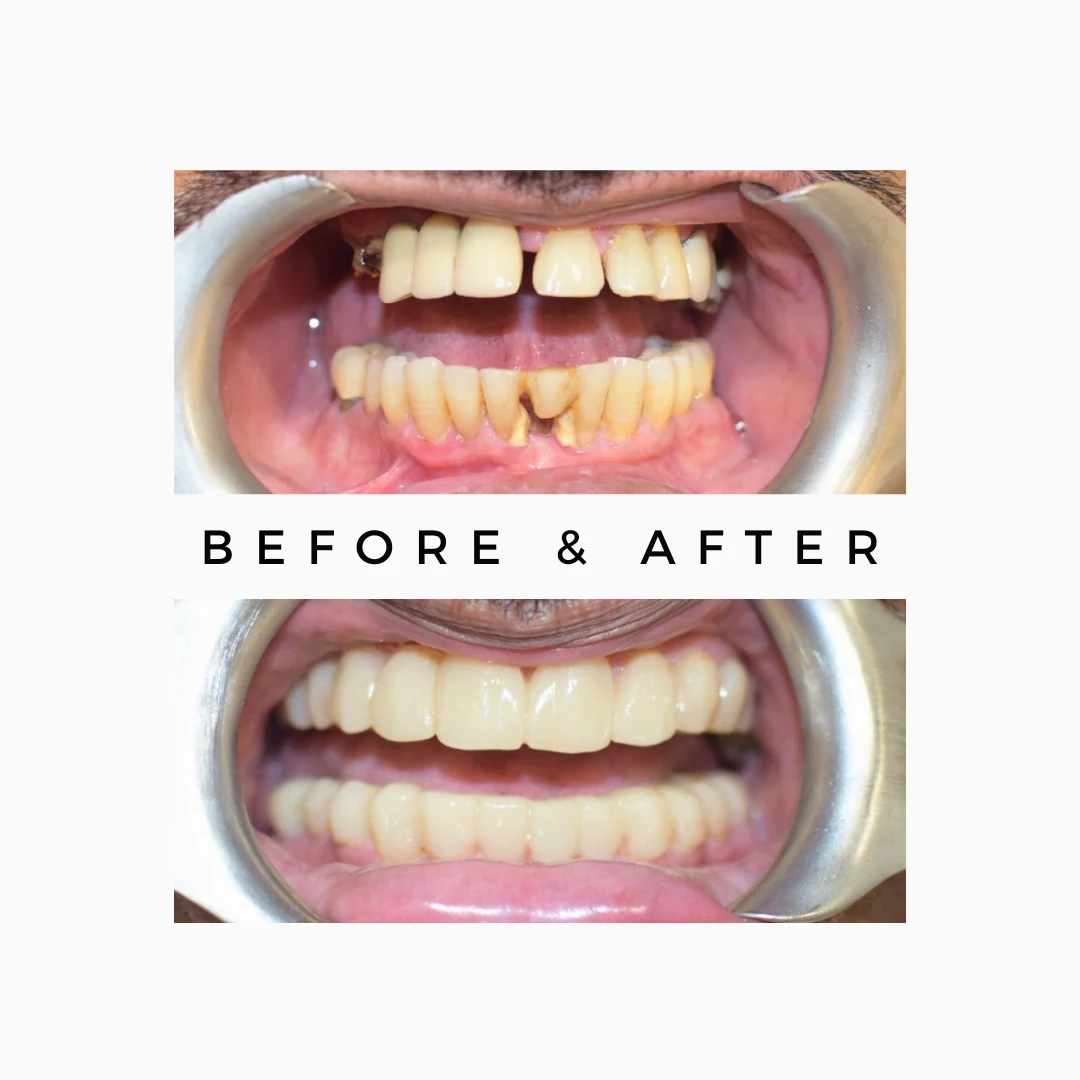
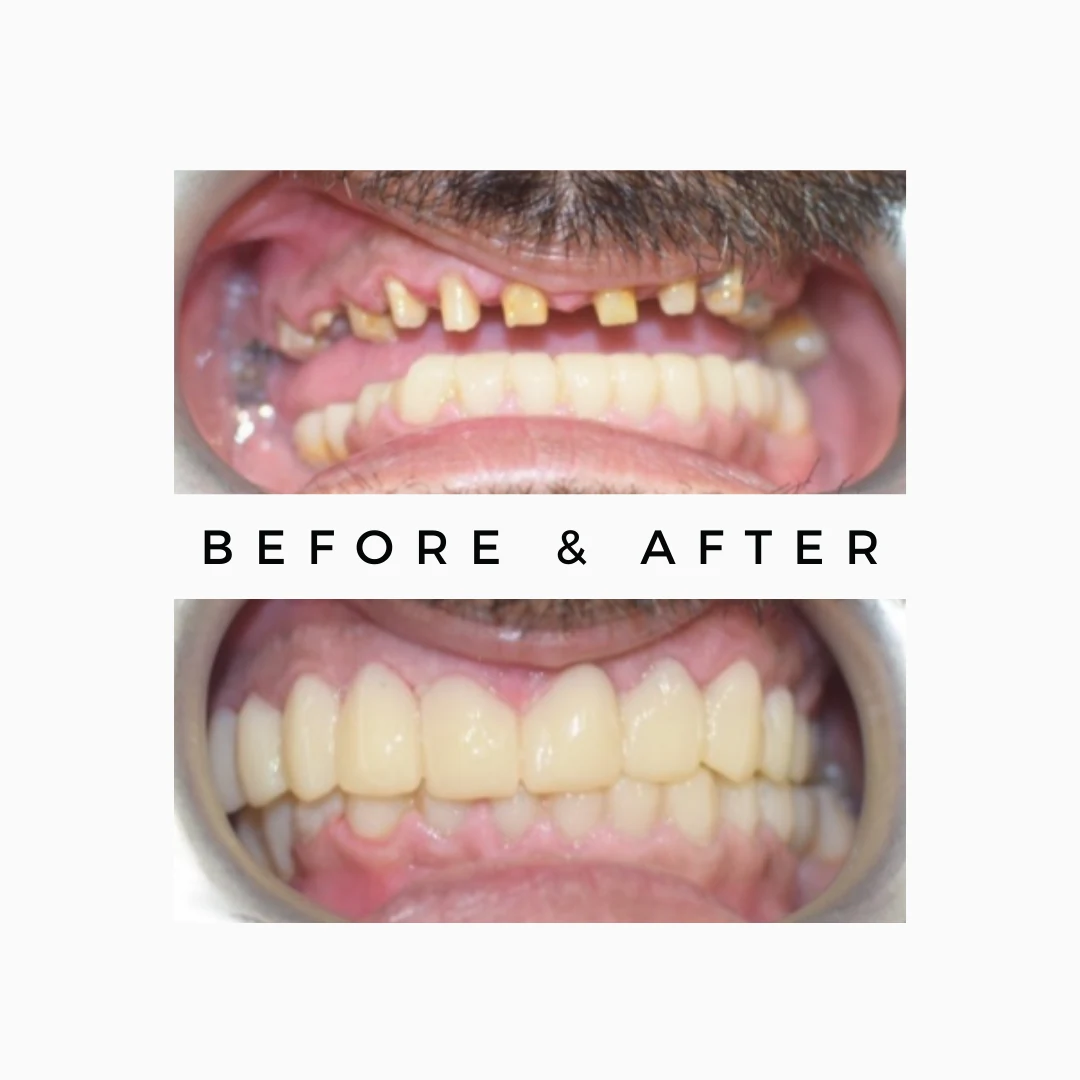
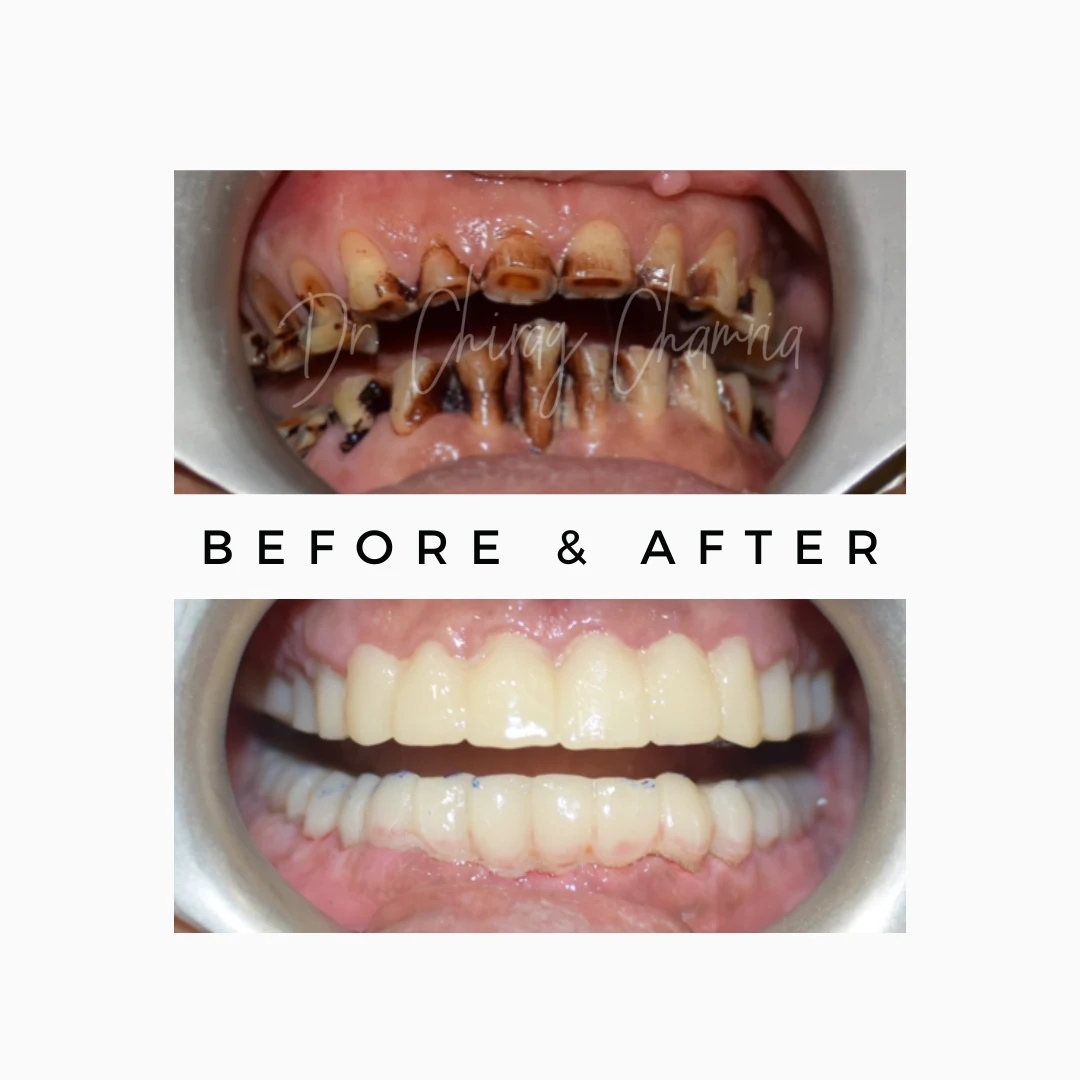
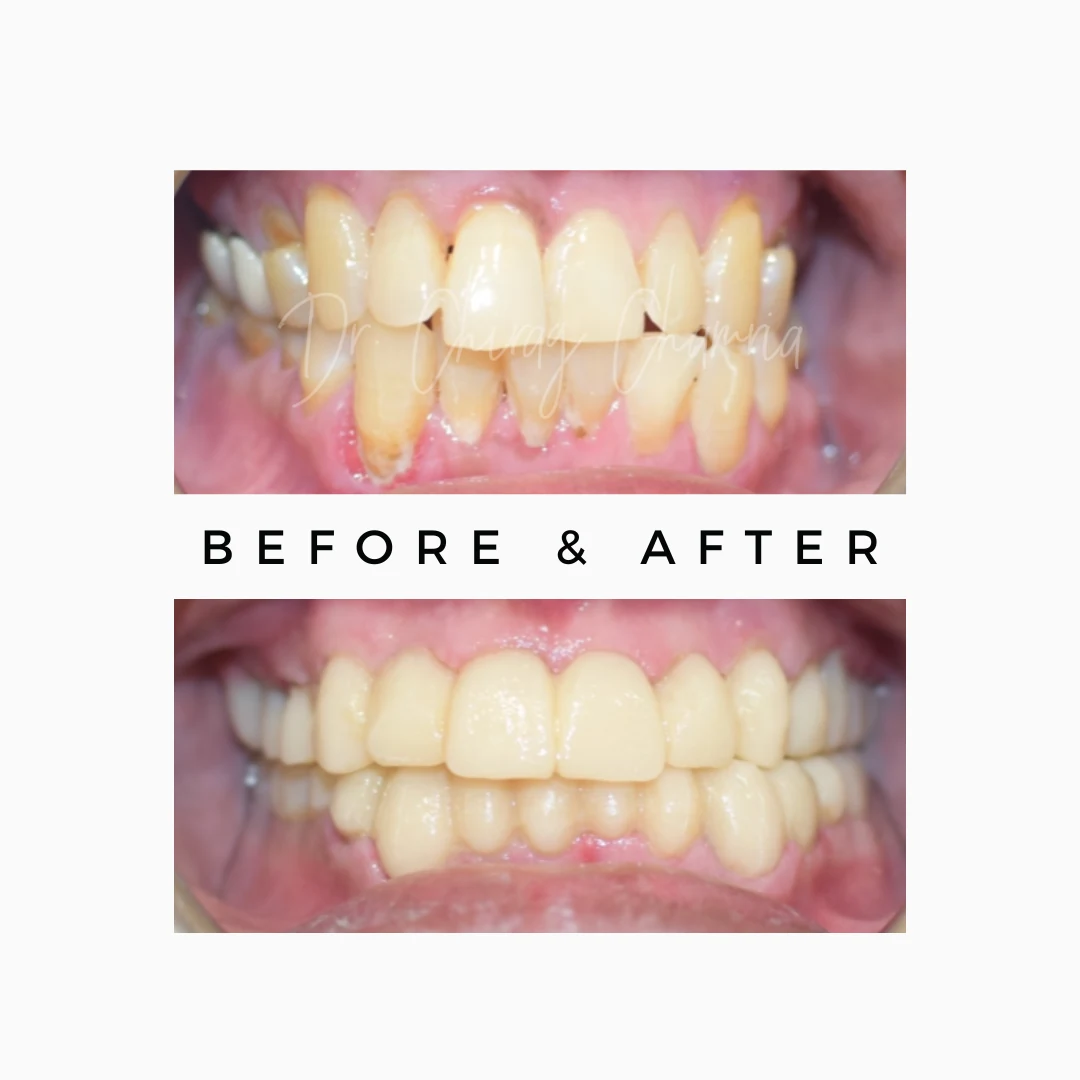
Before & after · Royal Dental patients

See the smiles.
Understand the possibilities.

Explore photographs of treatment published by our clinic. Your own plan starts with an individual assessment.

Actual photographs published by Royal Dental Clinics. Individual results vary; photographs alone do not establish the treatment, timeframe or suitability for another patient.

Videos from YouTube

Hear more from doctor
Pain or Treatment for Root Canal

Watch patients describe their own treatment experiences, in their own words.

Reasons for pain after root canal

Early treatment matters

Are teeth weaker after root canal

Individual patient experiences, shared on the clinic’s YouTube channel. Outcomes and treatment times vary.

Root Canal Treatment in Mumbai · Since 1983

Know more about Root Canal
Treatment in Kandivali

Treating the tooth and restoring its strength

Root canal treatment and rebuilding the visible tooth are related but separate parts of care. Ask what restoration is needed and when it should be fitted. The amount and position of remaining tooth structure influence that decision. A treated canal alone does not explain the tooth’s longer-term usefulness for chewing.

Questions about a previously treated tooth

Persistent symptoms after earlier root canal treatment require assessment of the possible cause. Bring old X-rays and treatment records if available. The discussion may include further treatment, restoration changes or other options depending on the findings. Antibiotics alone do not resolve every source of a dental infection.

Questions before you decide

Your questions answered

Extraction removes the tooth and may create a replacement need. A restorable tooth may be worth preserving. Discuss prognosis, cost and maintenance for both options.

Sometimes. The reason for failure, tooth structure and root condition determine whether retreatment or another option is reasonable.

Antibiotics do not remove infected tissue inside a tooth. The dentist assesses when medication and definitive dental treatment are needed.

A single visit may be suitable when the diagnosis, canal anatomy, infection status and restorative plan allow it. Complex infection or retreatment may require more than one appointment.

Follow the dentist’s advice about chewing, cleaning and the final restoration. Contact the clinic if pain worsens, swelling develops or the temporary or final restoration comes loose.

Choose your centre

Mumbai and Jaipur

Mumbai · Kandivali East

79, V-Mall, Thakur Complex, Kandivali East, Mumbai 400101

Monday–Saturday · 8 am–7 pm
Sunday closed · By appointment

Jaipur · Shastri Nagar

Plot No 7, Subhash Nagar Road, in front of Krishna Kripa Apt, Shastri Nagar, Jaipur 302016

Appointments and current hours confirmed by the Jaipur team.

Cost and the restoration

The estimate should separate or clearly include root canal treatment, a protective restoration and any retreatment work. A crown may be needed for a weakened tooth; not every tooth automatically requires the same restoration. Ask about the expected prognosis and alternatives before starting.

Aftercare and review

Soreness can occur after treatment. Follow the prescribed pain and eating advice, and complete the final restoration as planned. Contact the clinic if swelling, increasing pain, loss of the temporary restoration or a high bite develops. Review assesses symptoms, healing and the restored tooth.

What root canal treatment is designed to do

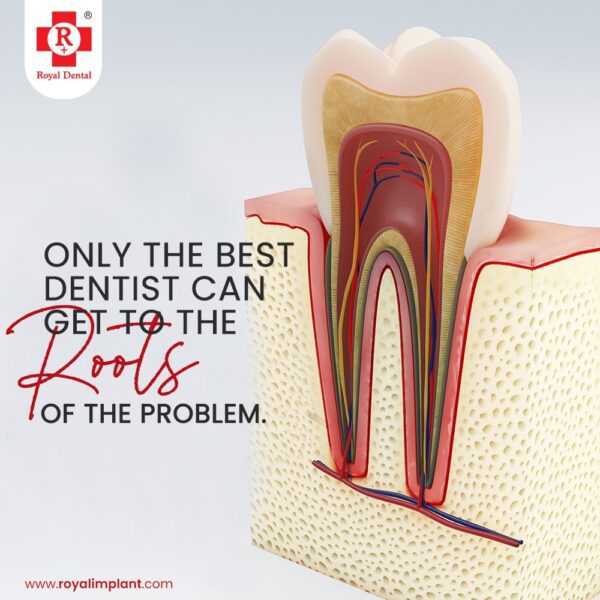
The pulp inside a tooth contains nerves and blood vessels. Decay, a crack, trauma or a previous restoration can contribute to inflammation or infection. Root canal treatment removes the affected pulp, cleans and disinfects the canals, and seals the space so the tooth can be restored when it remains suitable for retention.

Symptoms that merit assessment include lingering sensitivity, pain, swelling, pus or a change in tooth colour. Symptoms alone do not confirm the diagnosis; the examination, tests and appropriate imaging determine the cause.

Assessment also considers remaining tooth structure, cracks, bone support and whether the tooth can be predictably restored. Treatment can be considered at different ages, but the stage of tooth development and the individual diagnosis influence the approach.

Single-sitting treatment, comfort and final restoration

Royal Dental Clinics offers single-sitting root canal care and digitally produced restorations in suitable cases. The decision depends on the diagnosis, canal anatomy, infection and restorative requirements. Retreatment or complex cases may need more than one visit.

Local anaesthesia and appropriate isolation support treatment. The canals are cleaned, disinfected, shaped and filled, and the tooth needs a suitable seal and restoration. A crown or onlay may be recommended for a heavily weakened tooth; this is not automatic for every treated tooth.

Explain any previous difficulty with anaesthesia or anxiety before treatment starts. The team can discuss what you may feel, how to request a pause and which comfort measures are suitable. Sedation requires its own assessment and preparation.

Afterwards, follow the advice on chewing, cleaning and any further restorative appointment. Contact the clinic if pain increases, swelling develops or the restoration is damaged or dislodged. A root canal-treated tooth still needs daily care and professional review.

WhatsApp