Maintaining good oral hygiene starts with using the correct brushing technique. A proper brushing technique helps remove plaque, food debris, and bacteria from the teeth and gum line, reducing the risk of cavities and gum disease. Dentists recommend brushing twice a day with a soft-bristled toothbrush and replacing it every three to four months for effective cleaning. Learning the right brushing technique from an early age can help maintain healthy teeth and gums throughout life.

What is the correct Brushing technique?
Who Is This Article For?
- Parents teaching children proper brushing habits.
- Adults looking to improve their brushing technique.
- Patients with braces or gum disease.
- Anyone wanting to maintain better oral hygiene and prevent dental problems.
Why Is the Correct Brushing Technique Important?
A) Fone’s/ Sulcular/ Scrub technique for children suggests:
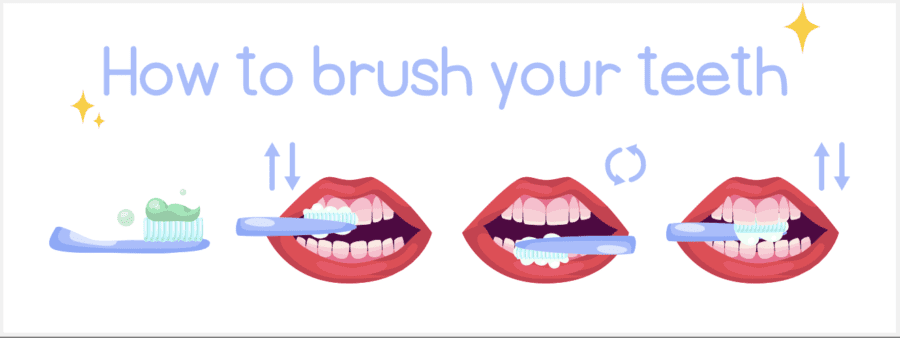
The brush is to move in big circles on outer surface of the teeth and partly in the gums. Initially big circles are made and then reduced to smaller circles. Brush the inner surfaces by tilting the brush vertically and making several up and down strokes. The chewing surfaces cleaned by making back and forth strokes.
B) Modified Bass technique for adult brushing suggests:
Place the brush at a 45 degree angle towards the gum, on outer surface of teeth and partly on the gums. Bristles are vibrated by moving the brush back and forth and in circular motion. The bristles are sweeped away over the surfaces of the teeth towards the occlusal/Incisal surfaces. This very important step as the food particles that lodged in the gums effectively removed by the sweeping motion. The inside surface of the posterior teeth are cleaned in the same manner. The inside surface of front teeth cleaned by using up and down strokes. Chewing surfaces cleaned by moving the brush in back and forth motion. Medium bristle toothbrush usually indicated for this technique.
C) Modified Stillman brushing technique for adults suggests:
Place the brush at a 45 degree angle towards the gums. Bristles placed partly on the gums and partly on the cervical portion of the teeth. The sides of the bristles placed firmly rather than the ends. Care taken not to penetrate the gingival sulcus. Brush moved with short back and forth circular motion towards the occlusal surface. Soft bristle toothbrush indicated.
D) Charter’s technique for adults undergone periodontal surgery or with ortho appliances suggests:
Bristles placed at 45 degrees angle to the long axis of the teeth in an opposite direction as compared to modified Bass and modified Stillman .i.e the bristles directed coronally. After adaptation the bristles point away from the gingival margin but towards the interproximal surfaces of the teeth. After placing the bristles at gingival margin circular strokes made. Chewing surfaces cleaned by shirt back and forth strokes. Soft/medium bristle toothbrush indicated for this technique.
Which Brushing Technique Should You Follow?
You simply follow the basic technique of whichever method you choose, but after brushing an area, you roll or sweep the bristles toward the chewing surfaces. This action sweeps out debris stuck between the teeth and cleans the entire tooth surface. The sweeping motion also helps prevent damage to the spaces between teeth and gums. Maintaining oral hygiene is essential to keep gum diseases at bay.
Correct way of brushing technique helps to prevent and control the gum disease. It cleans the teeth below the gums where micro-organisms, food debris, plaque tend to gather. Brushing should performed twice a day irrespective of age. Tooth brush should be change every 3-4 months for efficient plaque control and maintaining oral hygiene.
This may sound weird, but there use too modified versions of the bass, stillman and charter techniques. You simply follow the basic technique of whichever method you choose, but after brushing an area, you roll or sweep the bristles toward the chewing surfaces. This action sweeps out debris stuck between the teeth and cleans the entire tooth surface. The sweeping motion also helps prevent damage to the spaces between teeth and gums.
You may replace your toothbrush every three to four months. Worn, frayed brushes don’t clean well, and older brushes can harbour bacteria. Don’t forget the fluoride toothpaste, which strengthens tooth enamel and prevents tooth decay. And floss at least once a day to clean where your toothbrush doesn’t reach.
Tips for Better Oral Hygiene
Using the correct brushing technique is only one part of maintaining healthy teeth and gums. Replace your toothbrush every three to four months, brush twice daily with fluoride toothpaste, floss once a day, and visit your dentist for regular professional cleanings. These habits significantly reduce the risk of cavities and gum disease.
Common Brushing Mistakes to Avoid
Many people brush too hard, use a worn-out toothbrush, or spend less than two minutes brushing. These habits can damage tooth enamel and irritate the gums. Using a gentle brushing technique with a soft-bristled toothbrush is more effective for removing plaque while protecting your teeth and gums.
Conclusion
Using the correct brushing technique every day is one of the simplest ways to maintain excellent oral health. Whether you use the Modified Bass, Stillman, Charter’s, or Fones technique, brushing twice daily, flossing regularly, and visiting your dentist for routine check-ups will help keep your teeth and gums healthy for years to come.
Maintain Healthy Teeth with the Right Brushing Technique
Not sure if you’re brushing correctly? Visit Royal Dental Clinics for a professional dental examination and personalized oral hygiene guidance. Our dentists can help you improve your brushing technique and prevent future dental problems.
FAQs
Which brushing technique is best?
The Modified Bass brushing technique is commonly recommended by dentists because it effectively removes plaque around the gum line.
How many times should I brush my teeth?
Brush your teeth at least twice a day using the proper brushing technique.
Should I use a soft or medium toothbrush?
Most dentists recommend using a soft-bristled toothbrush because it cleans effectively while being gentle on your gums.
How long should I brush my teeth?
Brush for at least two minutes, covering all tooth surfaces.
When should I replace my toothbrush?
Replace your toothbrush every three to four months or sooner if the bristles become frayed.
© All rights reserved by Royal Dental Implants Pvt Ltd
Issued in public interest