
When it comes to dental extractions, you might think the worst case scenario is losing the tooth entirely. However, in reality, this isn’t always the case. In some cases, an extraction may be inevitable, but that doesn’t mean there aren’t other options. If you are dealing with tooth decay or periodontal disease and have been advised to get a dental implant as soon as possible, you may not see any other options.vWith an extraction, we can save the existing bone and teeth around it which will help the natural process of healing and hopefully prevent further damages in the future. Implant surgery is a surgical procedure which requires a high level of precision and skill. Lets read more whether Extraction or Implant is better.
Who is this article for?
This article is for patients who have been advised tooth extraction and want to know whether a dental implant is required immediately or later. It is also useful for patients with badly decayed teeth, broken teeth, failed root canal, loose teeth, gum disease, infection, missing teeth, or fear of losing a natural tooth.
Which is better: extraction or dental implant?
Extraction and dental implant are not the same type of treatment. Tooth extraction removes a tooth that cannot be saved. A dental implant replaces a tooth that is already missing or has been removed. The better choice depends on whether the natural tooth can be predictably saved. If the tooth is restorable, saving it may be considered first. If the tooth is fractured, infected beyond repair, loose, or structurally weak, extraction followed by replacement may be better.
When should a natural tooth be saved?
A natural tooth may be saved if it has enough remaining structure, healthy or treatable gums, adequate bone support, and a good long-term prognosis. Treatment may include filling, root canal, post and core, crown, crown lengthening, gum treatment, or bite correction. Saving a natural tooth is valuable when it can be done predictably and safely.
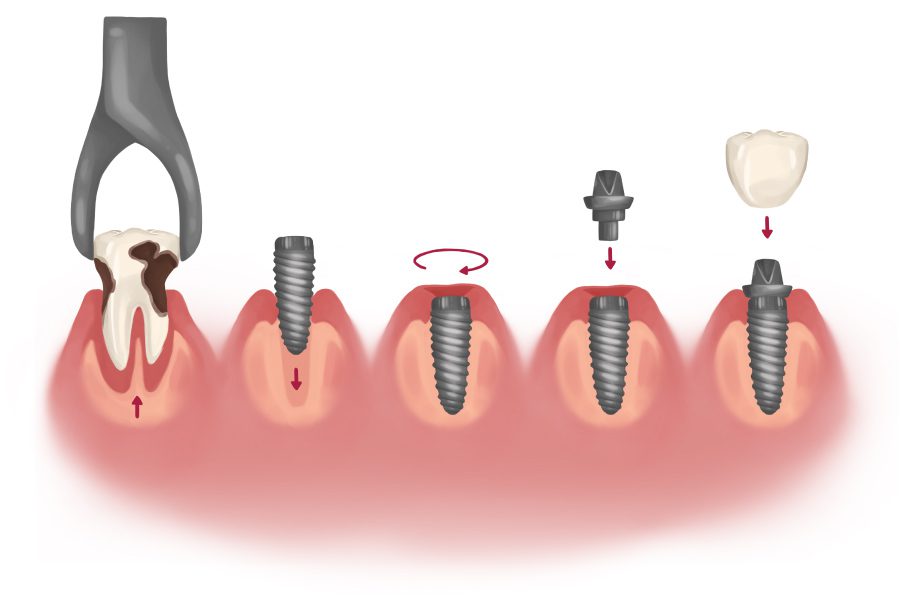
When is tooth extraction needed?
Tooth extraction may be needed when a tooth is deeply fractured, severely decayed below the gumline, very mobile, infected repeatedly, affected by advanced gum disease, causing pain or swelling, or cannot support a crown. Extraction may also be required for impacted wisdom teeth, orthodontic planning, or teeth involved in severe bone loss.
What happens if you extract a tooth and do not replace it?
If a missing tooth is not replaced, nearby teeth may tilt, opposing teeth may over-erupt, chewing may become uneven, food lodgement may increase, and bone loss may continue in that area. The effect depends on which tooth is missing, bite pattern, age, gum health, and number of missing teeth.
Extraction with bridge, denture or implant replacement
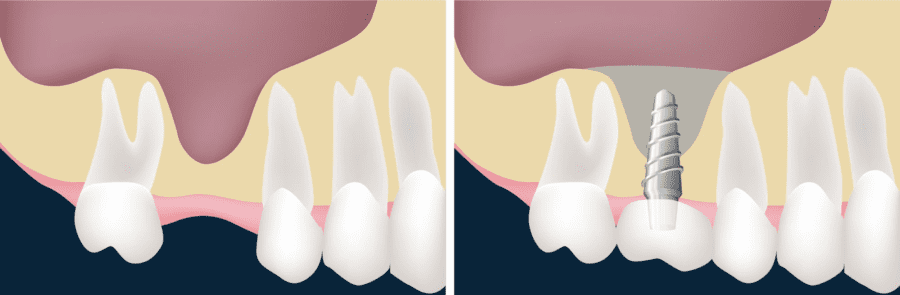
After extraction, replacement options may include a dental implant, fixed bridge, removable denture, resin-bonded bridge, or no replacement in selected wisdom tooth cases. A bridge may be useful if neighbouring teeth already need crowns. A denture may be a lower-cost removable option. An implant may be considered when fixed replacement is desired and bone support is suitable.
Is extraction cheaper than implant?
Extraction alone usually costs less than implant treatment, but it does not replace the missing tooth. The total cost should be compared based on the complete plan: extraction, temporary tooth, implant surgery, abutment, crown, bridge, denture, scans, and follow-up. A low initial cost may not always be the best long-term solution if the missing tooth affects chewing or bite.
What to expect after dental implant surgery
After implant surgery, patients may experience swelling, bruising, pain at the implant site, and minor bleeding. Soft food, oral hygiene instructions, medicines, and follow-up visits are important during healing. If swelling, soreness, or other problems worsen after surgery, the patient should contact the surgeon.
Extraction is not failure when it is the right diagnosis
Many patients feel that extraction means the treatment has failed. This is not always true. Removing a hopeless tooth can prevent repeated infection, swelling, pain, bad breath, and damage to nearby teeth or bone. The important decision is whether the tooth can be saved predictably or whether replacement will give a healthier long-term result.
Patient Experience
When a patient undergoes a tooth extraction procedure, dental implants may be the most effective option available to restore the tooth. Getting dental implants after extraction allows patients to get back the appearance and functionality of the missing teeth as soon as possible. Patients who are not sure about getting dental implants after tooth removal may find reviewing the pros and cons can help with the decision.
Dental Extraction Procedure
Dental extraction is the removal of teeth that have broken or have become diseased or infected to the point of being beyond repair. There are many types of tooth decay and infections that can cause teeth to become loose or fall out. Once a tooth has decayed to the point where it is loose, it can be very difficult to save it.
The first step in the extraction process is to numb the area of the mouth where the tooth is located. While this will not eliminate the pain that comes with having a tooth pulled, it will help you remain calm and prevent you from tensing up and making the process more difficult. Once the area is numbed, the dentist will place a rubber band around the tooth to assist in removing the tooth.
Dental Implants immediately after Extraction
One of the most significant benefits of getting implants on the same day as tooth extraction is that there is no need for a second surgery. After taking out the bad teeth, the dentist will insert the dental implant directly into the tooth socket. Any additional processes such as bone or tissue grafting to fill the bone can also be completed in the same surgery. This is beneficial because having to wait for another surgery to place the implants extends the treatment period. It also means a reduced cost of treatment with the same chances of success.
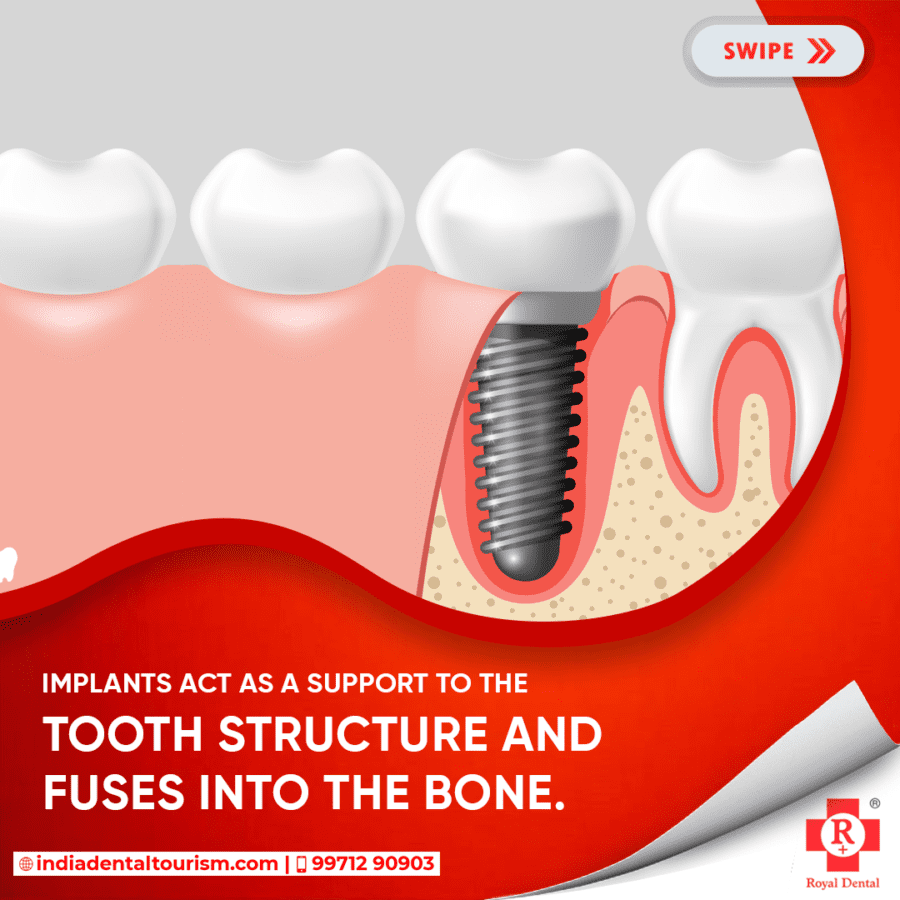
Secondly, patients do not have to worry about going several days or weeks with a gap in their bite. Placing the screw immediately allows patients to regain the use of their natural teeth. Whether the restoration connected to the implant is temporary or permanent, the patient will still be able to eat and speak freely. The techniques for placing the implants are tested, which means they will not shake during the healing process when eating. As well, when the dentist places the implant, it replaces the tooth root. Usually, when a tooth is missing, the jawbone starts to degrade due to loss of stimulation that occurs when chewing. The implant provides the required stimulus to keep the jawbone healthy.
When is a dental implant needed after extraction?
A dental implant may be considered after extraction when the patient wants a fixed tooth replacement and has suitable bone, gum health, medical fitness, and oral hygiene. Dental implants can support a crown, bridge, or full-mouth fixed teeth. The dentist must check the extraction socket, bone, infection, bite, and smile requirement before planning the implant.
Can implant be placed immediately after extraction?
In selected cases, a dental implant can be placed immediately after tooth extraction. This may reduce treatment time and help preserve the tooth replacement space. However, immediate implant placement is not suitable for every patient. It depends on infection control, bone support, gum condition, implant stability, bite forces, and the ability to protect the implant during healing.
When should immediate implant be avoided?
Even if the implants are inserted on the same day, osseointegration is still important. The implant must fuse completely with the jawbone for the entire procedure to work. The healing period may take up to six months, during which the patient must follow all the dentist’s instructions for maintenance and oral care. Failure to follow the dentist’s advice may cause complications.
Immediate implant placement may be avoided or delayed if there is active pus, uncontrolled infection, poor bone support, severe gum disease, large bone defect, uncontrolled diabetes, heavy smoking, poor oral hygiene, or inability to follow post-operative instructions. In such cases, extraction, cleaning, healing, and delayed implant placement may be safer.
Royal Dental Clinics approach
At Royal Dental Clinics, the first question is not “extraction or implant,” but “can this tooth be saved responsibly?” The dentist checks X-rays or CBCT, gum support, bone condition, fracture level, infection, bite, medical history, and final tooth replacement options. Treatment may include saving the tooth with root canal and crown, extraction with immediate implant, delayed implant, bridge, denture, or full-mouth rehabilitation depending on the case.
FAQs
Is extraction better than a dental implant?
Extraction and implant are different steps. Extraction removes a tooth that cannot be saved. A dental implant replaces a missing tooth. The better option depends on whether the natural tooth is restorable.
Should I save my tooth or remove it?
If the tooth has enough structure, bone support, and a good prognosis, saving it may be preferred. If the tooth is deeply fractured, very mobile, or infected beyond repair, extraction may be safer.
Can I get a dental implant immediately after extraction?
In selected cases, yes. Immediate implant placement depends on bone support, infection control, gum condition, implant stability, and bite planning.
When is immediate implant not advised?
It may not be advised in active infection, severe bone loss, uncontrolled diabetes, heavy smoking, poor oral hygiene, or when implant stability cannot be achieved.
What happens if I do not replace an extracted tooth?
Nearby teeth may shift, opposing teeth may over-erupt, chewing may become uneven, and bone loss may continue in the missing tooth area.
Is dental implant painful after extraction?
The procedure is usually done under anaesthesia, so sharp pain should not be felt during surgery. Mild soreness, swelling, bruising, or minor bleeding may occur after treatment.
Is a bridge better than an implant after extraction?
A bridge may be suitable if neighbouring teeth already need crowns. An implant may be more conservative if adjacent teeth are healthy and bone support is adequate.
How long after extraction can I get an implant?
Some implants can be placed immediately after extraction, while others are placed after healing. Timing depends on infection, bone condition, gum health, and treatment plan.
Can a badly broken tooth be saved instead of extracted?
Sometimes yes. If enough tooth and root support remain, treatment may include root canal, post and core, crown lengthening, and crown. If the fracture is too deep, extraction may be needed.
Who decides between extraction and implant?
The dentist or oral surgeon decides after clinical examination, X-ray or CBCT, gum assessment, bite check, and discussion of patient expectations and alternatives.
Suggested Article –
Pros and Cons of Full Mouth Dental Implants
Difference between Crowns and Dental Implants?