Oral cancer can develop when abnormal changes occur in the cells of the mouth and surrounding tissues. Several factors can increase the risk of developing oral cancer, including tobacco use, alcohol consumption, betel quid or areca nut chewing, certain HPV infections, and prolonged sun exposure to the lips. Having a risk factor does not mean that a person will definitely develop cancer, but understanding these factors can help people make informed choices and recognise the importance of regular oral health examinations.
Who Is This Article For?
- People interested in oral cancer prevention
- Individuals who use tobacco or smokeless tobacco
- People who consume alcohol regularly
- Those concerned about oral cancer risk factors
- Anyone wanting to understand how oral cancer can be prevented
Oral Cancer Causes
There are a number of factors that can increase your risk of developing oral cancer. If you are over the age of 35, the risk increases to 90%, and this number increases as you age. Smoking and heavy drinking are two other risk factors, and they increase the risk of oral cancer by 50%. Oral cancers are also more common in people who have a history of HPV infection or other diseases that affect the immune system, such as HIV or diabetes.
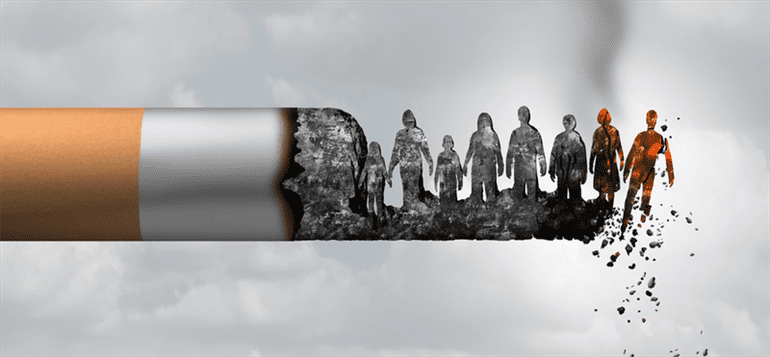
Heavy smoking and alcohol use
If you smoke heavily, you are at increased risk of developing Mouth cancer. The risk is particularly high in individuals who also drink heavily. When combined, these factors increase the risk of developing oral cancer by 50%. If you’re a smoker, the best thing you can do for your oral health is to quit. The sooner you quit, the better it is for your oral health. If you don’t have any intention of quitting, you should at least be careful about how and where you smoke. Avoid smoking in excessively dry areas, as this can lead to higher instances of oral cancer.
Exposure to radiation | Causes Oral Cancer
Radiation from sources such as X-rays, UV rays, and radioactive materials can increase your risk of developing oral cancer. There are certain professions in which individuals are routinely exposed to radiation, such as dentists and radiologists. If you work in any of these professions, you should be careful to avoid overexposing yourself to radiation. You should also think about wearing a mask to reduce your exposure.
History of HPV infection
Oral cancers are more common in people who have a history of HPV infection. This is because some types of the virus, such as HPV 16, are associated with higher rates of oral cancer. While there are vaccines that are designed to prevent HPV, they are not recommended due to the high risk of adverse reactions. If you already have HPV and you develop mouth cancer, it is likely that the infection is the cause. Fortunately, there are early signs and symptoms of oral cancer, so you can catch it early and get treatment.

Tips to reduce developing Oral Cancer
- Avoid smoking and heavy drinking if you are at risk of developing mouth cancer.
- Be careful when you are being treated with radiation, and wear a mask if you are being treated with radiation. Get regular dental check-ups to spot any signs of cancer early.
- Visit your dentist regularly to get a full oral screening and be checked for oral cancer.
- Get vaccinated against HPV if you think you are at high risk of infection.
- Protect your mouth with a daily oral rinse and floss regularly to remove the plaque that can develop into oral cancer.
Conclusion
Oral cancer can be associated with several preventable and non-preventable risk factors. Tobacco, alcohol, betel quid or areca nut, certain HPV infections, prolonged sun exposure to the lips, and a previous history of head and neck cancer can all increase risk. Avoiding tobacco and areca nut, limiting alcohol, protecting the lips from excessive sun exposure, and maintaining regular dental check-ups can help reduce risk and support better oral health. Any unusual or persistent change in the mouth should be checked by a dental or medical professional.
Frequently Asked Questions
What are some oral cancer causes?
Important risk factors include tobacco use, alcohol consumption, betel quid or areca nut chewing, certain high-risk HPV infections, prolonged sun exposure to the lips, and a previous history of head and neck cancer.
Does smoking increase the risk of oral cancer?
Yes. Both smoked and smokeless tobacco products increase the risk of cancers affecting the mouth and other parts of the head and neck.
Can alcohol cause oral cancer?
Alcohol is an established risk factor for oral and throat cancers, and the risk is higher when alcohol use is combined with tobacco.
Can HPV cause oral cancer?
Certain high-risk HPV infections, especially HPV-16, are strongly associated with oropharyngeal cancer. Persistent high-risk HPV infection can lead to cellular changes that may progress to cancer.
How can I reduce my risk of oral cancer?
Avoid tobacco and areca nut products, limit or avoid alcohol, protect your lips from excessive sun exposure, discuss HPV vaccination with your healthcare professional, and attend regular dental examinations.