
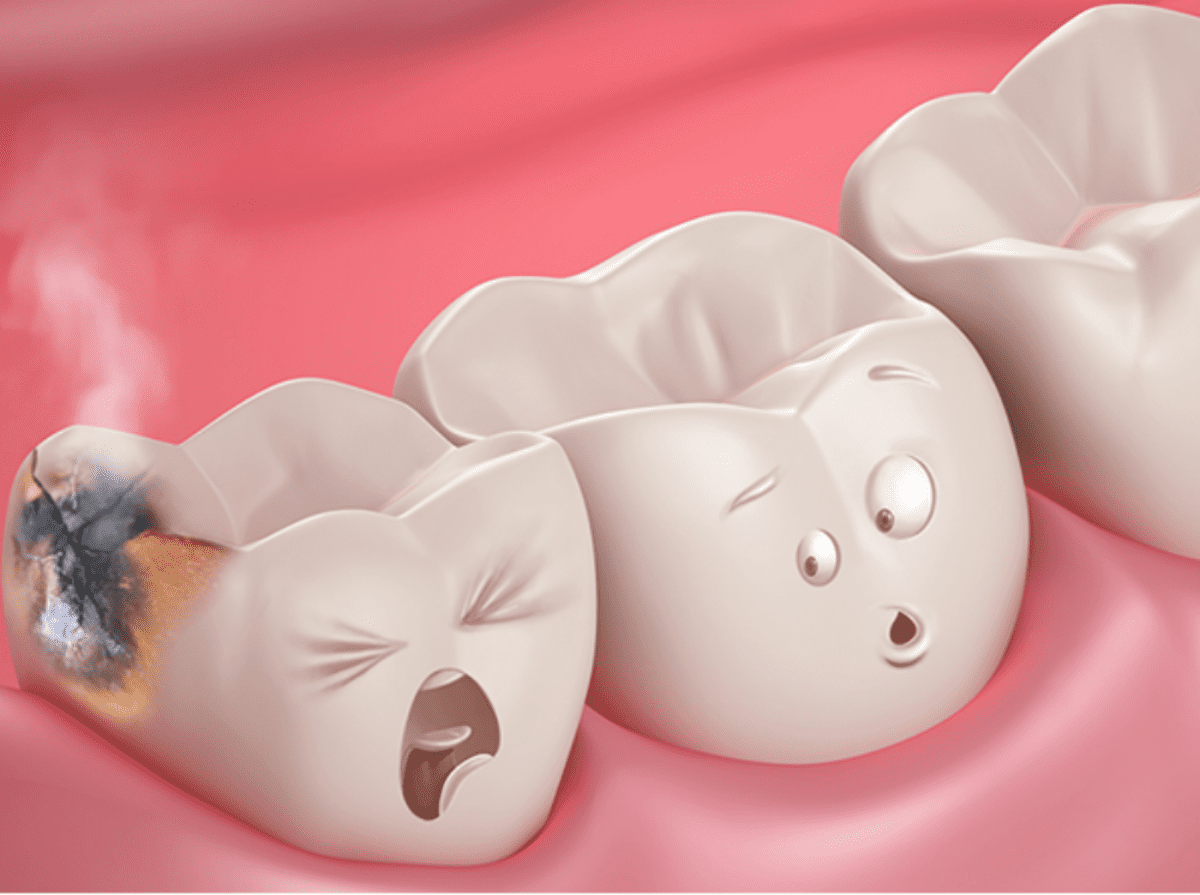
There is no guaranteed way to completely eliminate the risk of cavities throughout your life, but consistent preventive care can greatly reduce the chance of developing tooth decay. Cavities are influenced by factors such as oral bacteria, sugar consumption, fluoride exposure, saliva, oral hygiene, and individual cavity risk. Brushing twice a day with fluoride toothpaste, cleaning between the teeth daily, limiting frequent sugary foods and drinks, and maintaining regular dental visits are important steps for cavity prevention.
Cavities and tooth decay are painful and can be difficult to treat. It’s not uncommon for people to develop cavities or periodontal disease after an illness, surgery, or dental procedure. Even if you’s keep up on your regular dentist checkups, you can still get cavities and tooth decay. With preventative measures, though, you should never have to deal with these issues again. Here are several ways that you can prevent cavities and tooth decay forever. Of course! Visiting dentist for dental checkup helps.
Who Is This Article For?
- People who frequently develop cavities
- Patients looking for ways to prevent tooth decay
- Parents concerned about children’s cavities
- People with a history of dental fillings
- Anyone wanting to improve their daily oral hygiene
Brush and floss daily | Cavities prevention
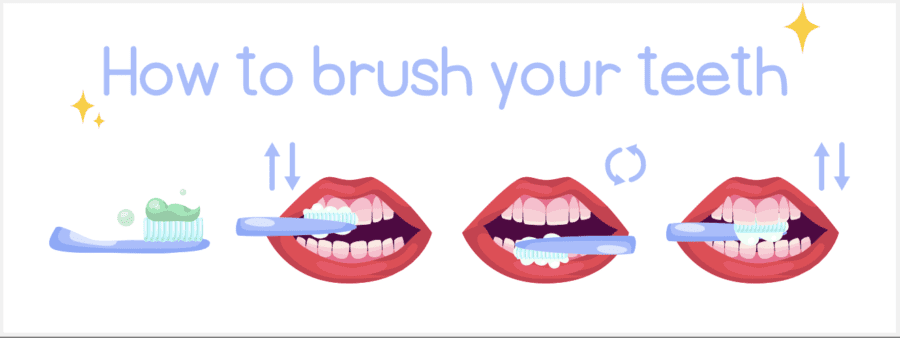
Brushing your teeth twice a day and flossing once a day can go a long way towards preventing tooth decay and cavities. When you brush your teeth, you remove plaque, which is bacteria that accumulates on your teeth and gums. If plaque isn’t removed, it can harden into tartar, which can cause holes in your teeth. This is where flossing comes in. While brushing cleans the tops of your teeth, flossing gets the areas in between your teeth that are otherwise inaccessible to the toothbrush.
Floss before you brush
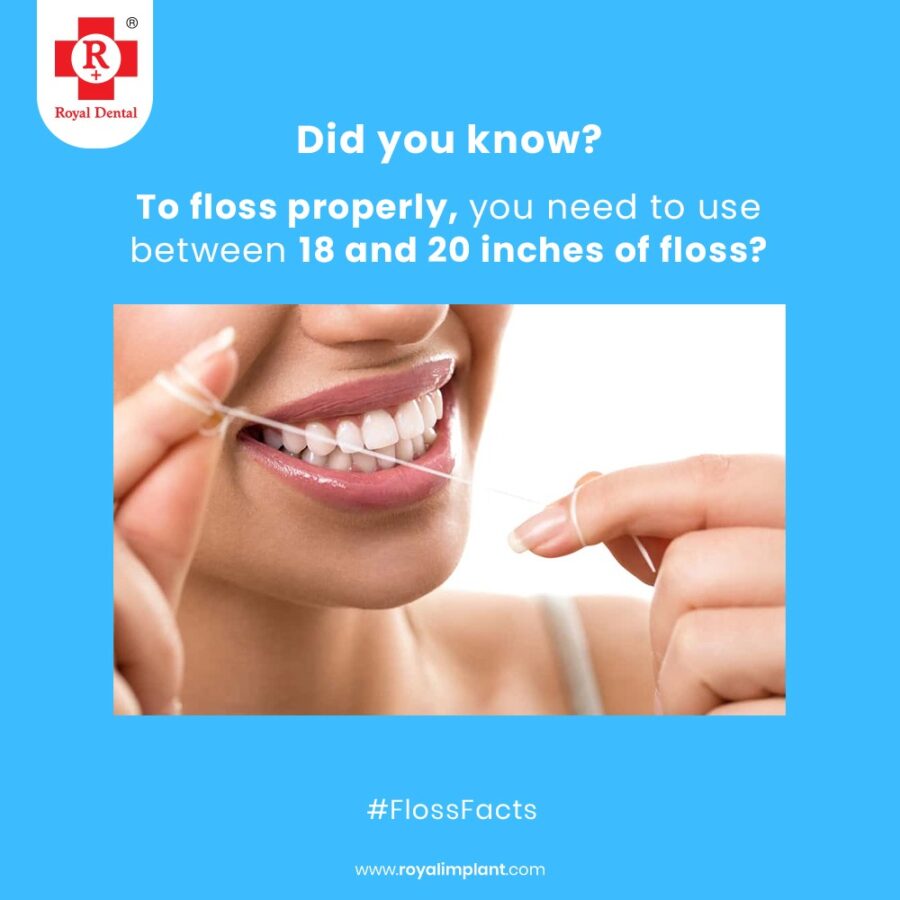
As we just said, flossing before brushing can be an extra level of protection against cavities and tooth decay. What happens when you don’t floss is that food particles get trapped between your teeth and gums, where they can cause cavities and gum disease. Brushing your teeth before you floss has one major advantage: the fluoride in your toothpaste will help neutralize any bacteria in your mouth, so it doesn’t get trapped between your teeth. This means that bacteria-fighting toothpaste can actually make flossing less effective.
Use mouthwash | Prevent cavities
Mouthwash can be an important aspect to preventing cavities and tooth decay. When used correctly, mouthwash can help kill bacteria in your mouth, as well as remove any deposits left by brushing and flossing. While there are many mouthwashes that promise to prevent cavities and tooth decay, there’s only one type of mouthwash that has been proven to work. When choosing the best mouthwash to prevent cavities and tooth decay, look for one that contains fluoride. Fluoride has been proven to prevent tooth decay, even in those who are undergoing orthodontic treatment.
Eat healthy foods
While brushing and flossing are important preventative measures, what you eat can also have a significant impact on your dental health. While certain foods can cause cavities and tooth decay, other foods can actually be good for your teeth. Foods that are high in calcium, for example, can strengthen your teeth. Beans, dairy products, granola, and sesame seeds are just a few examples of foods that contain calcium and can help prevent cavities.
Get regular dental checkups
As with many aspects of oral hygiene, a preventative measure that is often overlooked is the dental checkup. While you can certainly still get cavities and suffer from tooth decay even with regular dental checkups, you’ll notice the signs much sooner and can treat them more successfully. Normal dental checkups consist of taking an x-ray to examine your teeth, examining your gums, and cleaning your teeth. When you visit the dentist twice a year, you’ll be able to catch cavities and tooth decay in their early stages, before they are impossible to treat. That way, you can begin treatment immediately, instead of having to wait for your teeth to start hurting.
Conclusion
Cavities cannot always be prevented forever, but the risk can be greatly reduced with consistent dental care. Brushing twice daily with fluoride toothpaste, cleaning between your teeth, limiting sugary foods and drinks, drinking water, and maintaining regular dental visits can all help protect your teeth. Early detection is also important because some early tooth decay can be managed before a permanent cavity develops. Following a regular oral hygiene routine and getting personalised advice from your dentist can help keep your teeth healthy for many years.
Frequently Asked Questions
Can you prevent cavities forever?
There is no guaranteed way to prevent cavities forever, but maintaining good oral hygiene, using fluoride, limiting sugar, and visiting the dentist regularly can significantly reduce the risk.
What is the best way to prevent cavities?
Brushing twice daily with fluoride toothpaste, cleaning between your teeth daily, limiting sugary foods and drinks, and attending regular dental check-ups are among the most effective preventive measures.
Can fluoride stop cavities?
Fluoride helps strengthen enamel, promotes remineralisation, and reduces the risk of tooth decay. Your dentist may recommend additional fluoride treatment if you have a higher cavity risk.
Can early tooth decay be reversed?
Some early, non-cavitated tooth decay can be arrested or remineralised with appropriate preventive care. A physical cavity or hole generally requires professional restorative treatment.
How often should I visit a dentist to prevent cavities?
The appropriate frequency depends on your individual risk. Regular dental examinations allow your dentist to monitor your oral health and recommend a suitable preventive schedule.