
Over the years, I have had the privilege of caring for thousands of patients and their smiles. Each person brings a story, a set of fears, hopes, and transformations. In Treating A Thousand smiles, I’ve learned lessons far beyond just teeth and gums. Here are some of the deepest lessons and how they can apply not just to dentistry, but to life itself.
1. The Power of Listening
One of the first things I learned is that before you treat, you must listen. Patients often come in with anxiety, pain, or doubts. Taking the time to hear their concerns, histories, and fears builds trust. A person is more than their symptom.
When a patient feels heard, the treatment becomes a partnership, not a one-way prescription. I’ve seen dramatic improvements just because someone finally felt safe to share their worries.
2. Empathy and Compassion Matter
Technical skill is essential, but empathy is what makes care human. People often come to the dentist in pain, embarrassed, or fearful. If you respond with understanding, kindness, and patience, even difficult procedures feel less traumatic.
A gentle word, a calm tone, a reassuring touch these small acts often make as much difference as the dental work itself.
3. Prevention Is Far Better Than Cure
In thousands of smiles, the most satisfying ones are those that never needed major treatment. Helping someone avoid decay, gum disease, or structural damage through cleaning, education, and regular checks is more impactful and less painful than fixing big problems later.
I often say: invest early in oral health; it pays dividends in comfort, confidence, and cost.
4. Every Smile Is Unique
No two mouths are identical. What works beautifully for one patient may not be ideal for another. The shape of the jaws, gum contours, bite forces, color preferences all these vary.
One-size-fits-all solutions rarely deliver excellence. Customization, small adjustments, listening to feedback these are essential to getting a truly satisfying result.
5. Confidence Helps Treatment Succeed
Many patients hesitate or refuse certain procedures because they fear pain, cost, or failure. As a clinician, I learned that how confidently I explain and stand behind a solution matters. If I waver, their trust may falter.
When I say, “This is what I’d recommend if you were my family member,” it gives clarity. It helps patients commit, and our shared goal becomes more real.
6. Systems Are Just as Important as Skills
You could be the most brilliant dentist, but if your systems are chaotic appointments constantly overlapping, supplies missing, staff confused patients notice. They feel frustrated.
Over time, I realised that refining scheduling, sterilization protocols, record-keeping, staff roles, and communication was as crucial as polishing my hands-on dentistry. A strong system supports excellence.
7. Never Stop Learning
Dental science, materials, techniques, technology everything evolves. What was state-of-the-art ten years ago may now be outdated.
Every case taught me humility: there is always more to learn. I read journals, attend workshops, experiment carefully, and learn from mistakes. A fixed mindset kills growth; a learner’s mindset keeps me fresh.
8. Value Is More Than Price
Some patients focus only on cost. But in my experience, they who understand value durability, comfort, aesthetics, long-term health choose more wisely. When you deliver results reliably, word spreads.
So often, someone who chose a cheap short-term fix ends up paying more later. Educating patients about quality, longevity, and how parts of treatment interconnect is a service in itself.
9. Be Humble about Outcomes
Sometimes, despite best efforts, results fall short. Healing doesn’t always follow textbooks. Gums recede, bones don’t regenerate as hoped, patients’ habits interfere.
I have learned to manage expectations, communicate openly, and accept that some variables lie outside my control. Humility keeps credibility.
10. Patients Teach Me More Than I Teach Them
I once thought I was the expert dispensing knowledge. But over time, I realized I learn from patients just as much. Their courage facing pain, their resilience, their gratitude they bolster my sense of purpose.
Some bring insights, ask questions, push me to explain better. That challenges me to be clearer, kinder, and more conscientious.
11. Celebrate Small Wins
Restoring a full set of teeth is glorious, but small improvements also matter: relieving pain, fixing one cavity, improving gum health, returning a patient’s ability to chew comfortably.
I’ve learned to pause, acknowledge, and celebrate these everyday victories. They sustain motivation through long, difficult days.
12. Integrity Builds Reputation
In thousands of treatments, I’ve seen how important trust is. If you cut corners, recommend unnecessary treatment, or overpromise, patients perceive it (often subtly) and lose faith.
When you act with honesty, even when it means turning away business or admitting limitations, you build loyalty. Your reputation becomes your greatest asset.
13. Communication Is a Skill
Explaining procedures, risks, benefits, aftercare this must be done in clear, non‑technical language. Use diagrams, models, photos. Encourage questions.
Patients remember what they understood (or misunderstood), not what you said in jargon. I’ve often rephrased explanations until something “clicked” for them. That moment is gold.
14. Well‑Being of the Provider Matters
You can’t pour from an empty cup. Overwork, stress, burnout hurt both your health and patient care. In caring for thousands of smiles, I’ve had seasons where I neglected my own rest, nutrition, mental health and the quality of care suffered.
I learned to schedule breaks, delegate, rest, reflect, and recharge. A rested clinician serves better.
15. The Ripple Effect of a Smile, Treating A Thousand Smiles
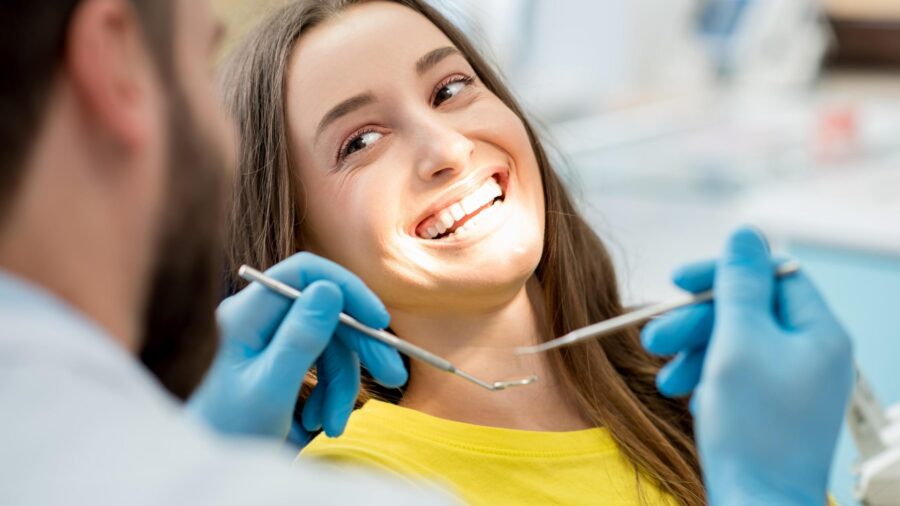
Lastly, I learned that a restored smile doesn’t just change a mouth it changes a life. Confidence blooms. Social interactions change. People smile more. They feel better about themselves. That has impact in families, workplaces, relationships. When someone writes saying they “finally feel like a person again,” or their children stop being embarrassed, that reward is beyond measure.
Treating thousands of smiles has taught me that dentistry is more than mechanical work it is human work. The drills, materials, and techniques matter, but what matters more is empathy, communication, systems, integrity, and continuous learning. Each patient is a person first with fears, hopes, stories. When we see them like that, we do more than fix teeth: we restore dignity, confidence, and health. And in the process, we become better clinically, personally, morally.
Medical Disclaimer
This article is for patient education only. Dental treatment should be planned after clinical examination, medical history review, and X-rays or scans where required. Treatment suitability, cost, timeline, healing, and results vary from patient to patient.