

Sugar does not damage a tooth simply by touching it. The problem begins when bacteria in dental plaque use sugars and other fermentable carbohydrates from food and drinks. These bacteria produce acids that temporarily lower the pH inside the mouth and remove minerals from the tooth enamel. Saliva can neutralise these acids and help the enamel recover. However, when a person repeatedly consumes sweets, biscuits, sugary tea, packaged juices, soft drinks or other sweetened products throughout the day, the teeth experience frequent acid attacks. Over time, repeated demineralisation can result in dental cavities. The impact of sugar on oral health intake is directly linked to teeth and gums. From tooth decay to gum disease, sugar impacts oral health.
The frequency of sugar consumption can therefore be as important as the total quantity consumed. Finishing a sweet food with a meal is generally less harmful than sipping or snacking on sugary products repeatedly between meals. This article explains the impact of sugar on oral health, how sugary foods and drinks contribute to tooth decay, and practical ways to protect your teeth without necessarily eliminating every sweet food from your diet.
How Sugar affects Teeth and Gums?
Sugar is often referred to as “unnatural” because, unlike other nutrients and minerals, our bodies do not produce it. Our teeth are porous and, when exposed to sugar, bacteria in our mouths use it as a food source. This causes tooth decay, cavities, and, if untreated, tooth loss. Our gums are also negatively impacted by sugar. This is because gum tissue is porous and can be easily infected.
When there are bacteria in the mouth, the increased levels of sugar feed those bacteria, which is then excreted into the gums. With time, this can worsen and lead to periodontal disease. Gum disease is one of the most common oral health concerns related to sugar. The bacteria that feed on the sugar can cause inflammation in the gums, which can lead to periodontal disease.
Cavities: Common sugar-related Oral Health issues
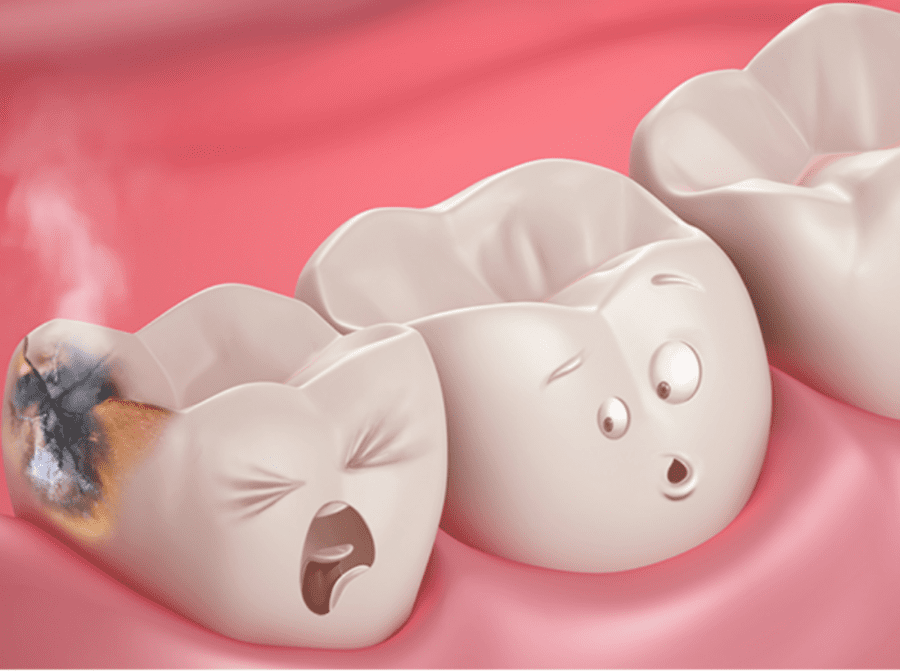
One of the most common issues associated with sugar and oral health is tooth decay, or cavities. If a person consumes too many sugary foods or drinks, their teeth have a greater chance of developing cavities. This is because excess sugar in the mouth provides a food source for cavity-causing bacteria. The bacteria break down the sugar into harmful acid that damages tooth enamel, eventually leading to cavities.
Therefore, keeping sugar away from teeth is key in preventing them from developing cavities. Unfortunately, many people don’t recognize that sugar is harmful to teeth. This is especially common in children and adolescents, who might not understand the long-term impacts of sugar on oral health. Cavities are the most common sugar-related oral health issue, and they can appear at any age.
Gum Disease: Another way Sugar damages Oral Health
Another way that sugar can negatively impact oral health is through gum disease, which is also referred to as a periodontal disease. When bacteria in the mouth feed on sugar, they excrete toxins that can damage gum tissue. This can lead to gingivitis, which is the early stage of gum disease.
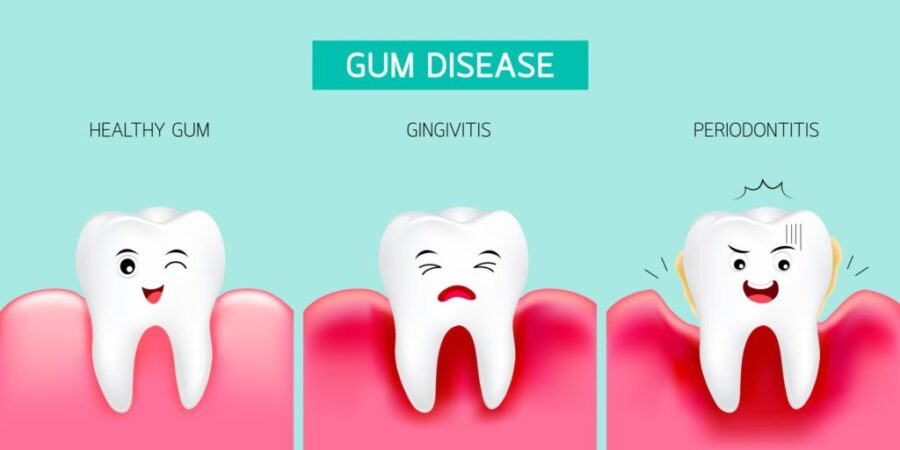
If left untreated and worsened, gingivitis can eventually worsen and become a periodontal disease. Gum disease can lead to tooth loss, which is why it’s extremely important to prevent the condition. This can be done by reducing the amount of sugar in the diet. However, sugar isn’t the only cause of gum disease. A variety of factors can contribute to it, including stress, genetics, and smoking.
The link between sugar and Bad Breath
Excess sugar intake can not only cause cavities and gum disease, but it can also lead to bad breath. That’s because bacteria that cause tooth decay also feed off of the food particles in saliva, which can lead to bad breath. Therefore, reducing the amount of sugar in the diet can help reduce the presence of bacteria in the mouth, which can reduce bad breath. Besides reducing bad breath, cutting down on excess sugar intake can protect oral health. That’s because it can help prevent cavities, as well as the condition that leads to tooth loss: gum disease.
Other Oral Health issues related to sugar
Besides cavities and gum disease, other oral health issues can be caused by consuming too much sugar. These include:
- Dry mouth, which can lead to increased teeth sensitivity, and tooth erosion.
- Bad breath isn’t the only oral health issue associated with sugar.
- Unstable Blood Glucose: Excessive swings in blood glucose levels can make people feel tired and unwell.
- Obesity, Heart Disease, Cancer, and Diabetes
- Immune Function: Research has suggested that sugar interferes with healthy immune function.
- Ageing Acceleration: Excessive sugar consumption may contribute to sagging and wrinkling skin.
- Stress and Anxiety!
Tips for Reducing Sugar intake to protect Oral Health
There are many ways to reduce the amount of sugar in your diet. Substituting sugary foods and drinks with those that contain less, or no, sugar is one option. Eating more fruits and vegetables, which don’t have added sugar, is another. Another way to cut down on sugar is to read food labels. If a food item has added sugar in it, there will be a nutrition label that lists it.
It’s Not Just Volume – It’s About Timing
- Watch what you are consuming
- Read the label
- Ease into it
- Embrace the savoury
- Think about the benefits
If you can’t fight the cravings for your favorite soft drink or sugary snack, the best thing you can do for your teeth is to enjoy it quickly. The sooner you finish it, the sooner your saliva or the water you drink afterwards can help wash away remnants of the sugars to deprive bacteria from their sustenance.
Conclusion
Sugar can contribute to tooth decay because plaque bacteria convert fermentable carbohydrates into acids that weaken tooth enamel. The risk becomes greater when sugary foods and drinks are consumed frequently, remain around the teeth for prolonged periods or are taken between meals. Protecting your teeth does not always require completely avoiding sugar. More practical steps include limiting the number of sugar exposures during the day, having sweets with meals, avoiding prolonged sipping, drinking water afterwards and checking packaged foods for added sugars.
Brushing twice daily with fluoride toothpaste, cleaning between the teeth and attending regular dental examinations remain essential. Fluoride helps make enamel more resistant to acid attack, but it cannot repair a cavity that has already progressed significantly. White spots, food lodgement, sensitivity, toothache or visible holes may indicate developing tooth decay. Early assessment may allow the dentist to manage the problem more conservatively. Delaying treatment can allow decay to reach the dental pulp, potentially requiring root-canal treatment or extraction.
Frequently Asked Questions
1. How does sugar cause tooth decay?
Bacteria in dental plaque use sugars and other fermentable carbohydrates as an energy source. During this process, they produce acids that remove minerals from tooth enamel. Repeated acid attacks can eventually form a cavity.
2. Is the amount or frequency of sugar more harmful?
Both matter, but frequency is particularly important. Every sugary snack or drink can initiate another period of acid activity. Repeated sipping or snacking gives the teeth less time to recover between exposures.
3. Is it better to eat sweets with a meal?
Generally, yes. Saliva production usually increases during meals and helps clear food particles and neutralise acids. Eating a sweet with a meal is usually preferable to consuming small amounts repeatedly throughout the day.
4. Does tea or coffee with sugar affect the teeth?
Yes. The risk increases when sweetened tea or coffee is consumed repeatedly or sipped slowly over a long period. Reducing the added sugar and avoiding prolonged sipping can lower the frequency of acid attacks.
5. Are jaggery, honey and brown sugar safer for teeth?
No form of added sugar should be considered harmless to teeth. Plaque bacteria can use sugars found in jaggery, honey, brown sugar and refined sugar. Natural or traditional labelling does not automatically make a sweetener tooth-friendly.
6. Are fruits harmful because they contain sugar?
Whole fruits also provide water, fibre and nutrients and are generally preferable to sweets or sugary drinks. Fruit juices, concentrates and dried fruits expose the teeth to sugar differently and may be more cariogenic when consumed frequently.
7. Can sugar-free soft drinks still damage teeth?
Yes. A beverage can be sugar-free but still acidic. Frequent consumption of acidic soft drinks can contribute to dental erosion, which is different from bacterial tooth decay. Water remains the safest regular drink for teeth.