
BBad breath, medically known as halitosis, is a common oral health concern. It can be caused by something as simple as eating strongly flavored foods, but persistent bad breath may also be linked to plaque buildup, gum disease, tooth decay, dental infection, dry mouth or certain medical conditions. Identifying the underlying cause is important because treating the cause is usually more effective than simply masking the odor.
Who Is This Article For?
- People experiencing persistent bad breath
- Patients concerned about bad breath from the mouth
- People with bleeding or swollen gums
- Patients with tooth decay or dental infections
- People experiencing dry mouth
- Anyone looking for ways to prevent bad breath
- Patients wondering when bad breath requires a dental check-up
What is the cause of Bad Breath?
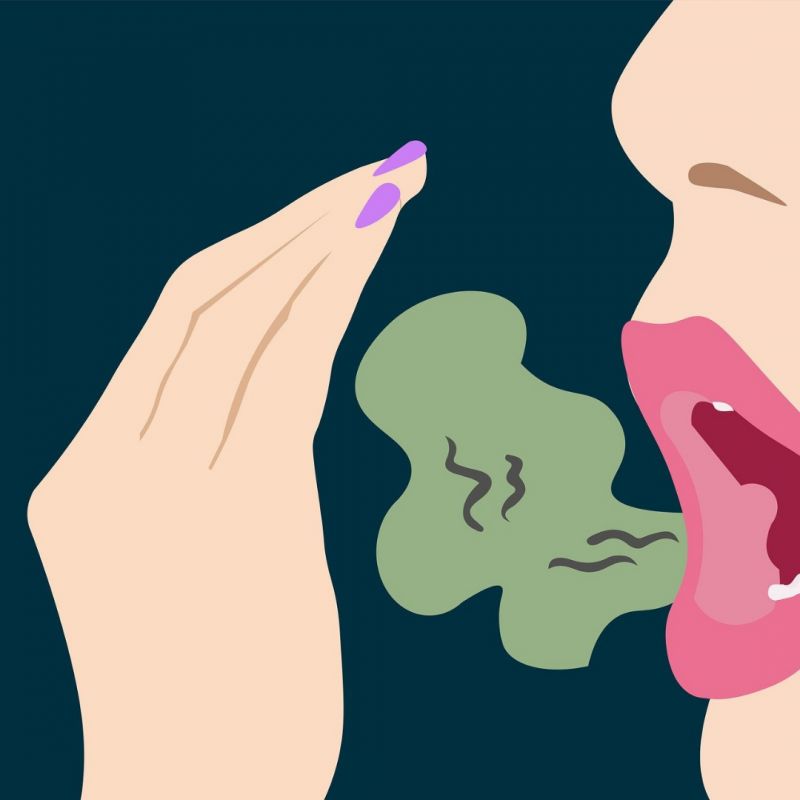
Bad breath is caused by bacteria that is growing in your mouth and releasing toxic gases such as sulphur compounds, ammonia and methyl mercaptan. These cause the stinky smell that you are so familiar with. Certain foods and drinks can alter the pH level in your mouth, which in turn can be a cause of bad breath.
Some of these foods and drinks include:
- Certain foods like coffee, tea, cola – which are very acidic and worsen the smell of your breath.
- Dairy products such as milk, cheese or yoghurt – contain lactic acid which can also cause foul smell.
- Vegetables like cauliflower, broccoli and sprouts – contain sulphur that can cause foul breath.
- If you don’t brush and floss daily, food particles remain in your mouth, causing foul breath.
- Poor oral health and hygiene habits.
- Improper cleaning of dentures or Periodontal disease.
- Dry mouth or Xerostomia.
- Tobacco products.
- Seasonal allergies.
- Respiratory tract infections such as pneumonia.
- Diabetes or Gastrointestinal issues.
A build-up of bacteria in the mouth
Bad breath can also be caused by a build-up of bacteria in your mouth, including bacteria that causes cavities and gum disease. When you don’t clean your teeth regularly and don’t floss, plaque, the sticky substance that’s made up of bacteria, food debris, and minerals salts, can build up on your teeth and gums, causing bad breath. If you don’t treat the plaque, it can harden into tartar, which is very difficult to remove. If left untreated, plaque and tartar can cause gum disease and tooth decay.
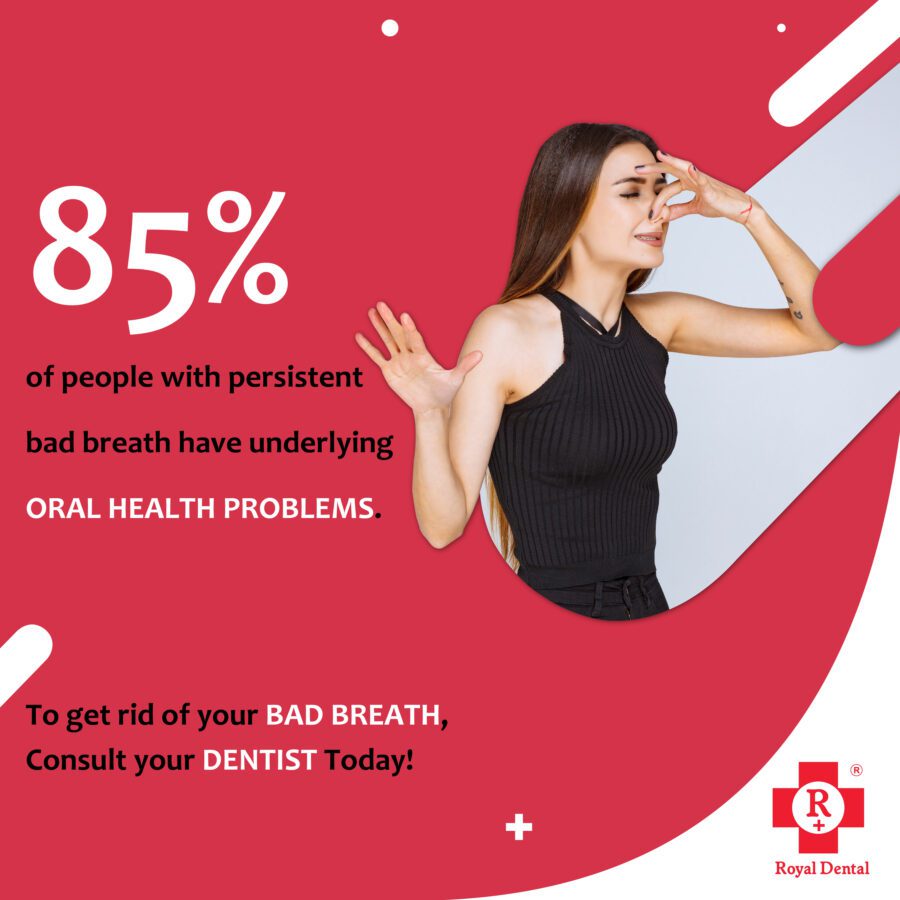
Foul breath can also be caused by a growth of bacteria on your tongue. If you have a build-up of bacteria on your tongue, you might notice a black coating on it. This can lead to a bad taste in your mouth, especially after eating. Bad breath can also be caused by the food you eat or have eaten hours ago. Food stuck between your teeth can also lead to bad breath. Certain foods, like onions and garlic, can sit in your mouth for hours, causing bad breath.
Dry mouth causes Bad breath
Bad breath can also be caused by dry mouth, which is also known as xerostomia. If you don’t produce enough saliva, bacteria in your mouth will multiply, causing bad breath. Bad breath caused by dry mouth can also be accompanied by a tingling or a burning sensation.

A common cause of dry mouth is Sjogren’s Syndrome, a condition that causes the shrinkage of the salivary glands. Other causes of dry mouth include certain medications, certain underlying medical conditions, radiation or chemotherapy for cancer, and certain diseases or illnesses that affect the throat or mouth.
Tumours in your mouth
Bad breath can also be caused by tumors in your mouth. Some types of cancers that can cause bad breath include tonsil cancer, cancer of the tongue and mouth cancer. Bad breath can also be caused by a gum infection or gum disease. If you have a gum infection, it can spread to your teeth. The bacteria can enter your bloodstream and spread throughout your body.
Oral Hygiene mistakes you may be making
Bad breath can also be caused by certain oral hygiene mistakes such as not brushing or flossing your teeth correctly, or not changing your toothbrush often enough. When you don’t brush your teeth, you allow bacteria to grow in your mouth, causing bad breath. Brushing your teeth at least twice a day, including the tongue, can help prevent foul breath. You should also replace your toothbrush every three months.
It can also be caused by not drinking enough water, which can lead to dry mouth. Not drinking enough water can also cause bad breath because it doesn’t wash away bacteria and particles in your mouth. Bad breath can also be caused by putting your fingers in your mouth. Many people put their fingers in their mouth to scratch their gums. This can spread bacteria from your gums to your teeth and cause bad breath.
Conclusion
Bad breath, or halitosis, can have many causes, but persistent bad breath is often associated with oral problems such as plaque buildup, tongue bacteria, gum disease, tooth decay or dental infection. Dry mouth, smoking, certain foods, fasting, acid reflux and some medical conditions can also contribute. Good oral hygiene can help prevent many cases, but persistent bad breath should not simply be masked with mints or mouthwash. Identifying and treating the underlying cause is the most effective approach.
Frequently Asked Questions
What causes bad breath?
Bad breath can be caused by plaque, bacteria on the tongue, gum disease, tooth decay, dental infection, dry mouth, smoking, certain foods and drinks, fasting, tonsillitis and acid reflux.
What is the most common cause of bad breath?
Many cases originate in the mouth and are associated with bacterial activity, plaque, tongue coating, gum disease or other oral conditions.
Can bad breath come from the stomach?
It can be associated with conditions such as acid reflux, but persistent oral malodor is frequently related to oral causes. A dental examination is therefore an appropriate first step for ongoing bad breath.
Can cavities cause bad breath?
Yes. Tooth decay and dental infections can contribute to unpleasant breath.
Can gum disease cause bad breath?
Yes. Gum disease can contribute to persistent bad breath, particularly when plaque and bacteria accumulate around the gums.
Does mouthwash permanently cure bad breath?
Not necessarily. Mouthwash may help control or temporarily mask bad breath, but it does not replace brushing, interdental cleaning or treatment of an underlying dental condition.
How do I get rid of bad breath naturally?
Start with evidence-based oral hygiene: brush twice daily with fluoride toothpaste, clean your tongue, clean between your teeth daily, stay hydrated and avoid tobacco. If bad breath persists, see a dentist.
When should I see a dentist for bad breath?
If bad breath continues for several weeks despite good oral hygiene, or if you also have bleeding or swollen gums, toothache, loose teeth or other dental symptoms, arrange a dental examination.