

If your teeth hurt when you eat sweets, you may wonder whether sugar itself is causing the pain. Usually, sugar is triggering sensitivity in a tooth that already has an underlying problem rather than directly causing sudden pain in a healthy tooth. Tooth decay, exposed dentin, enamel loss, gum recession and other dental conditions can make teeth sensitive to sweet foods and drinks. Understanding the cause of the sensitivity is important because persistent pain may require dental treatment rather than simply avoiding sugar.
Sugary foods and drinks contain fermentable carbohydrates. When fermentable carbs mix with harmful bacteria that live in the mouth, acid is produced. Unless the acid is rinsed or brushed away, it removes minerals from tooth enamel, causing erosion to occur.
Who Is This Article For?
This article is useful for:
- People whose teeth hurt after eating sweets or sugary foods
- Patients experiencing sensitivity to cold, hot or sweet foods
- People wondering whether sugar is causing their tooth pain
- Patients with suspected cavities or enamel damage
- Anyone looking for ways to reduce tooth sensitivity and protect their teeth
What is the Sugar and Teeth connection?
When we consume sugar, bacteria in our mouths feed on it, creating acids in the process. These acids can erode tooth enamel and cause tooth decay, which may lead to cavities. Tooth decay and cavities can cause toothache, especially if the decay is left untreated. If a cavity gets large enough, it can even lead to the tooth being extracted.
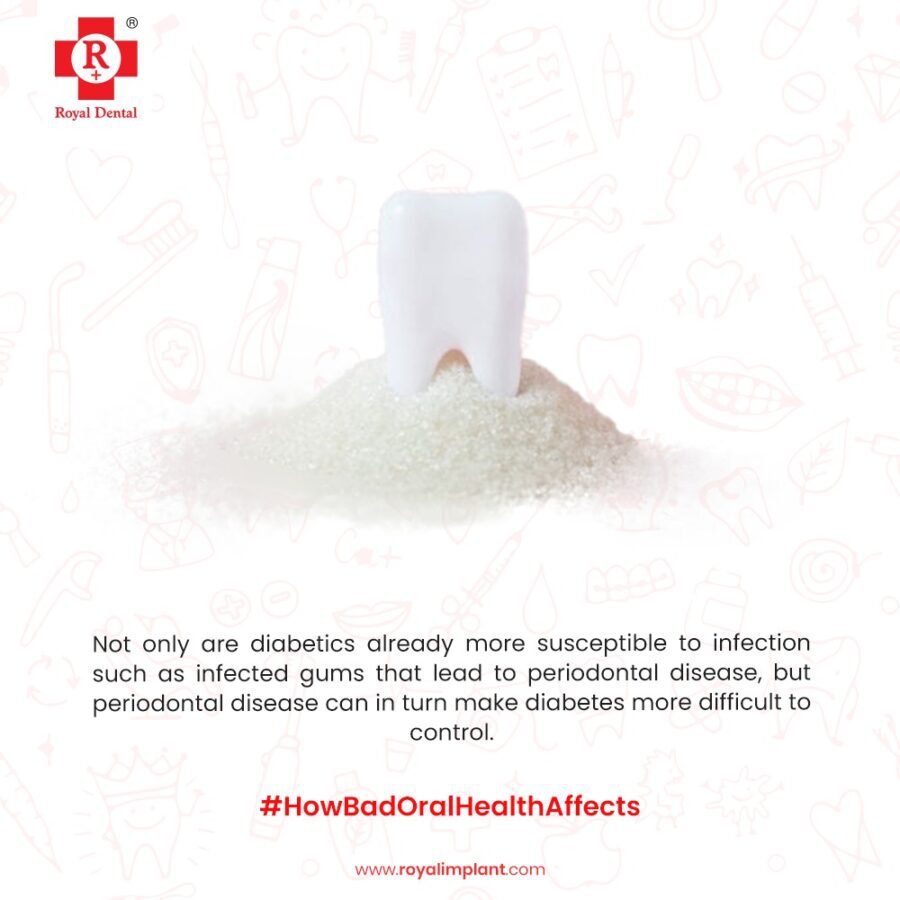
Sugar has also been shown to increase the risk of gum disease, which can lead to more serious health concerns, such as heart disease and diabetes. Sugar can also cause a sudden and temporary toothache, which is known as “sugar sensitivity.”
Does sugar create an effect of Teeth Hurt?
Sugar can erode tooth enamel over time, so even just one spoonful can cause damage to our teeth hurt. This can lead to more serious dental issues, such as tooth decay and cavities. If left untreated, these issues can lead to toothache. However, even if we manage to avoid any serious dental problems, sugary foods and drinks can still cause temporary tooth pain. If the enamel on our teeth becomes eroded, the structure of the tooth can change. The dentin, which lies beneath the enamel, can become exposed. This can cause a toothache, known as “sugar sensitivity”.
How can we prevent Toothaches caused by sugar?
To prevent tooth decay and tooth sensitivity caused by sugary foods and drinks, we should take care to brush and floss regularly. We should also avoid drinks and snacks that contain added sugar, such as sugary soft drinks and candy. If we have cavities, we should visit the dentist to have them treated.
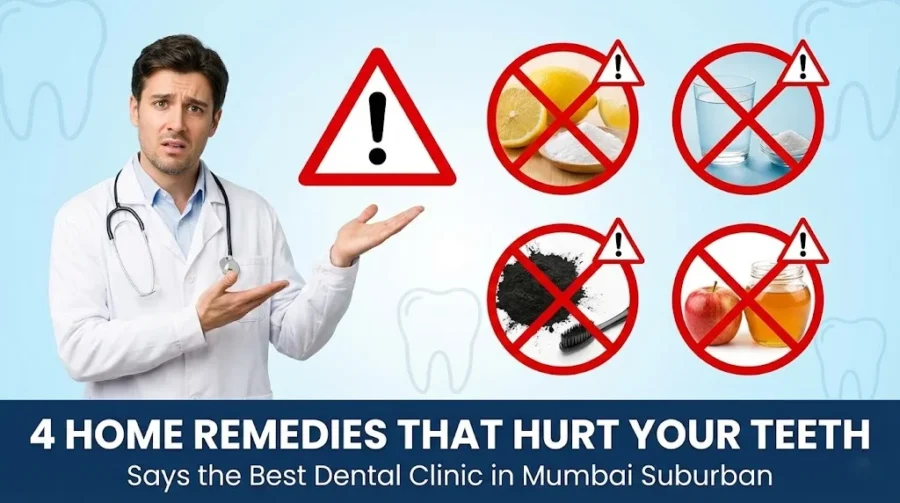
If we have tooth sensitivity, we should visit a dentist to have the enamel on our teeth polished. While we can’t completely eliminate sugar from our diets, we can limit the amount we consume. We can do this by swapping sugary foods and drinks for healthier alternatives, such as water and herbal teas. This will help us reduce our sugar intake, which can help protect our teeth from harmful bacteria.
Link between Diet and Dental Health
While we can’t completely eliminate sugar from our diets, we can limit the amount we consume. We can do this by swapping sugary foods and drinks for healthier alternatives, such as water and herbal teas. This will help us reduce our sugar intake, which can help protect our teeth from harmful bacteria. This doesn’t mean that we should completely avoid sugar, though.
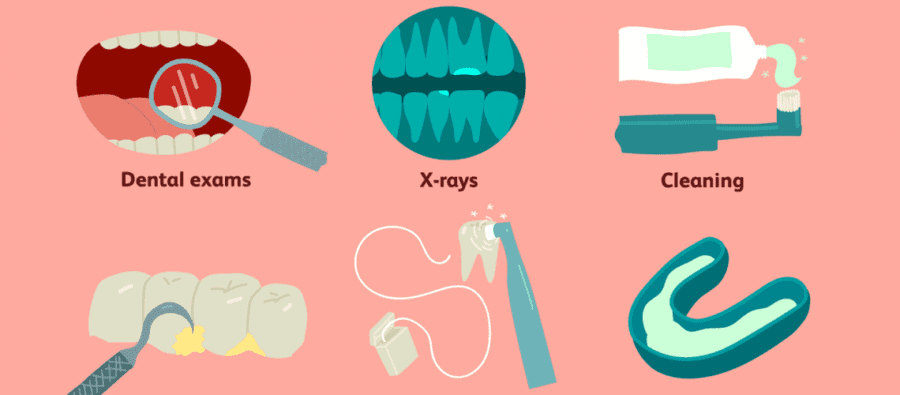
Sugars occur naturally in many different foods, such as fruits, vegetables, and dairy products. These “good” sugars can actually help to strengthen our teeth hurt. Therefore, it’s important to not completely eliminate sugar from our diets but to make sure we’re eating the right types of sugar. Foods high in “good” sugars can also help to strengthen our teeth and protect them from harmful bacteria.
Sugar Substitutes: Will they not cause Teeth Hurt?
Regular table sugar is harmful to our teeth, but many people believe that sugar substitutes are better for dental health. Are these claims true? Unfortunately, the link between diet and dental health doesn’t end with “good” sugars. Sugar substitutes are harmful to our teeth, and can lead to tooth decay and cavities. Furthermore, sugar substitutes can also cause tooth sensitivity, which can lead to toothache.
Sugar substitutes can also cause cavities because bacteria in our mouths feed on the chemicals used in the substitutes. Therefore, it’s important to protect our teeth by chewing sugar-free gum, brushing and flossing regularly, and visiting the dentist when we notice any issues.
Teeth that are damaged or sensitive may hurt when you eat or drink a sugary substance. Heightened tooth sensitivity can be caused by dental conditions such as enamel loss and cavities. Taking care of your teeth can help keep them healthy and less sensitive to stimuli, such as sweet foods.
Conclusion
The toothache-sugar connection is real, which is why it’s important to be aware of the damage that sugar can cause to our teeth. To prevent tooth decay and sensitivity, we should avoid sugary foods and drinks. We can do this by eating whole foods and drinking water instead of sugary drinks. We should also visit the dentist regularly to have our teeth checked for signs of damage, and to have any cavities treated.
Frequently Asked Questions
1. Why do my teeth hurt when I eat sugar?
Sugar can trigger pain when a tooth already has an underlying problem such as tooth decay, exposed dentin, enamel loss or another form of sensitivity. Advanced tooth decay can cause sensitivity to sweets, hot and cold foods.
2. Does sugar cause sensitive teeth?
Sugar does not normally make a healthy tooth suddenly sensitive. However, frequent sugar exposure can contribute to tooth decay, which can eventually make a tooth sensitive to sweets.
3. Why does one tooth hurt when I eat sweets?
Pain isolated to one tooth may indicate a localized problem such as a cavity, crack, restoration problem or exposed dentin. A dental examination can identify the cause.
4. Should I stop eating sugar if my teeth hurt?
Reducing sugary foods and drinks—particularly frequent between-meal exposure—is beneficial for your teeth. You do not necessarily need to eliminate every source of sugar, but persistent sensitivity should be evaluated.
5. Can sugar sensitivity be treated?
Yes. Treatment depends on the cause and may involve preventive fluoride care, desensitizing measures, a filling, treatment of gum-related problems, root canal treatment or another procedure.