

Important dental decisions do not always begin in the dental clinic. A conversation with a partner, parent, child or friend may encourage someone to seek advice about pain, difficulty chewing, missing teeth or another long-standing concern. Loved ones can provide reassurance, accompany the patient to an appointment and help them ask questions. However, support should never become pressure to undergo cosmetic or extensive dental treatment. The final decision should reflect the patient’s own health needs, preferences and informed consent.
The emotional side of Dental Care
Dental problems are rarely just about teeth. Missing teeth, worn enamel, or visible damage can slowly affect how people feel about themselves. Over time, many people begin to:
- Avoid smiling in photos
- Speak carefully or cover their mouth while talking
- Laugh less openly in social settings
- Postpone dental visits out of fear or uncertainty
These habits often develop gradually. Some patients may gradually change how freely they smile or interact. It is often the people closest to them who notice first. A loved one might gently point out that they deserve to feel confident again, or encourage them to explore treatment options.
Encouragement helps patient feel supported when seeking advice.
For some people, the biggest obstacle to dental care is hesitation. Concerns about cost, fear of treatment, or simply being busy with daily responsibilities can delay necessary care for years. Support from loved ones can make a significant difference. Encouragement helps patients:
- Overcome dental anxiety
- Feel supported during treatment decisions
- Stay motivated throughout the treatment process
- Encouragement may help patients feel supported when seeking professional advice
At Royal Dental Clinic, it is common to see patients arrive for consultations with a partner or family member. That support often helps them feel more comfortable asking questions and understanding their options.
When oral health affects everyday life
- Eating certain foods comfortably
- Speaking clearly in conversations
- Smiling freely in social or professional settings
- Maintaining confidence in public interactions
Loved ones often notice these changes. Their encouragement usually comes from a place of care and concern, hoping to help the patient regain comfort and confidence.
Children often inspire parents for dental decisions
Children can sometimes be the most honest motivators for change. Parents who teach their children about brushing, flossing, and visiting the dentist regularly sometimes realise they have neglected their own oral health. A simple question from a child can spark reflection and action. Many parents choose to improve their own dental health so they can lead by example. This may encourage parents to arrange a dental check-up and understand whether any care is required.
Partners encourage confidence in decisions
Partners and spouses also play an important role in motivating dental decisions. Often, they are the first to notice when someone feels self-conscious about their smile. Their encouragement is rarely about appearance alone. It is about helping someone they care about feel comfortable, confident, and healthy. Sometimes a simple suggestion such as “Why don’t we schedule a consultation?” becomes the turning point that leads to meaningful change.

Friends and shared experiences
Friends who have had positive dental experiences can also inspire others to seek treatment. Hearing someone say that their dental procedure was easier or more comfortable than expected can help reduce fear. Personal recommendations often make dental care feel less intimidating and more approachable. These shared experiences help patients realise that modern dentistry has evolved significantly.
Family members and friends can provide valuable emotional and practical support, but the decision to undergo dental treatment belongs to the patient. Encouragement should not become pressure, criticism or repeated comments about someone’s appearance. A helpful approach is to listen to the person’s concerns, offer assistance in arranging a consultation and support them in asking questions. Except where a legal guardian is required, the patient should decide whether to proceed after understanding the diagnosis, available alternatives, costs, risks and expected treatment timeline.
Modern dentistry makes treatment decisions easier
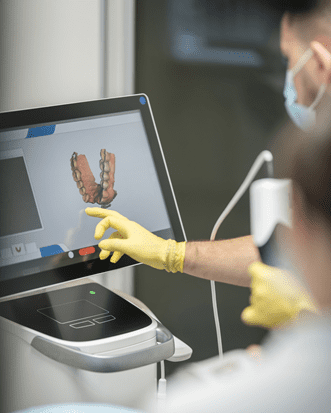
Advancements in dental technology have made treatments more comfortable and predictable than ever before. At Royal Dental Clinics, now in Jaipur too, modern tools such as digital diagnostics, advanced imaging, and precise treatment planning allow dentists to design treatments that are both effective and patient-friendly. These technologies help ensure:
- Accurate diagnosis
- Comfortable procedures
- Efficient treatment timelines
- Natural-looking results
Knowing that treatment is carefully planned and designed for comfort often reassures patients who may have delayed dental care for years.
The moment confidence returns
One of the most meaningful moments in dentistry happens when patients see their restored smile for the first time. But the reaction from loved ones is often just as powerful. Family members notice changes quickly. Patients begin to:
- Smile more freely
- Speak with greater confidence
- Enjoy social situations again
- Feel more comfortable in everyday interactions
What started as encouragement from someone close became a transformation that improves daily life.
Taking the first step toward a healthier smile
If you have been postponing dental care, the motivation to act often comes from the people who care about you most. A healthy smile is not only about appearance. It supports comfort, confidence, and long-term wellbeing. At Royal Dental Clinics, every smile restoration begins with understanding the patient’s concerns and goals. With modern technology and personalised care, treatments are designed to restore both oral health and self-confidence. Sometimes the most important step toward a better smile starts with a simple conversation and the encouragement of someone who wants to see you smile again.