

Whether wisdom teeth should be removed or saved depends on their position, function, oral hygiene, symptoms and overall health. A wisdom tooth that is healthy, functional and easy to keep clean may not need extraction, while an impacted, infected, decayed or damaging wisdom tooth may benefit from removal. Your dentist or oral surgeon can evaluate the tooth clinically and with appropriate imaging before recommending extraction or monitoring.
Who Is This Article For?
- People wondering whether wisdom teeth should be removed
- Patients with impacted wisdom teeth
- People experiencing wisdom tooth pain
- Patients who have been advised extraction
- People with healthy, symptom-free wisdom teeth
- Teenagers and young adults concerned about future wisdom tooth problems
- Patients deciding between extraction and monitoring
What are Wisdom Teeth?
Wisdom teeth, also referred to as third molars, refer to the last set of molars that tend to appear in the mouth when people are between 17 and 25 years old. Third molars naturally grow in the top and bottom rear of your mouth. Since the jaw is not fully developed when wisdom teeth come in, the tooth roots are not able to grow straight. This causes them to become blocked and impacted, causing different oral issues.
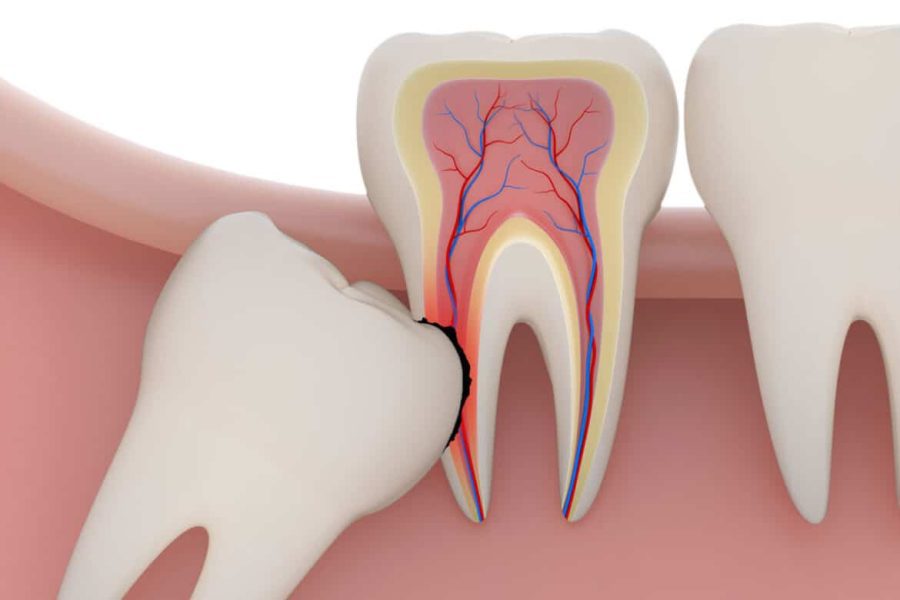
While wisdom teeth typically appear in healthy people, it is possible for them not to grow in as well. If this happens, these teeth may need to be removed to avoid complications. While these teeth are usually healthy and won’t cause any major issues if left alone, they can become infected and cause pain. In certain cases, they can even lead to death.
Why do people get their Wisdom Teeth removed?
As mentioned earlier, wisdom teeth are impacted teeth that become blocked and unable to grow properly, which can then cause all kinds of oral issues. If they’re not removed, they can cause tooth decay, gum disease, and even an infection. They’re not removed, they can cause tooth decay, gum disease, and even an infection. When teeth are not removed, they can lead to infections in surrounding teeth and tissues, an infection of the surrounding tissues and an infection of the jawbone, cysts in the jaw, and an increase in the risk of heart attack and stroke.

Why is it unsafe to keep your Wisdom Teeth?
As mentioned earlier, wisdom teeth are impacted teeth that become blocked and unable to grow properly, which can then cause all kinds of oral issues. If they’re not removed, they can cause tooth decay, gum disease, and even an infection. they’re not removed, they can cause tooth decay, gum disease, and even an infection. If left untreated, these problems can lead to serious complications.
The most common issues caused by wisdom teeth are:
- Tooth decay or caries – This occurs when food particles get stuck between the teeth and germs thrive on them. This can lead to a serious infection in the gums and even lead to the loss of teeth.
- Gum disease – This is a bacterial infection of the gums that can spread to the jaw and cause serious issues.
- Cysts – These are pockets of fluid that build up under the gums and can be painful and uncomfortable.
Risk factors of having your Wisdom Teeth out
Like any other surgery, wisdom tooth removal also has some possible side effects. It takes time to recover from the procedure and may include some pain and swelling. To make sure you’re not left to deal with discomfort, you should talk to your dentist about pain management options. While serious complications are rare, they do happen. The risk of complications can vary based on your lifestyle, health, and other factors.
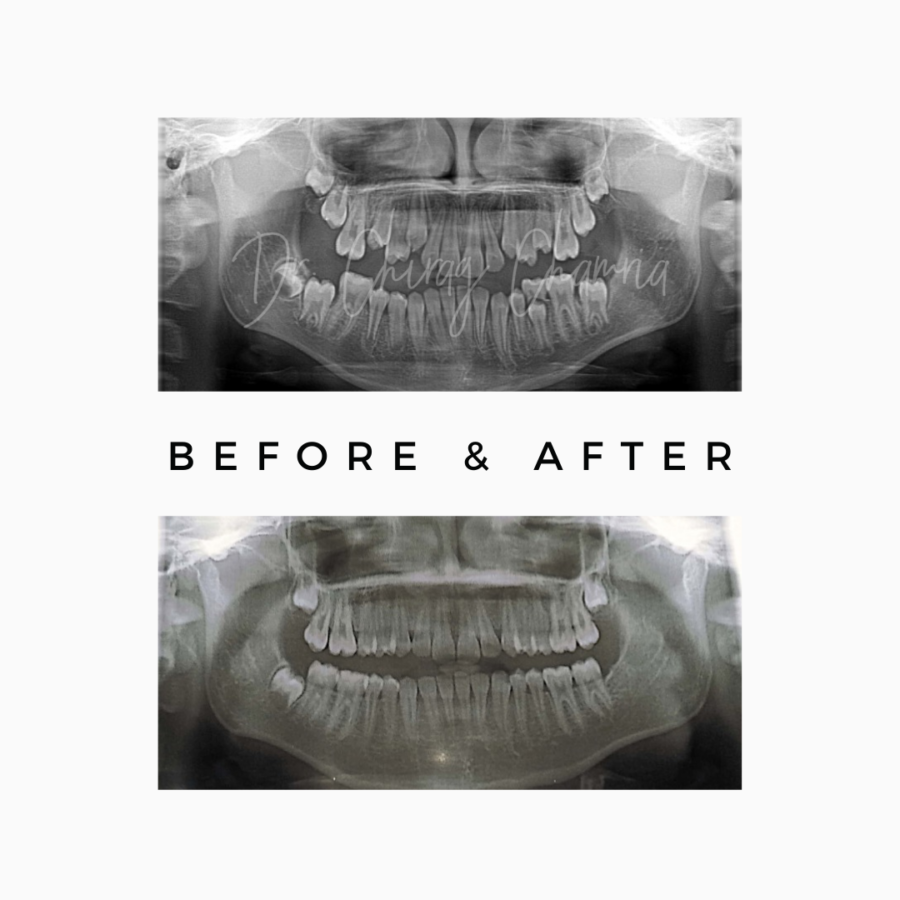
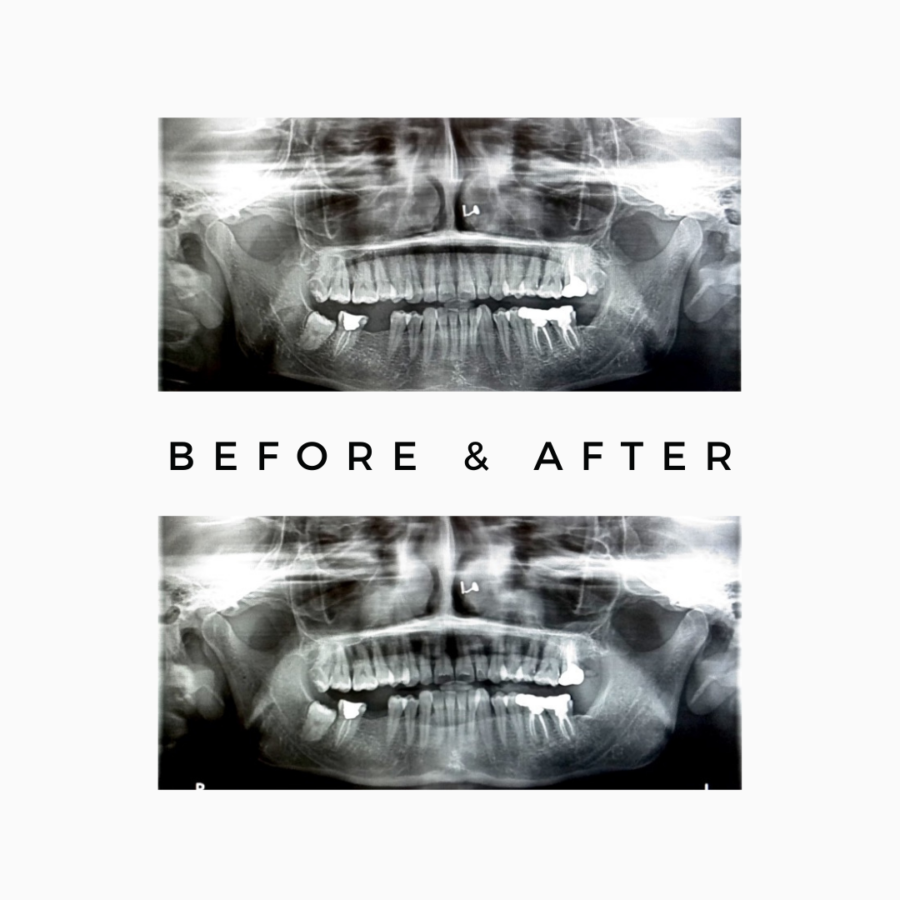
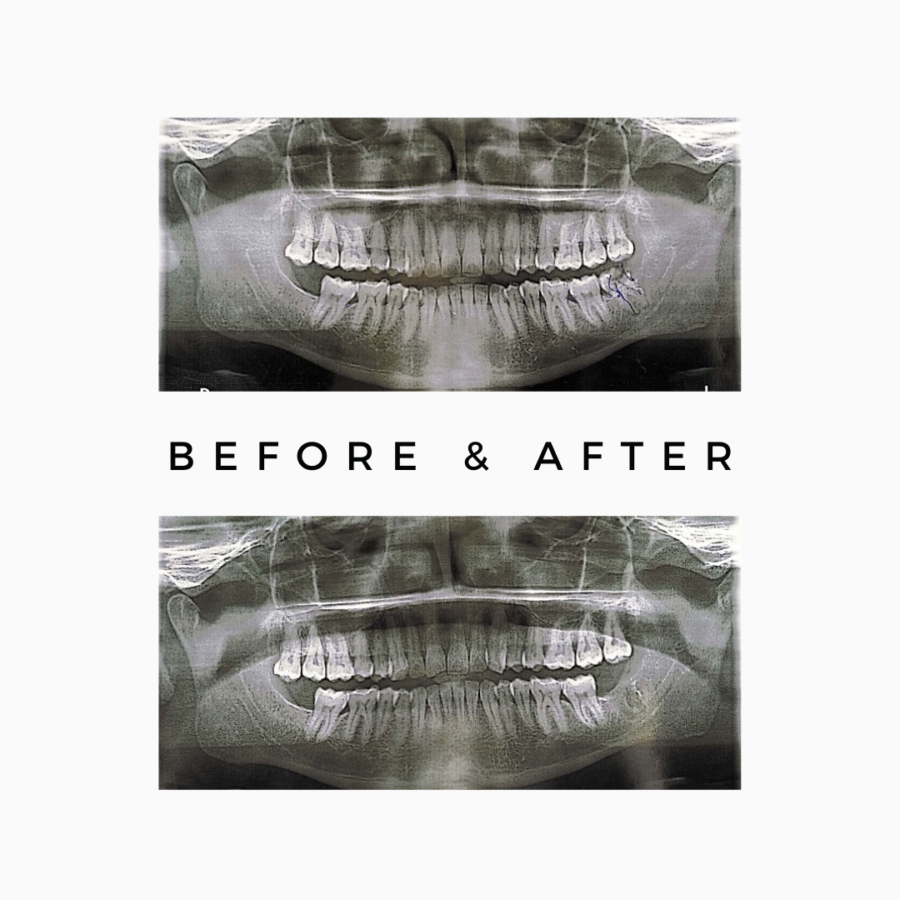
There are certain factors that can increase the risk of problems after wisdom teeth removal, including:
Being pregnant – Getting pregnant within six months after wisdom teeth removal can pose some risks for both the mother and fetus.
Having certain diseases – Some chronic diseases including diabetes, bleeding disorders, and autoimmune disorders may increase the risk of complications.
Having other oral issues – If you have other oral issues or have had oral treatments, wisdom tooth removal can increase the risk of complications.
Being at an older age – The risk of complications increases as we age.
Conclusion
Wisdom teeth are normal teeth that appear in the mouth around the age of 17 to 25 years old. They usually grow in the upper or lower back molars but may not always grow in properly. If you have these teeth but they didn’t grow in or your dentist tells you to take them out, you may experience some issues such as tooth decay if they are not removed. If you’re convinced that you need to have your wisdom teeth removed, you should do it as soon as possible. Waiting for too long can lead to complications and even damage to the other teeth. The best thing is to schedule an appointment with your dentist as soon as you can to learn more about the procedure and decide if it’s right for you.
Frequently Asked Questions
Is it safer to remove wisdom teeth or keep them?
Neither option is universally safer. A diseased or problematic wisdom tooth may benefit from removal, while a healthy, functional, disease-free tooth may be safely monitored.
Do all wisdom teeth need to be removed?
No. Healthy, functional and disease-free wisdom teeth may not require extraction, although they should be monitored.
Is it okay to keep impacted wisdom teeth?
Sometimes. The decision depends on the tooth’s position, disease status, relationship to neighboring structures and future risk. Active surveillance may be appropriate in selected cases.
What happens if I don’t remove my wisdom teeth?
If they are healthy, they may remain without causing problems. However, impacted or difficult-to-clean wisdom teeth can develop decay, gum disease, infection or affect neighboring teeth. Regular dental monitoring is important.
At what age should wisdom teeth be removed?
There is no single age at which everyone should have wisdom teeth removed. The decision depends on clinical findings, anatomy, disease status and the risks of removal versus retention.
Are wisdom tooth extractions risky?
Like any surgical procedure, wisdom tooth extraction has potential risks, including pain, swelling, bleeding, infection and nerve injury in some cases. The risk depends on the tooth and individual anatomy.
Can wisdom teeth be saved?
Yes. If a wisdom tooth is healthy, functional, disease-free and maintainable, it may be retained. Some damaged wisdom teeth may also be treatable depending on their condition and restorability.
Can a wisdom tooth be removed without surgery?
Some fully erupted wisdom teeth can be removed with a relatively straightforward extraction. Impacted teeth generally require a surgical approach. The dentist or oral surgeon determines the appropriate technique after examination and imaging.