
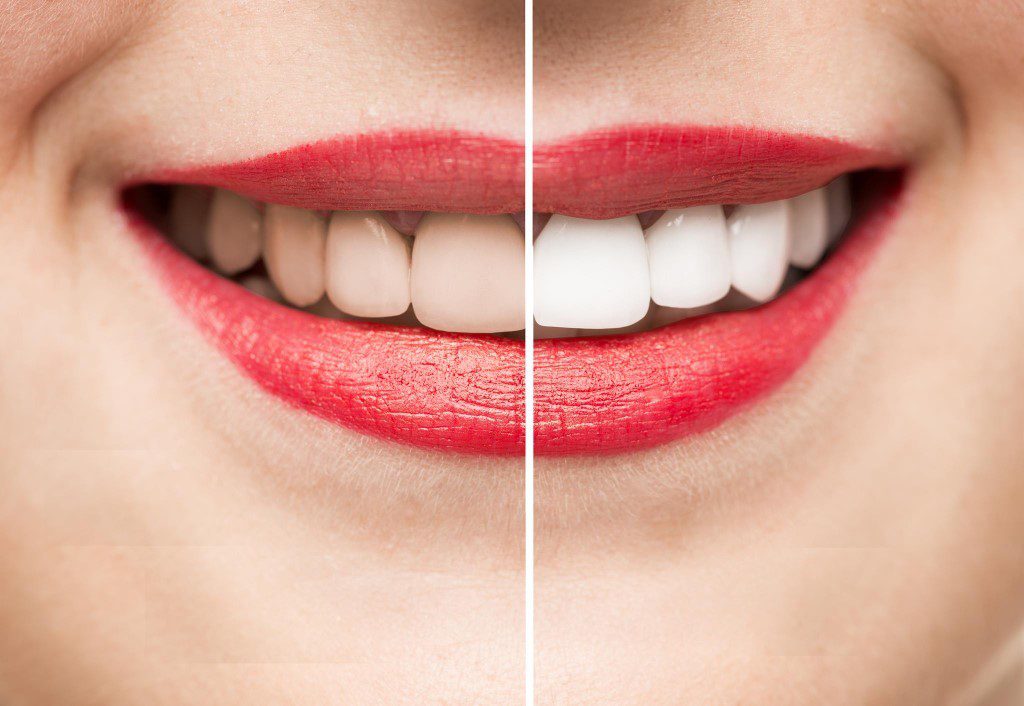
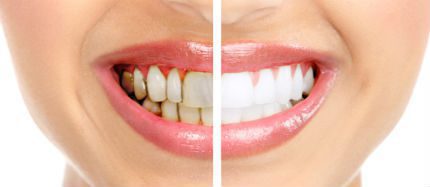
If you are one of those few lucky few whose smile has a winning feature of their personality, then take care of your teeth. Consider it an investment and ensure you get your teeth and your smile checked regularly. Teeth whitening treatment gets your pearly white smile back and is effective for a temporary time. They may have side effects on sensitive teeth. Teeth whitening treatment is a simple and easy dental procedure. It is one of the common ways to boost your self-confidence and goes a long way in enhancing your smile for sure. Guaranteed ways of achieving white smile is with teeth whitening dental treatment. But sensitivity after teeth whitening may come at times.
Who is this article for?
This article is for patients who feel sharpness, tingling, or discomfort after teeth whitening. Sensitivity may happen while drinking cold water, eating hot food, breathing through the mouth, or brushing. In many cases, it is temporary, but if the pain is severe or does not settle, a dentist should check for cavities, gum recession, enamel wear, cracks, or exposed dentin.
Why do teeth become sensitive after whitening?
Teeth whitening products usually contain bleaching agents such as hydrogen peroxide or carbamide peroxide. These agents help break down stains, but they can also temporarily irritate sensitive areas of the tooth. The chance of sensitivity may depend on the strength of the whitening gel, contact time, existing dental restorations, and whether light or laser activation is used. The American Dental Association notes that lower concentrations of hydrogen peroxide may reduce sensitivity in some in-office whitening protocols.
What should you do immediately after whitening?
Avoid very cold, very hot, acidic, and spicy foods for at least 24–48 hours if your teeth feel sensitive. Sip room-temperature water, eat soft foods, and brush gently with a soft-bristled toothbrush. Do not brush aggressively, because this can further irritate enamel and gums. If the whitening was done at home using strips or gels and discomfort starts, it is better to take a break rather than continue daily use. Cleveland Clinic advises stopping whitening products temporarily if discomfort occurs and switching to a milder option if needed.
Use a desensitising toothpaste
A desensitising toothpaste can help calm the nerve response in sensitive teeth. Toothpastes containing potassium nitrate or fluoride may be recommended by dentists for sensitivity management. Mayo Clinic notes that many whitening products include ingredients such as potassium nitrate and fluoride to help reduce tooth sensitivity.
More whitening does not mean better whitening. Using strips, gels, or whitening kits too frequently can increase sensitivity and gum irritation. Some patients repeat whitening because they want faster results, but aggressive bleaching can cause discomfort and may affect oral tissues. Whitening should be done as advised by a dentist, especially if you already have sensitive teeth, fillings, crowns, gum recession, or enamel wear.
Do not use home hydrogen peroxide directly
Some patients try to use hydrogen peroxide from the medicine cabinet for whitening. This should be avoided. Dental whitening products are specially formulated for teeth, while household hydrogen peroxide can be unsafe for oral use. Cleveland Clinic specifically warns against using non-dental hydrogen peroxide for teeth whitening.
When should you visit a dentist?
Visit a dentist if sensitivity is sharp, one-sided, severe, lasts more than a few days, or is associated with pain while biting. Sensitivity may sometimes be due to cavities, cracked teeth, gum recession, exposed roots, faulty fillings, or enamel loss. Mayo Clinic advises that a dentist can identify or rule out the actual cause of sensitive teeth.
How can sensitivity be prevented before whitening?
Before whitening, a dental check-up is important. The dentist can check for cavities, gum problems, exposed roots, leaking fillings, plaque, and tartar. Teeth cleaning may be advised before whitening so that stains and deposits are removed properly. Patients with existing sensitivity may need desensitising toothpaste before and after whitening, shorter whitening sessions, lower-strength whitening gel, or a customised whitening plan.
Teeth Whitening is not suitable for every type of tooth discolouration
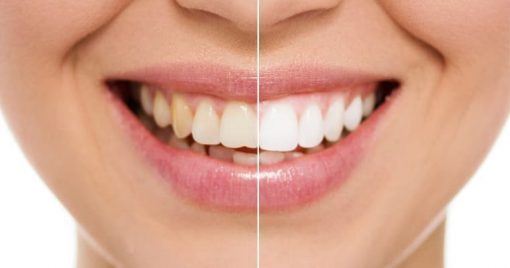
Not all stains respond equally to whitening. Yellowish surface stains may respond better than deep internal stains, old fillings, crowns, veneers, fluorosis marks, or discoloration due to trauma. If a patient has crowns or fillings in the smile zone, whitening may make the natural teeth lighter but the artificial restorations will not change shade. This should be explained before treatment to avoid mismatch.
Sensitivity after Tooth Whitening?
The most common downside of getting your teeth whitened is tooth sensitivity. Although this condition is usually temporary, it is a constant irritant that causes pain if you ingest anything too hot or cold. This inflammation is mostly due to peroxide which is used in tooth whitening treatment. Tooth sensitivity is experienced as a rush of pain usually as a response to cold or hot air or water. If you suffer from tooth sensitivity then you may want to opt out of a teeth whitening procedure. However, there are ways to overcome sensitivity issues while you want to get the whitening of your teeth. But there is no need to worry, since this situation can be easily tackled. Just follow the tips that we have listed below, and you and your smile will be just fine.
Visit your dentist for Teeth Whitening Treatment
When it comes to making any decisions that include your newly whitened teeth, it’s for the best that you consult your dentist every step of the way so that precautions are taken accordingly. If you are using over-the-counter products to whiten your teeth at home, I would strongly recommend that you refer your dentist beforehand so that you prepare for all the potential problems that you may have to face.

Limit your intake of cold drinks and foods
One of the main things that trigger sensitive teeth is cold food and drinks. Since the pain from tooth sensitivity is thankfully temporary, you don’t have to shy away from your favourite cold drinks and food for too long.
Correct technique of brushing your teeth
You simply follow the basic technique of whichever method you choose, but after brushing an area, you roll or sweep the bristles toward the chewing surfaces. This action sweeps out debris stuck between the teeth and cleans the entire tooth surface. The sweeping motion also helps prevent damage to the spaces between teeth and gums. Maintaining oral hygiene is essential to keep gum diseases at bay. The correct way of brushing technique helps to prevent and control gum disease. It cleans the teeth below the gums where micro-organisms, food debris, and plaque tend to gather. Brushing should performed twice a day irrespective of age. The toothbrush should be changed every 3-4 months for efficient plaque control and maintaining oral hygiene.
Conclusion
Sensitivity after teeth whitening is common and usually manageable with the right care. The safest approach is to avoid overuse, follow dentist instructions, use desensitising products when advised, and get a dental check-up if pain does not settle. At Royal Dental Clinics, whitening is planned only after evaluating tooth condition, gum health, existing restorations, and patient comfort.
FAQs
Is sensitivity after teeth whitening normal?
Yes, mild sensitivity can happen after whitening. It is usually temporary, but severe or long-lasting sensitivity should be checked by a dentist.
How long does sensitivity after whitening last?
For many patients, sensitivity improves within a few days. If it continues, becomes sharp, or affects only one tooth, it may not be only whitening-related and should be examined.
Can I drink cold water after teeth whitening?
You can, but if your teeth feel sensitive, room-temperature water is more comfortable for the first 24–48 hours.
Which toothpaste is good after teeth whitening?
A desensitising toothpaste containing ingredients such as potassium nitrate or fluoride may help. Your dentist can recommend the right one based on your teeth and gum condition.
Should I stop whitening if my teeth hurt?
Yes. If you are using home whitening strips or gels and sensitivity starts, pause the treatment and speak to your dentist before restarting.
Can teeth whitening damage enamel?
Professional whitening is generally considered safe when done correctly, but overuse or improper use of whitening products can irritate teeth and gums. Always follow dental advice.
Can I get whitening if I already have sensitive teeth?
Possibly, but the dentist should first find the cause of sensitivity. You may need sensitivity control, cleaning, cavity treatment, or a gentler whitening plan before starting.
When should I call the dentist after whitening?
Call your dentist if pain is severe, lasts more than a few days, occurs in one tooth, happens while biting, or comes with swelling, gum pain, or visible damage.