
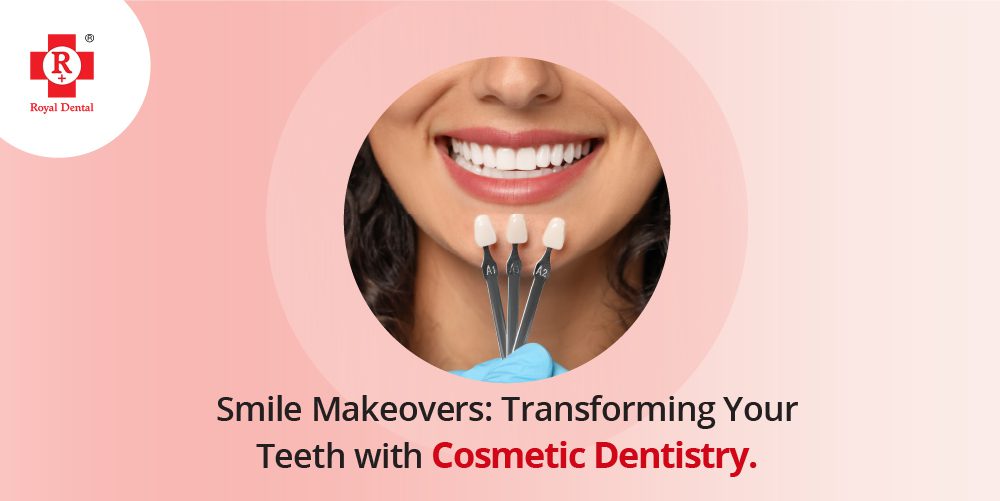
A smile makeover may involve whitening, bonding, veneers, crowns, orthodontics, implants or a combination of treatments. Traditionally, much of this planning relied on physical impressions, photographs, X-rays and manually produced models. Digital smile makeover has added new tools for recording the teeth, studying facial and smile proportions, planning restorations and communicating proposed changes. These technologies can support greater efficiency and clearer communication, but they do not replace clinical examination, professional judgement or realistic treatment planning.
What Is a Digital Smile Makeover?
A digital smile makeover is not one specific dental procedure. It is a digitally assisted planning process used to evaluate the smile and design suitable treatment. Depending on the patient’s concerns and oral health, treatment may involve whitening, bonding, veneers, crowns, orthodontics, implants or full-mouth rehabilitation. Digital records may include clinical photographs, videos, intraoral scans and dental X-rays. CBCT imaging is used only when three-dimensional information is clinically required, particularly for implants, bone assessment or certain complex cases.
Which Technologies Are Used?
Clinical photography and video
Standardised photographs and videos help assess the smile at rest and during natural facial expressions. They also support communication between the patient, dentist and dental laboratory.
Intraoral scanning
An intraoral scanner captures a digital representation of the teeth and accessible gum surfaces. It may reduce the need for conventional impression material in suitable cases and allows records to be transferred digitally.
Digital Smile Design
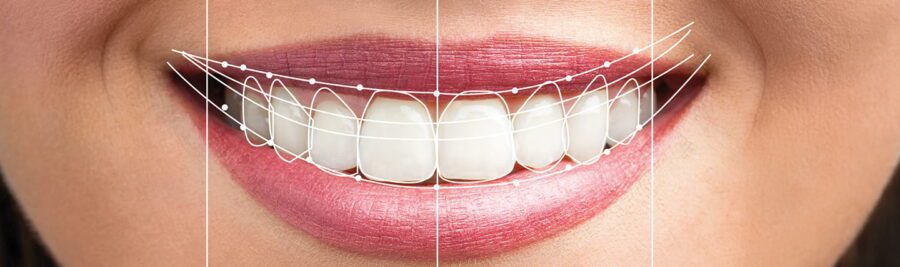
Smile-design software can help evaluate tooth proportions, dental midline, smile curve and the relationship between the teeth, lips and face. The design provides a communication and planning aid; it is not a guarantee that the final result will exactly match a simulation.
Digital X-rays and CBCT
Dental X-rays help identify decay, existing restorations, root conditions and supporting bone. CBCT is not routinely required for every cosmetic case. It may be recommended when implants, impacted teeth, complex anatomy or three-dimensional bone assessment are involved.
CAD-CAM technology
CAD-CAM systems may be used to design and manufacture restorations such as crowns, veneers, onlays and implant-supported prostheses. Material selection, preparation design, laboratory procedures and clinical finishing remain important to the result.
Steps in a Digitally Planned Smile Makeover
- Consultation and discussion of concerns
- Examination of teeth, gums and bite
- Clinical photographs and digital records
- Required X-rays or scans
- Digital smile analysis
- Discussion of treatment alternatives
- Preview or mock-up where appropriate
- Treatment and restoration fabrication
- Bite, aesthetics and speech assessment
- Follow-up and maintenance
Digital diagnostics: Seeing the full picture
Every successful smile makeover starts with an accurate diagnosis. At Royal Dental Clinic, digital dentistry begins with in-house digital diagnostics, including:
- CBCT and OPG scans
- Digital X-rays
- High-precision intraoral scans
These tools provide a detailed 3D view of teeth, jawbone, gums, nerves, and bite alignment. Instead of relying on assumptions, clinicians can see exactly what is happening beneath the surface. This level of detail allows early detection of issues such as hidden infections, bone loss, or bite imbalances, ensuring the smile makeover is built on a strong clinical foundation.
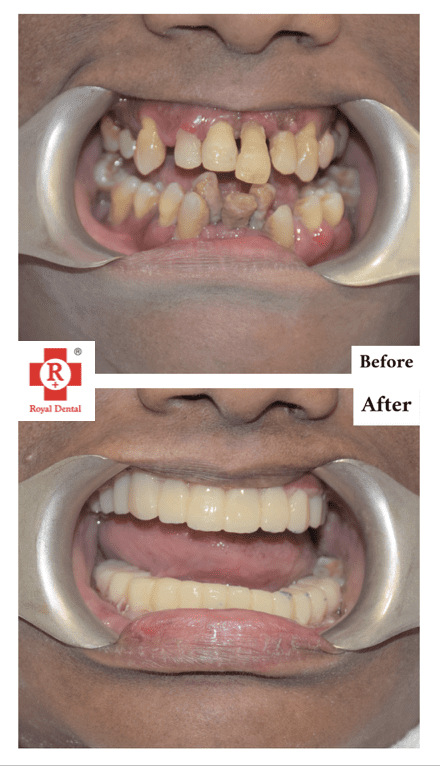
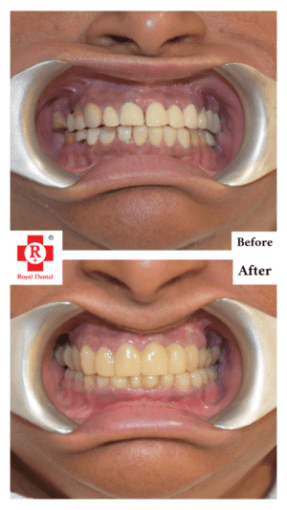
Digital Smile Planning: Designing before Treatment
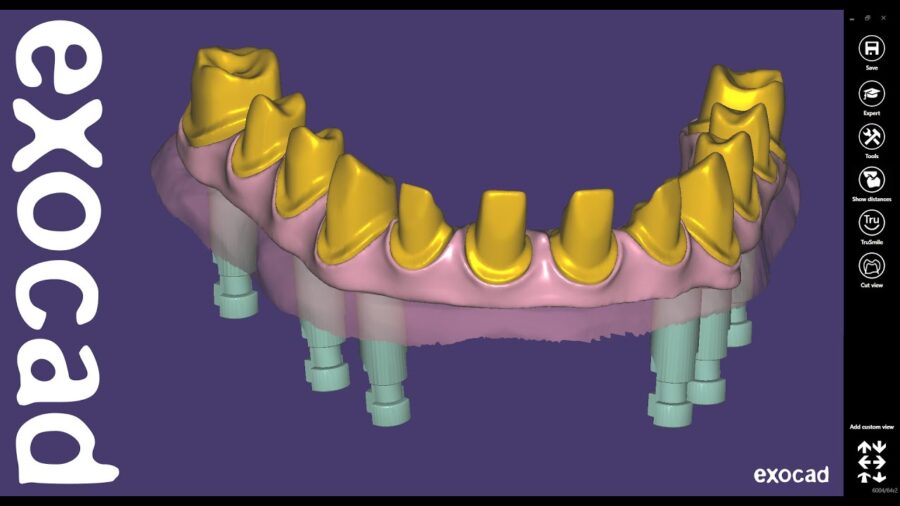
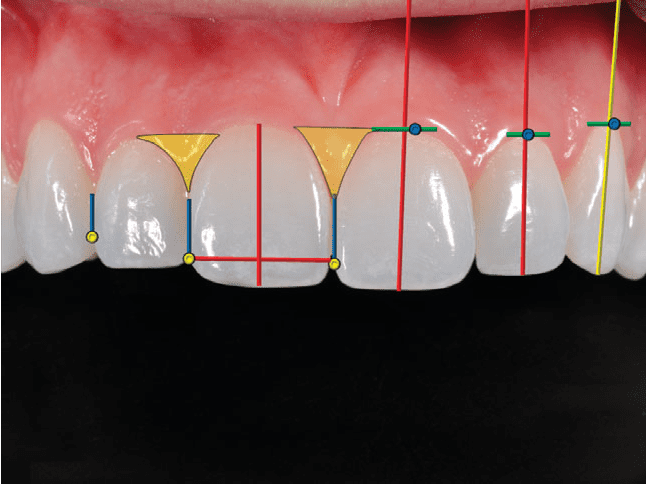
One of the biggest changes brought by digital dentistry is the ability to plan the final smile before treatment begins. This means the treatment is prosthetically driven. Teeth are not placed where it is convenient, but where they will look and function best in the long term. Patients also benefit from this process, as they can understand the proposed changes and feel confident about the direction of treatment even before the procedure starts. Using CAD-CAM and 3D smile design software, Royal Dental Clinic digitally plans:
- Tooth shape and size
- Smile symmetry and proportions
- Bite and occlusion
- Implant positions were required
Intraoral scanning: Comfort meets accuracy
Digital intraoral scanners have replaced traditional impression trays in most smile makeover cases. These scanners capture highly accurate digital impressions of the teeth and gums without discomfort. Benefits include:
- Greater patient comfort
- Highly accurate digital models
- Faster data transfer to planning software
- Better fitting crowns, veneers, and implant restorations
For smile makeovers, this accuracy is crucial. Even small discrepancies can affect aesthetics, speech, and comfort. Digital scanning significantly reduces these risks.
Faster transformations with in-house digital workflows
Digital dentistry has also reduced treatment time dramatically. At Royal Dental Clinic, in-house digital workflows allow crowns, veneers, and implant prostheses to be designed and fabricated with advanced milling machines and 3D printing systems. Because the lab work is done under one roof:
- Turnaround times are shorter
- Adjustments are made in real time
- Quality control is higher
- Same-day or 24-hour smile transformations are possible in suitable cases
This is especially impactful for patients seeking same-day smile makeovers or immediate implant restorations.
Better accuracy, fewer adjustments
One of the most noticeable changes with digital dentistry is how well restorations fit. Digitally designed and manufactured restorations offer:
- Improved marginal fit
- Better bite accuracy
- Reduced need for repeated adjustments
- More natural aesthetics
This precision not only improves comfort but also increases the longevity of the smile makeover. Well-fitting restorations are easier to maintain and place less stress on teeth, gums, and implants.
Predictable results for complex cases
- Multiple missing teeth
- Dental implants
- Full-mouth rehabilitation
- Bite correction
With digital planning and guided workflows, Royal Dental Clinic can manage these cases with a high level of predictability. Implant placement, prosthetic design, and bite balance are all coordinated digitally, reducing complications and improving long-term success.
Improved patient experience: smile makeover
- Fewer appointments
- Shorter treatment timelines
- A clearer understanding of their treatment
- Less discomfort during procedures
- Greater confidence in outcomes
Smile makeovers no longer feel overwhelming or uncertain. Instead, they are structured, transparent, and reassuring.
Not too long ago, improving a smile often meant multiple appointments, messy physical impressions, long waiting periods, and uncertainty about how the final result would look. Today, digital dentistry has transformed that entire experience—making smile makeovers faster, more precise, and far more predictable. At Royal Dental Clinic, digital systems have changed the way we plan and deliver smile transformations from start to finish. Instead of “guesswork,” we use technology-driven planning that helps patients see clearer possibilities, while helping our team design a result that looks natural, balanced, and facially suited.
From the first consultation to the final teeth, digital workflows play a central role in improving accuracy and comfort. This often means:
- Fewer visits and better time efficiency
- More precise smile design with better symmetry and proportions
- Improved comfort (less dependence on traditional impressions)
- Greater predictability in outcomes
- Better communication between the dentist, lab, and patient
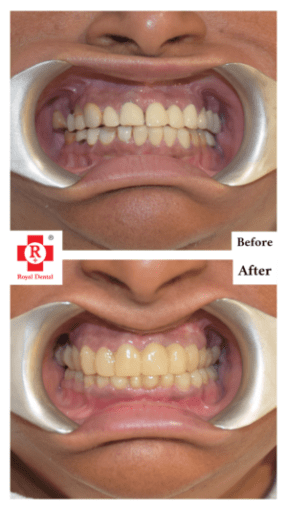
In short, modern smile makeovers aren’t just about making teeth look whiter—they’re about designing a smile that fits your face, bite, and lifestyle, with results that feel confident and look real.
The future of smile makeover is digital
Digital dentistry has changed smile makeovers from a slow, reactive process into a precise, planned, and patient-centric experience. At Royal Dental Clinic, technology supports every step, but it is guided by clinical expertise and careful decision-making. The result is not just better smiles, but better experiences and longer-lasting results. If you are considering a smile makeover and want results that are accurate, efficient, and predictable, digital dentistry makes all the difference. At Royal Dental Clinic, modern technology and clinical precision come together to create smiles that feel as good as they look.