
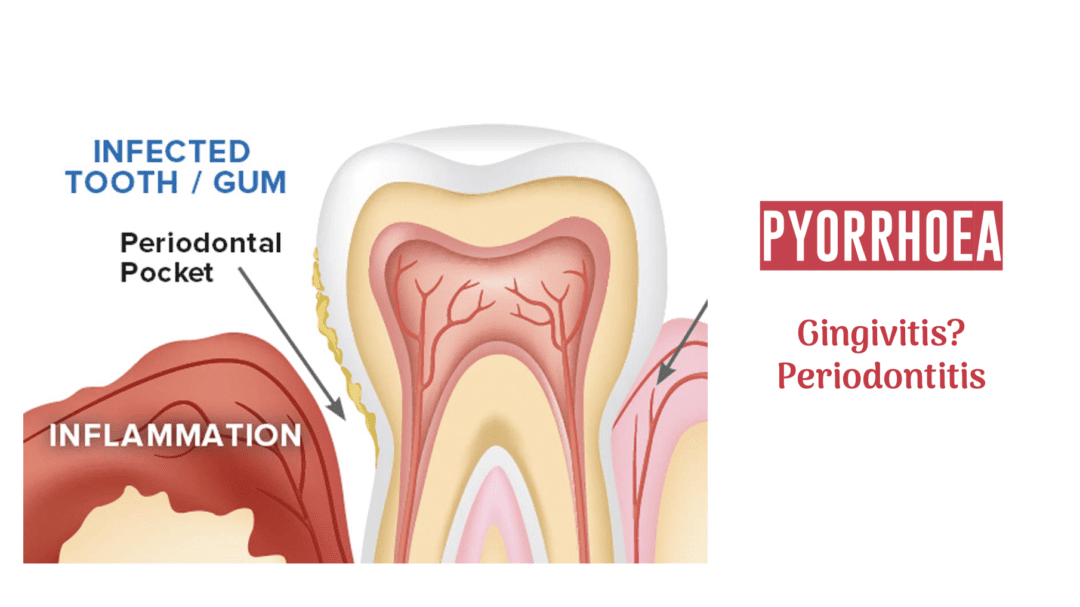
How do dentists treat gingivitis? Gingivitis is the earliest stage of gum disease and develops when plaque builds up around the teeth and gums. Although it is a very common condition, it is also one of the easiest gum diseases to treat when detected early. Professional dental cleaning, improved oral hygiene, and regular dental check-ups can usually reverse gingivitis before it progresses into more serious periodontal disease. If you notice bleeding gums, swelling, or persistent bad breath, visiting your dentist promptly can help restore your gum health and prevent long-term complications.
Who Is This Article For?
- People with bleeding or swollen gums
- Patients diagnosed with gingivitis
- Individuals wanting to improve their oral hygiene
- People experiencing bad breath
- Anyone looking to prevent gum disease
What is Gingivitis or Gum Inflammation?
Gingivitis is a gum condition that can lead to more serious issues like tooth loss. It is easily prevented with good dental habits and regular visits to your dentist. It is when the gums start to get inflamed because of poor oral hygiene habits. The gums become red and swollen, making it difficult to brush your teeth and floss them. The condition is marked by bleeding gums and if left unchecked, it can lead to tooth loss. Gingivitis is caused by a number of factors such as poor diet, genetics, and bacterial infections. If you have gingivitis, you can reduce your chances of developing more serious conditions by actively taking care of your oral health.
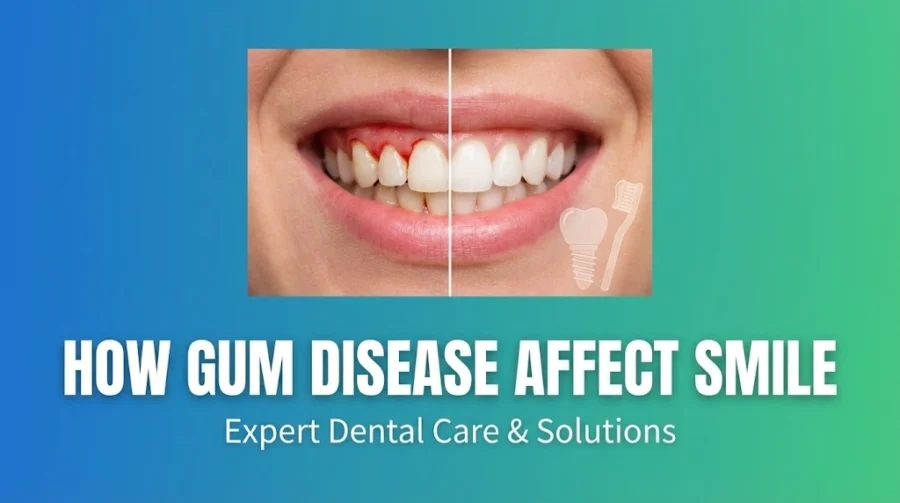
How to care for your Gums | Dental Tips
Brush and floss your teeth twice daily – Not only does this remove bacteria inside your mouth but it also thoroughly removes any plaque buildup on your teeth and gums. This process is called “scratching” and is absolutely essential for keeping your gums healthy.
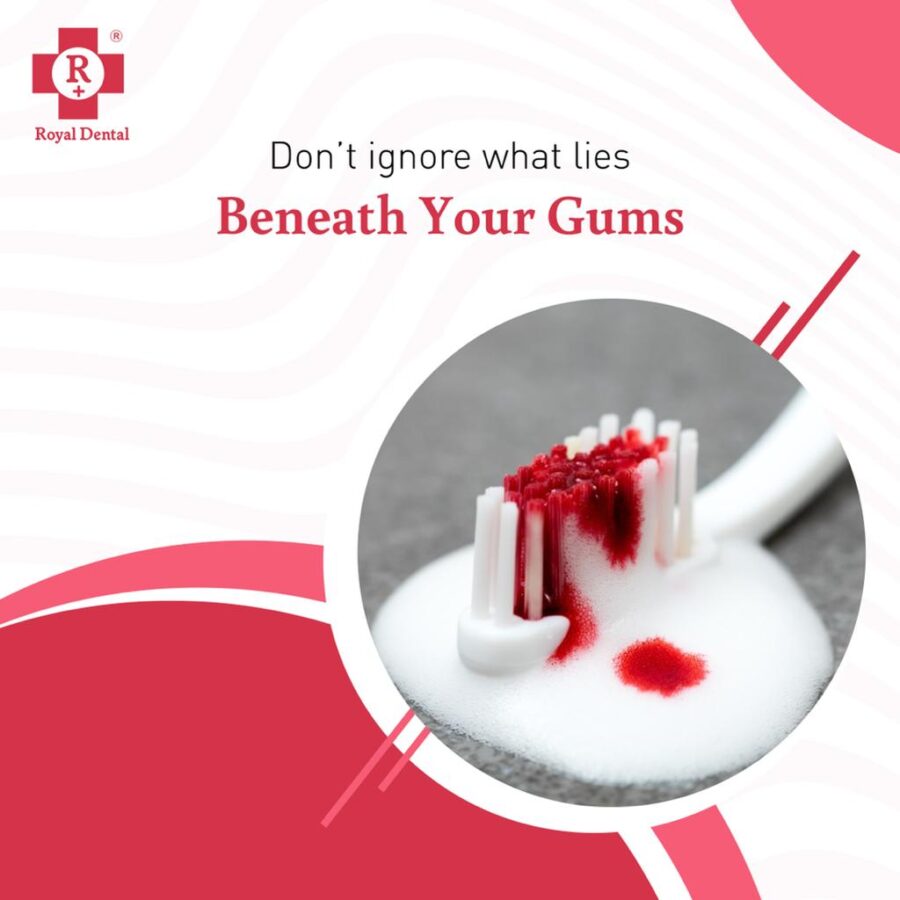
Schedule yourself an appointment with your dentist – If you suffer from chronic gingivitis, your gums will likely bleed when you brush or floss. This is an obvious sign that you need to see your dentist.
While you can manually scrape off the surface of your teeth, you don’t want to go too deep as this can damage your enamel and cause tooth decay. Instead, reach for a gentle exfoliating scrub that removes dead skin cells and calluses without scratching your teeth.
Use mouthwash after eating or drinking – As you may know, plaque and bacteria build up on your teeth and gums throughout the day. This is why it’s important to rinse after eating or drinking anything with a high sugar or acid level. These drinks can cause your gums to bleed and if left unchecked, lead to periodontal disease. Gum Surgeris are the best cost available in Mumbai.
Exfoliate your skin daily
Exfoliating removes excess oils and dead skin cells from your teeth and gums, reducing the chance of plaque buildup. It is best to do this at the end of your shower so it doubles as your daily exfoliation routine. You can use a soft toothbrush or a scrub designed for skin. If you use a scrub, be sure to wash it off immediately after use since it can be too harsh for your teeth.
The best time to exfoliate is at the end of your shower or when you are using a toothpaste that has mild abrasives in it. This way, you get rid of excess oils, surface bacteria, and dead skin cells all at once. Exfoliating twice a week is enough to maintain your oral health and prevent gum disease. If you experience bleeding when you brush or floss your teeth, you need to do this more often.
Take care when drinking liquids
The sugar, caffeine, and acid in many drinks can cause bleeding or inflammation of the gums. If you regularly consume these drinks, be sure to rinse your mouth out thoroughly with mouthwash after drinking. This is especially important if you eat a high-sugar or high-acid diet. For example, a diet high in acidic fruits like oranges, grapefruit, and tomatoes should be followed with a mouthwash with a neutral pH level. Similarly, high-sugar drinks like soda and energy drinks can cause bleeding. Try to avoid these drinks as much as possible as they are highly acidic and cause your gums to bleed.

Visit your dentist every six months
As you may have read above, gingivitis is a common condition that causes inflammation in the gums. If left untreated, it can lead to tooth loss. The best way to treat gingivitis is with a visit to your dentist. Your dentist can clean your teeth and remove any plaque buildup. This will prevent further damage to your gums, promoting better oral hygiene and ensuring a lifetime of healthy teeth and gums.
Schedule regular checkups with your dentist and follow his or her recommendations for optimal oral health. Your dentist may recommend a mouth rinse designed to clean your teeth and gums better than brushing alone. Your dentist can also check for signs of more serious conditions like periodontal disease and tooth decay. If he or she notices any signs of tooth decay or gum disease, you need to take preventative measures immediately.
Use a mouth rinse after eating or smoking
The bacteria in your mouth that cause gingivitis can also cause bad breath. This can be a major turnoff for social situations like dates or job interviews. Furthermore, bad breath can be a sign of more serious conditions including periodontal disease and tooth decay. This is why rinsing your mouth out thoroughly after consuming high-sugar or acid-rich drinks is essential. Similarly, you should also rinse your mouth out thoroughly after eating or smoking. Foods like sugary drinks, processed meats, and cigarettes can cause bad breath and gingivitis.
Conclusion
How do dentists treat gingivitis? The primary goal of treatment is to remove the plaque and tartar that cause gum inflammation and help restore healthy gums. In most cases, professional dental cleaning combined with improved brushing, flossing, and regular dental check-ups can successfully reverse gingivitis before it develops into more serious periodontal disease. Because gingivitis often causes only mild symptoms in its early stages, recognising warning signs such as bleeding gums, swelling, or persistent bad breath and seeking treatment promptly is essential.
The best way to protect your gums is through prevention and early intervention. Maintaining a consistent oral hygiene routine, eating a balanced diet, and attending regular dental appointments can significantly reduce your risk of developing gingivitis or experiencing its recurrence. If you notice any changes in your gum health, don’t ignore them. Early treatment is simpler, more effective, and helps preserve healthy teeth and gums for the long term.
Book a Consultation
Healthy gums are the foundation of a healthy smile. If you’re experiencing bleeding gums, gum swelling, bad breath, or other early signs of gingivitis, our experienced dentists at Royal Dental Clinics are here to help with comprehensive diagnosis and personalised treatment.
From professional dental cleaning and preventive care to advanced periodontal treatment, we provide customised solutions to restore your gum health and prevent future complications. Book your consultation today for a complete gum health assessment and receive a personalised treatment plan to keep your smile healthy for years to come.
FAQs
How do dentists treat gingivitis?
Dentists treat gingivitis through professional dental cleaning, removal of plaque and tartar, personalised oral hygiene advice, and, when needed, antibacterial mouth rinses to reduce infection and inflammation.
Can gingivitis be cured completely?
Yes. Gingivitis is usually reversible when treated early with professional dental care and good oral hygiene practices at home.
How long does gingivitis take to heal?
Most mild cases of gingivitis begin to improve within one to three weeks after professional cleaning and consistent brushing and flossing.
What happens if gingivitis is left untreated?
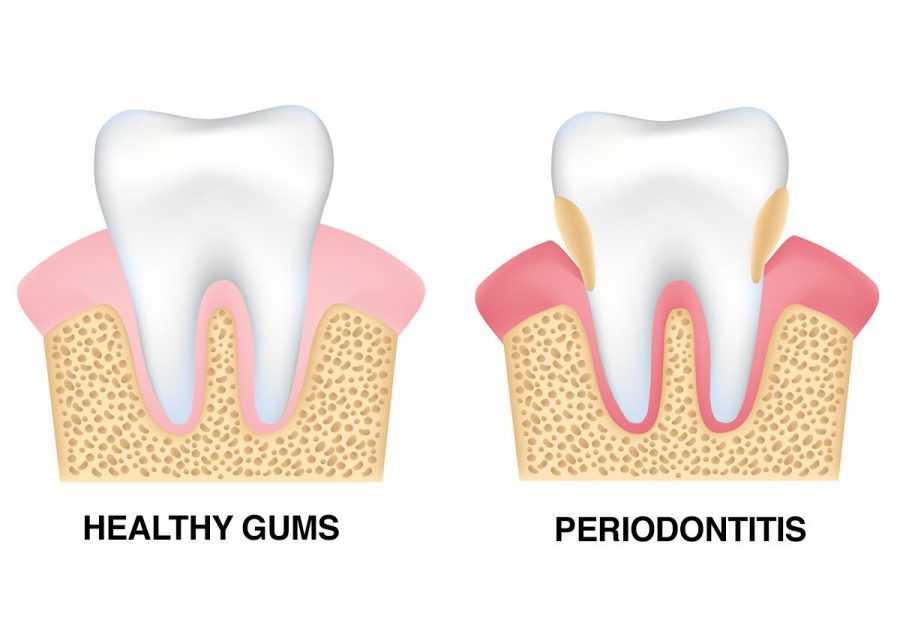
Untreated gingivitis can progress to periodontitis, a more advanced form of gum disease that can damage the supporting tissues and bone around the teeth, potentially leading to tooth loss.
How can I prevent gingivitis?
Brush twice daily, floss every day, attend regular dental check-ups, avoid tobacco products, and maintain good oral hygiene to reduce your risk of gingivitis.