Patient Information

Tips about Dental Implant Aftercare

Your own written instructions take priority because the procedure, restoration and medical needs vary. Before leaving, check how to clean the area, what food restrictions apply and when the next review is planned. Ask for clarification while the treating team has your case details available.

Fixed teeth still require maintenance. Report a new change in the bite, looseness or increasing discomfort rather than assuming an adjustment can wait indefinitely. If you live outside Mumbai, discuss which checks can be supported remotely and when an examination is necessary.

Diet
Follow the individual healing plan
Hygiene
Learn the bridge-specific method
Reviews
Early checks and continuing care
dental implant aftercare tips by dentist in Mumbai
Dental treatment area at Royal Dental Clinics Mumbai

Start with a conversation

Let’s understand
what you need.

Your consultation is an opportunity to understand the findings and compare suitable options. Ask what can happen on the first treatment day, which later visits may be needed, and what the estimate includes. A family member can help you consider travel, recovery and maintenance arrangements.

Consultation ₹1,500 · Usually 45–60 minutes

The first days

Follow the prescribed instructions for medicines, bleeding care, rest and oral hygiene. Do not change prescribed medicines or add treatments without advice. Soreness and swelling can occur; the extent depends on the procedure. Contact the clinic if symptoms increase rather than improve or if the restoration feels unstable.

What to eat

Use the diet recommended for your implant and bridge during healing. Choose food that does not overload the teeth and avoid hard or sticky items until the surgeon allows them. Chewing comfort is not proof that unrestricted loading is safe. Ask for practical examples for your usual diet.

Cleaning the implants and teeth

The team shows how to brush and clean around implant emergence and beneath a bridge. Use the recommended brushes or other devices and the advised timing near surgical sites. A water flosser may be an adjunct when recommended; it does not automatically replace brushing or other cleaning.

assess failure of implant treatment

Assessment of a Failed or Troublesome Dental Implant​

Get an assessment for a painful, loose or problematic dental implant in Mumbai. Discuss the cause, available records, repair options and any replacement plan.

Implant movement and bridge movement are different

Movement felt by the patient does not identify which part is affected. The clinician examines the restoration and supporting tissues and reviews relevant records. Explain whether movement started suddenly, whether the bite changed and whether there is pain or swelling. Avoid trying to tighten or glue a restoration yourself.

Planning repair or replacement

Some problems may be managed while preserving existing support; others require a more extensive plan. Component identification can influence what repairs are practical. Ask what can be retained, whether additional healing is needed and which temporary replacement may be used while the cause and the longer-term solution are addressed.

Eating Cleaning and Reviews After Dental Implants

Eat better even after
Dental Treatment in Mumbai

Keeping your treatment information accessible

Retain the treatment summary, implant or material details and the clinician’s aftercare instructions. These records help if you need a review at another location. Make sure you know the clinic contact route and the date of your next planned check. Tell the clinician about any change in health or medicines that may affect care.

Routine care and an unexpected problem

Use the daily cleaning method demonstrated for the fitted teeth and attend the recommended reviews. Contact the clinic if the restoration feels different, cleaning becomes difficult or symptoms increase. Severe swelling with difficulty breathing or swallowing requires urgent medical attention. Do not attempt to glue or adjust an implant bridge at home.

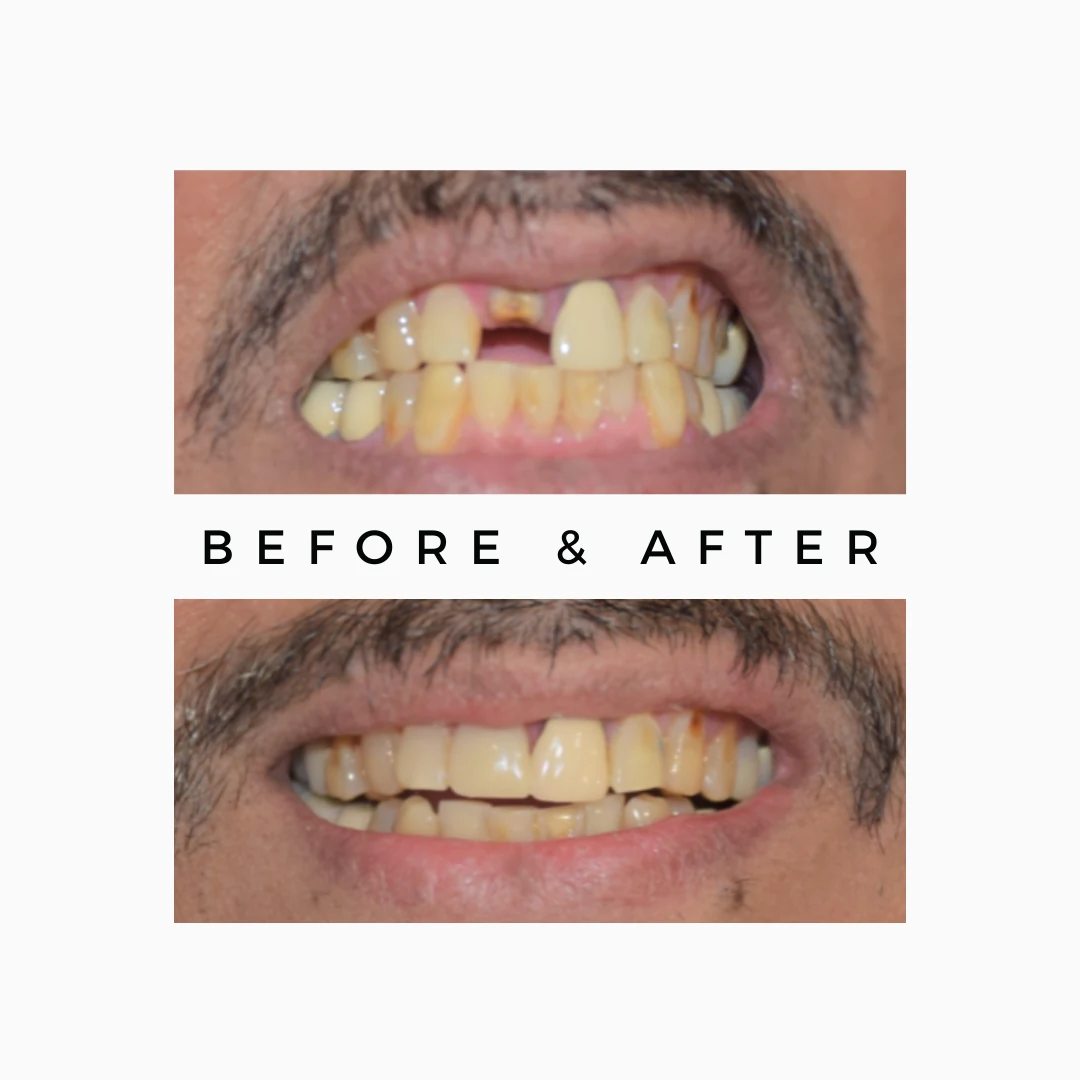
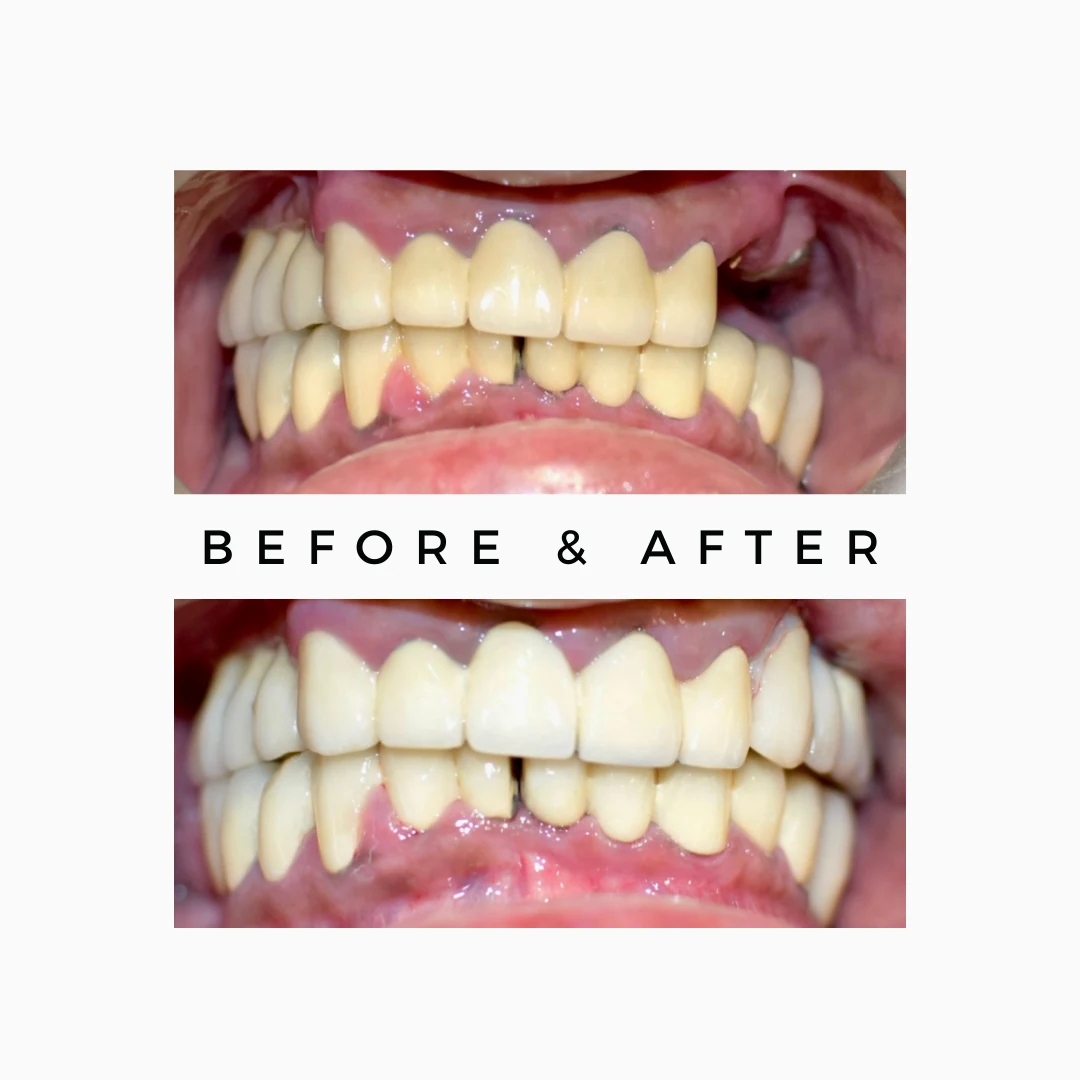
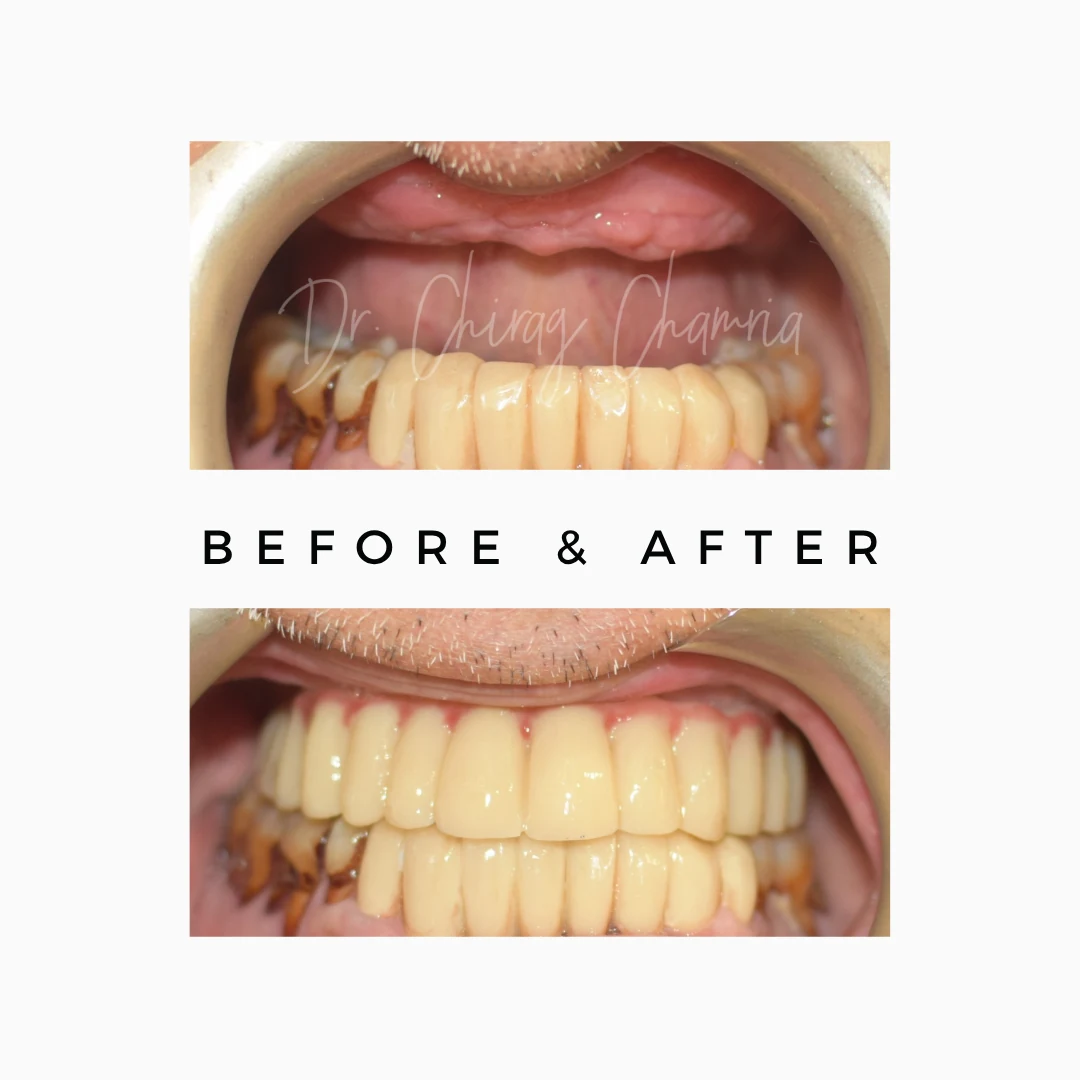
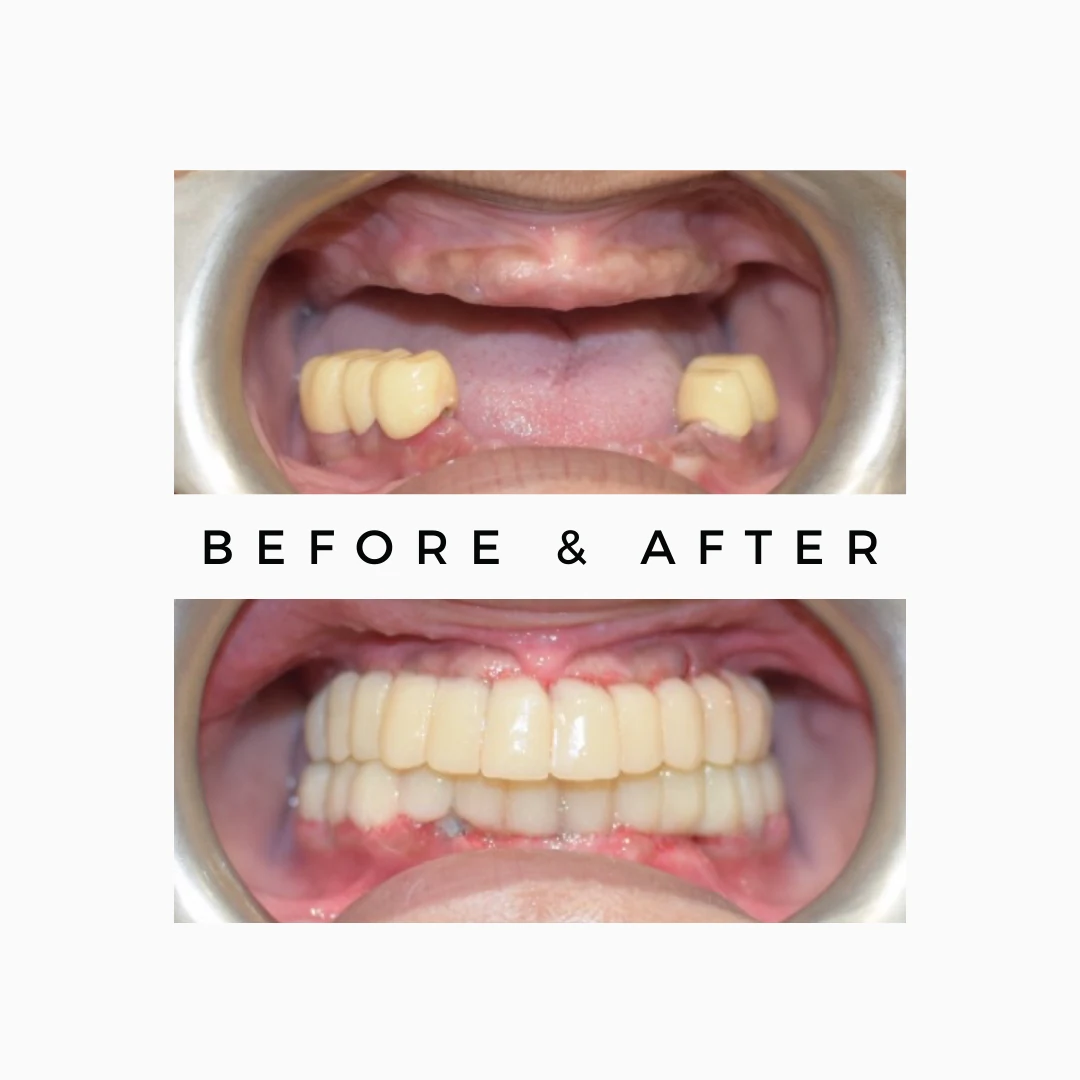
Before & after · Royal Dental patients

See the smiles.
Understand the possibilities.

Explore photographs of treatment published by our clinic. Your own plan starts with an individual assessment.

Actual photographs published by Royal Dental Clinics. Individual results vary; photographs alone do not establish the treatment, timeframe or suitability for another patient.

Questions before you decide

Your questions answered

No. Pain may arise from the tissues or restoration. Examination and imaging determine the cause and the reasonable treatment.

Possibly. Compatibility, access and the condition of the work matter. Bring the implant identification and original records.

Sometimes, but infection, available bone, surgical needs and stability determine whether immediate replacement and loading are suitable.

Bring the implant brand and component details if available, earlier imaging, treatment dates and a history of symptoms or repairs. This helps the team identify possible causes and compatible options.

Assessment may examine tissue health, bone levels, implant stability, prosthesis fit and bite forces. Treating the underlying cause matters when planning a repair or replacement.

Follow the instructions for the treated area and the rest of the mouth. The team specifies when and how to clean near the surgical site.

It depends on the surgery, recovery and your work. Sedation or general anaesthesia adds specific restrictions.

No. Early checks and continuing maintenance are needed for the tissues, bite and restorative components.

Contact the clinic promptly and avoid hard chewing on the area. Do not tighten, glue or adjust the restoration yourself.

Bite contacts and the restoration can need review as you adapt to treatment. The clinician checks function, comfort and the condition of the supporting tissues and components.

Choose your centre

Mumbai and Jaipur

Mumbai · Kandivali East

79, V-Mall, Thakur Complex, Kandivali East, Mumbai 400101

Monday–Saturday · 8 am–7 pm
Sunday closed · By appointment

Jaipur · Shastri Nagar

Plot No 7, Subhash Nagar Road, in front of Krishna Kripa Apt, Shastri Nagar, Jaipur 302016

Appointments and current hours confirmed by the Jaipur team.

Work travel and reviews

The procedure and anaesthesia determine rest, driving and travel restrictions. Attend the early reviews for healing, fit and bite, then the maintenance schedule. Patients living abroad should agree on online communication and where physical examinations will take place.

When to seek help

Call the clinic for persistent bleeding, fever, increasing swelling, pus, significant pain, sinus symptoms after relevant upper-jaw surgery or a loose restoration. Difficulty breathing or swallowing, rapidly spreading swelling or uncontrolled bleeding needs urgent medical care. Keep the treating centre’s number with your care instructions.

Cleaning, review and maintenance after fixed teeth

Continuing care includes cleaning and review after same-day treatment. The restoration should provide practical access for daily plaque removal, and the clinician should demonstrate the aids and method suitable for its design.

Attend the planned reviews even when the teeth feel comfortable. The gums, bone support, prosthetic components and bite may need assessment. Report a change in fit, chewing comfort, bleeding, swelling or movement rather than trying to adjust the teeth yourself.

Advanced replacement options

Where significant upper-jaw bone loss remains, conventional implants, grafting, zygomatic or pterygoid support may be discussed. Immediate fixed teeth may be possible for selected reconstructions, but active disease, anatomy and stability affect the decision. Complex cases may need staged care.

Cost and follow-up

The estimate depends on investigation, removal, compatible parts, replacement implants and new teeth. Repairs to previous work and covered clinic service are separate questions. Agree on early reviews and a long-term cleaning and bite-check schedule. Seek prompt assessment for swelling, pus, significant pain or mobility.

Assessing an existing implant before deciding on replacement

Pain, bleeding or looseness can arise from different parts of implant treatment. The clinician examines the surrounding tissues, bone support, the implant and the restoration to distinguish biological concerns from mechanical or restorative problems.

Keep earlier operative records and implant component details where available. The ability to repair a restoration may depend on the design and availability of compatible components. The plan should address the suspected cause before another implant or prosthesis is proposed.

WhatsApp