Dental Implants with Less Bone Mumbai

Dental Implant Options When Jaw Bone Is Limited

A previous opinion that there is insufficient bone is a starting point for further discussion, not a complete description of the available choices. The location and pattern of bone loss, remaining teeth, health factors and the replacement design all affect what may be possible.

Bring the earlier recommendation and any usable scans. The clinician can explain whether conventional implant planning, grafting, a specialist implant approach or a removable replacement should be considered. Ask why an option fits your case, what its limitations are and how the treatment stages compare.

Assessment
Bone anatomy and planned teeth
Options
Conventional grafted or advanced
Timing
Individual loading decision
Dental Implants with Less Bone
Dental treatment area at Royal Dental Clinics Mumbai

Start with a conversation

Let’s understand
what you need.

Your consultation is an opportunity to understand the findings and compare suitable options. Ask what can happen on the first treatment day, which later visits may be needed, and what the estimate includes. A family member can help you consider travel, recovery and maintenance arrangements.

Consultation ₹1,500 · Usually 45–60 minutes

Why bone may be limited

Bone can reduce after tooth loss, long-term denture use, gum disease or earlier surgery. The upper and lower jaws present different anatomical limits. The assessment considers the remaining teeth, infection, bite, medical history and the structures around each possible implant site.

The options to discuss

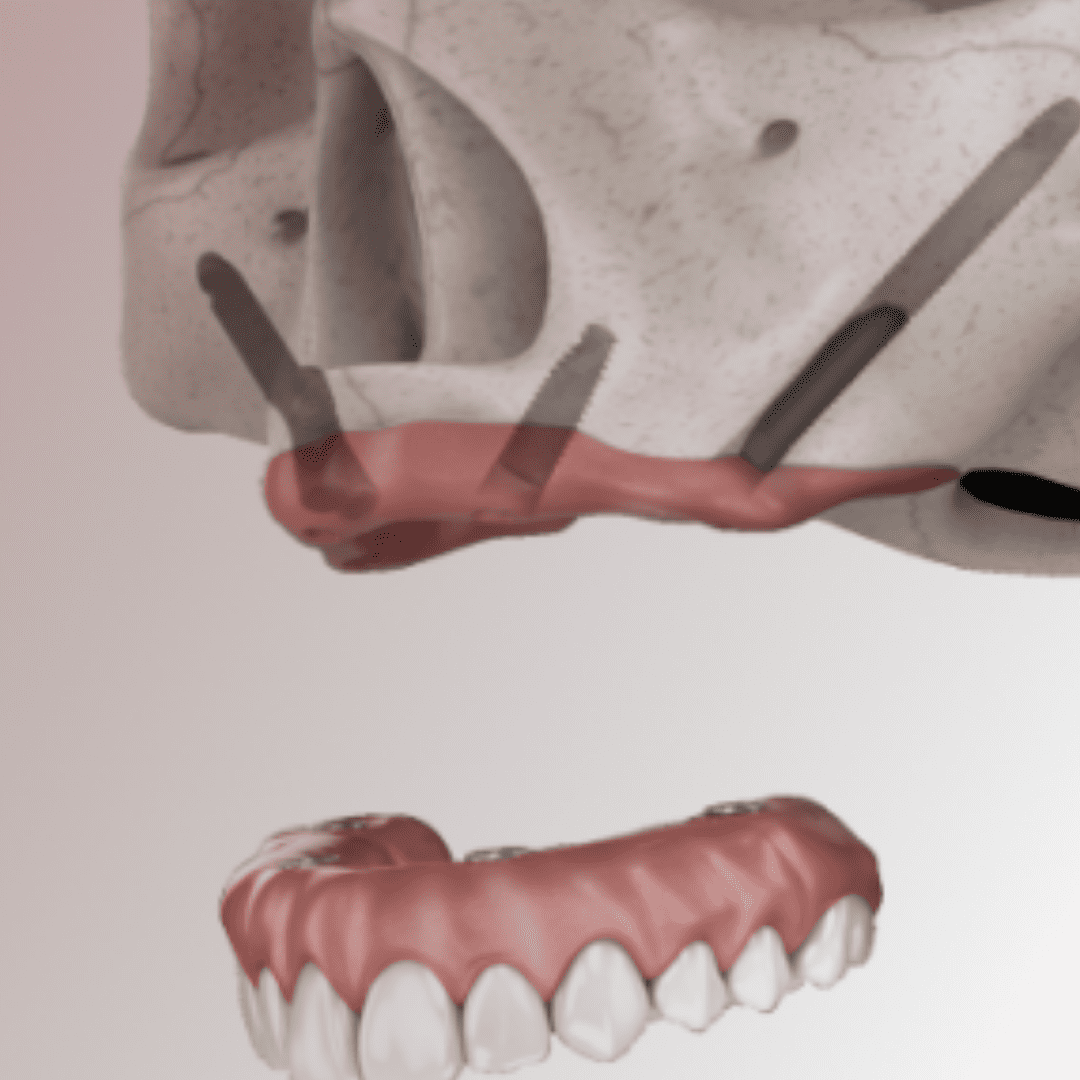
Options may include a different conventional implant configuration, shorter implants, bone grafting or specialist approaches such as zygomatic or pterygoid support in the upper jaw. A removable solution may also be appropriate. Each choice has its own treatment burden, risks, cost and maintenance.

What imaging contributes

Clinical examination and suitable imaging show the available bone and important structures. A scan helps planning but does not decide the restoration by itself. The teeth need appropriate position, lip support, cleaning access and a manageable bite. These requirements are considered with the surgical plan.

Further reading

General information supports a consultation. Your examination and written plan confirm suitable treatment.

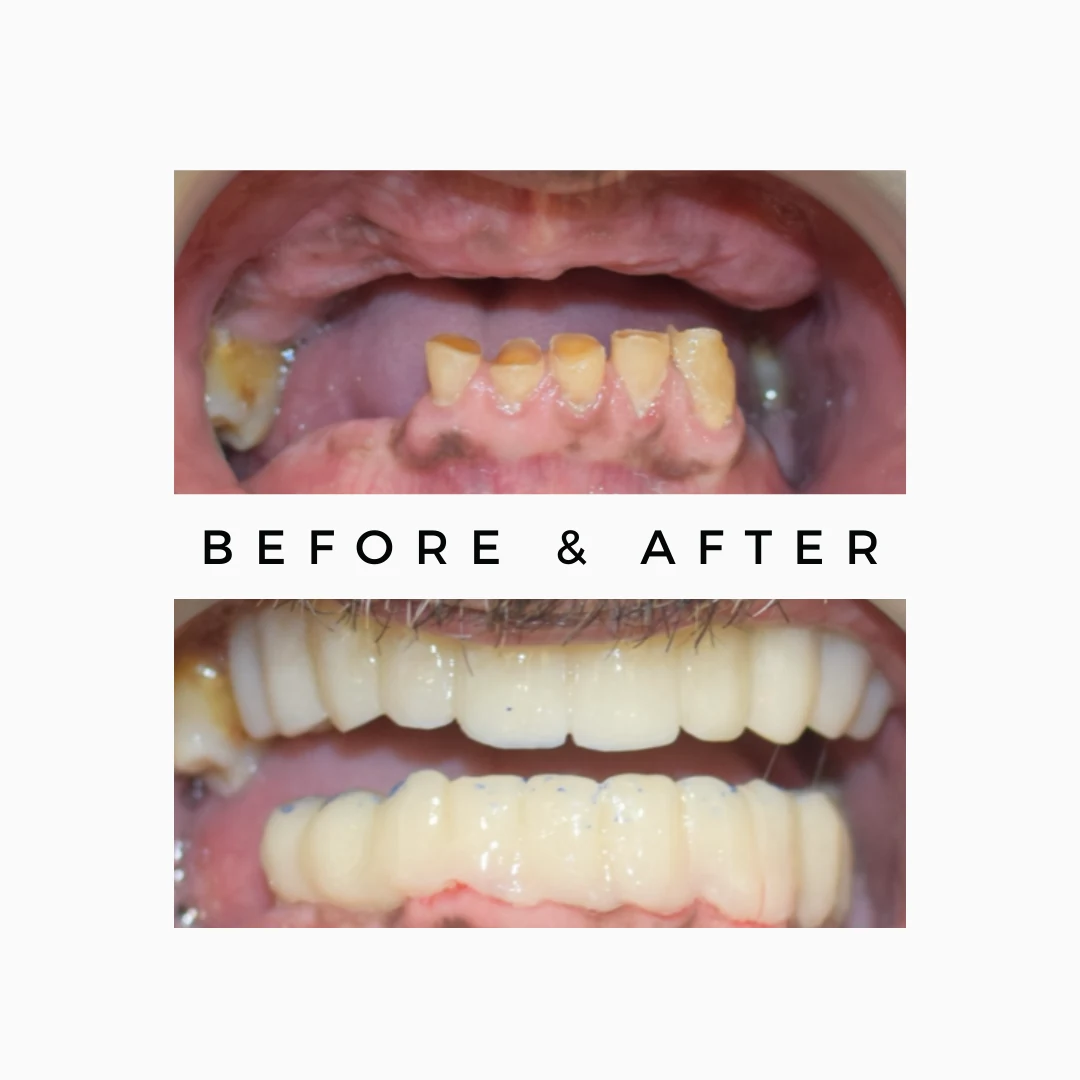
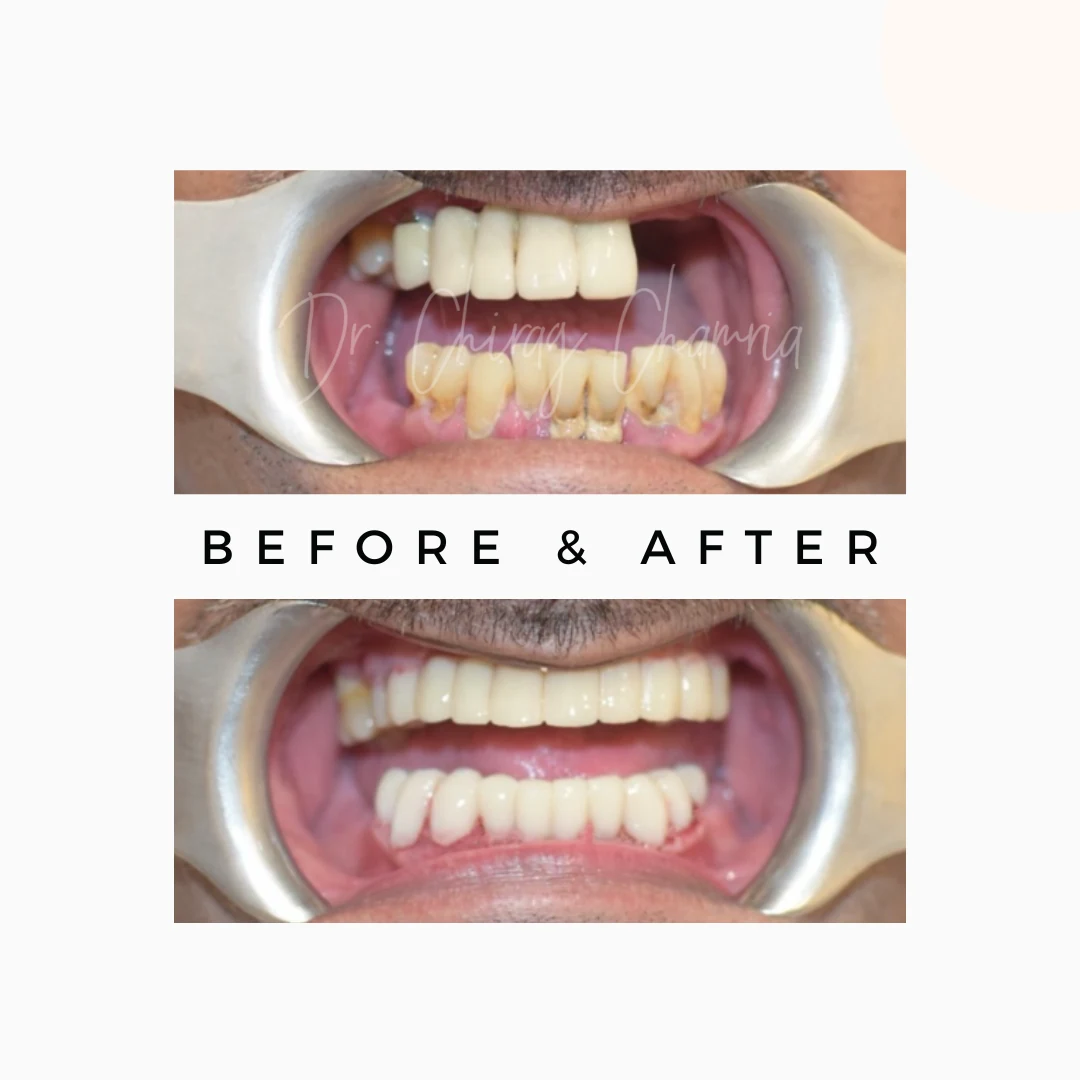
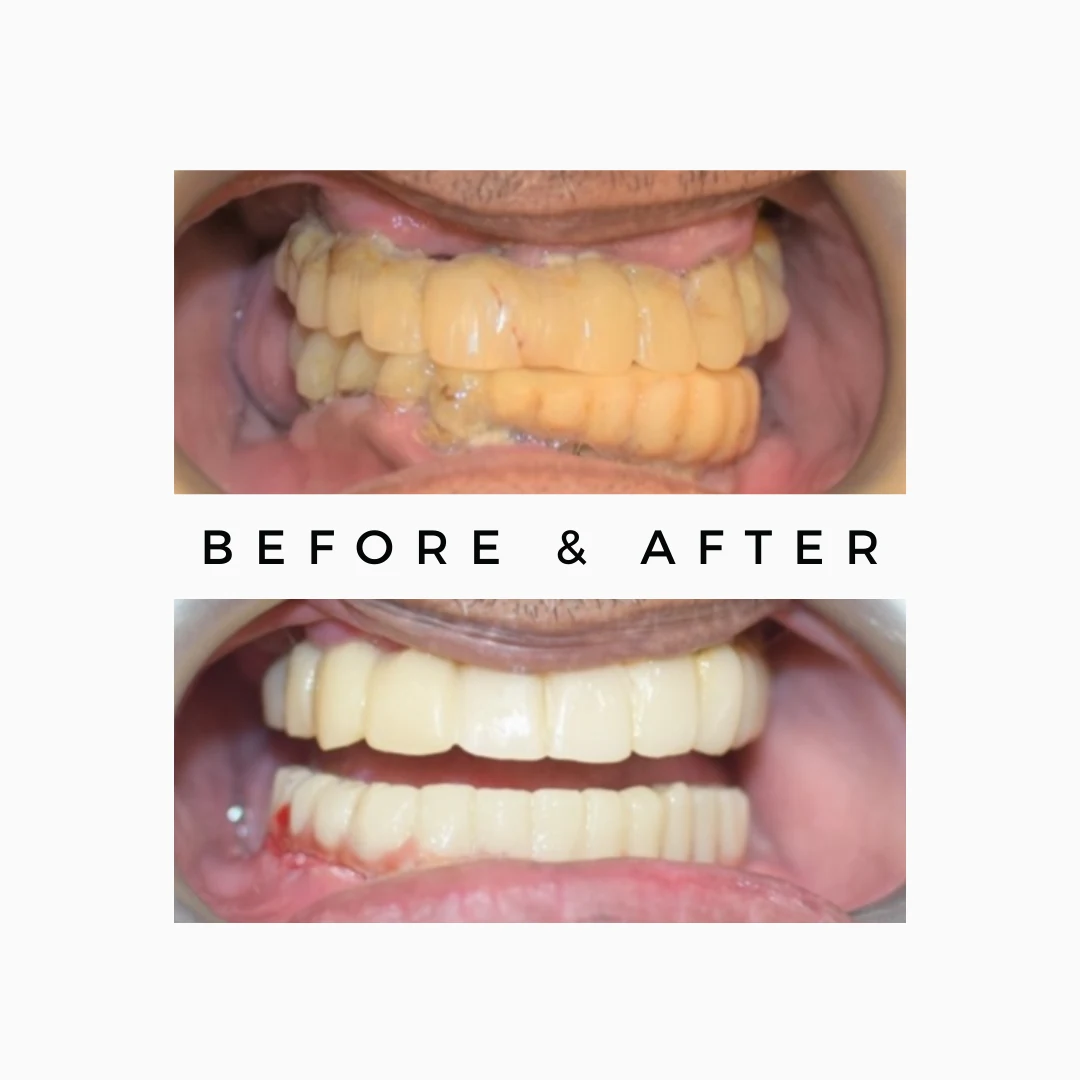
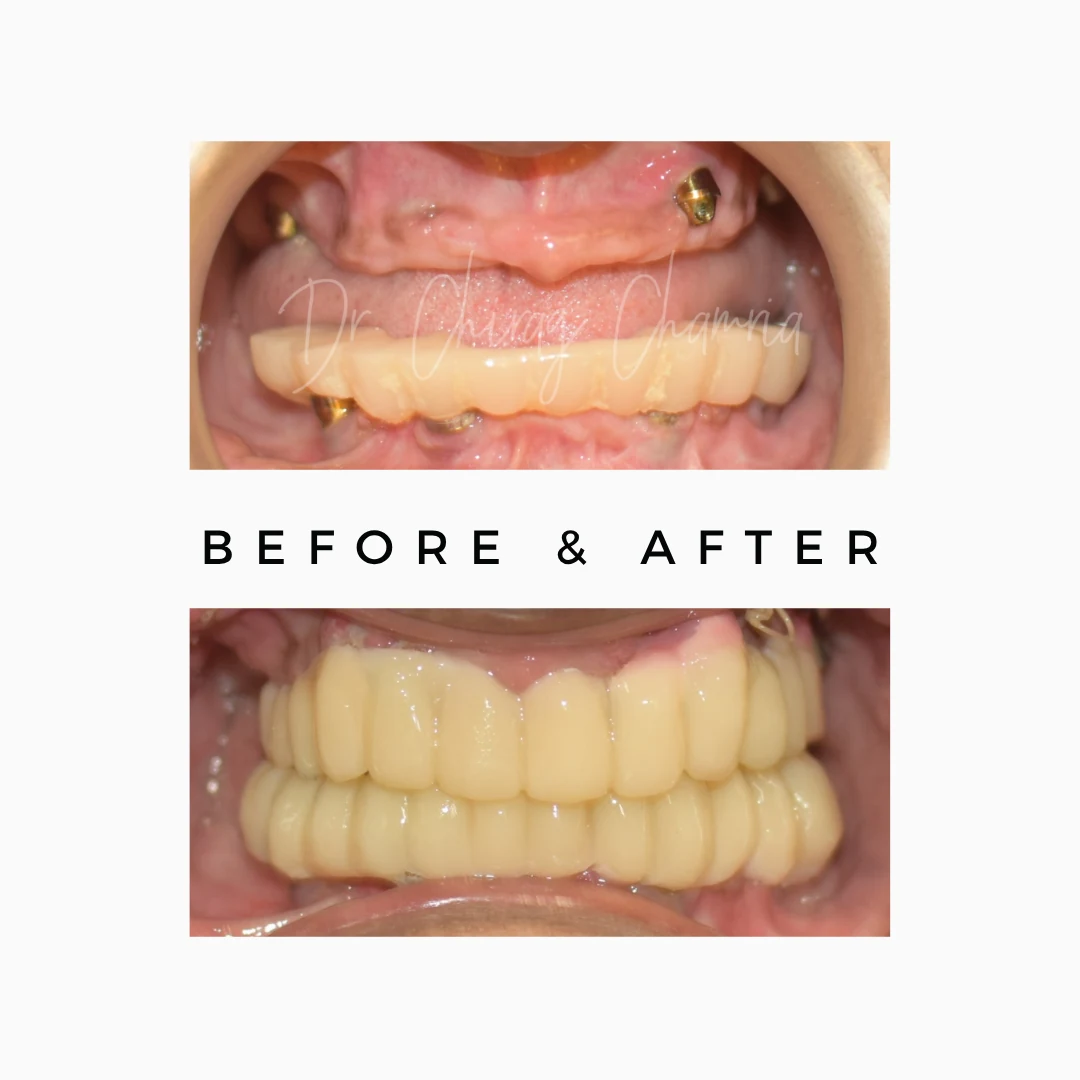
Before & after · Royal Dental patients

See the smiles.
Understand the possibilities.

Explore photographs of treatment published by our clinic. Your own plan starts with an individual assessment.

Actual photographs published by Royal Dental Clinics. Individual results vary; photographs alone do not establish the treatment, timeframe or suitability for another patient.

Zygomatic Dental Implants · Since 1983

Dental Implants with Less Bone, Get Fixed Teeth

Assessing the upper jaw and the planned teeth

Bone may be limited in one part of the jaw while other areas offer different possibilities. The scan must be interpreted with a clinical examination and the intended restoration. Ask the clinician to show which finding changes the plan and whether any additional investigation is likely to clarify the available options.

Comparing complex treatment options

Grafting and specialist implant approaches have different indications and practical requirements. A useful comparison covers the reason for treatment, expected stages, surgery, the replacement teeth and ongoing care. Avoid selecting a plan solely because it is advertised as involving less bone or fewer visits.

Patient stories · On YouTube

Hear it from
the person in the chair.

Watch patients describe their own treatment experiences, in their own words.

A patient’s experience of care

A patient’s life changing journey

80+ year old gets zygomatic implant

Individual patient experiences, shared on the clinic’s YouTube channel. Outcomes and treatment times vary.

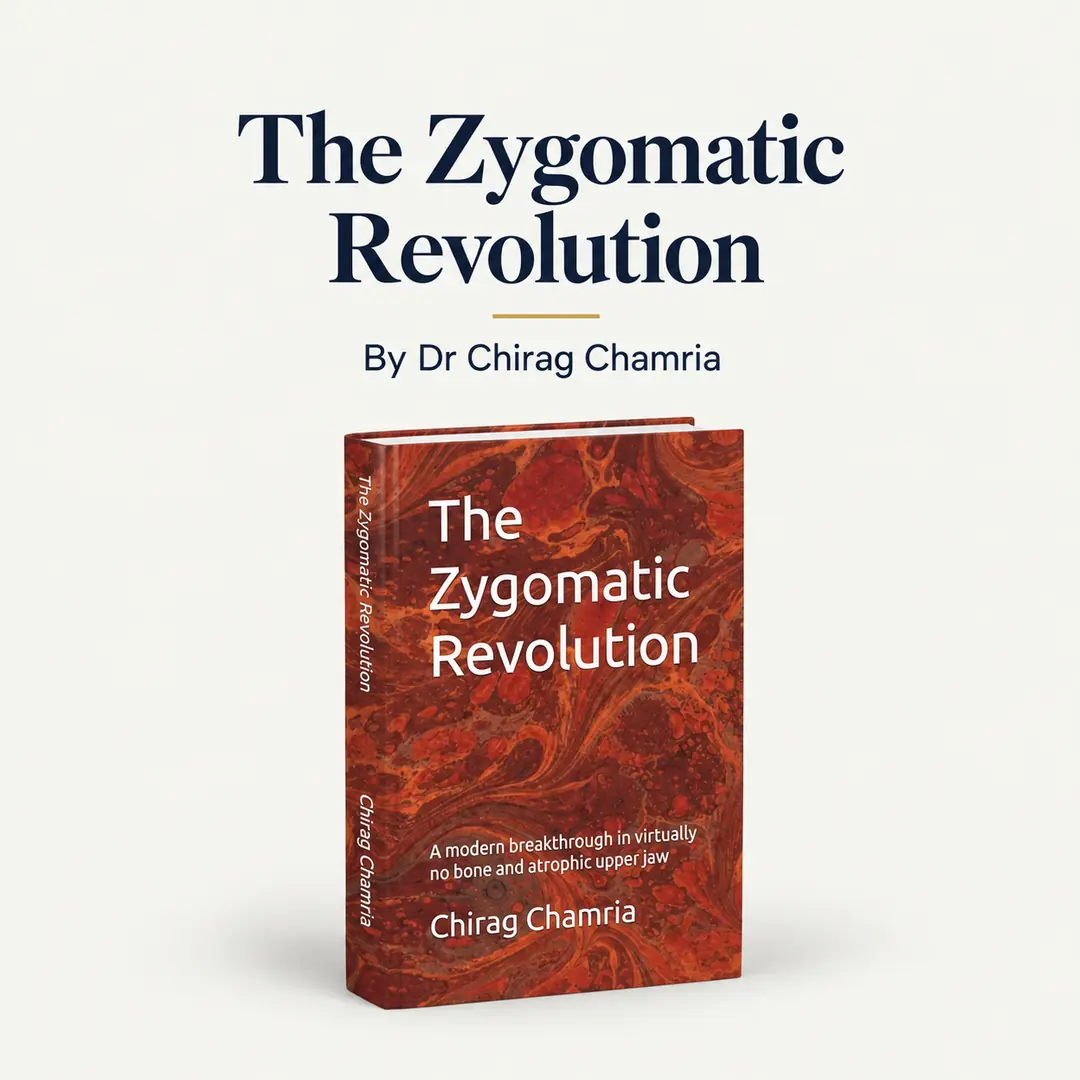
The Zygomatic Revolution
Meet your surgeon

The Zygomatic Revolution by Dr Chirag Chamria

  1. For patients, it provides understanding — how zygomatic implants work, what to expect, how recovery feels, and how real people regained the ability to smile, eat, and live fully again.
  2. For doctors, it offers insight — clinical evolution, scientific validation, practical pearls, and the mindset needed to pursue excellence in complex maxillary rehabilitation.

Questions before you decide

Your questions answered

A specialist assessment can review your scans and the previous plan. It may identify options, but it may also confirm that a particular implant approach is unsuitable.

No. Grafting can be appropriate. The choice depends on your anatomy, treatment goals, risks and the time available for healing.

No. Existing records support an initial discussion, but examination and appropriate imaging are needed to confirm suitability.

Options can include a different implant position or design, bone augmentation, selected advanced implant approaches, or removable teeth. The appropriate comparison depends on your anatomy and health.

Long-term tooth loss can change the jawbone, bite and facial support. These are assessed along with the denture fit and your goals before a replacement is designed.

Choose your centre

Mumbai and Jaipur

Mumbai · Kandivali East

79, V-Mall, Thakur Complex, Kandivali East, Mumbai 400101

Monday–Saturday · 8 am–7 pm
Sunday closed · By appointment

Jaipur · Shastri Nagar

Plot No 7, Subhash Nagar Road, in front of Krishna Kripa Apt, Shastri Nagar, Jaipur 302016

Appointments and current hours confirmed by the Jaipur team.

Same-day treatment needs separate confirmation

An alternative anchorage approach may make fixed treatment possible, but immediate loading still depends on stability and the overall plan. Some cases need staged treatment or healing before the teeth are fitted. The surgeon explains this before you reserve a treatment day or book travel.

A complete estimate and recovery plan

Ask for the proposed implants, restoration, material, anaesthesia and any additional surgery to be listed. Review the likely stay, dietary restrictions and follow-up. Complex procedures need continuing maintenance and a clear contact route if symptoms develop.

Age, health and implant suitability

The assessment considers whether jaw growth is complete, the condition of the gums and bone, medical health, medicines, tobacco exposure and the ability to maintain the restoration. Age alone does not determine suitability; an older person’s general health and support needs still matter.

Explain any previous implant failure or diagnosed material allergy, but do not assume that implant loss proves an allergy to titanium. Infection, bone support, mechanical factors, the prosthesis and other causes may require investigation. Material selection should follow a clear clinical reason.

Understanding options when upper-jaw bone is limited

An upper jaw with substantial bone loss can make conventional implant positioning difficult. Depending on the clinical findings, the discussion may include grafting, sinus-related procedures, different implant configurations or selected advanced approaches.

Zygomatic implants use support from the cheekbone in selected upper-jaw cases. Pterygoid implants may be considered for posterior support as part of a suitable plan. These are distinct approaches with specific anatomical, surgical and restorative requirements.

Ask why an approach is proposed for you, which alternatives are reasonable, the potential complications and the aftercare arrangements. Neither a description of “less bone” nor an online photograph can establish that an advanced implant procedure is appropriate.

WhatsApp