
What is the ideal oral health routine? It starts with developing healthy daily habits that are tailored to your individual needs. An ideal oral health routine involves maintaining consistent oral hygiene practices every day. In order to achieve this, you need to understand what works best for your specific oral health needs. Every person is different—some have sensitive teeth or bleeding gums, while others may be at risk of gum disease or tooth decay. Whatever your situation, following the right oral care routine can help prevent cavities, plaque buildup, and other dental problems while keeping your smile healthy.
Who Is This Article For?
- People wanting healthier teeth and gums
- Individuals prone to cavities or gum disease
- Parents teaching good oral hygiene habits
- Anyone looking to maintain long-term oral health
Brush your teeth twice a day
First and foremost, you have to make sure that you are brushing your teeth twice a day. This is important because it will help you remove any build-up of plaque from your teeth and gums. It will also help you prevent cavities, gingivitis, and other negative oral health effects. For best results, try brushing with fluoride toothpaste. Be sure to brush all the surfaces of your teeth, including the chewing surfaces.
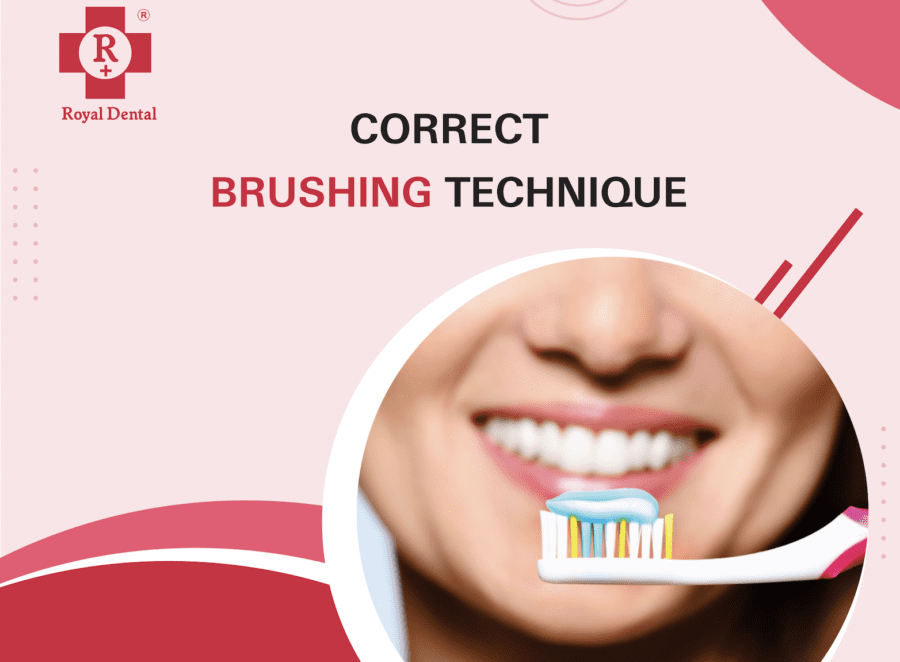
Also, be sure to brush your tongue as well to remove any bad breath-causing bacteria. Rinsing your mouth with water after you brush your teeth will help you remove any excess toothpaste residue and bacteria from your mouth. Closing Words Brushing your teeth twice a day is the most important step of any oral care routine. It removes plaque, bacteria and food remnants which can cause cavities, gingivitis and other oral diseases. A thorough brushing session should take at least two minutes.
Floss once a day for oral hygiene
The next step on your oral health routine is to floss once a day. This will help you remove plaque from your teeth that cannot be removed with a toothbrush. In addition to that, flossing will also help you reduce the risk of gum disease, which is one of the most common oral health issues. Floss can be a difficult task for many people. If you find it difficult to floss your teeth, there are many different tools that can help you, such as floss holders, floss picks, or electric flossers. Flossing is an essential part of any oral health routine. It is important to do it once a day and not to neglect it.
Use an oral rinse twice a day
An oral rinse will help you reduce the risk of cavities and gum diseases by controlling the number of bacteria in your mouth. It works by controlling the number of bacteria in your mouth by reducing the number of bacteria that is left in your mouth after brushing or flossing. Rinsing your mouth with water alone is not enough to remove all the bacteria. That is why an oral rinse is a great addition to any oral health routine.
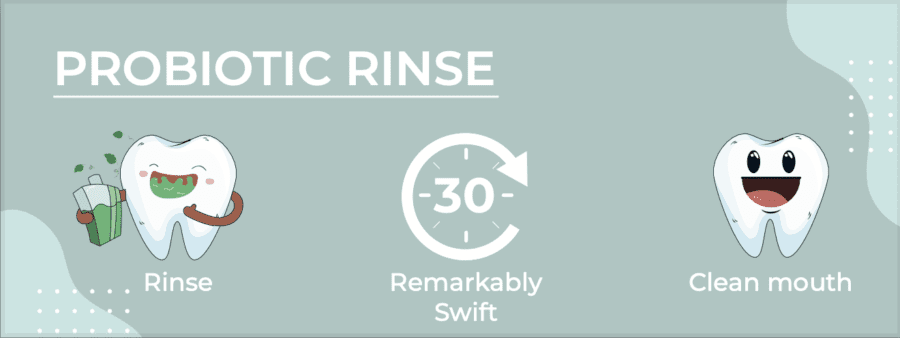
There are different types of oral rinses available, such as mouthwash and daily rinses. Some of these even come with added benefits, such as removing bacteria and reducing bad breath. Daily rinses are a great choice if you want to add oral care to your daily oral health routine. They are usually available over the counter, and they contain ingredients such as fluoride and essential oils that will help you fight against harmful bacteria and reduce cavities.
Eat a healthy diet for better Oral Health Routine
Another important aspect of your oral health routine is to eat a healthy diet. This means that you need to pay attention to what you are eating and how it will affect your oral health. This means that you need to reduce the amount of sugary and starchy foods in your diet. Doing this will help you prevent cavities, gingivitis, and other oral health issues. In addition, it will also help you maintain healthy teeth and gums for longer.
Visit your dentist regularly
Finally, the last step in your oral health routine is to visit your dentist regularly. This is important because your dentist will be able to help you identify any oral health issues that you might have and suggest ways to address them. Visiting your dentist every six months is the recommended time frame to have your oral health checked. This will help you identify any issues early on and get rid of them before they become serious. Your dentist will be able to clean your teeth, look for cavities, and advise you on any changes that you need to make to your daily oral health and hygiene routine.

Conclusion
A healthy smile begins with the right daily routine and regular professional care. Whether you need a preventive dental check-up or personalized guidance for your oral health, our experienced dental team is here to help.
Book your consultation today and receive a personalized oral health assessment and treatment roadmap designed to keep your teeth and gums healthy for years to come.
FAQs
What is the ideal oral health routine?
An ideal oral health routine includes brushing twice a day, flossing daily, using fluoride toothpaste, eating a healthy diet, and visiting your dentist regularly.
How many times should I brush my teeth each day?
Most dentists recommend brushing your teeth twice a day for two minutes using a soft-bristled toothbrush and fluoride toothpaste.
Is flossing really necessary?
Yes. Flossing removes plaque and food particles from between the teeth where a toothbrush cannot reach, helping prevent cavities and gum disease.
How often should I visit a dentist?
Routine dental check-ups are generally recommended every six months, although your dentist may suggest a different schedule based on your oral health.
Can a good oral health routine prevent gum disease?
Yes. Consistent brushing, flossing, professional cleanings, and healthy lifestyle habits can significantly reduce the risk of gum disease and tooth decay.