Keeping your teeth clean and healthy can seem like a challenge at times. However, with the right amount of motivation and dedication to your oral hygiene habits, you can make sure that your smile looks as fantastic as possible on a daily basis. Good oral hygiene habits can also help prevent conditions such as cavities, gingivitis, and periodontal disease. If you’re looking for some helpful tips to keep your pearly whites shining, then you’re in the right place! Below are some excellent ways to maintain good oral hygiene— so that you can be confident with your smile in any social situation!
How Can One Maintain Good Oral Hygiene is an important question for patients who want to prevent cavities, bad breath, gum disease, plaque build-up, and tooth decay. Daily habits like brushing twice a day, flossing once a day, cleaning the tongue, eating a healthy diet, using fluoride toothpaste, and visiting the dentist regularly can help maintain healthier teeth and gums.
Who is this Article For?
This article is for patients who want to understand how to maintain good oral hygiene at home and prevent common dental problems like cavities, bad breath, gum disease, plaque build-up, and tooth decay.
This blog helps patients understand that good oral hygiene is not only about brushing, but also about complete daily care and timely dental check-ups.
Brush your Teeth 2 times a day!
First and foremost, you’ll need to brush your teeth twice a day to keep your pearly white smile in top shape. Brushing your teeth removes plaque, the sticky bacteria that builds up on your teeth and can lead to cavities and gum disease. People with diabetes should brush their teeth after each meal. Brushing your teeth after each meal will help prevent the formation of dental caries and periodontal disease.
Brushing your teeth helps to prevent bad breath, too. Poor oral hygiene is one of the leading causes of bad breath. It’s important to remember that brushing alone isn’t enough to maintain good oral health. You also need to floss at least once a day. Flossing removes plaque from between your teeth, where your toothbrush can’t reach.
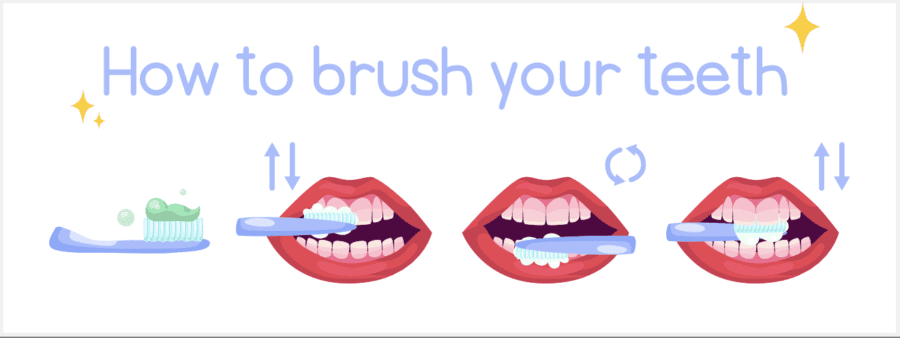
Brush regularly but not aggressively
Floss once a day for beautiful smile
When it comes to flossing, most people are split into two camps: those who do it, and those who don’t. However, the benefits of regular flossing far outweigh the negatives. Flossing helps prevent gum disease, cavities, and bad breath. It also helps to remove food particles from between your teeth that your toothbrush can’t reach. Flossing once a day is a great way to maintain good oral hygiene. If you’re not sure how to floss, there are plenty of videos online that can guide you through the steps.

Use a tongue scraper for oral hygiene
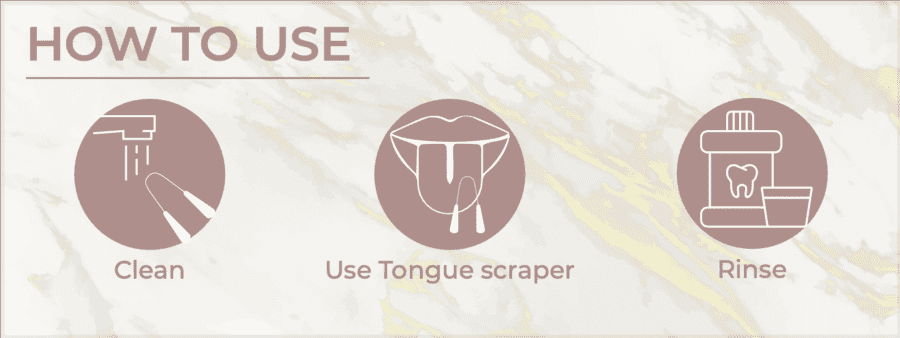
Your tongue can contain up to 100 million bacteria per ml. That’s more than your average toilet seat! It’s therefore essential to use a tongue scraper to cleanse your tongue and remove bacteria from the surface of your tongue. If you’re not sure why this is important, let us enlighten you. The bacteria on your tongue can lead to bad breath and cause cavities. It can also be responsible for gingivitis and periodontal disease. Your dental health is strongly linked to your diet.
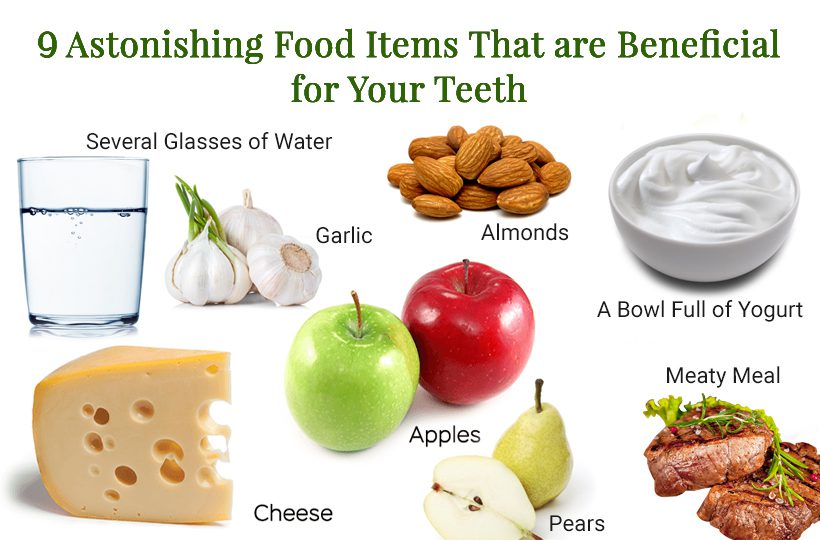
Eating lots of sugary foods and not getting enough fibre can lead to tooth decay. However, certain foods can also cause damage to your gums and increase your risk of periodontal disease. It goes without saying that the best way to combat these oral hygiene risks is to maintain a healthy diet. Cutting down on sugary and starchy foods, and increasing the amount of fibre in your diet will help to maintain good oral hygiene.
How Can One Maintain Good Oral Hygiene: Daily Habits Patients Should Follow
Step 1: Brush twice a day
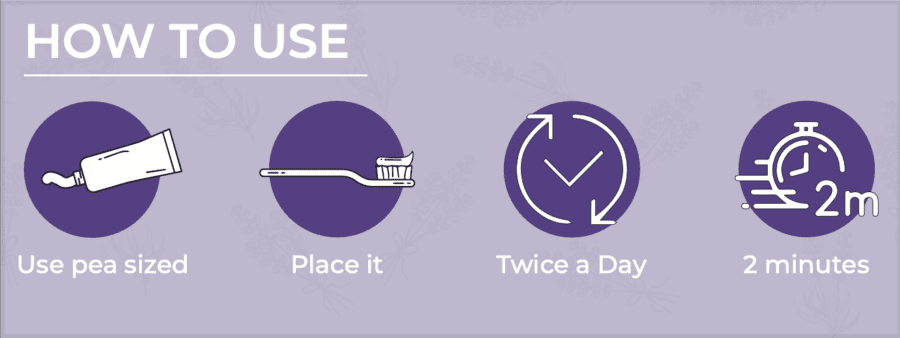
Brush your teeth twice daily using a soft toothbrush and fluoride toothpaste. Clean all tooth surfaces gently, including the front, back, and chewing areas.
Step 2: Floss once a day
Flossing helps remove food particles and plaque between the teeth where a toothbrush may not reach properly. This can help reduce the risk of cavities, gum problems, and bad breath.
Step 3: Clean your tongue
Bacteria and food deposits can collect on the tongue and cause bad breath. Cleaning the tongue gently every day can support better oral hygiene.
Step 4: Rinse after meals
Rinse your mouth with water after eating, especially after sugary, sticky, or acidic foods. This helps wash away food particles and reduce acid contact with the teeth.
Step 5: Use mouthwash only if advised
Mouthwash may help some patients, but it should not replace brushing and flossing. The right mouthwash depends on gum health, tooth sensitivity, cavity risk, and dentist recommendation.
Step 6: Eat a tooth-friendly diet
Limit sugary snacks, sticky foods, soft drinks, and frequent snacking. Include fibre-rich fruits, vegetables, calcium-rich foods, and enough water to support teeth and gum health.
Step 7: Visit your dentist regularly
Regular dental check-ups help detect cavities, gum disease, plaque build-up, and other oral problems early. Professional cleaning and timely advice can prevent small issues from becoming bigger dental concerns.
Rinse with mouthwash
Rinsing your mouth with mouthwash is a great way to maintain good oral hygiene. Mouthwash works to kill the bacteria in your mouth and prevent infections. Mouthwash can also help to reduce the amount of plaque on your teeth. There are many different types of mouthwash available. Mouthwash containing fluoride is a great choice to maintain good oral hygiene. Meaningfully, you should never drink mouthwash. Not only is it an unhygienic habit, but it can also cause damage to your teeth.
Visit your dentist regularly
Visiting your dentist regularly is an essential part of maintaining good oral hygiene. By visiting your dentist on a regular basis, you can identify any problems early and prevent any serious issues from developing further. Your dentist can give you advice on the right amount of brushing and flossing to do, along with any other oral hygiene practices that would suit your specific needs.
Your dentist can also identify any potential issues with your smile. They can recommend ways to prevent these issues from progressing and potentially becoming a serious problem down the line. Dentists can also help you to select the right toothbrush and toothpaste to maintain a healthy smile.
See a dentist regularly and check their reviews online!
Eat a healthy diet
As we’ve already discussed, eating a healthy diet is essential for maintaining good oral health. It’s also important for your general health too! For healthy teeth, you’ll want to focus on eating plenty of fibre and avoiding sugary and starchy foods. You should also try to avoid eating too quickly. Eating too quickly can cause plaque to form on your teeth. Once plaque has formed, there is little you can do to remove it. You’ll therefore want to avoid it in the first place!
Use Fluoride in Toothpaste
Drink fluoridated water and brush with fluoride toothpaste. Practice good oral hygiene. Brush teeth thoroughly twice a day and floss daily between the teeth to remove dental plaque. Visit your dentist at least once a year, even if you have no natural teeth or have dentures. Fluoride comes from an element in the earth’s soil called fluorine. Many experts believe that fluoride helps prevent cavities, and it is a common ingredient in toothpaste and mouthwash.
Conclusion
Looking after your teeth is an essential part of looking after your general health. It’s never too early to start maintaining good oral hygiene. By brushing your teeth twice a day and flossing once a day, you can keep your pearly whites looking fantastic.
Maintaining good oral hygiene is one of the simplest ways to protect your teeth, gums, smile, and overall oral health. Daily habits like brushing properly, flossing, cleaning the tongue, using suitable toothpaste, eating a balanced diet, and avoiding too much sugary food can help reduce the risk of cavities, bad breath, gum problems, and plaque build-up.
FAQs
1. How can I maintain good oral hygiene every day?
You can maintain good oral hygiene by brushing your teeth twice a day, flossing once a day, cleaning your tongue, rinsing your mouth after meals, eating a healthy diet, using fluoride toothpaste, and visiting your dentist regularly.
2. Why is brushing twice a day important?
Brushing twice a day helps remove plaque, food particles, and bacteria from the teeth. It can reduce the risk of cavities, gum disease, bad breath, and tooth decay when done properly with the right toothbrush and toothpaste.
3. Is flossing really necessary?
Yes, flossing is important because it helps clean between the teeth where a toothbrush cannot reach properly. It can remove trapped food and plaque and may help reduce the risk of gum problems and bad breath.
4. Should I clean my tongue daily?
Yes, cleaning the tongue can help remove bacteria and food deposits from the tongue surface. This may help reduce bad breath and support better overall oral hygiene.
5. Is mouthwash needed for everyone?
Mouthwash may be useful for some patients, especially when advised by a dentist. However, it should not replace brushing and flossing. The right mouthwash depends on the patient’s gum condition, tooth sensitivity, cavity risk, and oral hygiene needs.
6. How does diet affect oral hygiene?
Diet plays an important role in oral health. Too much sugary, sticky, or starchy food can increase plaque and tooth decay risk. Fibre-rich foods, balanced meals, good hydration, and limiting sugary snacks can support healthier teeth and gums.
7. How often should I visit the dentist?
Patients should visit the dentist regularly for check-ups and cleaning as advised. Regular dental visits help detect cavities, gum disease, plaque build-up, and other oral concerns at an early stage before they become more serious.