
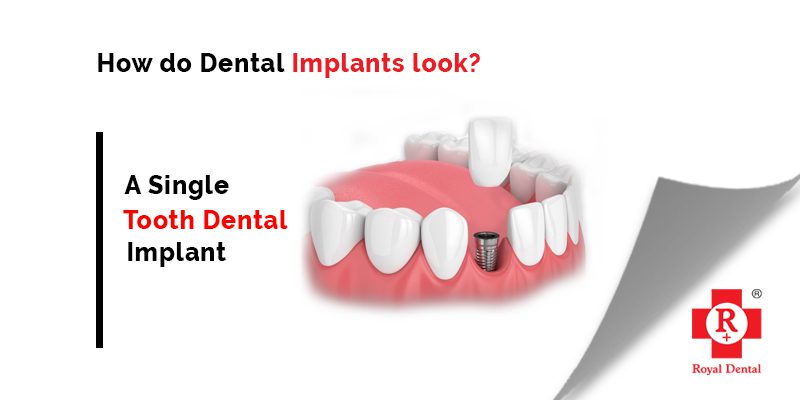
Dental implants are a long-term solution for missing teeth. They are artificial tooth roots that can be used to anchor a replacement tooth, known as an end-osseous implant. Implants are often used to replace missing jaw bones, but they can also be used to replace individual teeth regardless of whether or not the adjacent jawbone is still present. In this article, you will learn more about implants and why they make such a great long-term solution when it comes to replacing missing teeth.
Are Dental Implants Safe in the Long Run is a common question for patients who are planning dental implants for missing teeth. Dental implants can support replacement teeth and may provide a stable long-term option when treatment is planned after checking jawbone support, gum health, medical history, bite condition, and oral hygiene.
Who is this Article For?
This article is for patients who have missing teeth and want to understand whether dental implants are safe as a long-term tooth replacement option.
This blog helps patients understand the benefits, treatment process, bone support requirement, possible side effects, and why implants should be planned only after proper consultation, scans, and clinical evaluation.
What is a Dental Implant?
A dental implant is a small, metal fixture that is placed in the jawbone. These fixtures can be used to provide a foundation for a dental prosthetic, such as a crown, bridge, or dental retainer. Dental implants are often used when an individual has lost a tooth and needs a long-term solution for replacing that tooth. Implants can be placed on the upper or lower jaw and can be used to replace one or multiple teeth. When an implant is placed, a titanium post is surgically placed into the jawbone. Once the implant has integrated with the jawbone, it will fuse with the jawbone over time. This allows an implant to provide a stable foundation for a new tooth.
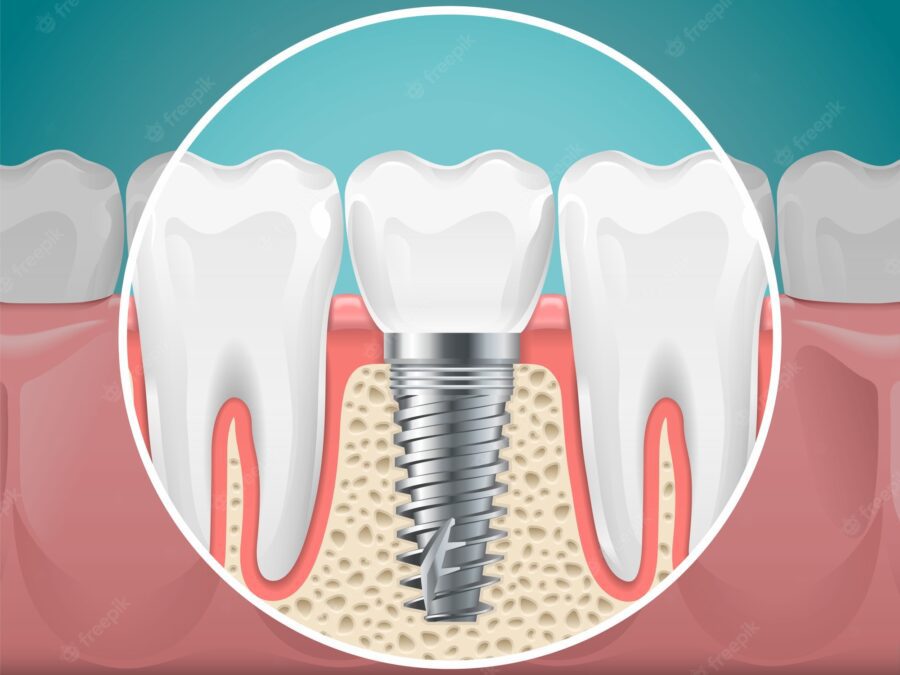
The process of getting an Implant
Before an implant, check with your dentist will need to assess the surrounding bone health of the patient. If the bone has been significantly weakened, the dentist may recommend a bone grafting procedure be performed before the dental implant can be placed. Implants can be placed either on the upper or lower jaw, but they can only be used to replace one or two teeth. This means that an implant can only be used to replace a single tooth, or two teeth if they are placed next to each other.
The process of placing a dental implant involves multiple steps, including:
- Damaged tooth removal
- Jawbone preparation if need be
- Implant placement with artificial tooth on same day
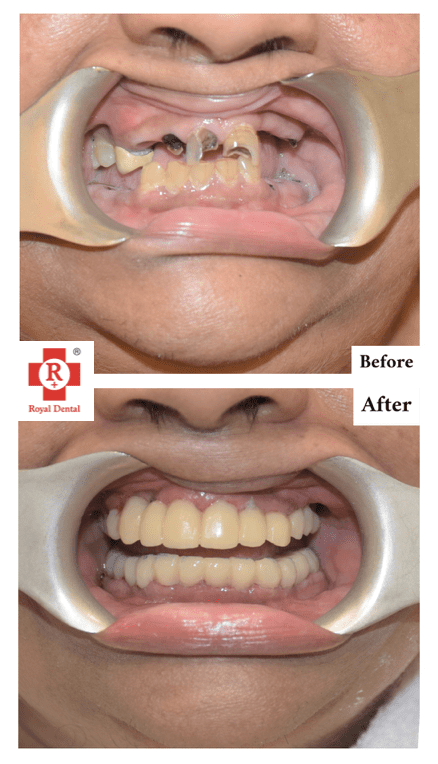
Benefits of Dental Implants for missing teeth
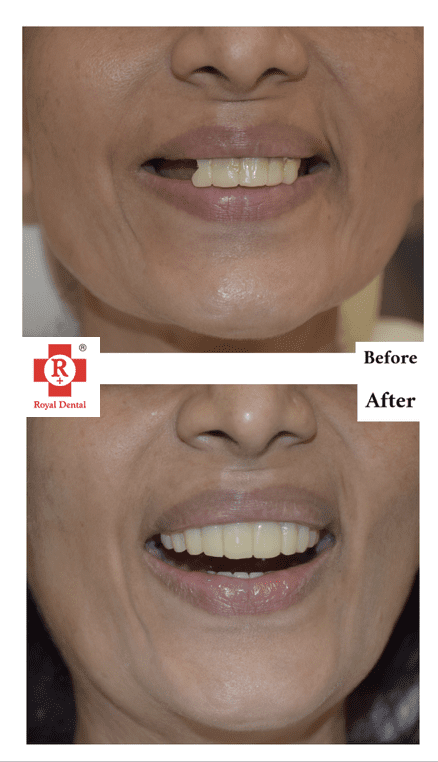
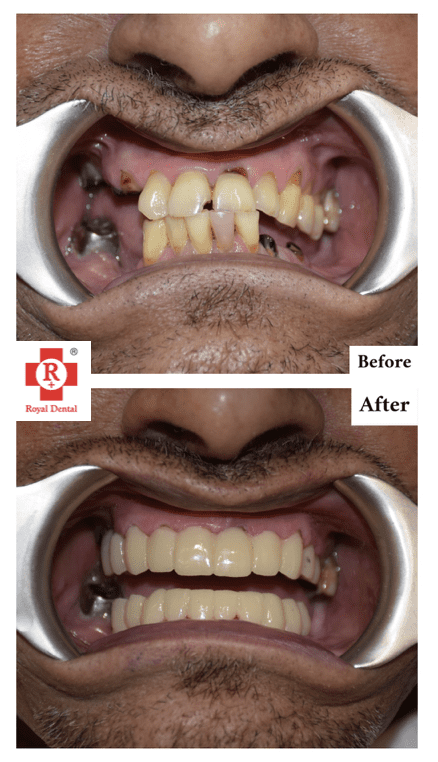
First, they are a long-term solution for missing teeth. This means that they can provide a stable foundation for your new tooth that can last for many years. Implants are also a great alternative to dentures.
Since implants are placed inside the jawbone, they provide a stable foundation that is highly unlikely to dislocate like dentures are known to do.
Implants also help to prevent future health issues. They are less likely to cause issues with your jaw muscles, your TMJ, and your jaw joints than dentures are.
This is thanks to the fact that implants are a natural part of your jaw, whereas dentures are not.
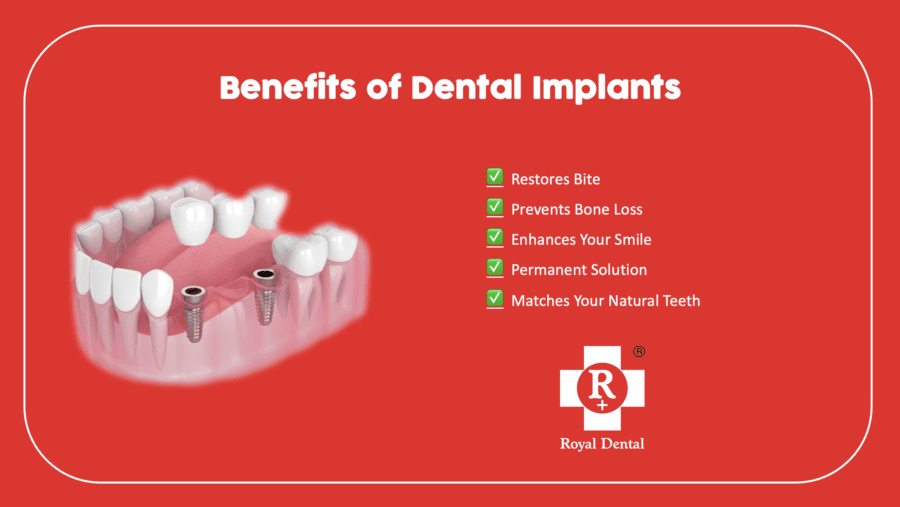
Side effects of Implants for missing teeth
While dental implants are a long-term solution for missing teeth, they do come with some potential side effects. One side effect of dental implants is an increased risk of gum disease. This is because gums are often pushed away from the teeth when a dental implant is placed. This can cause the gums to become inflamed and infected.
Dental implants can also cause an allergic reaction in some patients. If you are allergic to the materials used to make the dental implant, you may experience some unpleasant side effects including itching, swelling, and an itchy rash. Another potential side effect of dental implants is that the new tooth may appear different from your other teeth. This is because the new tooth will be larger than your natural teeth.
Conclusion
As you can see, implants are a long-term solution for missing teeth. They provide a stable foundation that can last for many years and can also help to prevent future health issues. However, dental implants do come with some potential side effects that you should be aware of. Now that you know what implants are and how they can benefit you, you can make an informed decision about whether or not dental screws are right for you.
Dental implants can be a stable and long-term option for replacing missing teeth when they are planned properly. They help support crowns, bridges, or fixed teeth and may improve chewing comfort, smile appearance, speech, and daily oral function.
FAQs
1. Are dental implants safe in the long run?
Dental implants can be safe in the long run when they are planned after proper diagnosis, bone assessment, gum evaluation, and medical history review. Long-term safety also depends on oral hygiene, regular follow-up visits, bite pressure, and patient care.
2. What are dental implants used for?
Dental implants are used to replace missing teeth. They act as artificial tooth roots and can support crowns, bridges, or other dental prosthetic options depending on the patient’s treatment plan.
3. Who is suitable for dental implants?
Patients with missing teeth, healthy gums, enough jawbone support, and good general health may be suitable for dental implants. The dentist must check bone condition, gum health, bite, medical history, and X-rays or CBCT scans before confirming suitability.
4. What are the benefits of dental implants?
Dental implants can provide stable support for replacement teeth, improve chewing comfort, help restore smile appearance, and reduce dependence on removable dentures. They may also feel more fixed compared to loose dentures in suitable cases.
5. What are the possible side effects of dental implants?
Possible side effects may include pain, swelling, gum inflammation, infection, allergic reaction, discomfort, or difference in the appearance of the replacement tooth. Patients should discuss risks with the dentist before starting implant treatment.
6. Can dental implants fail over time?
Yes, dental implants can fail in some cases due to infection, poor oral hygiene, gum disease, smoking, uncontrolled diabetes, excessive bite pressure, poor bone healing, or missed follow-up visits. Early diagnosis and regular care can help reduce these risks.
7. How can I take care of dental implants for long-term safety?
Patients should brush properly, clean around the implant, follow the dentist’s hygiene instructions, avoid smoking, attend follow-up visits, and report pain, swelling, bleeding, bad smell, or looseness early. Proper care helps maintain implant health for the long run.