
When you think of dental implants, the first thought that comes to mind is probably not safe. That’s because any medical procedure always seems risky when you hear about it for the first time. However, in this case, there is no need to worry. There are many benefits of dental implant surgery and it is completely safe as long as you find a certified dentist to conduct the process with you.
Implantology has been around for more than a century but only recently have they become popular among patients who want to replace missing teeth and avoid wearing dentures all their life. A dental implant is a small metal screw that functions as a tooth root. It’s inserted beneath the gums so that artificial teeth can be fixed on top of it. Here’s what you need to know about these tiny artificial roots before getting one yourself!
Who is this Article For?
This article is for patients who are planning dental implant surgery and want to understand how safe the procedure is before starting treatment. The blog helps patients understand that dental implant surgery is usually planned after checking oral health, jawbone support, gum condition, medical history, diabetes, smoking habits, bite pressure, and scan findings.
What is a Dental Implant?
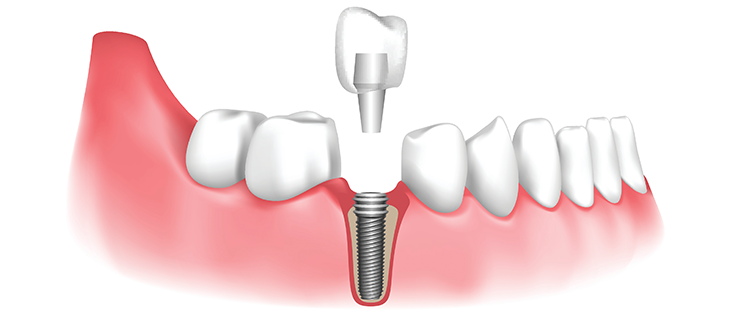
Dental implants are medical devices surgically implanted into the jaw to restore a person’s ability to chew or their appearance. Once the implant is in place, a dentist will place a tooth on top of it. Dental implants are a great option for people who have missing teeth because they are long-lasting, and have few complications. They are especially good for people who have trouble with dentures, who have poor bone quality, or who have had a tooth removed due to gum disease. Implants are typically made of titanium and are shaped like a small screw.
How Safe Is Dental Implant Surgery is a common question for patients who are planning to replace missing teeth with dental implants. The safety of implant surgery depends on proper diagnosis, jawbone support, gum health, medical history, scan evaluation, surgical planning, oral hygiene, and regular follow-up care.
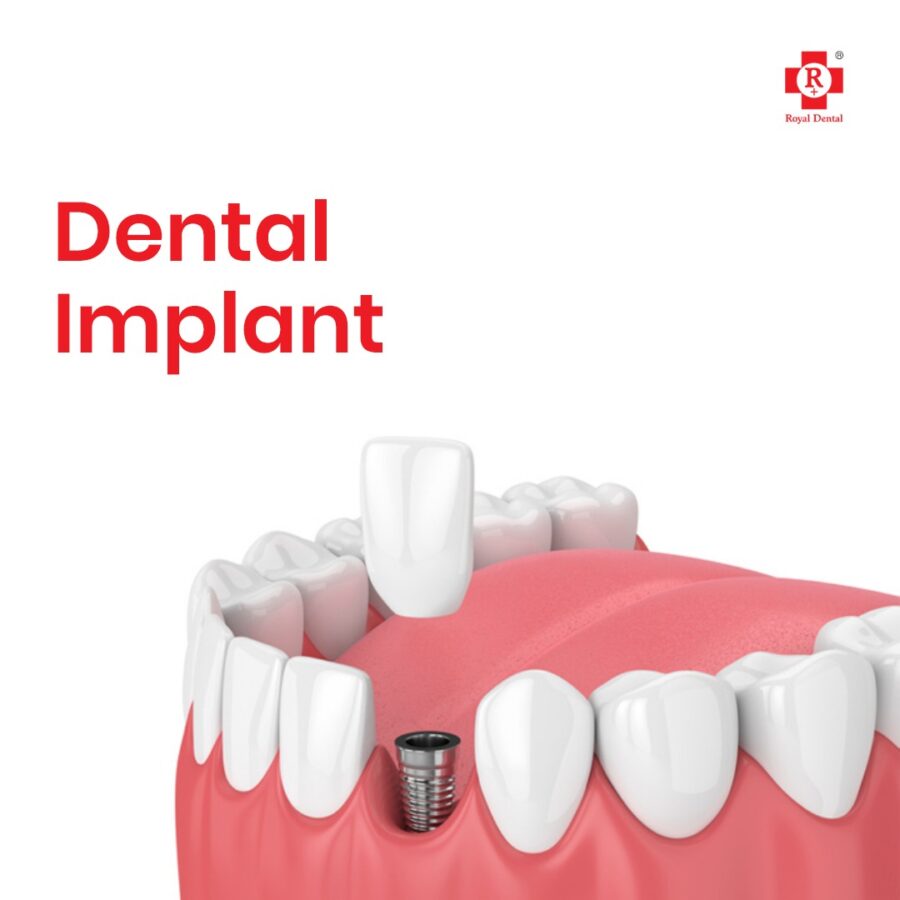
Your dentist will implant the screw into your jaw bone. This is usually done on one side of your mouth at a time. Once the implant is in place, your dentist will place a small screw on the outside of your mouth that holds the artificial tooth in place.
Why is the Dental Implant Surgery Safe?
The answer is “yes.” This procedure has been used successfully in dentistry for more than 30 years, and is regarded to be extremely safe. For the majority of patients who are in good health, there is almost no risk of any major complications or problems with the dental implant procedure.
Since they are placed inside the gums, dental implants do not get continuously exposed to saliva which is to cause gum disease. They are also implanted into a hard substance called bone so they cannot be infected by bacteria. Plus, they are made of a metal that is non-reactive to body fluids which also makes them safe. These tiny artificial roots can be safely cleaned with the help of an ultrasonic scaler and an antibacterial mouthwash. And yes, you can even floss them.


The Advantages of Dental Implant Surgery
- Implant-based dentures are more secure and stable than conventional dentures.
- They also improve speech, oral hygiene, and facial aesthetics.
- People who get implants are able to eat whatever they want because they are fixed to the jaw and can therefore withstand more pressure when biting.
- Post-implantation, you don’t have to struggle with cleaning and hygiene issues.
- Also, you can also eat whatever you want because the artificial teeth are fixed on an implant which is firmly anchored in the jaw.
Are Implants Painful?
They are considered to be the best options to replace missing or damaged teeth. The procedure itself is not painful since it is performed with either general or local anesthesia to completely numb the mouth. After dental implantation, once the numbness wears off, mild pain may be noticed by the patient.
Who can benefit from Dental Implants?
Anyone who has lost teeth can benefit from dental implants. These patients also have increased risk of gum disease, dry socket, and have a shorter lifespan of the implant. Patients with good oral hygiene, no history of tooth extraction, sufficient bone volume, and good dental health can benefit from dental implants. A professional dentist can help you decide if dental implants are the best option for you. They will also guide you through the whole process and make sure you are in safe hands.
Conclusion
Implants are tiny screws that are implanted in your jawbone to replace missing teeth. They are a safe, long-lasting alternative to conventional dentures. Implants can also improve speech, oral aesthetics, and eating habits. Anyone who has lost teeth can benefit from dental implants. A dentist can help you decide if dental implants are the right procedure for you.
Dental implant surgery can be a safe and reliable treatment option for replacing missing teeth when it is planned properly. Like any surgical procedure, it may have risks such as pain, swelling, infection, gum inflammation, bone loss, implant loosening, nerve-related symptoms, or delayed healing in some patients.
FAQs
1. Is dental implant surgery safe?
Dental implant surgery is generally considered safe when it is planned after proper dental examination, medical history review, and scan evaluation. The safety depends on the patient’s oral health, bone support, gum condition, medical fitness, and the dentist’s treatment planning.
2. What are the common side effects after dental implant surgery?
Some patients may experience mild pain, swelling, bruising, bleeding, or discomfort after implant surgery. These symptoms usually reduce with medicines, rest, soft food, and proper post-operative care as advised by the dentist.
3. What are the risks of dental implant surgery?
Possible risks may include infection, gum inflammation, bone loss, implant loosening, delayed healing, nerve-related symptoms, sinus-related concerns in upper jaw cases, or implant failure. These risks can be reduced with proper diagnosis, planning, hygiene, and follow-up care.
4. Who may not be suitable for dental implants?
Patients with uncontrolled diabetes, heavy smoking habits, poor oral hygiene, active gum disease, severe bone loss, or certain medical conditions may need extra evaluation before implant surgery. The dentist will decide suitability after checking the patient’s complete condition.
5. How can I make dental implant surgery safer?
Patients can support safer healing by following the dentist’s instructions, taking medicines on time, eating soft food after surgery, avoiding smoking and alcohol, maintaining oral hygiene, and attending follow-up visits regularly.
6. Can dental implants fail?
Yes, dental implants can fail in some cases due to infection, poor bone healing, excessive bite pressure, smoking, uncontrolled diabetes, gum disease, poor oral hygiene, or missed follow-up visits. Early detection of warning signs can help manage problems before they become serious.
7. When should I contact my dentist after implant surgery?
You should contact your dentist if you notice severe pain, increasing swelling, fever, pus, bleeding, bad smell, loose implant, numbness, tingling, or difficulty chewing. These signs should not be ignored and need professional evaluation.
Medical Disclaimer
This article is for patient education only. Dental treatment should be planned after clinical examination, medical history review, and X-rays or scans where required. Treatment suitability, cost, timeline, healing, and results vary from patient to patient.