
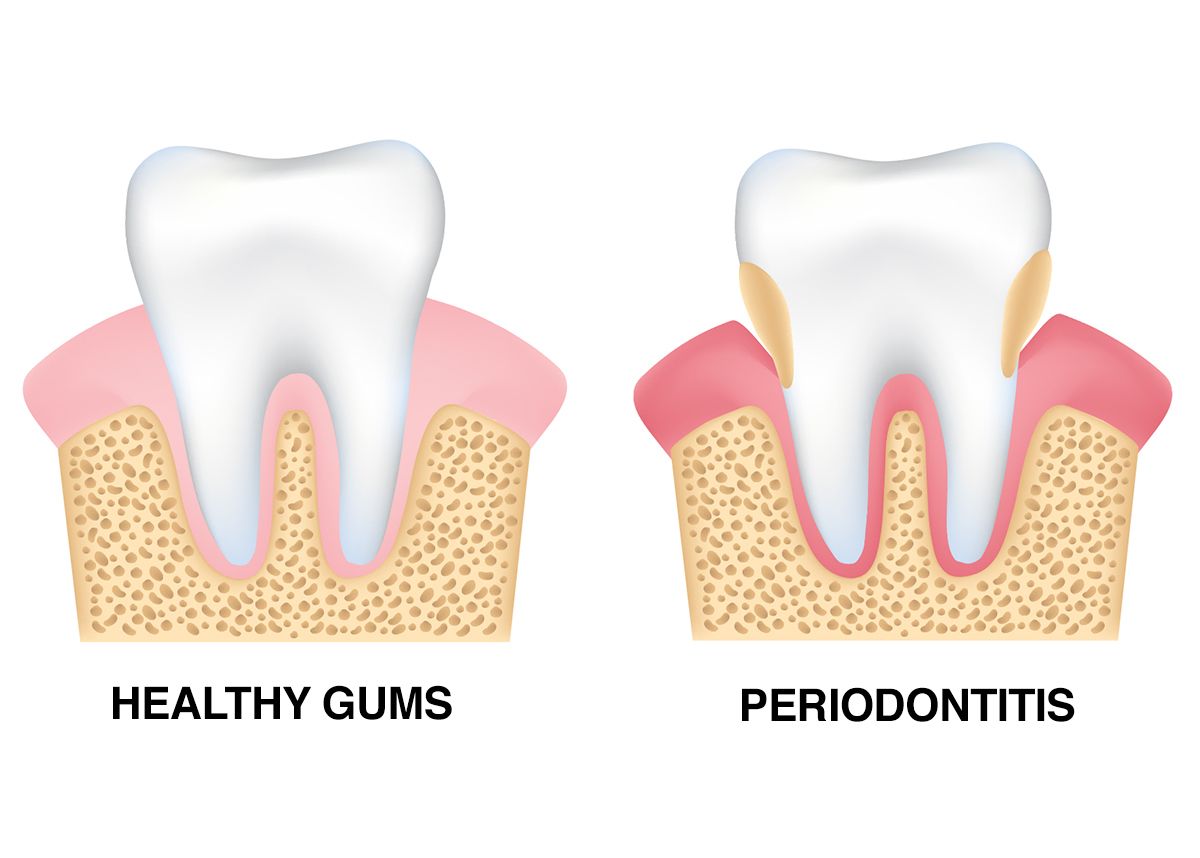
Growing gums around dental crowns can be challenging sometimes. It’s something that you need to keep a close eye on and regularly monitor. If left unchecked, your gums might grow so much that they cause the crown to come loose and fall out. That is why it is important to take necessary precautions when you have a dental crown because it increases your risk of growing gums around dental crowns. Here are some easy home remedies for growing gums around dental crowns.
Who is this article for?
This article is for patients who notice gum recession, swelling, redness, bleeding, food lodgement, black lines, or gaps around dental crowns. It is also useful for patients who feel that the gum has moved away from an old crown. Gums do not always simply “grow back” around a crown, so the real cause must be checked by a dentist.
Why do gums recede around dental crowns?
Gum recession around crowns may happen due to aggressive brushing, gum disease, plaque accumulation, poor crown margins, over-contoured crowns, thin gums, ageing, or bite trauma. In some cases, the crown is healthy but the gum tissue has changed over time. In other cases, the crown may need correction or replacement.
Can gums grow back around dental crowns?
Receded gums usually do not grow back completely on their own. If the gum has pulled away, the dentist must check whether the problem is cosmetic, hygiene-related, infection-related, or due to the crown margin. Treatment may include cleaning, gum care, crown replacement, bite correction, or gum procedure in selected cases.
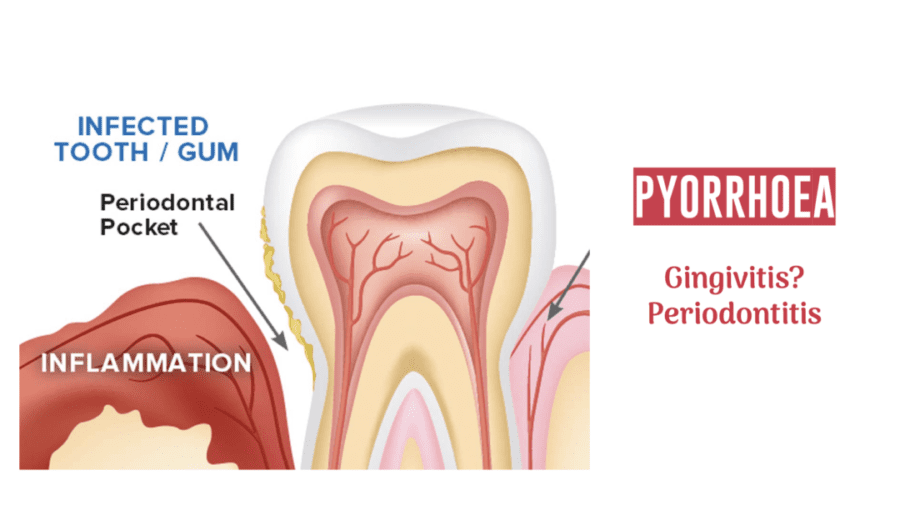
When should a crown be replaced because of gum problems?
A crown may need replacement if it is loose, leaking, overhanging, poorly shaped, causing repeated food lodgement, irritating the gums, or showing decay underneath. Replacing the crown may help improve cleaning access and gum health, but only after proper diagnosis.
How to care for gums around crowns?
Brush gently with a soft toothbrush, clean between teeth, use floss or interdental brushes where advised, and attend regular dental check-ups. If bleeding or swelling continues, do not rely only on home remedies. Gum problems around crowns should be professionally evaluated.

Right Food for Gum Recession around Dental Crowns
You may have heard it before, but the right diet for growing gums around dental crowns is very important. Your diet determines the health of your gums and teeth. The following are things that you should avoid if you’re trying to grow gums around dental crowns:
- A diet high in sugar and carbohydrates can lead to tooth decay and contribute to periodontal disease.
- Foods that are high in fat will increase the level of bad cholesterol in your blood, which increases your risk of developing gum disease.
- Foods containing high amounts of sodium can contribute to the loss of bone around your teeth, which can result in tooth loss. Foods with Vitamin A and iron can cause bleeding gums.
- The citric acid found in lemons is highly acidic and can erode the enamel on your teeth.
Brush regularly on Dental Crowns
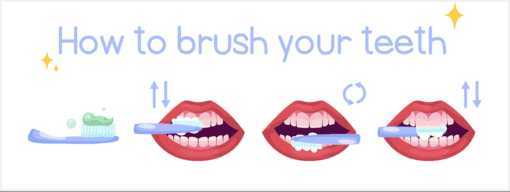
One of the most important home remedies for growing gums around dental crowns is to maintain a good oral hygiene routine. Brush and floss your teeth regularly to remove the plaque and other bacteria from your mouth. This will help your gums stay strong and healthy. Make sure that you are using a soft-bristled toothbrush and brushing your teeth for at least 2 minutes.
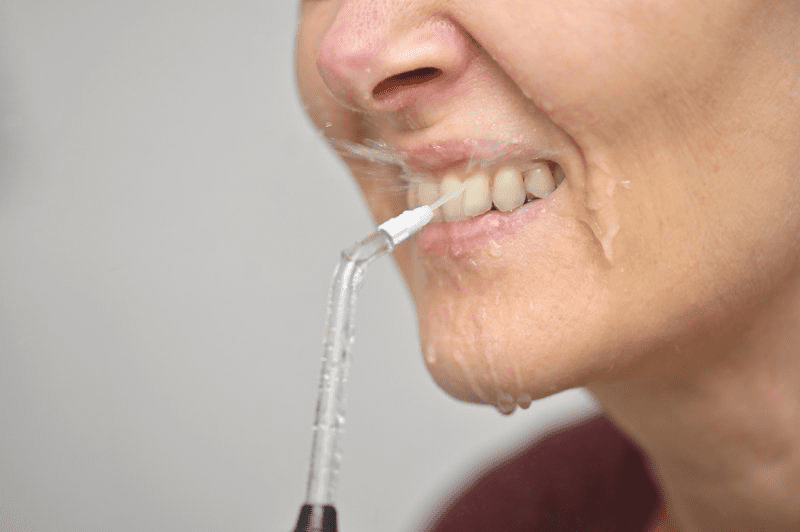
You can also use an interdental cleaner to clean the areas between your teeth where the brush cannot reach. Also, make sure that you are flossing your teeth regularly so that you can clean the gum line and remove any bacteria that is trapped between your teeth and the gum line. If you have dental crowns, you should be extra careful when flossing because you don’t want to dislodge the dental crowns
Use a Soft-Bristled toothbrush
A soft-bristled toothbrush is the best type of toothbrush to use if you have dental crowns. You should use a soft-bristled toothbrush even if you don’t have crowns because it is the best type of toothbrush to use. A regular toothbrush is too harsh and will cause damage to your gums around dental crowns. They are very porous and can easily trap bacteria.
A soft-bristled toothbrush prevents the accumulation of bacteria and keeps your gums healthy. You can also make your own soft-bristled toothbrush at home. It may just need to get a regular toothbrush and a nail brush and then remove the bristles from the toothbrush. You can also use a soft-bristled toothbrush that has antimicrobial bristles.
Daily use of Mouthwash for Dental Crowns
A mouthwash is very effective at keeping your gums healthy and fighting bacteria. You can use mouthwash daily to strengthen your gums around dental crowns and prevent them from growing too much. You can also use it to freshen your breath. Some mouthwashes also contain fluoride, which you can use to strengthen your teeth. If you want to grow your gums around dental crowns, you should look for mouthwashes that don’t contain alcohol in them.
A mouthwash like Clove Bud Mouthwash is a good option. It is antibacterial and antiseptic in nature. It also contains essential oils, which help to prevent bad breath. If you have dental crowns, you should look for a mouthwash that is meant for sensitive teeth. You can also add a few drops of Mouthwash to a glass of water and use it as a mouthwash
Consume probiotics and Vitamin D
Probiotics can help to stop the growth of your gums if you have dental crowns. They help to fight inflammation and strengthen your gums, which can help in growing gums around dental crowns. Vitamin D is also helpful in growing gums. You can take a vitamin D supplement or you can get your daily requirement of vitamin D from sunlight and a healthy diet.
You can eat foods like salmon, eggs, and milk which are rich in vitamin D. If you are lactose intolerant, you can take a probiotic supplement. You can also get your daily requirement of probiotics by eating foods like yogurt, sauerkraut, kimchi, and other fermented foods. Vitamin D can be obtained from foods like salmon, eggs, and milk. You can also walk in the sun to get your daily requirement of vitamin D.
Conclusion
Growing gums around dental crowns are not a big deal. All you have to do is follow these few tips, and you’ll have no trouble managing the situation. It’s important to stay on the right diet and follow a good oral hygiene routine. If you have dental crowns, make sure to use a soft-bristle toothbrush and soft-bristled floss. You can also use mouthwash, apply some VCO or coconut oil to your gums and consume probiotics and vitamin D to strengthen your gums.
FAQs
Can gums grow back around a crown?
Usually, receded gums do not fully grow back on their own. The dentist must identify the cause and suggest cleaning, crown correction, replacement, or gum treatment if needed.
Why is there a gap between my crown and gum?
This may happen due to gum recession, crown margin exposure, ageing, gum disease, or poor crown fit.
Is gum bleeding around a crown normal?
No. Bleeding may indicate plaque, gum inflammation, poor crown contour, or gum disease and should be checked.
Can an old crown cause gum problems?
Yes. Old, loose, bulky, or poorly fitting crowns can trap food and irritate gums.