
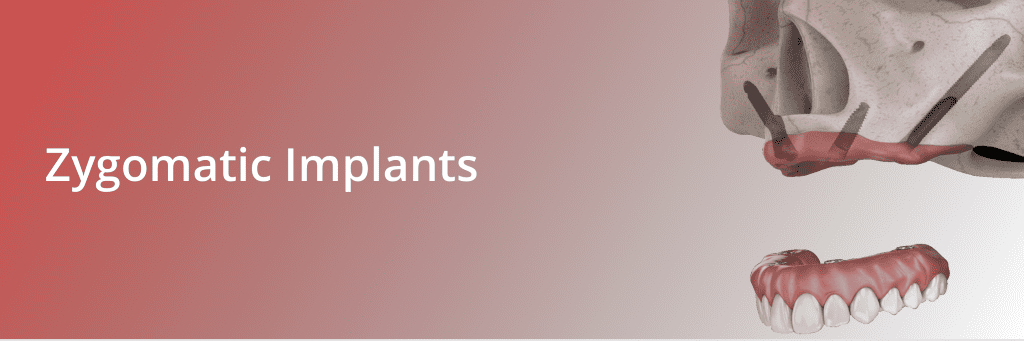
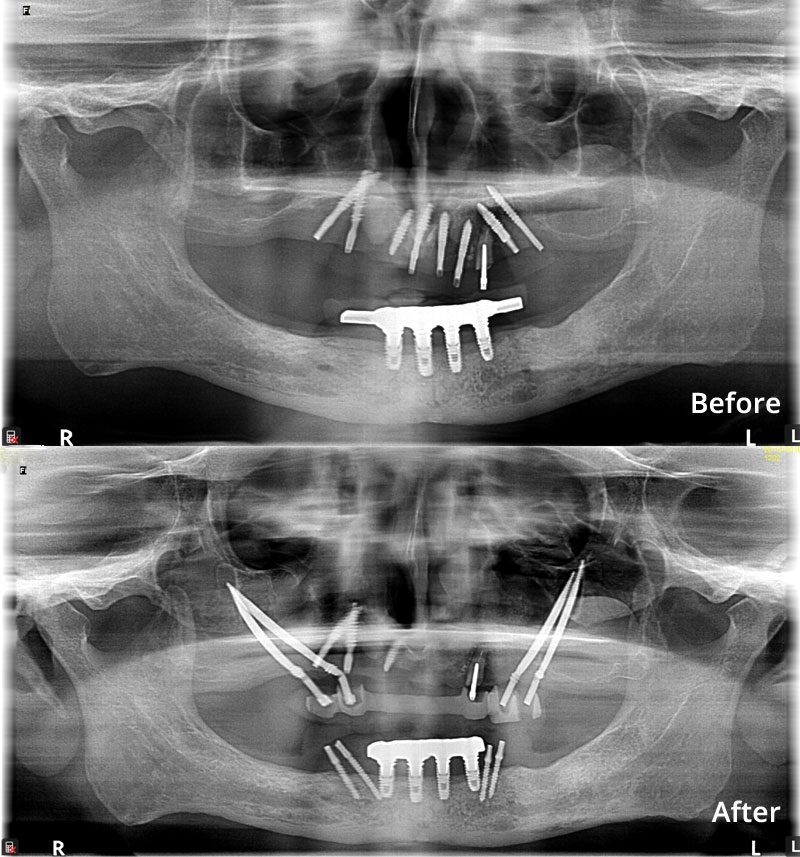
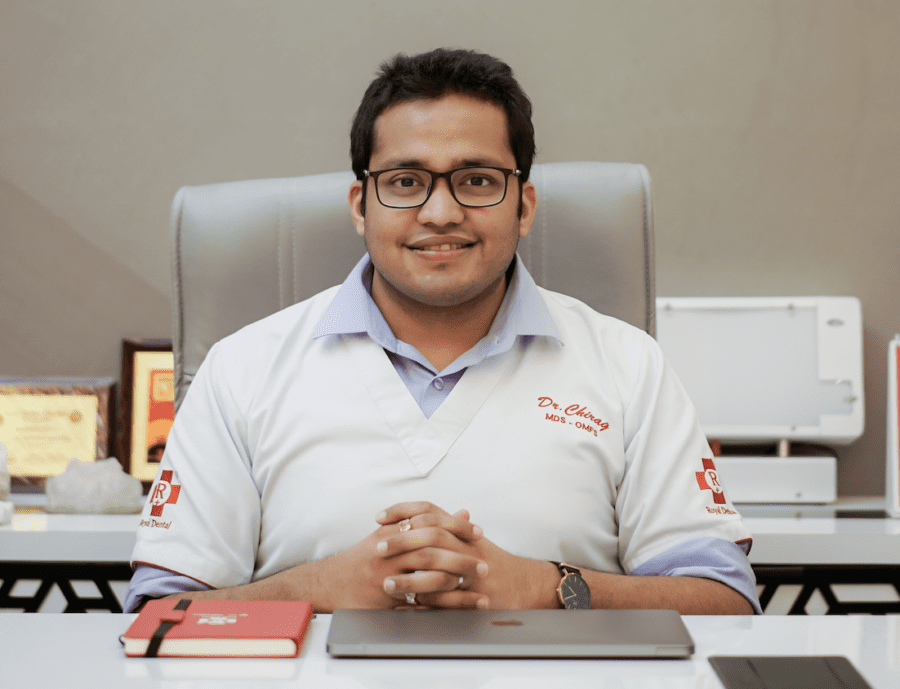
Zygomatic implants have expanded the possibilities of dental rehabilitation for patients with severe upper-jaw bone loss. A treatment once limited to highly specialised hospital settings has gradually developed into an established option for carefully selected patients undergoing complex full-mouth rehabilitation. Over the years, the field has progressed from early surgical concepts and limited clinical literature to advanced imaging, digital planning, immediate-loading protocols and more patient-centred rehabilitation. Authored by Dr. Chirag Chamria, Zygomatic Implants Book goes beyond the surgical steps of zygomatic implant placement.
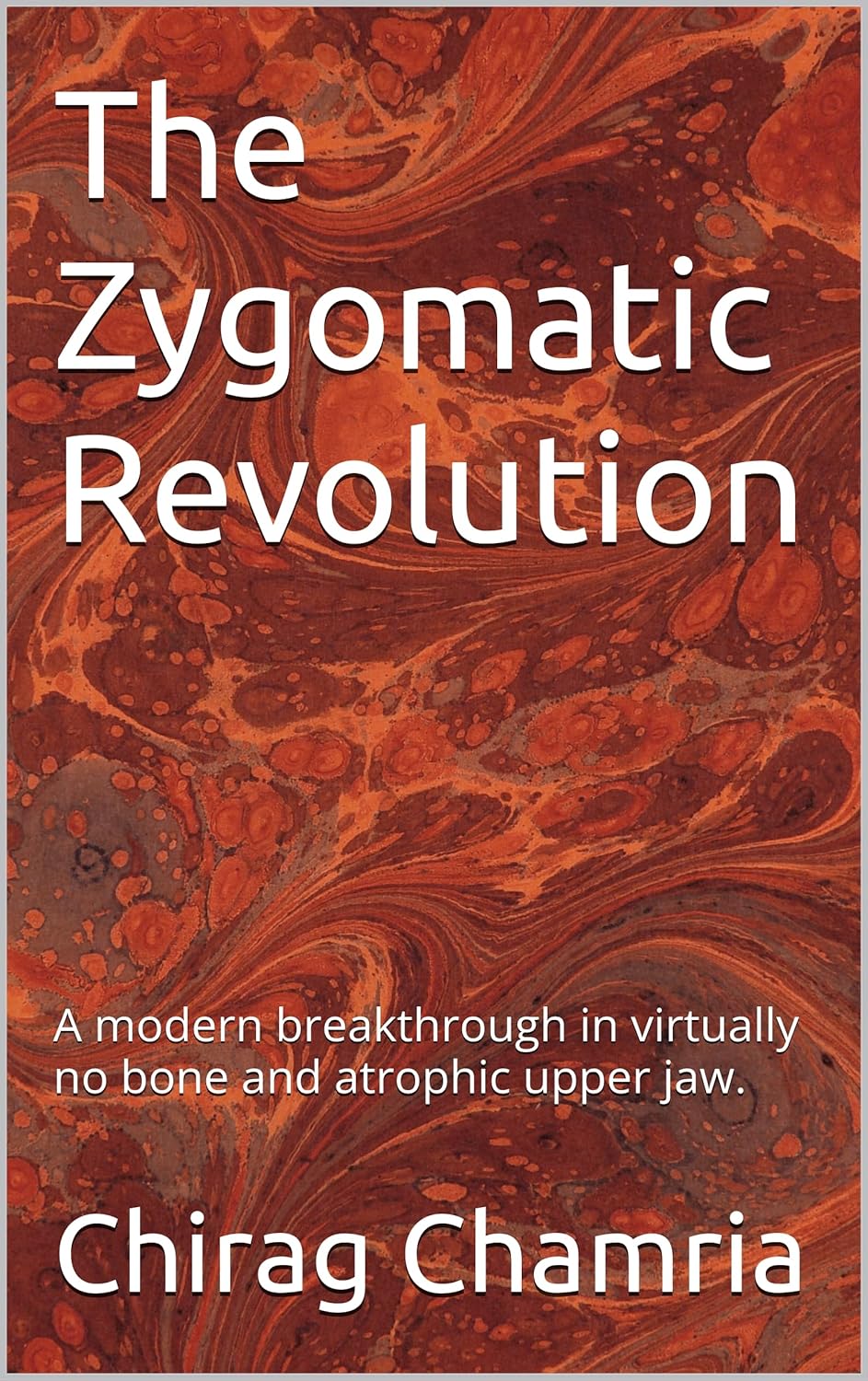
It brings together clinical knowledge, practical experience and the lessons shaped by mentorship, vision and perseverance. It is intended to help clinicians understand not only how zygomatic implants are placed, but also how thoughtful diagnosis, prosthetic planning, teamwork and long-term care contribute to meaningful patient outcomes.
The Genesis of an Idea
Every innovation begins with a problem. For Royal Dental Clinics, it started in the early 2000s — when patients with extreme bone loss were turned away by traditional implantologists. Where others saw limitation, Dr. Arun Chamria saw opportunity. Through years of clinical refinement, material experimentation, and digital innovation, the Chamria family transformed zygomatic implantology into a one-day, graft-free, and globally replicable protocol. The result: a 400-page clinical compilation — “Zygomatic Implants: Redefining Upper Jaw Rehabilitation.”
The Legacy of Learning and Leadership
“Our aim was to simplify what once seemed complex, and to make zygomatic implants accessible to every trained implantologist.”
Dr. Chirag Chamria
This book is more than a surgical manual. It’s a testament to mentorship, vision, and perseverance. Authored by Dr. Chirag Chamria, under the guiding light of his father (Late) Dr. Arun Chamria, the book merges:
- Clinical mastery: Over 100+ zygomatic implant cases across India and abroad.
- Technological depth: CAD/CAM, CBCT, SAPTeeth™, and same-day workflows.
- Human stories: Patients who regained confidence and identity through innovation.
- Educational purpose: For surgeons, prosthodontists, and institutions globally.
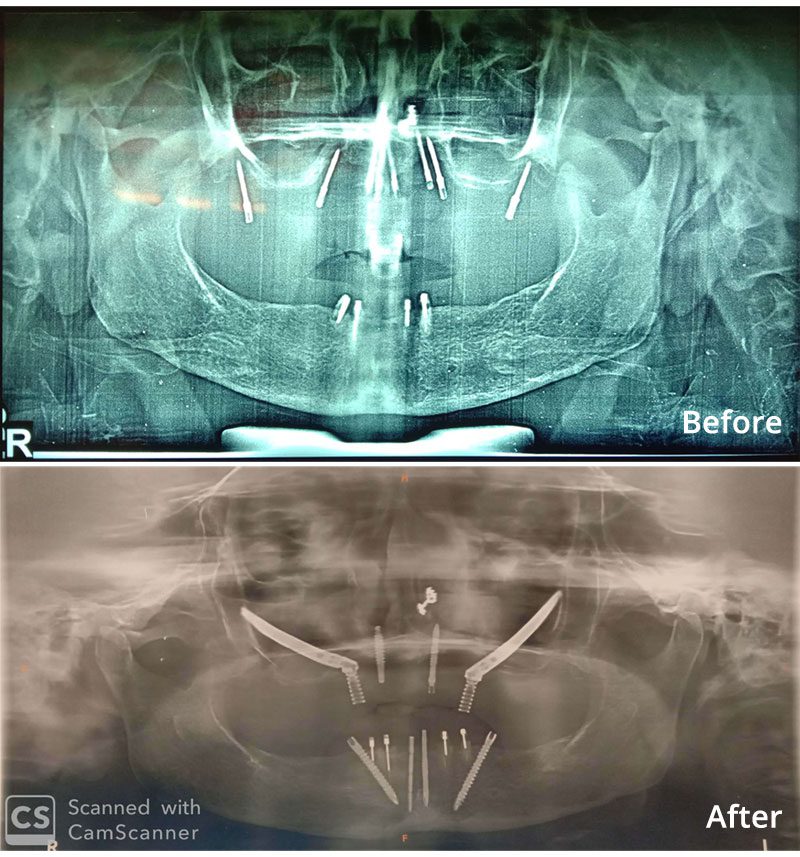
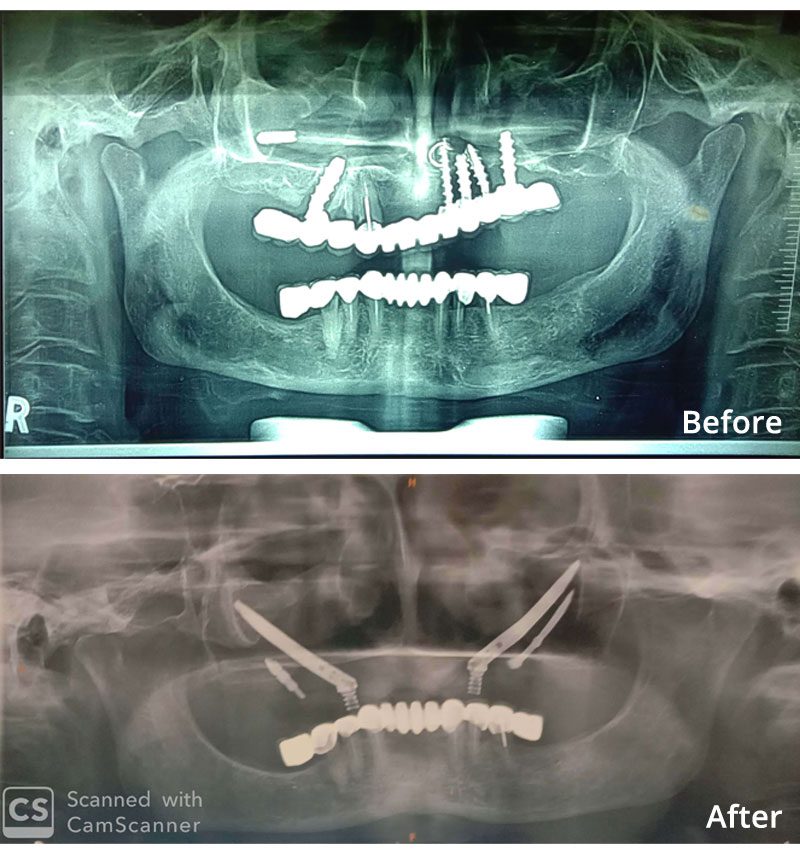
The Research That Built the Revolution
The book consolidates years of data, documentation, and digital design — aligning with IIDR’s research mission to integrate clinical evidence and material science. Key Highlights Include:
• Zygomatic Anatomy Simplified: A 3D visual guide to anatomical safe zones.
• Implant Trajectories: Stepwise surgical navigation and angulation tips.
• SAPTeeth™ Integration: Lightweight prostheses for immediate loading.
• Complication Management: Salvage cases, sinus involvement, and soft tissue considerations.
• Evidence-Based Outcomes: 97% success rate over 10+ years of data.
Behind the Scenes — Writing Zygomatic Implants Book
Translating years of experience into structured knowledge wasn’t easy. The process took:
• 18 months of case selection and radiographic analysis.
• Over 5,000 intraoral photos and 3D models compiled for educational visuals.
• Collaboration with prosthodontists, maxillofacial surgeons, and lab technicians.
• Peer reviews by academic and industry experts from India, Dubai, and Europe.
Each chapter was carefully edited to ensure that academic readers, clinicians, and students could all learn something tangible.
The book aims to bridge the gap between academic theory and real-world clinical practice. Beyond surgical techniques, it explores treatment planning, patient selection, prosthetic considerations, soft tissue management, immediate loading concepts, communication with patients, and the emotional journey many individuals undergo before regaining fixed teeth. It also reflects on how modern digital dentistry — including CBCT planning, intraoral scanning, and CAD/CAM prosthetics — has influenced the predictability of advanced implant rehabilitation.
More importantly, this book is not intended to present zygomatic implants merely as a surgical procedure, but as a rehabilitation philosophy. For many patients suffering from long-term edentulism, failed conventional implants, cancer-related defects, or severe bone loss, treatment is often about restoring confidence, nutrition, speech, comfort, and quality of life. Through this publication, Royal Dental Clinics hopes to contribute to the growing global conversation around graftless rehabilitation and share practical clinical insights gathered through years of hands-on experience and patient care.
From Mumbai to the World
What started as a localised success story is now shaping India’s reputation as a global hub for advanced implantology. Royal Dental Clinics’ Digital Dental Hospital in Jaipur — NABH-ready and digitally integrated — will serve as an academic and surgical centre for international zygomatic training programs.
Through partnerships with IIDR (International Institute of Dental Research), the goal is clear: “To make India the learning capital for complex implantology.”
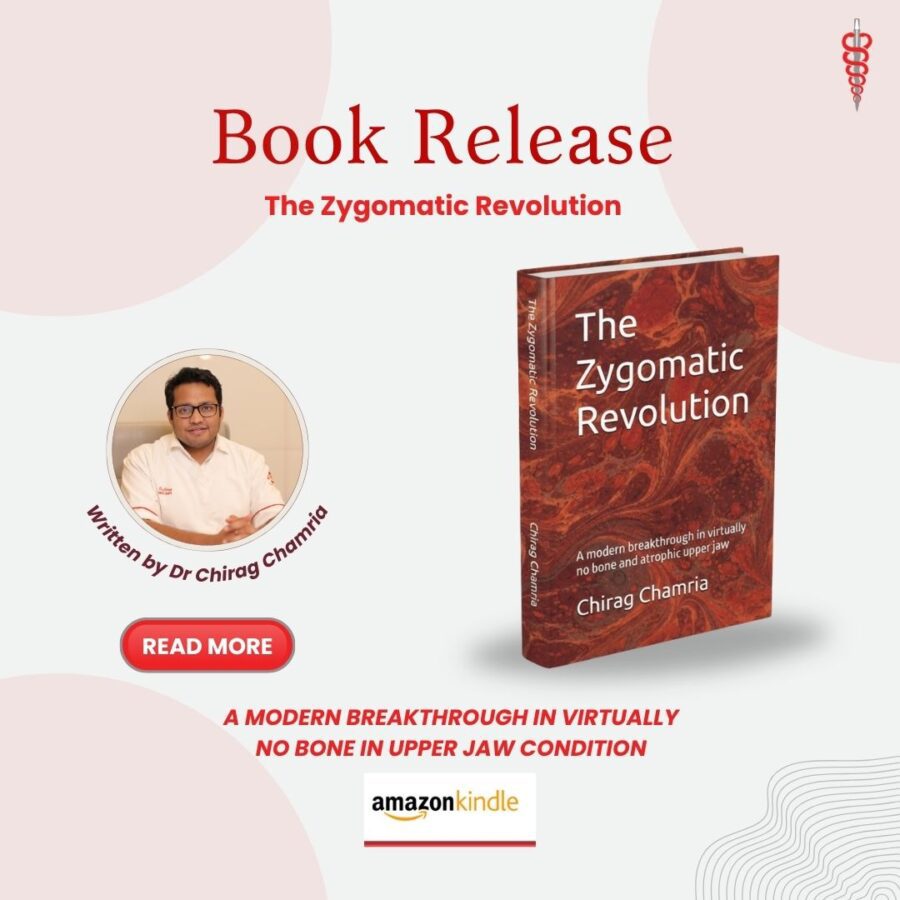
Why Zygomatic Implants Book Matters
For clinicians, this is not just another dental text. It is a blueprint for same-day full-arch rehabilitation — proof that Indian innovation can match and exceed global standards.
For patients, it’s a symbol of trust — showing that treatment once deemed impossible can be achieved in a single visit, without grafts, sutures, or fear.
And for the Chamria family, it’s a legacy — honoring four decades of relentless pursuit toward one mission: “Every patient deserves a smile today, not tomorrow.”
Chapter Glimpse
| Chapter Title | Theme |
| The Zygomatic Bone | Understanding the foundation of anchorage |
| Surgical Principles Simplified | From entry point to emergence profile |
| SAPTeeth™ Integration | How digital polymers changed immediate loading |
| Complex Cases & Complications | What every surgeon should know |
| The Jaipur Vision | Future-ready centers for global training |