
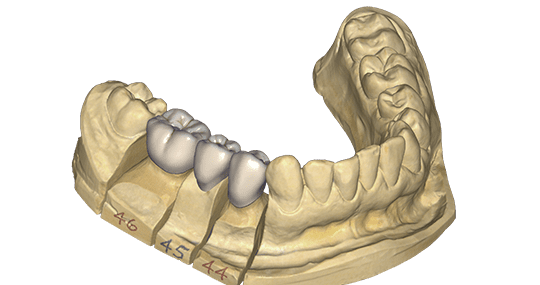
SAPTeeth crowns are a type of dental prosthesis designed with shock-absorbing polymer materials. They may be considered for selected patients who need a tooth restoration and have specific functional or aesthetic requirements. But whether a SAPTeeth crown is successful depends on factors such as the condition of the tooth, bite, gum health, remaining tooth structure and treatment planning. This guide explains the potential benefits, limitations and situations in which SAPTeeth crowns may or may not be suitable.
When we think of tooth crowns, the first thing that comes to our mind is something that looks like a small cap. This is because most of the time when we think of crowns, we imagine what a small cap would look like on top of a tooth. But there are different types of tooth crowns available out there with many variants. SAPTeeth Crowns can be classified as polymers or plastics. Let’s read more about SAPTeeth dental crowns.
Who Is This Article For?
- Patients considering SAPTeeth crowns
- People with broken or damaged teeth
- Patients comparing different crown materials
- People concerned about chewing comfort
- Patients with heavily restored teeth
- People considering cosmetic dental restorations
- Patients looking for an alternative to conventional crown materials
What is SAPTeeth crown?
SAPTeethTM is a group of highly specialized polymers; specially made to protect the bone, implant, or natural tooth. Research shows that ceramic, porcelain, Ni-Cr, and Zirconia teeth exert about 24 to 149 times more stress on bone as compared to SAPTeethTM. This difference is due to the shock absorbing capability of these polymers. Therefore, in patients with weak bone or low calcium, SAPTeethTM are recommended over conventional prosthesis. The best part of these is that they are customized to perfectly re-create your smile. And, that too in a matter of few hours.
What is a Conventional Crown?
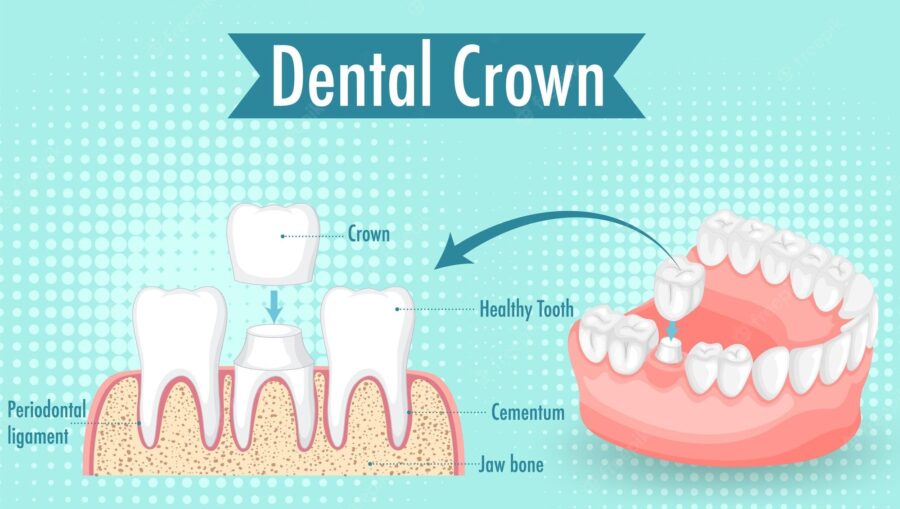
A conventional crown is a fabricated metal (e.g. gold, nickel-chromium-copper alloy) crown that is placed on a tooth to protect it from further damage. Conventional crown is typically used in case of a cracked or broken tooth that is not suitable for root canal treatment.
A conventional crown is made out of metal. It is placed around the tooth and is fixed in place with a special type of dental cement. While the metal itself doesn’t pose a significant risk of an allergic reaction, the dental cement that holds it in place can be allergenic. Therefore, it is important to inform the dentist that you have allergies in order to choose the appropriate type of cement.
What is a conventional PFM tooth crown?
A conventional porcelain-fused-tooth crown is a fabricated porcelain crown that is placed on a tooth to protect it from further damage. Also known as porcelain-fused-to-metal crowns, they are used in case of a cracked or broken tooth that is not suitable for root canal treatment. A conventional porcelain-fused-tooth crown is made out of two materials – metal and porcelain. It is placed around the tooth and is fixed in place with a special type of dental cement. The metal is used as a frame and the porcelain is used to make the tooth look natural.
What is a Ceramic-coated Crown?
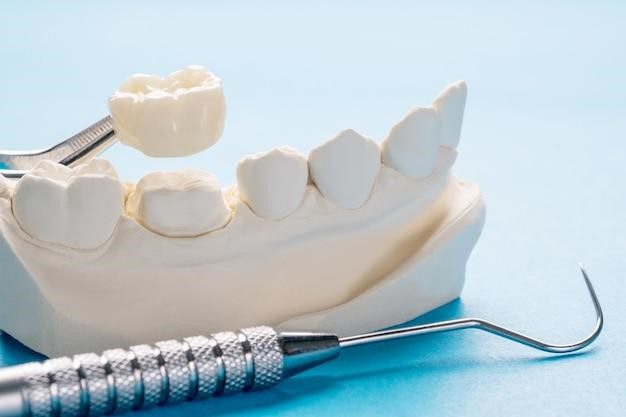
A ceramic-coated crown is a fabricated ceramic tooth that is placed on a tooth to protect it from further damage. the ceramic-coated crown is used in case of a cracked or broken tooth that is not suitable for root canal treatment. A ceramic-coated crown is made out of a thin layer of ceramic that is bonded to a metal frame. The frame is used to provide strength to the tooth. The ceramic layer is used to make the tooth look natural.
What are the pros of SAPTeeth crowns?
The most advanced material for the crowns is called SAPTeethTM. They exert less stress on the bone, due to their shock-absorbing properties. SAPTeethTM is specially made to protect the bone, implant, and natural teeth under the prosthesis. They exert 24 to 149 times more shock absorbing than the traditional ceramic, zirconia artificial teeth. SAPTeethTM teeth are developed for a high level of colour retention, plaque resistance and are extremely well suited for long-term dental prosthesis.
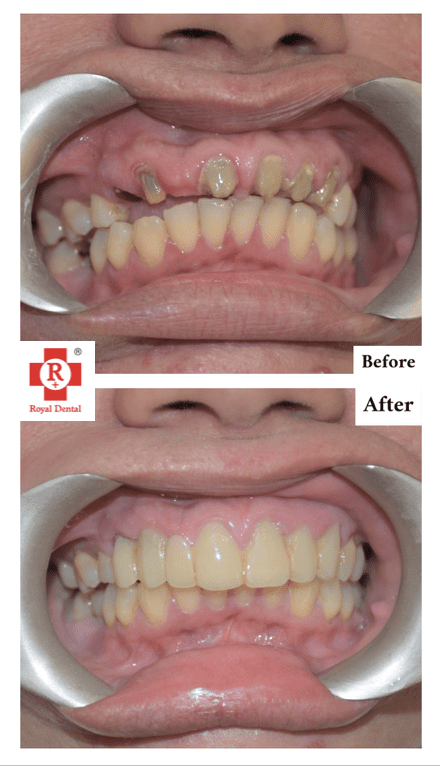
SAPTeethTM is fixed over the natural tooth with cement similar to SAPTeethTM. This allows better bonding of prosthesis with implant or natural tooth. It gives greater strength as compared to multi-layered ceramic/porcelain/zirconia or metal prosthesis. For a young cosmetic patient long-lasting, plaque resistant material is a boon. Whereas for a middle-aged one; a functionally working prosthesis that can take the daily load is needed. In an elderly person, functional and cosmetic acceptable solution is required over a weak bone structure. SAPTeethTM is a one-stop solution for all age groups.
What are the cons of SAPTeeth Dental Crowns?
Like any other dental treatment, crowns also come with a few minor disadvantages.
- They usually require several dental appointments, including one for taking an impression and two for making the crown.
- They are not suitable for teeth that are currently infected.
- The crown might be uncomfortable at first and cause temporary sensitivity.
Are SAPTeeth Crowns successful in patients?
SAP teeth crowns are successful in patients who have discoloured or broken SAPTeeth teeth. They make the teeth look sleek and beautiful. They also provide a more comfortable chewing experience as they don’t come into contact with food. In order to discuss and determine the best treatment option for you, schedule an appointment at your local dentist’s office today!
Conclusion
SAPTeeth crowns may be a useful restorative option for selected patients, particularly when the dentist believes their material characteristics fit the patient’s functional and aesthetic requirements. However, there is no single crown material that is best for everyone. Tooth condition, bite, gum health, aesthetics, oral hygiene and long-term maintenance all need to be considered before choosing a restoration. A clinical examination is the best way to determine whether SAPTeeth or another crown material is appropriate for you.
Frequently Asked Questions
Are SAPTeeth crowns successful?
SAPTeeth crowns may be successful in appropriately selected cases, but success depends on factors such as tooth condition, bite, oral hygiene, crown design and maintenance. No crown material is suitable for every patient.
Are SAPTeeth crowns better than zirconia?
Not necessarily. SAPTeeth and zirconia have different material characteristics. The appropriate option depends on the tooth, bite, aesthetic requirements and clinical situation.
How long do SAPTeeth crowns last?
There is no guaranteed lifespan. Longevity depends on the restoration, oral hygiene, bite forces, tooth condition and ongoing dental care.
Can SAPTeeth crowns be used on dental implants?
SAPTeeth materials may be used in certain implant-supported prosthetic designs. Whether they are appropriate depends on the implant restoration being planned.
Are SAPTeeth crowns suitable for infected teeth?
An active infection should be appropriately diagnosed and treated before definitive crown placement. The dentist should first determine whether the tooth can be restored.