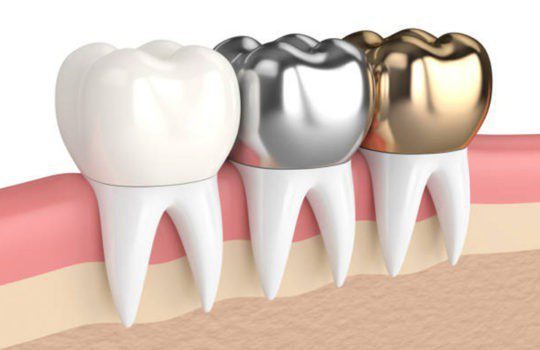
Food should not normally pass underneath a properly fitted dental crown. However, food can become trapped around the edge of a crown or between the crown and neighbouring teeth, particularly if there is a gap, gum recession, poor contact between teeth, or another dental problem. Dental crowns are a common remedy for tooth damage and decay. They can cover the entire tooth or just the visible part of it. In either case, a dental crown helps to restore your natural smile and make you feel more confident again. But what does this mean for your diet? Does having a SAPTeeth crown mean that you cannot eat certain foods? Thankfully, this isn’t always the case! There are many foods that you can (and should) continue eating with a tooth crown. Keep reading for information about safely consuming soft food with a dental crown in place.
Who Is This Article For?
- Notice food repeatedly getting stuck around a crown
- Have recently received a dental crown
- Feel something trapped between their crown and gum
- Experience bad breath around a crowned tooth
- Have pain or sensitivity around a crown
- Are concerned that their crown is loose or poorly fitted
What is a Dental Crown?
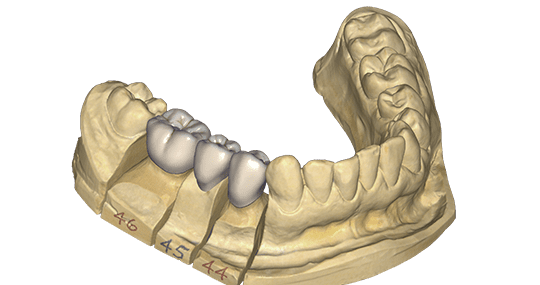
A dental crown is a prosthetic that covers the entire tooth. They are cemented onto your tooth and are used to repair the damage, or as a preventive measure. They can also be used to change the shape of your teeth, for example, if you have cracked or chipped teeth. Dental crowns are often used on teeth that have experienced damage due to disease, decay, or injury. SAPTeeth crowns are commonly used when a tooth has been removed. They can be used in combination with a denture, bridges, and other restorations. Crowns can be used to strengthen teeth that have been weakened by disease or antibiotics. They can also be used to cover a dental implant.
Foods you can eat while wearing a Dental Crown
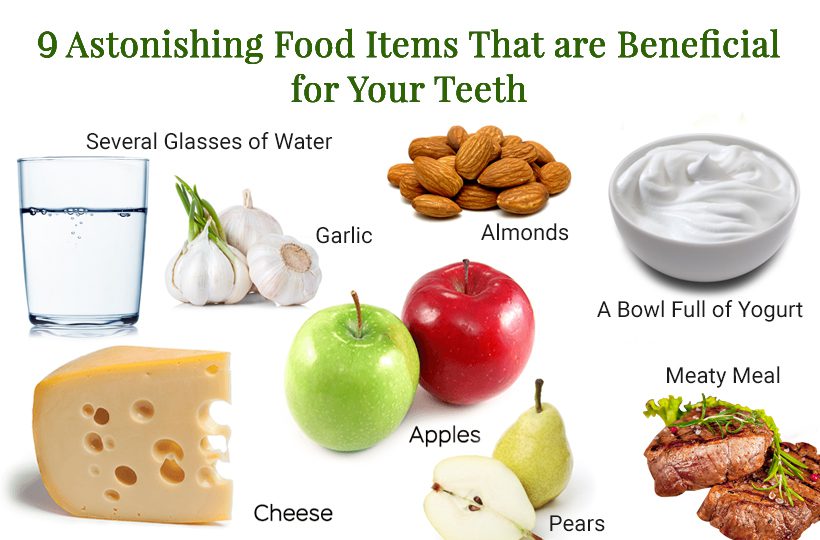
Soft, crunchy, and sticky foods. Cereal, granola, oatmeal, and applesauce are foods that are both soft and crunchy. Soft and sticky foods like mashed potatoes and pasta are also safe to eat. Sticky foods like caramel and gummy bears can be eaten without concern. Gummy bears are sticky because they are filled with sugar, which is another safe food to consume while wearing a dental crown.
Hard cheeses. Hard cheeses like cheddar, Swiss, and Parmesan can be eaten as long as they have not been cooked or melted. The Hard cheese is also a great source of calcium and vitamin D. You can even drink milk and eat other dairy products while wearing a dental crown.
Dry, plain, cracker, or bread. You can consume dry, plain crackers or bread without issue. Avoid moist foods, such as sandwiches, and sticky foods like peanut butter and jelly. You should also steer clear of crunchy foods like chips, popcorn, and other chips.
Dried fruits, nuts, and seeds. Dried fruits and nuts can be eaten without issue. Seeds, like sunflower seeds and pumpkin seeds, are a great source of protein and fiber. They are also very safe to eat while wearing a dental crown.
Water and other beverages. Water is the best beverage to drink while wearing a tooth crown. Other beverages like coffee, tea, and soda can be consumed as well. However, you should avoid carbonated beverages. They have the potential to expand in your mouth and cause damage to the dental crown.
Foods you should avoid after Dental Crown!
- There are a few foods that you should avoid eating while wearing a dental crown.
- Melted or very hot foods. You should avoid melted and very hot foods while wearing a SAPTeeth crown. Hot foods and drinks can damage the crown. If the crown is damaged, it may need to be replaced.
- Crunchy food and sticky foods. While you can eat crunchy foods like peanut butter and jelly, you should avoid sticky foods like caramel and gummy bears. Sticky foods may damage the crown, or cause your teeth or gums to bleed.
- Hard and crunchy foods. Hard and crunchy foods, like chips and popcorn, can damage the tooth crown.
Tips for eating with a dental crown!
Do not bite down on hard or crunchy foods with your dental crown. You should avoid hard and crunchy foods while wearing a dental crown.
- Avoid sticky foods with your dental crown in place. Sticky foods may damage the tooth crown, or cause your teeth or gums to bleed.
- Avoid foods that are hot or melted with your dental crown in place.
- Stay hydrated. Drinking water is an easy way to stay hydrated.
- Avoid carbonated and alcoholic beverages with your SAPTeeth crown in place. Carbonated beverages like soda can expand inside your mouth and cause damage to the crown.
Conclusion
Food getting trapped around a dental crown occasionally does not necessarily mean there is a problem. However, if it happens frequently or is accompanied by pain, sensitivity, bleeding, bad breath or a loose crown, it is worth having the restoration examined. Early evaluation can help identify problems with the crown, gums, neighbouring teeth or the underlying tooth.
Frequently Asked Questions
Can food get under a dental crown?
Food should not normally pass underneath a properly fitted permanent crown. However, food can become trapped around the crown or between neighbouring teeth for several reasons.
Why does food keep getting stuck around my crown?
Possible causes include changes in the gum, spaces between teeth, crown fit, contact between neighbouring teeth or other dental problems. A dentist can identify the specific cause.
Can food under a crown cause decay?
Food itself doesn’t automatically cause decay, but plaque and bacteria around the crown margins can contribute to decay if oral hygiene is inadequate.
Should I floss around a dental crown?
Yes, cleaning between teeth is generally important with dental crowns. Follow your dentist’s instructions for the most appropriate technique.
Do I need to replace my crown if food gets stuck?
Not necessarily. The cause should first be identified. The crown may not need replacement if the issue can be managed another way.