

Every industry has cleaning. Hospitals, hospitality, hotel, industrial, or whether its our home too. A warm, confident smile that brightens the entire space. The attentive attention given by dental cleaning agents is the well-kept secret hiding behind that gorgeous smile. Come along on this blog journey by Vidisha Chamria, as we explore the realm of dental cleaning agents.
Who is this article for?
This article is for patients who want to understand the different products and agents used for oral hygiene at home and during professional dental cleaning. It is useful for patients confused about toothpaste, mouthwash, fluoride, floss, interdental brushes, Waterpik, polishing paste, whitening agents, and desensitising products.
Basics of Dental Cleaning
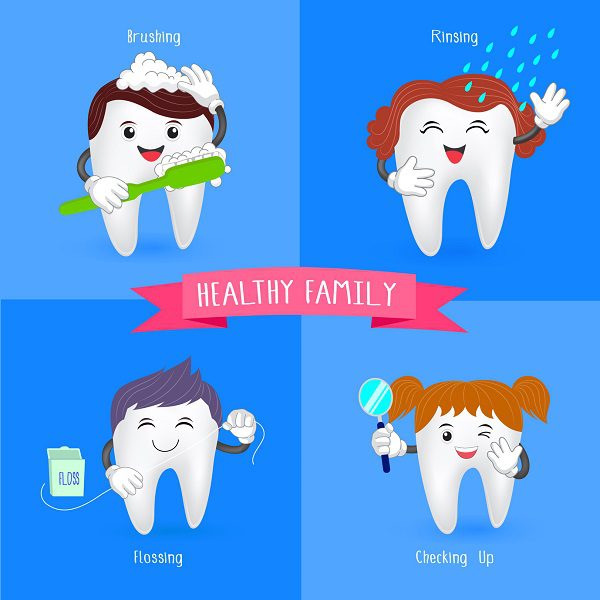
There are more advantages than just a brilliant smile. From cavities to gum disease, preventive dental care stops a chain reaction of problems. The triad of brushing, flossing, and rinsing serves as a defence against silent invaders, plaque, and tartar. Dr. Chamria advises, “Consider it as daily gardening for your teeth.” “It’s not just about aesthetics; it’s about nurturing the health of your entire oral ecosystem.”

What are dental cleaning agents?
Dental cleaning agents are products used to remove plaque, food particles, stains, bacteria, and deposits from teeth and gums. Some are used daily at home, such as toothpaste and floss, while others are used professionally by dentists, such as polishing paste, fluoride applications, and specialised cleaning solutions.
Toothpaste and fluoride
Toothpaste helps clean the tooth surface and freshen breath. Fluoride toothpaste may help strengthen enamel and reduce the risk of cavities. Patients with sensitivity, gum recession, dry mouth, or high cavity risk may need a specific toothpaste recommended by the dentist.
Mouthwash and antibacterial rinses
Mouthwash can help reduce bad breath, bacteria, and plaque in selected cases. However, it should not replace brushing or interdental cleaning. Some medicated mouthwashes should be used only for a limited period because long-term or incorrect use may cause staining, taste changes, or irritation.
Floss, interdental brushes, and Waterpik
Cleaning between teeth is important because toothbrush bristles may not reach tight spaces. Dental floss may help in tight contacts, interdental brushes may help in larger gaps, and a Waterpik may be useful around braces, implants, bridges, and crowns. The right tool depends on the patient’s gum condition and dental work.
Professional cleaning agents used by dentists
During professional cleaning, dentists may use ultrasonic scalers, hand instruments, polishing paste, prophy cups, fluoride gels, desensitising agents, or medicated rinses depending on the case. These are selected based on tartar buildup, stains, gum health, sensitivity, and existing restorations.
What should patients avoid?
Patients should avoid using harsh home remedies, abrasive powders, lemon juice, charcoal overuse, or hydrogen peroxide without dental advice. These can irritate gums, increase sensitivity, or damage the tooth surface if used incorrectly.
It’s important to avoid the hazards in our oral habitat. Common enemies include foul breath, gingivitis, and cavities. In terms of prevention, Dr. Chamria says, “Knowing these problems is essential. Sugar and inadequate dental hygiene are major contributors to cavities. Regular cleaning and flossing can help prevent gum inflammation, or gingivitis. Or foul breath? Often, it indicates the presence of bacteria, which can be eliminated with proper dental hygiene.” Beyond this, problems like enamel degradation and dental sensitivity demand treatment.
Meet Dr. Chirag Chamria
Dr. Chirag Chamria is a shining example of dental knowledge and dedication to oral health. Dr. Chamria is a dentist who is passionate about altering smiles and dedicated to the art and science of dentistry. He is a master at creating beautiful smiles. The foundation of Dr. Chamria’s dental career is a profound comprehension of the complexities of oral health. Patients seeking comprehensive and compassionate dental care have come to trust him because of his dedication to remaining at the forefront of dental developments.

Maintaining oral hygiene is the cornerstone of a healthy smile and overall well-being.
Dr Chirag Chamria
Professional Background and Expertise
As a Certified Oral and Maxillofacial Surgeon, Dr. Chirag Chamria has received substantial training in orthognathic surgery, cosmetic dentistry, zygomatic implants, complete mouth reconstruction, and oral cancer rehabilitation. It is a privilege to have Dr. Chirag as the Director and Maxillofacial Surgeon at Royal Health Care Pvt Ltd. He is currently an attending physician at Royal Dental Clinics, where he practices cosmetic dentistry, facial aesthetics, and oncology. He is a top dentist in Mumbai and a dental surgeon.
Dr. Chirag has finished his postgraduate training in “cancer surgery” at the University Medical Center of the Netherlands in Europe. His current research is focused on “Salivary Organ Sialography” at the University of Geneva, Switzerland. The majority of oral and maxillofacial surgery and dentistry cases are within the surgical planning specialty of Dr. Chirag Chamria.
Why Dr. Chamria’s Insights Matter in Dentistry
In the field of dentistry, Dr. Chirag Chamria’s observations are significant for a number of strong reasons. First of all, he is regarded as a reliable authority due to his extensive academic background and practical experience. His knowledge will help patients confidently navigate the difficulties of oral health. Furthermore, what distinguishes Dr. Chamria is his dedication to patient education. He thinks that a patient who is knowledgeable is also empowered. He aims to spread information by demystifying dental care and encouraging a proactive attitude toward oral health through his clinic and different outreach programs.
Chemical Components in Dental Cleaning Agents
Every dental cleaning agent is made up of a precisely balanced mixture of chemical ingredients. These components, selected for their distinct qualities, make up the molecular dance that maintains the equilibrium of your dental health. Let’s solve the puzzle of these important figures. When it comes to dental health, fluoride is the unsung hero. Enamel is strengthened by fluoride, increasing its resistance to acid assaults. It strengthens your smile and acts as a barrier against cavities in your teeth. Antibacterial agents range from cetylpyridinium chloride to chlorhexidine and fight microorganisms. They are protectors against infections and gum disease. They keep the bacterial community in your mouth in balance by preventing them from growing.
For people who have sensitive teeth, potassium nitrate and strontium chloride are essential ingredients. These agents calm the nerves in your teeth, providing relief for sensitive souls. It acts as a comforting salve for aches and pains.”
The two wonder minerals, phosphate and calcium, are essential to the process of remineralization. To rebuild weakened enamel, calcium and phosphate work in tandem. They’re the architects of a sturdy dental structure, ensuring your teeth stay resilient.
Safety Considerations and Potential Side Effects
Even though these chemical components have many advantages, it’s important to tread carefully while dealing with chemicals. Dental cleaning products should be used carefully, just like any strong force.
- Fluoride Moderation: Fluorosis can result from too much fluoride. Don’t overuse fluoride toothpaste. It only takes a pea-sized amount to provide enough defense.
- Antibacterial Caution: Using potent antibacterial mouthwashes for extended periods of time may upset the normal balance of oral microorganisms. The key is short-term use under medical supervision.
- Desensitising Sensibility: Although desensitising medications relieve symptoms, overuse of them can conceal underlying problems. For those with persistent sensitivity, consult Dr. Chamria.
Conclusion
When we say goodbye to this study of dental cleaning agents, picture your smile as a symphony. Your oral health is a harmonious combination of the many instruments that each dental cleaning product plays. With the help of Dr. Chirag Chamria’s wisdom, may this symphony sound, and may the world never tire of your smile. Let us celebrate the power of dental cleaning products—the protectors of your brilliant, shining smile!
FAQs
Which toothpaste is best for daily use?
For many patients, fluoride toothpaste is suitable. Patients with sensitivity, gum disease, dry mouth, or high cavity risk may need a dentist-recommended toothpaste.
Can mouthwash replace brushing?
No. Mouthwash can support oral hygiene but cannot replace brushing, flossing, or professional dental cleaning.
Are whitening toothpastes safe?
Some whitening toothpastes are safe when used correctly, but highly abrasive products or overuse may increase sensitivity or enamel wear.
What is better: floss or interdental brush?
It depends on the gap between teeth and gum condition. Tight spaces may need floss, while wider spaces may benefit from interdental brushes.