
Zygomatic Implant Dentist expertise is essential for patients with severe upper jaw bone loss who have been told they are not suitable candidates for conventional dental implants. A zygomatic implant dentist uses advanced planning and specialized surgical techniques to place longer implants into the zygomatic (cheek) bone, providing a stable foundation for fixed replacement teeth in many complex cases.
If you have insufficient jawbone due to long-term tooth loss, gum disease, or previous surgery, zygomatic implants may offer an effective alternative to extensive bone grafting. This guide explains how the procedure works, its benefits, potential risks, recovery, and what to expect when choosing an experienced zygomatic implant dentist.
Who is this article for?
- Patients with severe upper jaw bone loss
- Individuals told they are not candidates for conventional dental implants
- Patients seeking alternatives to extensive bone grafting
- People looking for full-mouth rehabilitation
- Anyone considering zygomatic implant treatment
What are Zygomatic Implants?
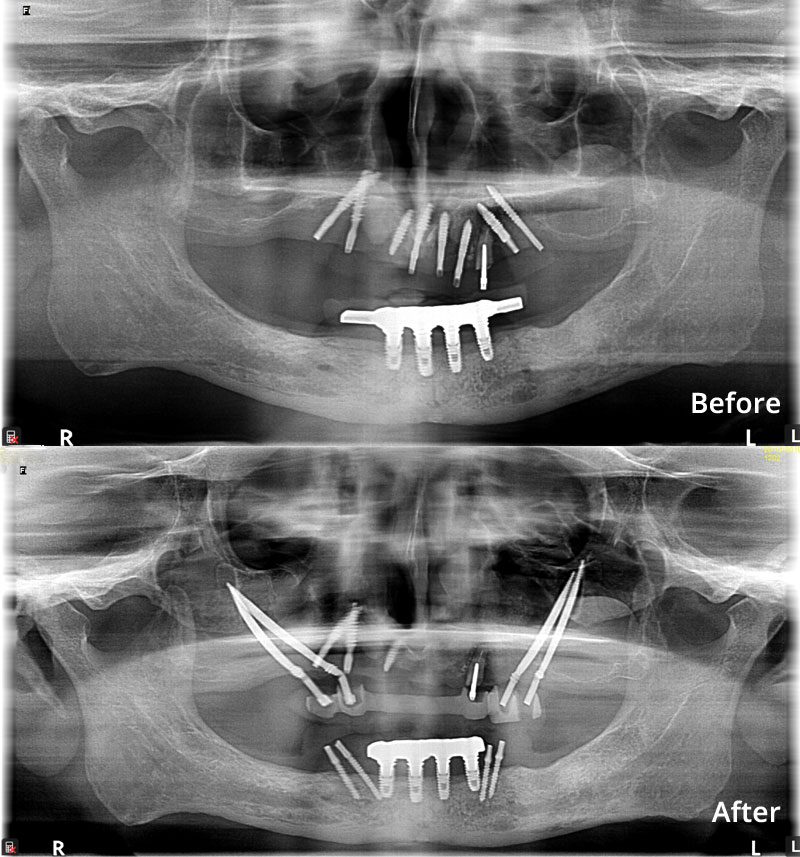
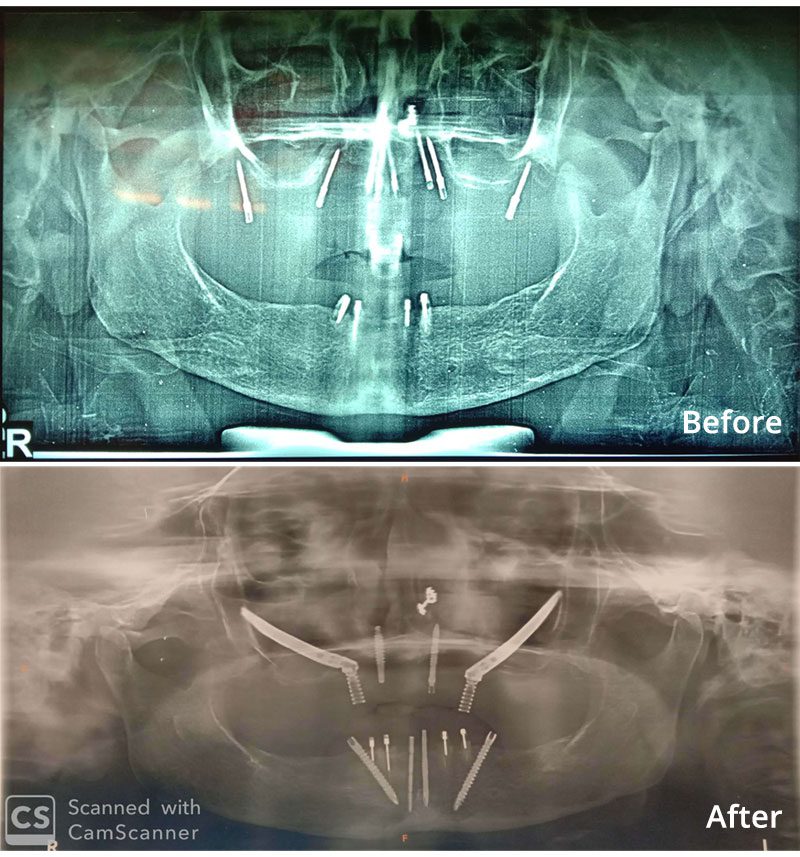
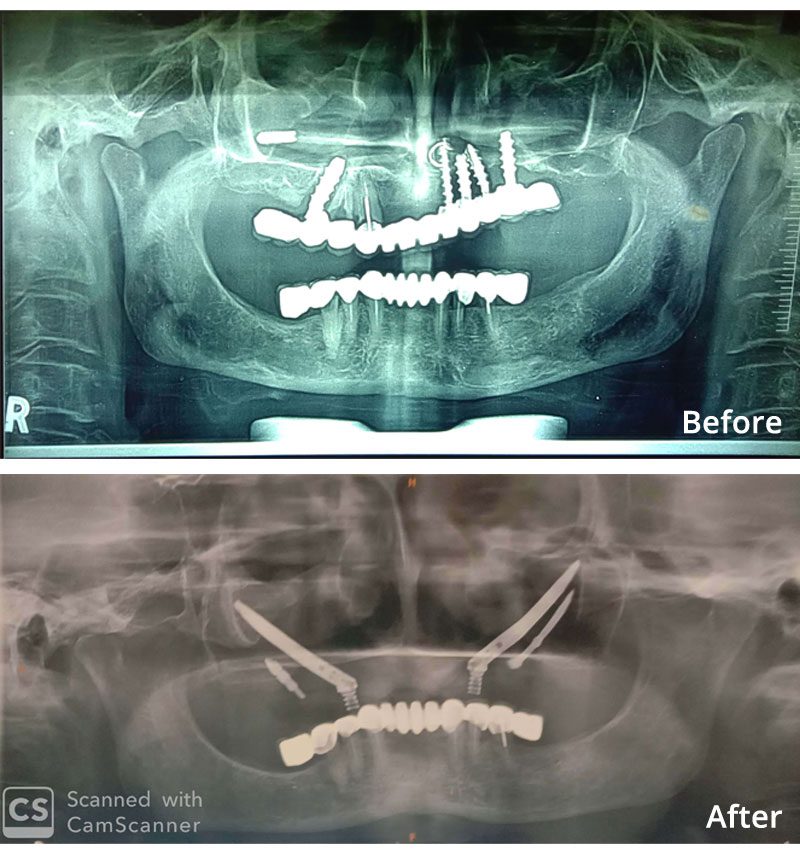
Zygomatic implants also known as zygoma implants, are titanium based surgical procedure that used to replace missing teeth in the upper part of the jaw. Zygomatic implants work supporting. Royal Dental Clinics, Kandivali, Mumbai are proud to be at the forefront of zygomatic implant placements using the modern virtual surgical planning & surgical guides. In fact, because of the use of SAPTeeth, Royal Implant is now able to restore the upper jaw with immediate load protocols and gives permanent fixed shock absorbable teeth.

Advantages
Zygomatic implants offer a natural looking solution to replace missing teeth. When you are missing one or more teeth, your face change shape because it is no longer supported by the teeth. They can help provide that support and keep your cheeks from sinking in, which may make you look older than you are. They also provide the support for artificial teeth retained and can aid in chewing and speech. A zygomatic implant also gives you the ability to chew food again like you could before, which can be a relief for those who have lived with missing teeth for years. Your smile will look more complete after getting zygomatic implants, which can help boost your self-confidence.
Disadvantages
While there are many benefits to getting zygomatic implants, there are some disadvantages as well. One of the disadvantages is that the surgery considered to be surgery and has a recovery cycle. It can take up to six weeks for full healing, meaning you will need help around the house for a while. Another disadvantage is that it costs a lot of money. A lot of people assume that this procedure is free or low-cost when in reality it can cost lakhs of rupees depending on what your surgeon needs to do. Another disadvantage is that there are risks involved with any type of procedure, no matter how minor it may seem. There are potential complications with this procedure and some patients have reported pain from their implants after surgery.
Advantages of zygomatic implants with dentist:
- Zygomatic implants used as a tooth replacement.
- They are placed in the mouth in a shorter amount of time than removable dentures.
- These implants can be completed with pinhole technique in one day.
Zygomatic Implant Dentist
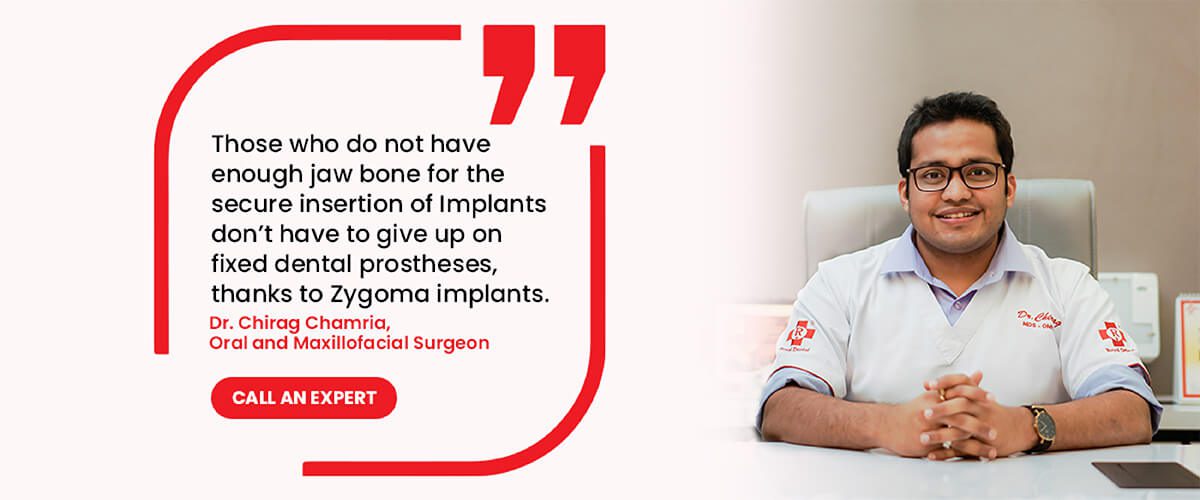
Dr. Chirag Chamria enlightened on a plethora of topics ranging from Same Day Implants to the Future of Royal Dental Clinics and Dentistry itself as a fraternity. Dr. Chirag Chamria a young and dynamic individual, thriving to achieve great heights in Oral and Maxillofacial Surgery; highlights the state of art technologies used at Royal Dental Clinics to provide quality dental solutions.
Dr. Chirag Chamria drives home the message that cosmetic surgery is not only for actors/actresses but also fields including businesses, travel, corporates etc. The use of detailed computerised analysis at Royal Implant as the focal point of the treatment was also emphasised upon. All in all an insightful, thought provoking and forthcoming talk in the field of Dentistry by Dr. Chirag Chamria.
Conclusion
Zygomatic implants provide a reliable solution for patients with severe upper jaw bone loss who may not be candidates for conventional implants. With careful diagnosis, digital planning, and treatment by an experienced implant team, they can restore chewing function, facial support, and confidence. If you have been told that you lack sufficient bone for traditional implants, consult a qualified zygomatic implant dentist to explore whether this advanced treatment is right for you.
Schedule a consultation at Royal Dental Clinics to determine whether zygomatic implants are the right option for restoring your smile with fixed teeth and advanced digital treatment planning.
FAQs
1. What are zygomatic implants?
Zygomatic implants are longer dental implants anchored into the cheekbone (zygoma) instead of the upper jawbone, making them suitable for patients with severe bone loss.
2. Who is a candidate for zygomatic implants?
Patients with significant upper jaw bone loss, failed implants, or those who may otherwise require extensive bone grafting may be suitable candidates after a comprehensive evaluation.
3. Are they safe?
Yes. When performed by experienced oral and maxillofacial surgeons using proper planning and imaging, zygomatic implants have demonstrated high success rates in appropriate patients.
4. Does it require bone grafting?
In many cases, zygomatic implants can reduce or eliminate the need for extensive bone grafting, although treatment decisions depend on individual clinical circumstances.
5. How long does it last?
With good oral hygiene, regular dental follow-ups, and proper maintenance, zygomatic implants can provide long-term function for many years.