
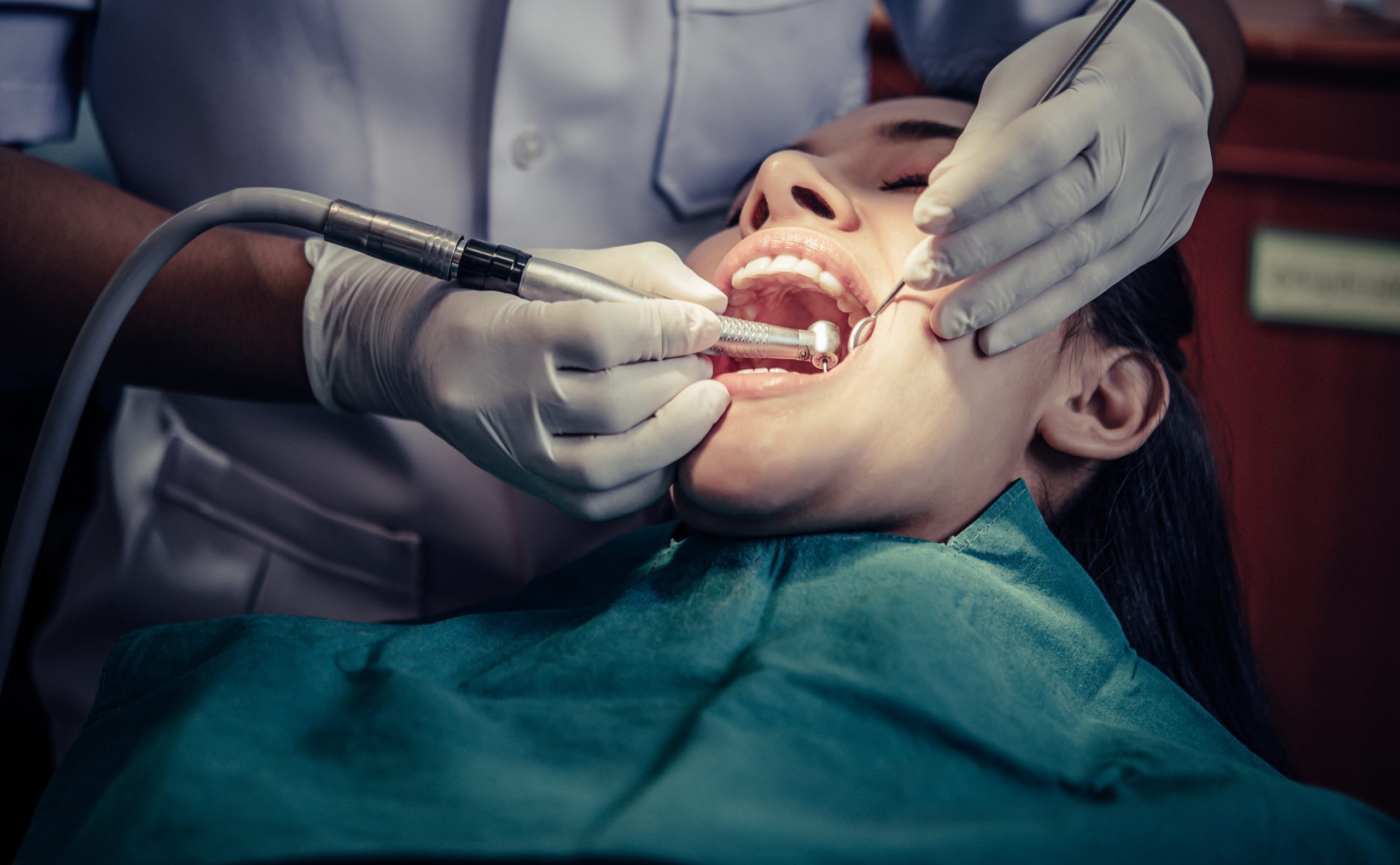
Blowing a gentle stream of air onto your teeth is a routine part of many dental examinations. Drying the tooth surface removes saliva and moisture that can hide early cavities, enamel defects, cracks, or worn restorations. Air also helps dentists evaluate tooth sensitivity and obtain a clearer view of the treatment area. This quick, painless technique improves diagnostic accuracy and supports early detection of dental problems before they become more serious. Learn why do dentists blow air on teeth, mainly to improve visibility, detect early decay, assess sensitivity and keep the treatment area clean and dry.
Who Is This Article For?
- Patients attending routine dental check-ups
- Individuals curious about dental instruments
- People experiencing tooth sensitivity
- Parents taking children for dental examinations
- Anyone wanting to understand modern dental procedures
Why Do Dentists Dry Teeth With Air?
Dentists commonly use an air-water syringe to gently rinse or dry the teeth during an examination. Removing saliva from the tooth surface makes its colour, texture, grooves and restoration margins easier to examine. Drying is particularly useful while checking for early tooth decay. Some early changes in enamel become easier to recognise when the tooth is clean, well illuminated and dry.
The American Dental Association’s caries-classification system includes examining clean teeth with compressed air and suitable lighting. The air is not used to remove infection from the gums or to identify jaw cysts and impacted wisdom teeth. These conditions require clinical examination and, when necessary, dental X-rays or other imaging.
Why Is Air Used During Dental Treatment?
The air-water syringe helps the dentist rinse away saliva, plaque, tooth debris or dental materials during treatment. It can also improve visibility before placing a filling, sealant, crown or other restoration. Moisture control is important because saliva can interfere with several adhesive dental procedures. Depending on the material being used, the dentist may dry the tooth completely or leave the surface slightly moist according to the clinical technique. The syringe may deliver air alone, water alone or a controlled mixture of air and water. It is different from the high-speed dental drill, although both may be connected to the dental unit.
Why Does the Air Sometimes Cause Tooth Pain?
A short, sharp sensation when air reaches a tooth may occur when dentine becomes exposed. Dentine can be exposed because of gum recession, enamel wear or loss of tooth structure. Air is also used as a clinical stimulus when assessing dentine hypersensitivity. Sensitivity to air may also occur near a cavity, cracked tooth, leaking filling or recently treated tooth. The response alone does not confirm the diagnosis, so the dentist may perform additional cold, biting, tapping or vitality tests and take an X-ray when appropriate. Persistent or increasing sensitivity should be examined, especially when it is accompanied by lingering pain, pain while chewing, swelling or spontaneous toothache.
What is the purpose of blowing air into the mouth?
Aerobic probe airflow is a necessary part of the dental exam process because it provides the dentist with important information about your oral health. In addition, the airflow helps reduce the patient’s level of discomfort during the procedure. Dentists use the probe to blow air into a patient’s mouth in order to test for areas of inflammation and infection. Redness, swelling, or tenderness in your gums is often the first sign of an infection in the mouth.
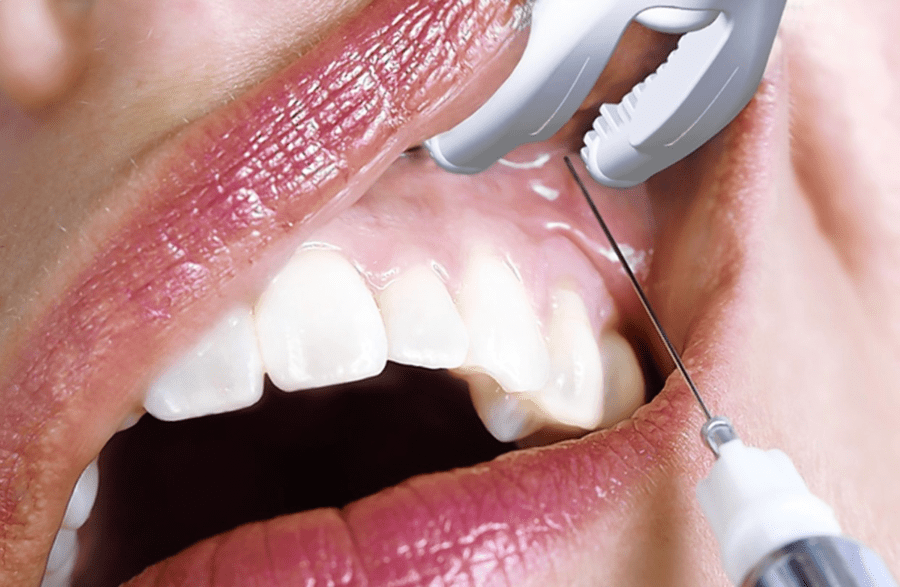
If the probe detects that an area is inflamed or infected, the dentist will likely suggest a course of antibiotics or other treatment. In addition to detecting areas of infection, blowing air into the patient’s mouth can also help the dentist rule out problems like impacted wisdom teeth, cysts, and other conditions.
Why do dentists blow air into your mouth?
The probe allows the dentist to check for swollen or inflamed tissue in your mouth without touching it. When the dentist prods your gums, it can cause unnecessary discomfort and bleeding. It can also dislodge bacteria and irritants that have built up in your gums and cause them to become even more swollen.
Blowing air into your mouth is more effective than using a swab to test for inflammation because it is gentler on your gums. A swab can irritate and further inflame the gums, causing more pain. A probe that blows air into the patient’s mouth allows the dentist to test for areas of inflammation or infection without touching the gums. This can both lower the risk of infection for the patient and cause less discomfort for the patient during the exam.
Benefits of blowing air during your dental exam
Air flow through the probe can help detect inflammation or infection in your gums before it becomes severe enough to cause pain. When the probe blows air into your mouth, it can dislodge bacteria and other irritants that build up in your gums. It can also help your gums return to a normal state of health by reducing the amount of swelling and redness. With a probe that blows air into the patient’s mouth, the dentist can test for gum health in the following areas:
- Ligamentum
- Gingival tissue
- Periodontal membrane
- Alveolar bone
Hidden meaning behind the process of blowing air
The actual process of blowing air into your mouth is a very deliberate one. The probe releases a very specific amount of compressed air into your mouth. A gentle amount of air is enough to dislodge bacteria and debris from your gums. However, too much air can break the delicate membranes in your mouth and cause a level of inflammation or damage that could actually be worse than not doing anything at all. That’s why dentists have to be very careful when blowing air into your mouth. They must release the perfect amount of air that’s enough to help your gums return to normal while not causing too much damage or irritation.
Conclusion
If you experience sharp discomfort when air is directed onto a particular tooth, it may indicate tooth sensitivity, enamel wear, gum recession, or another underlying dental condition that deserves further evaluation. Regular dental examinations allow these problems to be identified and treated early, helping preserve your natural teeth and maintain long-term oral health.
Frequently Asked Questions
Why do dentists blow air into mouth during a dental examination?
Dentists use a gentle stream of air to dry the teeth, making it easier to detect cavities, cracks, defective fillings, and other dental conditions that may not be visible when saliva covers the tooth surface.
Is blowing air into the mouth safe?
Yes. The air used during dental examinations is delivered through a dental air-water syringe and is a safe, routine part of modern dental care.
Why do some teeth hurt when air is blown on them?
Sensitivity to air may indicate exposed dentine, enamel wear, tooth decay, gum recession, cracked teeth, or other dental conditions that should be evaluated by a dentist.
What instrument do dentists use to blow air into the mouth?
Dentists commonly use a three-way air-water syringe, which can deliver air, water, or a combination of both to clean and dry the treatment area during examinations and procedures.
Should I be concerned if my tooth is sensitive to air?
Persistent or severe sensitivity should be assessed by a dentist, as it may be a sign of tooth decay, enamel erosion, gum recession, a cracked tooth, or another underlying oral health problem.
Does blowing air damage the teeth?
A brief and controlled stream of dental air does not normally damage healthy teeth. It may produce temporary discomfort when dentine is exposed or a tooth is already sensitive.
Can air detect a cavity?
Drying can make certain early enamel changes easier to see, but air alone cannot diagnose every cavity. Visual examination, dental X-rays and other clinical findings may also be needed.
Why does only one tooth hurt when air is used?
That tooth may have exposed dentine, recession, wear, decay, a crack or another sensitivity-related problem. A dental examination is required to identify the cause.