
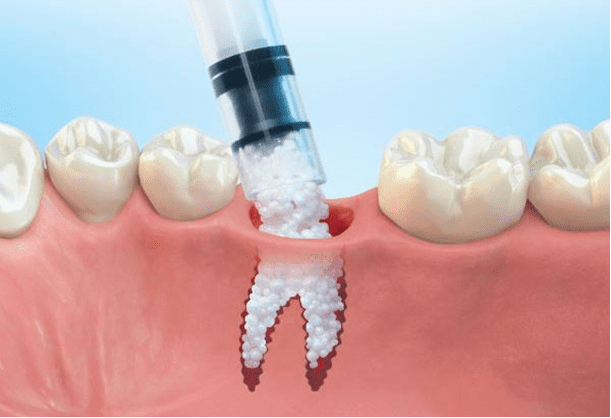
You’ve made the decision to get a dental implant, but your dentist has informed you that you’ll first need a bone graft. It’s a common and necessary step, but a very natural question is likely on your mind: where exactly does the bone for the graft come from? While the idea may sound complex, modern dentistry has perfected the use of several safe and effective bone sources to rebuild a strong foundation. We’ll demystify this crucial procedure and reveal the different types of bone used in dental bone graft—from your own body to specially prepared lab materials—and explain why each is a safe and reliable option for restoring your smile.
What is a dental bone graft?
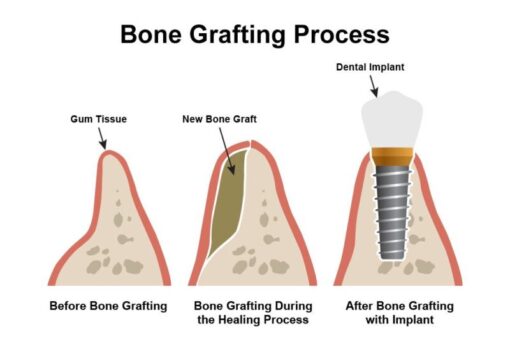
A bone graft is a surgical procedure that restores natural volume to your gums, jaw, or oral cavity. A bone graft is often necessary as the result of another dental surgery or due to trauma or periodontal disease. Without sufficient volume in your jawbone, teeth can become irritated or even fall out from lack of support. A bone graft restores this volume by replacing the damaged bone with healthy bone from a different part of your body. There are many types of bone grafts, and there is no one type that is best for every procedure. Your dentist can help you determine which bone graft would be best for your condition.
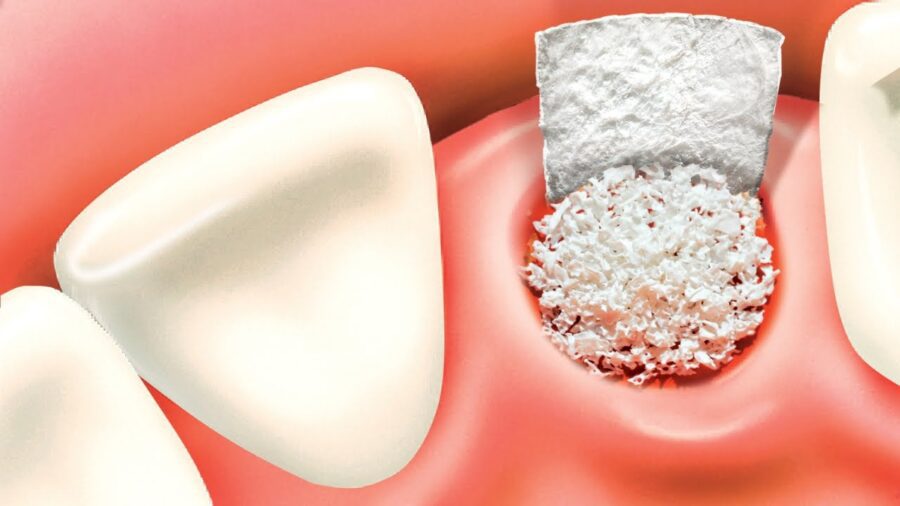
Types of dental bone grafts
- Autografts – An autograft is a procedure that removes a piece of bone from one part of your body and places it in another part. An autograft is typically used to treat gum recession or tooth loss. It is often used in combination with a dental bridge or implants.
- Allografts – An allograft is a graft of bone tissue taken from a donor (usually a cadaver). The bone is processed using a sterilization procedure that kills any bacteria. An allograft is typically used when dental implants are necessary. – Sterilized Bone Matrix (SBM)
- SBM is the tissue that is left behind after the living cells have been removed from a portion of your own bone. SBM is typically used to treat a receding gum line, periodontal disease, or tooth loss. It is often used in combination with a dental bridge or implants.
Where do dentists get bones for bone grafts?
When a dentist performs a bone graft, they are replacing damaged gum tissue with healthy bone from a different part of your body. Where do dentists get bones for bone grafts? They take it from your own body! Usually, the dentist will take a small amount of bone from your hip. The advantage of using a patient’s own bone is that the body will naturally repair the area where the bone was taken from. Creating a single part where there were two.
The only drawback to using a patient’s own bone is that it can be difficult to match the color, texture, and shape of the healthy bone. That’s why your dentist may also use synthetic materials such as ceramics or cement that can be carefully molded and shaped to fit your mouth.
Autografts
An autograft is a procedure that removes a piece of bone from one part of your body and places it in another part. An autograft is typically used to treat gum recession or tooth loss. It is often used in combination with a dental bridge or implants. When a dentist performs an autograft, they are replacing damaged gum tissue with healthy bone from a different part of your body. Where do dentists get bones for bone grafts? They take it from your own body! Usually, the dentist will take a small amount of bone from your hip.
The advantage of using a patient’s own bone is that the body will naturally repair the area where the bone was taken from, creating a single part where there were two. The only drawback to using a patient’s own bone is that it can be difficult to match the color, texture, and shape of the healthy bone. That’s why your dentist may also use synthetic materials such as ceramics or cement that can be carefully molded and shaped to fit your mouth.
Allografts | Dental Bone Graft
An allograft is a graft of bone tissue taken from a donor (usually a cadaver). The bone is processed using a sterilization procedure that kills any bacteria. An allograft is typically used when dental implants are necessary. When a dentist performs an allograft, they are replacing damaged gum tissue with healthy bone from a donor. Where do dentists get bones for bone grafts?
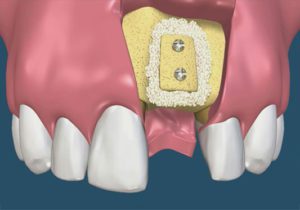
They take it from a cadaver! The advantage of using donated bone is that the dentist has a wide variety of shapes and sizes to choose from. The only drawback to using donated bone is that there is no guarantee it will be a perfect match to the texture, shape, and color of the healthy gum tissue. That’s why your dentist may also use synthetic materials such as ceramics or cement that can be carefully molded and shaped to fit your mouth.
Sterilized bone matrix (SBM)
SBM is the tissue that is left behind after the living cells have been removed from a portion of your own bone. SBM is typically used to treat a receding gum line, periodontal disease, or tooth loss. It is often used in combination with a dental bridge or implants. When a dentist performs an SBM graft. They are replacing damaged gum tissue with healthy bone from a different part of your body. Where do dentists get bones for bone grafts? They take it from your own body! Usually, the dentist will take a small amount of bone from your hip.
The advantage of using a patient’s own bone is that the body will naturally repair the area where the bone was taken from, creating a single part where there were two. The only drawback to using a patient’s own bone is that it can be difficult to match the color, texture, and shape of the healthy bone. That’s why your dentist may also use synthetic materials such as ceramics or cement that can be carefully molded and shaped to fit your mouth.
Conclusion
A bone graft is a surgical procedure that restores natural volume to your gums, jaw, or oral cavity. When a dentist performs a bone graft, they are replacing damaged gum tissue with healthy bone from a different part of your body. There are many types of bone grafts, and there is no one type that is best for every procedure. Your dentist can help you determine which bone graft would be best for your condition.