
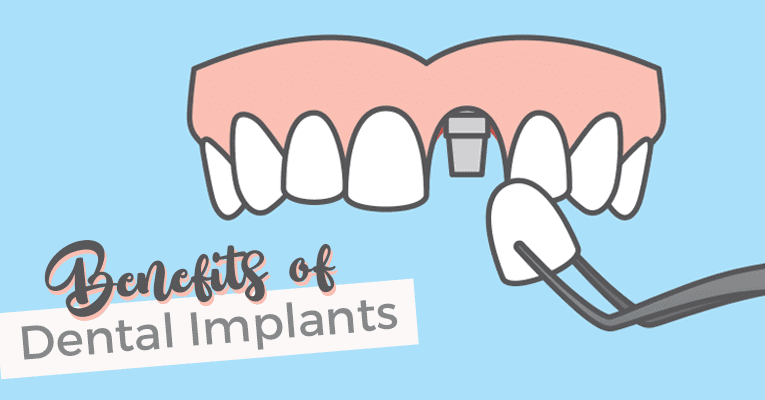
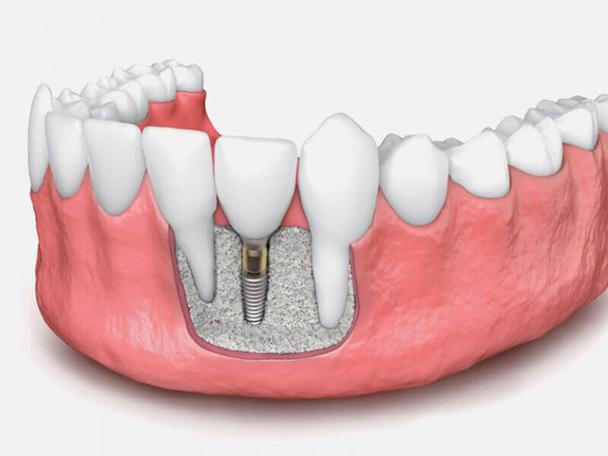
You may be missing one or more of your teeth due to decay, an unfortunate sports injury, or simply from natural wear and tear. Unless you’re willing to cover your smile with your hand in social situations for the rest of your life, you’ll want to explore your dental implant options. dental implants are titanium posts that are surgically placed into the jawbone beneath your gums. Once they’ve fully integrated with the bone, they can support crowns or artificial teeth. There are many benefits of getting dental implants — including boosting self-confidence, improving speech, and even reducing risk of infection. If you’re ready to take the plunge, then go on and read benefits of implants.
You’ll feel more confident when speaking and eating!
Receiving dental implants can boost your confidence when speaking and eating, simply because they’ll give you the teeth you need to be able to eat and speak normally again. With implants, you’ll be able to eat whatever you want without worrying about damaging your dentures or your remaining teeth. You’ll also be able to speak more confidently because implants replace missing teeth and help prevent other teeth from shifting or falling out. You’ll sound more confident and look more confident, too.

Repair damaged teeth and prevent future damage!
Implants are one of the best ways to repair damaged teeth and prevent future damage. The tooth-like surface of the implant helps prevent damage to your other teeth. When you have teeth pulled, you are liable to have other teeth move into the open space or fall out. The tooth-like surface of the implant helps prevent this from happening. In addition, when you have dental implants put in, they also help to repair the gums.
Dental Implants are incredibly durable!
Dental implants are highly durable, making them great for replacing missing teeth. They are expected to last a lifetime and can be used to anchor a bridge or denture. Due to the fact that an implant is fused to the jawbone, it will not fall out like a denture or a bridge. They are among the most durable restorations you can get. Teeth implants can last a lifetime, so you won’t have to worry about going to the dentist for repairs or replacements.
Dental implants can improve your chewing ability!
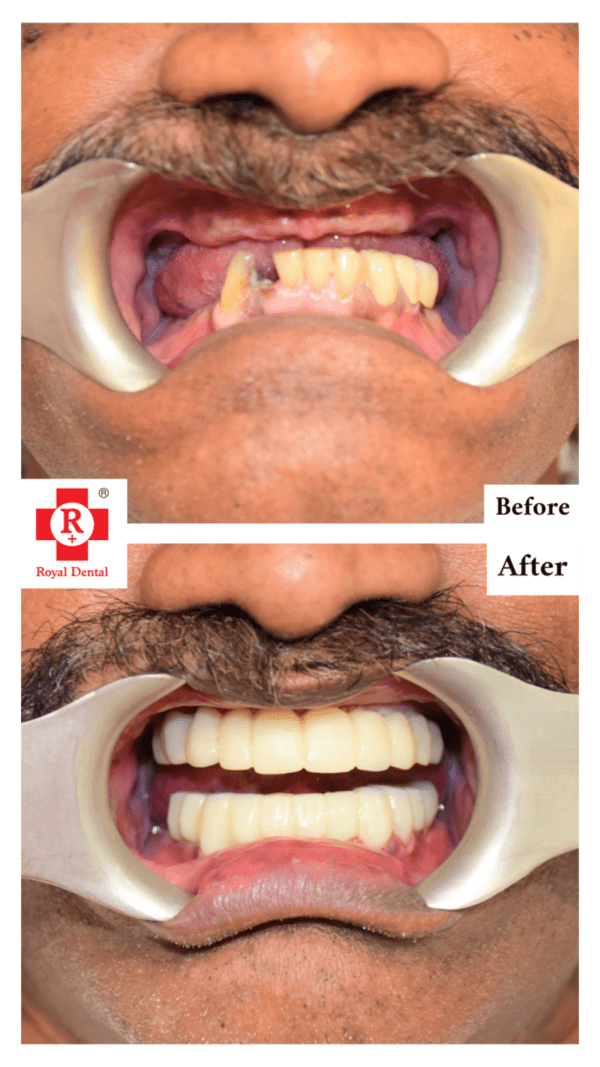
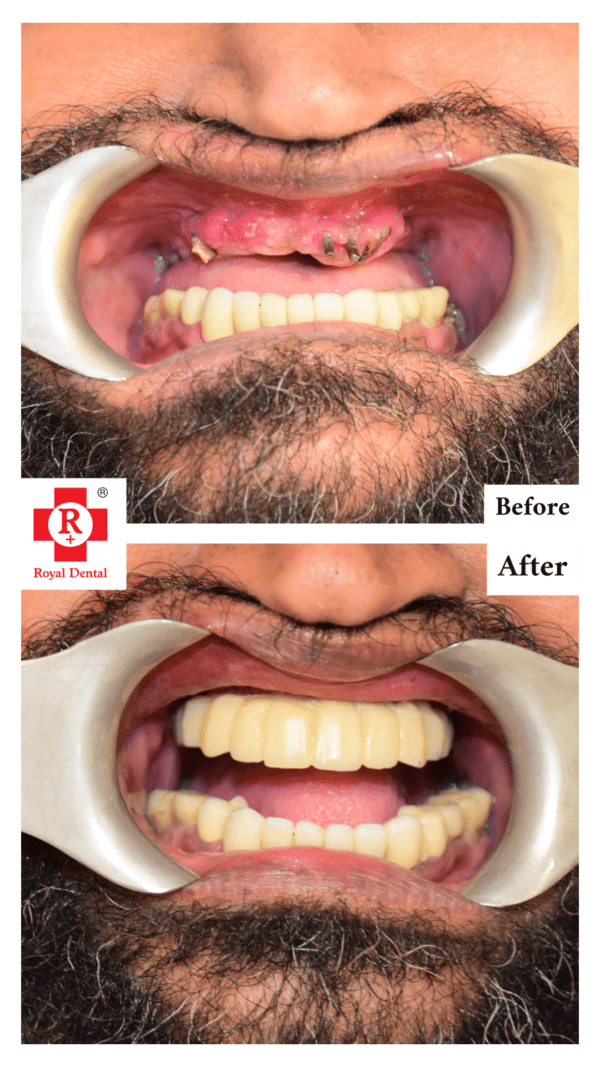
Dental implants can also improve your chewing ability since you won’t have to worry about dentures breaking or falling out. Implants let you bite down on food with the same force that you would normally bite with, which is important for maintaining your jaw health. They’re also very stable and won’t slip out of place like dentures can. This means you’ll be able to chew food much better than you could before.
Dental Implants behave like natural teeth!
One of the biggest advantages is that it restores full chewing power. Most patients can’t tell the difference between their natural teeth and the implant tooth. They can eat with it completely normally, and they can brush and floss normally as well.
Dental Implants can last a lifetime!
While dental bridge may only last around 2-5 years or so, dental implants can last a lifetime. The implant is made from titanium and integrates with the jawbone. It’s bio-compatible, meaning that it’s non-toxic and not rejected by the body. All in all it makes a powerful replacement tooth.
Dental Implants keep adjacent tooth stable!
The gap from a missing tooth can cause adjacent teeth to crookedly shift towards the gap. This pulls your teeth out of position and can affect your bite, your ability to chew and your appearance. It can cause interference that makes tooth replacement difficult later.
Conclusion
Dental implants are a great option for replacing missing teeth. They are convenient, long-lasting, and have few drawbacks compared to other tooth replacement options. If you’re missing teeth, implants can help improve your confidence and chewing ability. Be sure to consult with your dentist to see if implants are the right option for you.