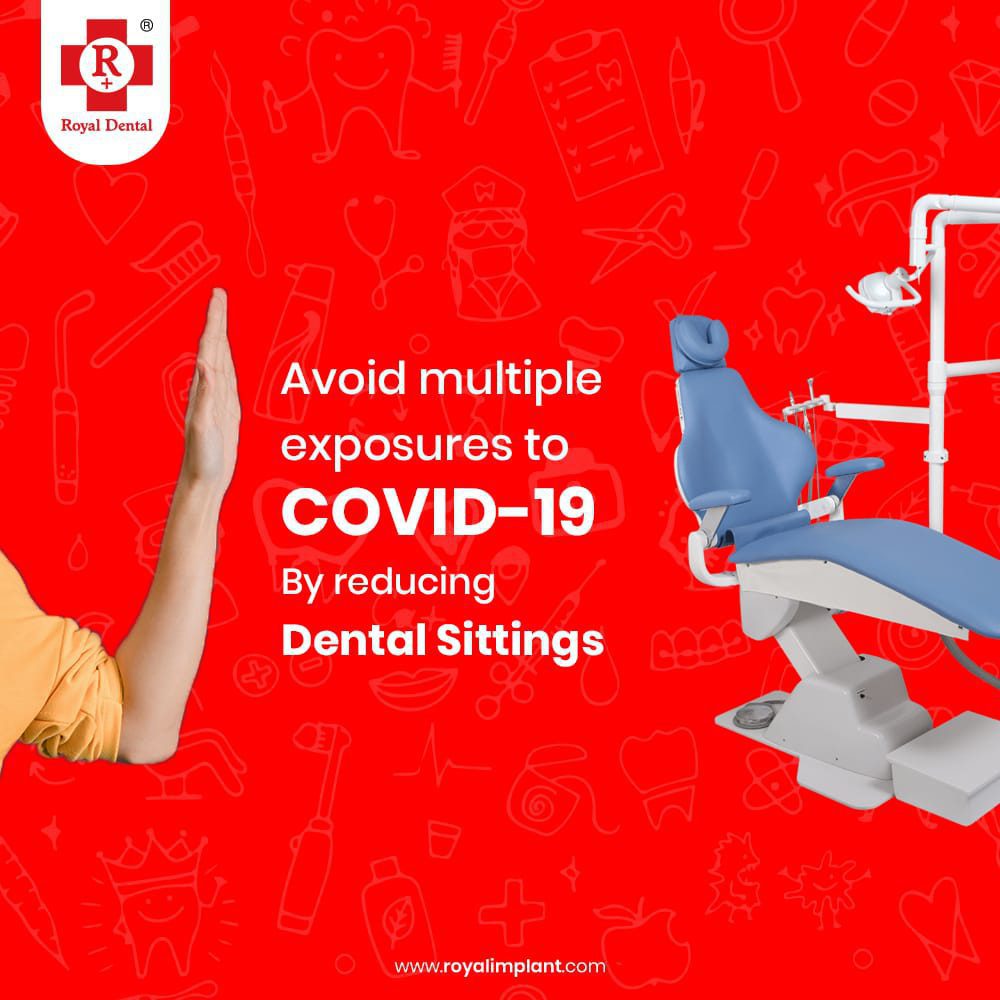
Phew! Covid was one such phase in 2021, the world doesn’t want to remember. Teleconsultation in Dentistry became an essential part of dental care during the COVID-19 pandemic, enabling patients to consult experienced dentists safely from the comfort of their homes. As lockdowns, travel restrictions, and social distancing became the norm, virtual consultations through phone calls, video conferencing, emails, and messaging platforms helped patients receive timely dental advice and determine whether an in-person visit was necessary. This approach ensured continuity of care while minimizing the risk of unnecessary exposure.
Who is this article for?
- Patients experiencing dental pain but unsure whether immediate treatment is required.
- Elderly individuals or patients with limited mobility.
- Patients seeking expert dental advice before visiting the clinic.
- Anyone looking to understand how teleconsultation supports safe and convenient dental care.
What is COVID-19?
COVID-19 is an infectious respiratory disease caused by the SARS-CoV-2 virus. It primarily spreads through respiratory droplets and close contact with infected individuals. During the pandemic, healthcare providers, including dental clinics, adopted enhanced infection control measures and teleconsultation services to ensure patients could receive timely guidance while minimizing unnecessary exposure.

When you have a dental emergency and the patients do not have either time, means or any other thing is stopping you from reaching out to the doctor or the dental expert on time? Tele-dentistry comes handy like a teddy bear in this scenario. With a Tele-dentistry consultant having the latest technology helps in delivering the information to the patient. In short, the patient gets the necessary information about the dental problems and the doctor make arrangements to reach out to them.
Due to the COVID-19 pandemic, there minimal transportation where people do not have available means to travel to reach the best doctor for dental treatment. Teleconsultation comes handy wherein a quick call can solve a patient’s dental problem. Often in this situation patient panic over the slightest dental pain or discomfort. However, at such times through tele-communication one can reach out to the patient guiding the patient about their dental problem, and providing necessary comfort. The dentist prescribes appropriate medications after knowing the exact cause of the dental problem.
This would relieve the pain and keep the patient out of the dental emergency room.
Dental emergencies are not life and death situations for the most part. Many patients feel they need to come for an emergency dental treatment but through telecommunication, one may realize that only 20% of patients actually need emergency dental treatments. Various software has developed in recent times for telecommunication such as Zoom, Hangouts, Microsoft Teams etc.
Teleconsultation advantages in Dentistry During Covid:
- Classifies the patient according to the severity of the dental problem
- Priority Appointment with Senior Surgeon To Discuss Oral Health
- Helps in the proper management of the patients in the dental clinic
- Fastest, easy and convenient mode of use
- Saving patients travel time and frequent visits to the dental clinic
- Avoids unnecessary patient exposure to cross contamination
- More convenient for elderly patients
Many dentist forced to close their dental clinic not only in Mumbai but PAN India. Hence telecommunications is becoming a preferable means to reach out to their patients. Doctors are educating their patients about dental treatment in the current scenario also making them understand that their dental problems can be resolved via telephonic conversation. To book your teleconsultation appointment click here.
Benefits of teleconsultation in dentistry during Covid-19 pandemic
- Teleconsultation enables the doctor to reach out to patients from a medical center or anywhere where the patient resides. This saves patients time, money and can also provide a comfort level for the patients who are on an important medical issue.
- Tele-consultation reduces the chances of anxiety for patients during an examination.
- It can also improve communication between patient and the medical professionals as during such situations teleconsultation becomes a common platform and is a barrier free approach for communication.
- Teleconsultation also offers accessibility for those patients who are bed ridden or are otherwise unable to visit the clinic.
- Patients can get the complete understanding and recommended treatment for dental treatment.
Although pandemic-related restrictions have eased, teleconsultation continues to play an important role in modern dentistry. It is useful for follow-up appointments, reviewing reports or X-rays, discussing treatment options, and providing oral health advice before patients visit the clinic. This hybrid approach improves convenience while ensuring patients receive the right care at the right time.
There are various Resting Pods or Rooms with complete privacy and an attached washroom and working space. This unique feature of Royal Dental Clinics ensures that no two patients are in the same waiting zone of the clinic, however reducing the chances of a cross-infection to negligent. And the point worth noting is that this process of individual allotment of rooms hence visiting a dentist during covid should not be unattended incases of dental emergencies.
Besides this, a protocol that we started during the time of Covid-19 is that we note down the patients details right in the beginning itself. Details such as travel history, checking their temperature etc. are part of this now new protocol. Our doctors and clinic staff take utmost precaution and wear PPE kits.
We make sure that we are not infected as well as we do not transmit the infection to others.
Dr. Arun Chamria mentions that the safety of the doctors, patients, staff is of paramount importance to us. Many Dentistry related questions answered, many Covid related solutions provided, many innovations and lots more in these bookmark worthy Episodes exclusively with Maharashtra Times and Dr. Arun Chamria.

Conclusion
Teleconsultation transformed the way dental care was delivered during the COVID-19 pandemic by allowing patients to connect with experienced dentists from the safety of their homes. While certain dental emergencies still require clinical treatment, virtual consultations remain an excellent first step for diagnosis, treatment planning, and professional guidance. If you are experiencing any dental concern, our team at Royal Dental Clinics is here to help you determine the most appropriate course of action.
FAQs
Is teleconsultation suitable for all dental problems?
No. It is ideal for initial evaluation, follow-ups, medication guidance, and treatment planning. Dental procedures still require an in-clinic visit.
Can a dentist prescribe medicines during a teleconsultation?
Yes, when clinically appropriate, the dentist may prescribe medications based on your symptoms and medical history.
What dental problems can be discussed during a teleconsultation?
Tooth pain, swelling, sensitivity, broken teeth, gum problems, post-treatment concerns, and treatment planning can all be discussed during a virtual consultation.
Is teleconsultation still useful after COVID-19?
Yes. Many patients continue to use teleconsultation for follow-up care, second opinions, and preliminary dental assessments before visiting the clinic.
How do I prepare for a dental teleconsultation?
Keep clear photographs of the affected area (if possible), previous dental records or X-rays, a list of medications you are taking, and be ready to describe your symptoms in detail.
Need expert dental advice without unnecessary delays? Schedule a teleconsultation with Royal Dental Clinics today and receive personalized guidance from our experienced dental specialists. If an in-clinic visit is required, we’ll help you plan the safest and most appropriate treatment.
© All rights reserved by Royal Dental Implants Pvt Ltd
Issued in public interest