
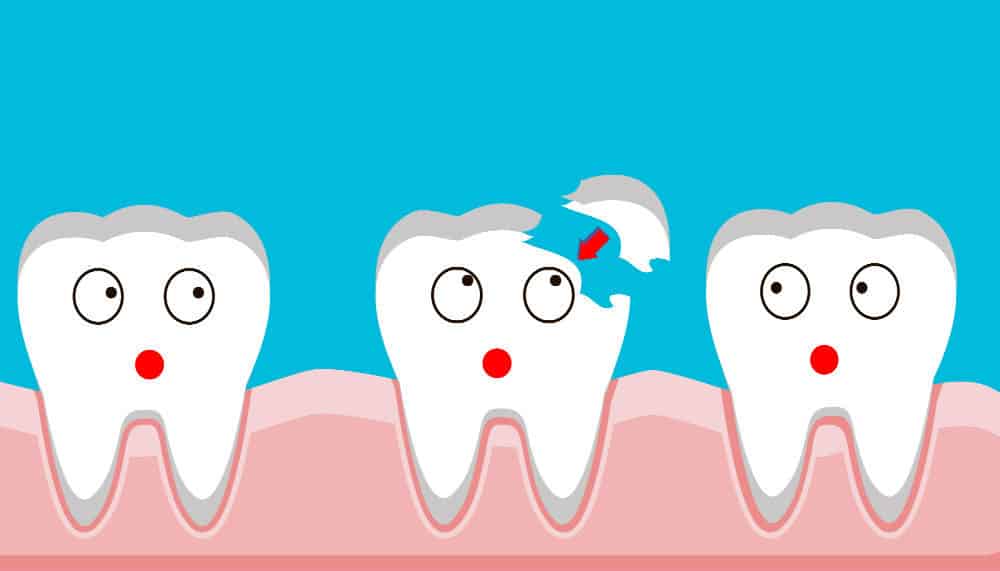
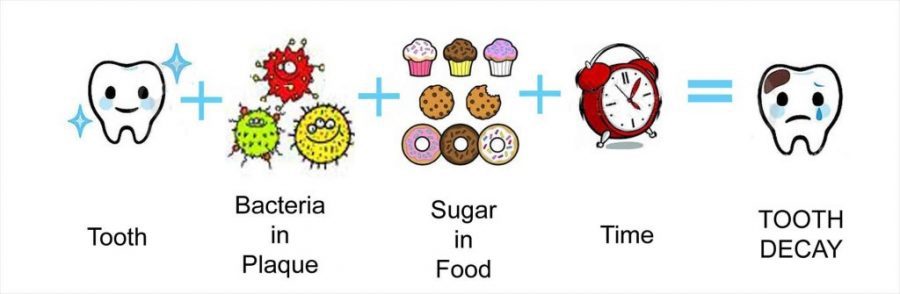
Prevent dental caries by following simple oral hygiene habits and seeking timely dental care. Dental caries, also known as tooth decay, develops when bacteria break down food particles left on the teeth, producing acids that damage the enamel. Fortunately, maintaining good oral hygiene, eating a balanced diet, and visiting your dentist regularly can significantly reduce your risk of cavities and help preserve your natural teeth.
Who Is This Article For?
This article is for children, adults, and parents who want to prevent tooth decay, maintain healthy teeth, and understand when a dental filling may be needed. If you’re looking for practical tips to keep your natural teeth healthy, this guide is for you.
Why Is It Important to Prevent Dental Caries?
Preventing dental caries not only helps preserve your natural teeth but also reduces the need for more extensive treatments such as root canal therapy or tooth extraction. Early prevention through regular dental check-ups and proper oral hygiene is often simpler, less expensive, and more comfortable than treating advanced tooth decay.
What will I feel after a filling?
Dentists may or may not numb the area around the affected tooth, before doing a dental filling. Hence, depending upon the anaesthesia, you probably won’t feel anything or you may feel some pressure and sensitivity.
Good oral hygiene can help prevent tooth decay:
- Firstly, brush twice a day with a fluoride toothpaste.
- Secondly, Floss in-between your teeth.
- Thirdly, Eat nutritious and balanced meals and limit snacking.
- Finally, visit your dentist regularly for teeth cleaning and oral examination.
Are Fluoride Toothpastes Effective in Preventing Dental Caries?
In adults toothpaste containing fluoride (1000 ppm), water fluoridation, fluoride mouth rinse, dietary fluoride supplements and professionally applied fluoride gels and varnishes; help to prevent dental caries. Above all, fluorides which enhance remineralisation of enamel lowering the chances of dental caries. Therefore, interdental brushes like floss, interdental brushes, waterpik should used after meals.
Can Mouthwash Help Prevent Dental Caries?
Firstly, antiseptic mouthwashes like chlorhexidine interferes with the sugar and acid production of cariogenic bacteria. Oral prophylaxis or professional tooth cleaning every 6 months. Secondly, tooth cleaning helps to keep oral hygiene at bay and also prevent further tooth cavity. Brushing twice a day in the right direction, and rinsing mouth after every meal; may also help keeping cavity at bay. In between snacking should followed by through gargling.
What are pit and fissure sealants?
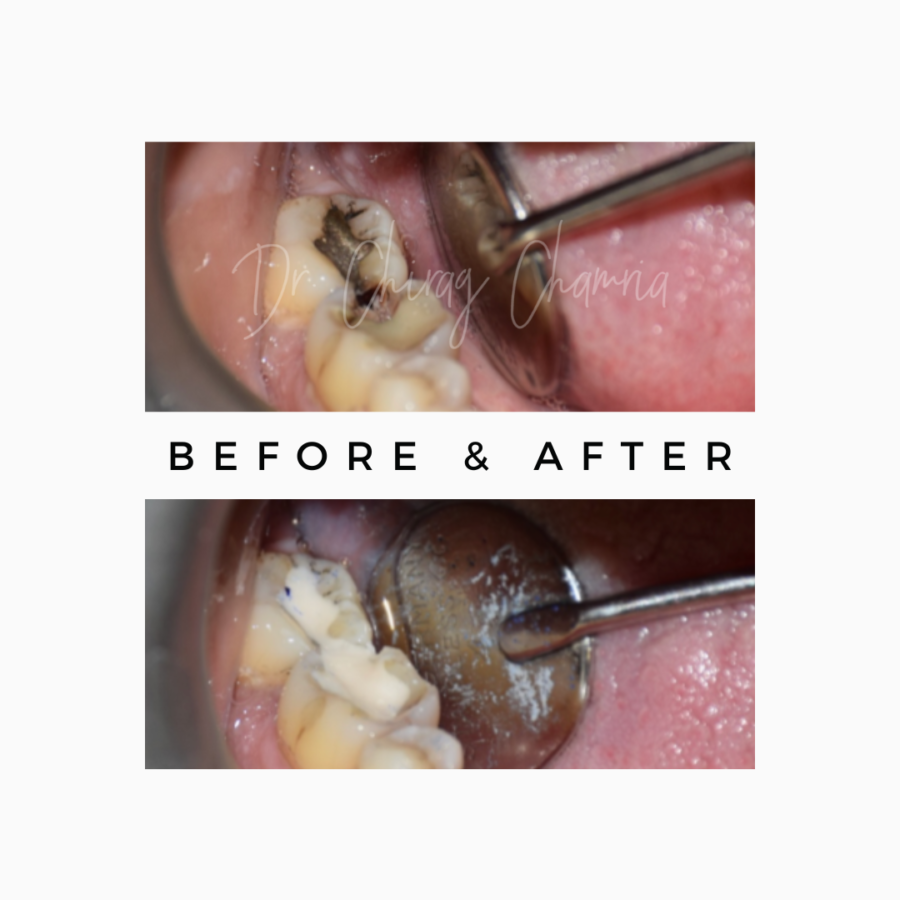
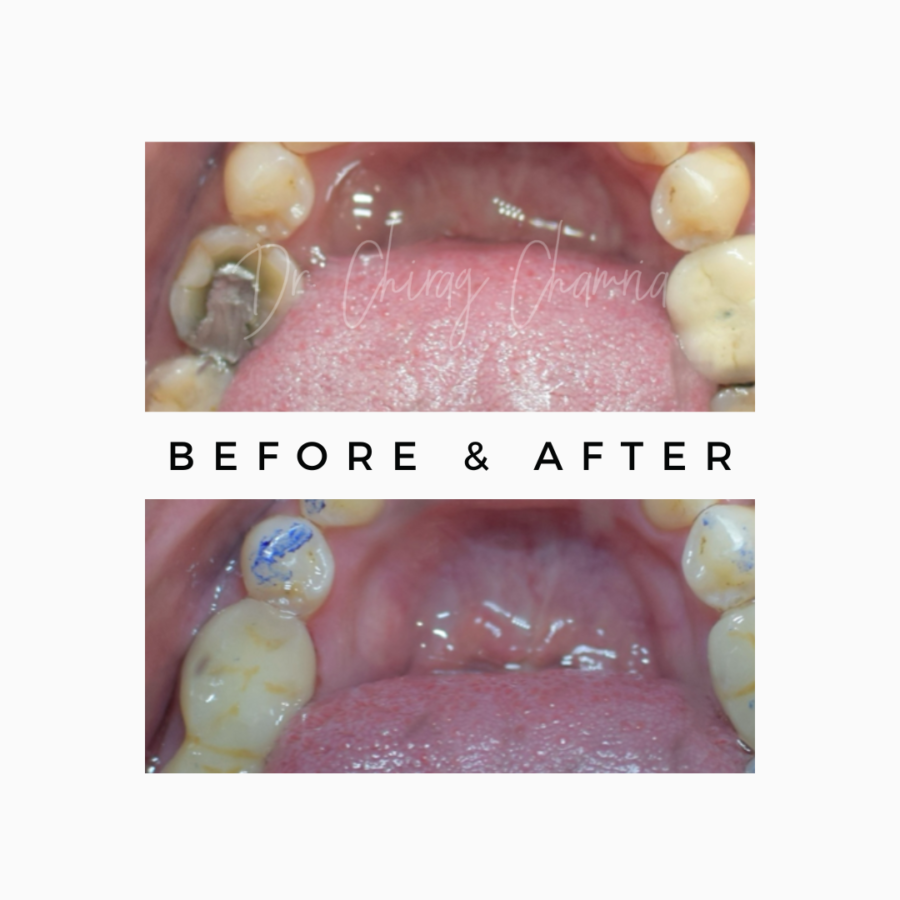
Pit and fissure caries can be detected during an oral prophylaxis appointment; and one should immediately get it treated. Moreover, this would prevent further decay or secondary caries, or even a root canal treatment.
Occlusal and occlusion proximal cavities: One should immediately get them treated with tooth coloured restorations to arrest the spread of decay from one tooth to another.
What about food after a dental filling?
After a filling, soft foods are a good choice. Although to avoid irritation in the sensitive area, doctors recommend food such as: Khichdi, Daal Rice, Soup, Scrambled eggs or an Omelet or soft noodles. In conclusion, you can eat after a filling; but the type of filling often determines when you can eat. Moreover, you’ll have to wait longer with an amalgam filling (silver), than with a composite filling (white/tooth-colored). It may take 24 hours for your amalgam filling to completely set.
When Should You Visit a Dentist?
Visit your dentist if you notice tooth sensitivity, pain while eating, visible dark spots, food getting stuck between teeth, or persistent bad breath. Early diagnosis allows cavities to be treated with simple dental fillings before they become larger and require more complex procedures.
Conclusion
Preventing dental caries starts with good oral hygiene, a balanced diet, regular dental check-ups, and timely treatment of small cavities before they become serious. Simple habits such as brushing twice daily with fluoride toothpaste, flossing, and professional teeth cleaning can help protect your natural teeth for life. If you notice signs of tooth decay, consult the experienced team at Royal Dental Clinics for early diagnosis and appropriate treatment.
Protect Your Smile with Preventive Dental Care
Don’t wait for tooth pain to develop. Schedule a preventive dental check-up at Royal Dental Clinics to detect cavities early, receive professional cleaning, and keep your natural teeth healthy for years to come.
FAQs
Can dental caries be reversed?
Early-stage tooth decay can sometimes be reversed with fluoride treatments and excellent oral hygiene before a cavity forms.
How often should I visit the dentist to prevent cavities?
A dental check-up every six months helps detect tooth decay early and keeps your teeth healthy.
Can children get dental caries?
Yes. Children are highly susceptible to cavities, especially if they frequently consume sugary foods or practice poor oral hygiene.
Does fluoride toothpaste really work?
Yes. Fluoride strengthens tooth enamel and helps prevent cavities when used regularly.
When is a dental filling required?
A dental filling is recommended once a cavity has formed to restore the tooth and prevent further decay.
© All rights reserved by Royal Dental Implants Pvt Ltd
Issued in public interest