
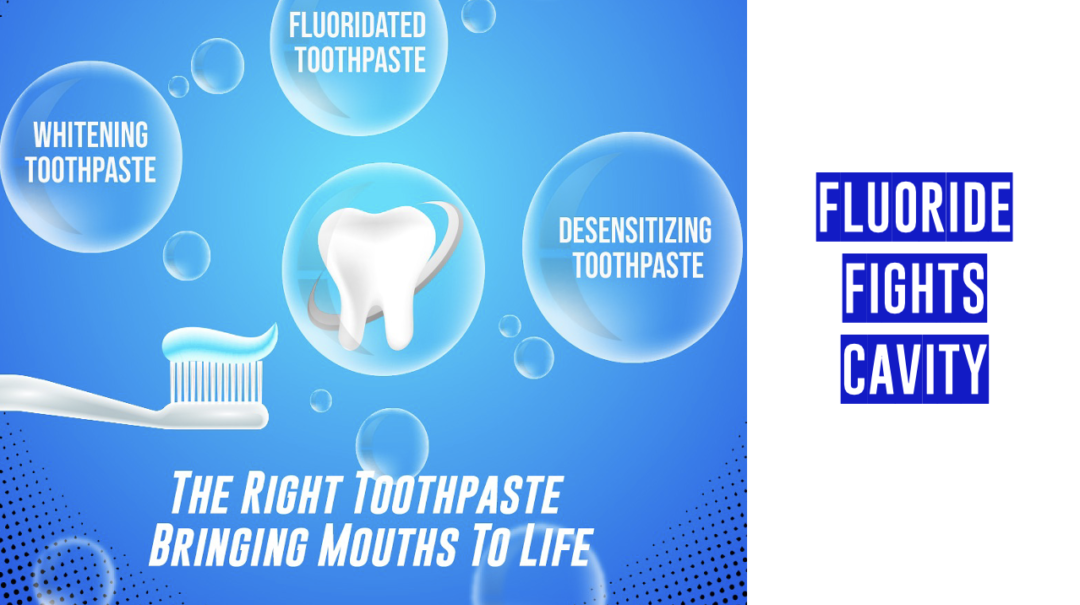
Its well known that minerals help to strengthen our teeth and bones. Calcium is one of the prime essential mineral to make our bones and teeth stronger. However, one more mineral called fluoride; helps in making our teeth stronger. It is a mineral that is present in many foods and water. Mostly Fluoridation is consumed through toothpaste, water, oil, mouthwash etc.
Who is this article for?
This article is for patients and parents who are confused about whether fluoride toothpaste is safe, necessary, or harmful. It is especially useful for people who frequently get cavities, children learning to brush, patients with sensitivity, senior citizens with exposed roots, and families comparing fluoride and non-fluoride toothpaste. The goal is to help readers understand that fluoride toothpaste, when used correctly, is a preventive dental aid and not a substitute for brushing technique, diet control, flossing, and regular dental check-ups.
Our teeth undergoes two process on a daily basis:
- Demineralisation: When Minerals lost from outer surface of the teeth.
- Remineralisation: When Minerals like calcium, fluorides, phosphate redeposited on the outer surface of teeth.
Fluoride in Toothpaste is beneficial to Teeth:
- It helps rebuild (remineralise) weakened tooth enamel.
- Fluoride slows down the loss of minerals from tooth enamel.
- It reverses early signs of tooth decay.
- Fluoride prevents the growth of harmful oral bacteria.
If the demineralisation takes place more than remineralisation it leads to tooth decay. Fluoride plays an important role in tooth mineralization in both adults and children. Fluorides consumed from foods, water and other dietary supplements help to make the enamel of tooth harder before they erupt into the oral cavity. After they erupt into the oral cavity, fluoride helps in remineralisation thus making it resistant to tooth decay.
Myth: Fluoride toothpaste is only needed for children
Fact: Fluoride toothpaste is helpful for both children and adults because tooth decay can happen at any age. Adults with frequent snacking, dry mouth, acidity, gum recession, crowns, bridges, braces, or implants may have a higher risk of cavities and root decay. Fluoride helps strengthen enamel and supports repair of early mineral loss before a cavity becomes deep. The CDC recommends brushing twice daily with fluoride toothpaste as one of the basic ways to reduce dental caries risk.
Myth: More toothpaste gives better protection
Fact: Using too much toothpaste does not mean better cleaning. What matters more is correct brushing technique, brushing for about two minutes, and using the right amount of fluoride toothpaste. For adults, a pea-sized amount is usually enough, while young children need only a very small quantity under supervision. Excess toothpaste in children may increase the chance of swallowing fluoride, so parents should guide brushing until the child can spit properly.
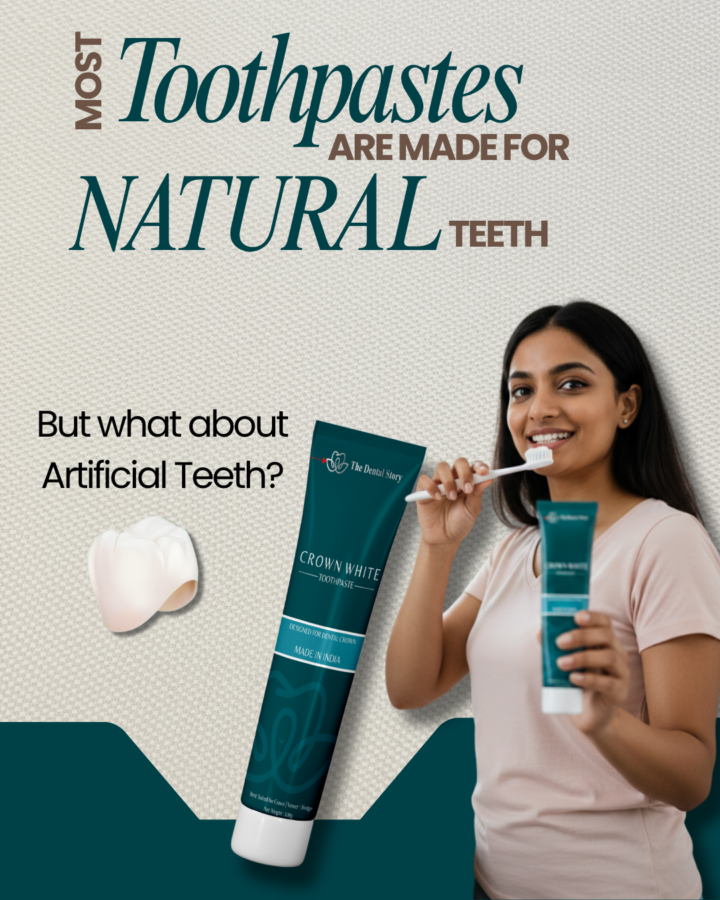
Myth: Fluoride-free toothpaste is always a better natural choice
Fact: Fluoride-free toothpaste may clean the teeth and freshen breath, but it may not provide the same cavity-prevention benefit as fluoride toothpaste. Patients who are cavity-prone, wear braces, have deep grooves, eat frequently, or already have multiple fillings should be careful before switching. Natural does not always mean more protective for teeth. The right toothpaste should be selected based on cavity risk, gum condition, age, sensitivity, and dentist recommendation.
Myth: Toothpaste alone can prevent all dental problems
Fact: Fluoride toothpaste is important, but it cannot solve every oral health problem on its own. Cavities and gum disease are also influenced by diet, plaque control, saliva, medical conditions, smoking, brushing habits, and professional cleaning. Patients should brush twice daily, clean between teeth, reduce frequent sugar exposure, and visit the dentist periodically. If there is pain, bleeding gums, bad breath, food lodgement, or sensitivity, toothpaste may reduce symptoms temporarily but the cause should be checked clinically.

FAQs to be added
Is fluoride toothpaste safe for daily use?
Yes, fluoride toothpaste is generally safe for daily use when used in the correct amount and not swallowed unnecessarily. It helps protect teeth from cavities by strengthening enamel and supporting early repair of acid damage. Children should brush under adult supervision so they use only the recommended amount and spit out the toothpaste properly.
Should I rinse my mouth after using fluoride toothpaste?
It is better to spit out the excess toothpaste rather than rinse thoroughly with water immediately after brushing. Rinsing too much can wash away the fluoride that remains on the teeth after brushing. For better protection, brush at night and one other time during the day, spit out the foam, and avoid eating or drinking immediately after brushing.
Conclusion to Myths & Facts Fluoride Toothpaste
Neglect towards dental care leading to poor oral hygiene are considered main reasons for tooth decay. Fluoride serves as a preventive measure against tooth decay. Fluoride is a naturally occurring mineral used in dental products to strengthen tooth enamel and prevent cavities. It’s also added to the water supplies in many Indian cities. While the amount added to drinking water is considered to be relatively safe, exposure to high levels of fluoride may be linked to several other health issues. You can also opt for fluoride-free dental products, especially if you have young children.
Medical Disclaimer
This article is for patient education only. Dental treatment should be planned after clinical examination, medical history review, and X-rays or scans where required. Treatment suitability, cost, timeline, healing, and results vary from patient to patient.