
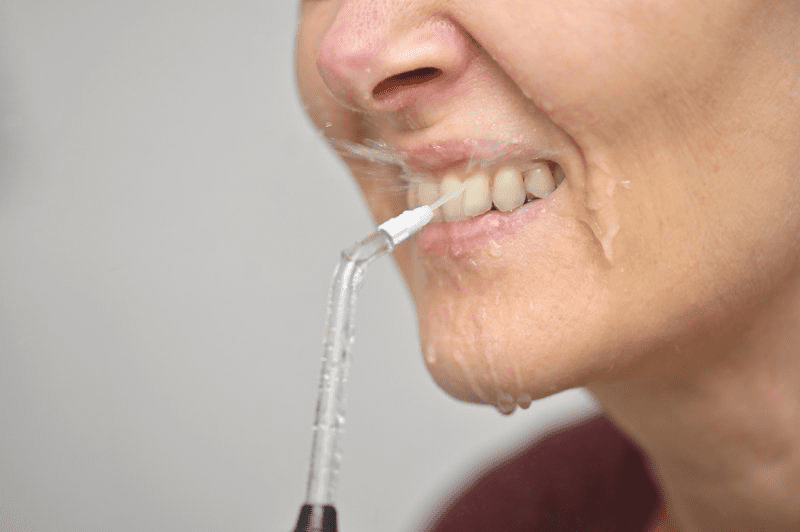
Plaque is a soft, sticky film of bacteria that forms on teeth and can lead to tooth decay, gum disease, and other dental problems. While regular brushing and flossing can help remove surface-level plaque, some individuals may require additional tools to achieve a deeper clean. Enter the Waterpik, a popular dental device that claims to remove plaque and improve overall oral health. But can this gadget truly live up to its promises? In this article, let’s discuss Waterpik plaque removal and other gum conditions.
What is a Waterpik and how does it work?
A Waterpik, also known as an oral irrigator or dental water jet, is a handheld device that uses a stream of water to clean teeth and gums. It works by directing a pressurised stream of water into the spaces between teeth and along the gum line, flushing out food particles, bacteria, and plaque. Waterpiks typically consist of a motor that powers a pump, a reservoir for holding water, and a nozzle that directs the water flow. Some models also come with interchangeable tips or attachments for various cleaning needs, such as orthodontic braces or periodontal pockets.
One of the key benefits of using a Waterpik is that it can reach areas of the mouth that may be difficult to clean with traditional brushing and flossing. For example, it can effectively clean around dental implants or under orthodontic wires and brackets. However, it’s important to note that a Waterpik should not be used as a substitute for regular brushing and flossing. Rather, it should be used as a supplementary tool to enhance oral hygiene.
Scientific Studies on effective Waterpik in Plaque removal
A 2011 study published in the Journal of Clinical Dentistry found that using a Waterpik for one minute per day was significantly more effective at reducing gingivitis and bleeding than using dental floss.
A 2013 study published in the International Journal of Dental Hygiene compared the effectiveness of a Waterpik with dental floss for removing plaque in people with braces. The study found that the Waterpik was significantly more effective at removing plaque from around the brackets and wires.
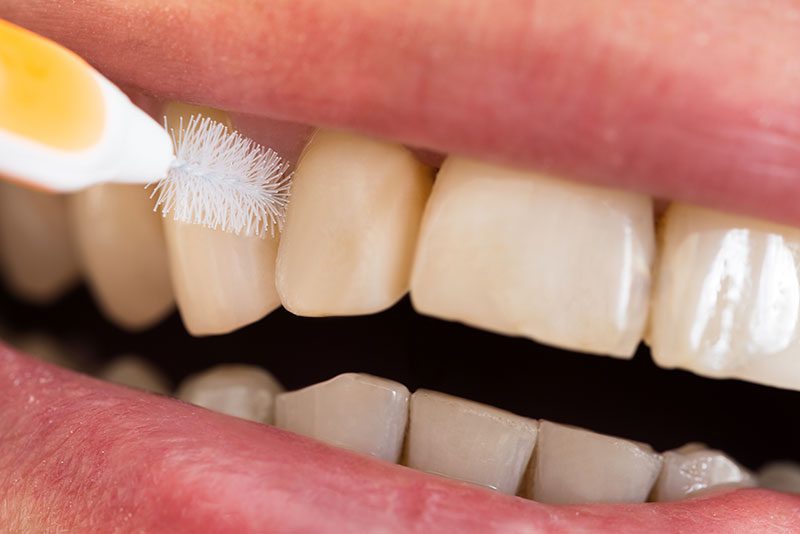
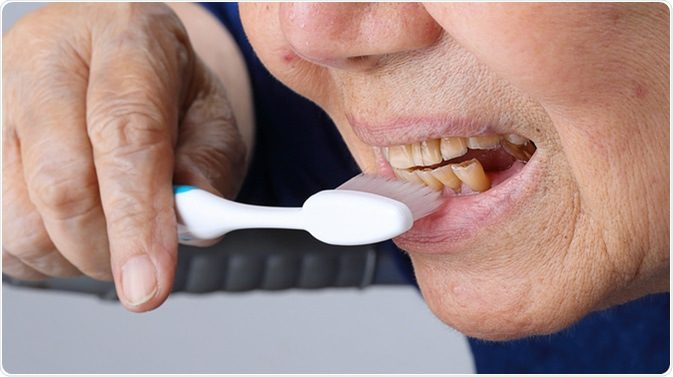
2017 systematic review published in the Journal of Clinical Periodontology looked at 10 studies comparing the effectiveness of a Waterpik with other methods of oral hygiene, including dental floss, interdental brushes, and manual toothbrushing alone. The review found that the Waterpik was effective at reducing plaque and gingivitis compared to all other methods.
User experiences and reviews of Waterpik
User experiences and reviews of Waterpiks vary, but many people find them to be a helpful addition to their oral hygiene routine. Here are some common themes that appear in user reviews:
Effective at cleaning hard-to-reach areas: Many people find that a Waterpik is helpful for cleaning areas between teeth and around dental appliances, such as braces or bridges, where traditional flossing can be difficult.
Gentle on gums: Unlike traditional flossing, which can sometimes be rough on gums, Waterpiks can be gentler and less likely to cause irritation or bleeding.
Higher cost: Compared to traditional flossing, Waterpiks can be more expensive upfront and may require periodic replacement of nozzles or other parts.
Easy to use: Waterpiks are generally easy to use, with adjustable settings that allow users to customize the water pressure and choose from different types of nozzles.
Improved oral health: Users often report improved gum health and a reduction in plaque and gingivitis after using a Waterpik regularly.
Some users find it messy: Some users find that the Waterpik can be messy or splatter water around the sink during use, especially if they use high water pressure.
Comparison of Waterpik to traditional Brushing
Method of cleaning: Brushing and flossing physically remove plaque and food particles from teeth and gums, while Waterpiks use a stream of water to dislodge and rinse away debris.
Effectiveness: While all three methods are effective at removing plaque and maintaining oral health, studies have shown that Waterpiks may be more effective at reducing gingivitis and removing plaque from hard-to-reach areas compared to traditional flossing.
Convenience: Brushing and flossing can be done anywhere with minimal equipment, while Waterpiks require an electrical outlet and access to water. They may also be bulkier and less portable than traditional brushing and flossing.
Cost: Traditional brushing and flossing are typically the most cost-effective options for maintaining oral health, while Waterpiks can be more expensive upfront and require periodic replacement of parts.
Personal preference: Some people may find Waterpiks to be more enjoyable or comfortable than traditional brushing and flossing, while others may prefer the familiarity and simplicity of traditional methods.
Tips for using a Waterpik effectively
- Fill the reservoir with warm water and adjust the pressure settings to your comfort level.
- Lean over the sink while using the Waterpik to avoid making a mess.
- Aim the nozzle along the gumline and between teeth, holding it at a 90-degree angle to the teeth.
- Move the nozzle in a slow, circular motion to thoroughly clean each tooth and gum area.
- Start with the lowest pressure setting and gradually increase it as needed.
Potential drawbacks and limitations of Waterpik
While Waterpiks can be a helpful addition to a comprehensive oral hygiene routine, there are some potential drawbacks and limitations to consider. Here are a few examples:
Not a replacement for brushing and flossing: While Waterpiks can be effective at removing plaque and food debris, they should not replace regular brushing and flossing, which are still considered the foundation of good oral hygiene.
Water pressure and temperature: Some people may find the high water pressure or cold water uncomfortable or even painful. It’s important to adjust the settings to a comfortable level and use lukewarm water.
Noise: Waterpiks can be noisy, which may be a concern for some users, particularly if they live in a shared living space or have sensitive ears.
Messy: Waterpiks can be messy and may spray water around the sink during use, especially if the water pressure is set high.
Cost: Waterpiks can be more expensive than traditional flossing, and may require periodic replacement of parts.
Learning curve: It may take some time to get used to using a Waterpik effectively and efficiently, which may deter some users.
Alternative dental tools for plaque removal
Interdental brushes: These small brushes are designed to clean between teeth and can be especially helpful for individuals with braces, bridges, or other dental appliances.
Tongue scrapers: These tools can help remove bacteria and debris from the tongue, which can contribute to bad breath and poor oral health.
Dental picks: These pointed tools can help remove plaque and food particles from difficult-to-reach areas.
Periodontal disease treatment
Before we can discuss whether waterpik can reverse periodontal disease, it’s important to understand how periodontal disease is typically treated. If you’ve just been diagnosed with moderate or advanced gum disease, your dentist may recommend treatment with oral antibiotics. While this may sound alarming, antibiotics are a standard treatment option for most moderate cases of periodontal disease because they kill the bacteria that cause the disease.
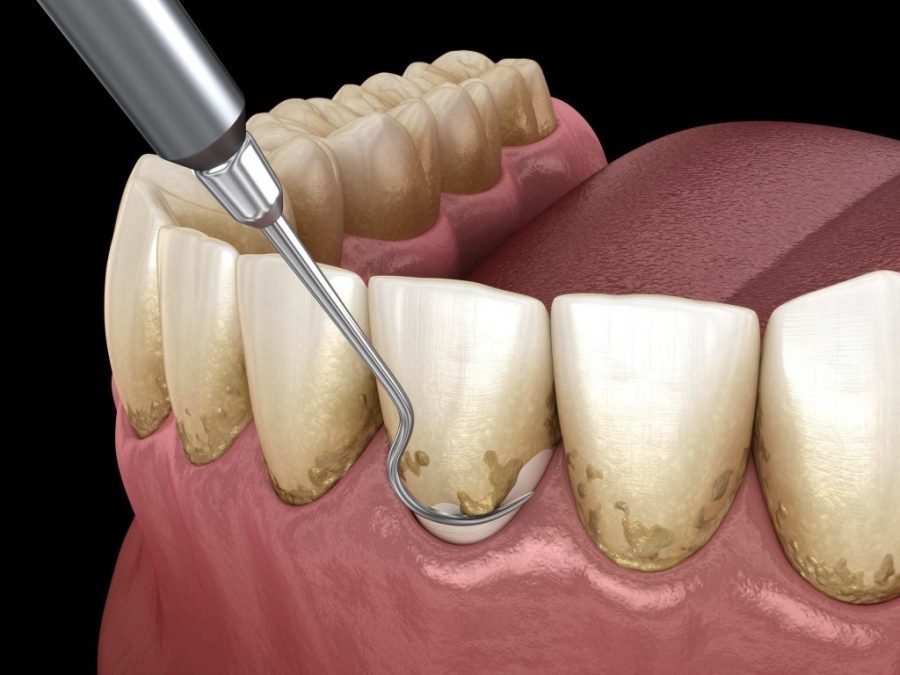
The better your antibiotics work, the less damage they cause to your gums and the more likely you’ll be able to save your teeth. If you’re experiencing severe gum disease, your dentist may recommend surgery to clean out the infection. In some cases, this may also require replacing missing teeth with implants or other restorative options.
How does a Waterpik help reverse periodontal disease?
As we’ve discussed, you can use oral antibiotics to treat. You can also use Waterpik to help eliminate up to 90% of the bacteria in your mouth. This is thanks to the device’s high-pressure water stream, which works to dislodge and flush away the bacteria living in your mouth. You can read more about the Waterpik’s ability to treat bacteria in the human mouth here. As a general rule, you should use a Waterpik to help eliminate bacteria in your mouth at least once a day. While this treatment will not rid you of periodontal disease completely, it can help reduce the amount of bacteria in your mouth, making your antibiotics more effective.
Other benefits of using a waterpik for oral health
Besides helping you treat and manage periodontal disease, Waterpik can also offer variety of other benefits for your oral health. For example, daily use of the device will help you significantly reduce the amount of bacteria in your mouth, especially around your gum line. This can go a long way towards preventing the onset of periodontal disease. Daily use of Waterpik can also help you remove plaque, which is the main cause of gingivitis and periodontal disease. Waterpik can make up for the shortcomings of brushing alone and help you more effectively clean your teeth.
Conclusion
So, can Waterpiks remove plaque? The answer is that it depends. While scientific studies have provided mixed results on their effectiveness, many users report positive experiences with Waterpiks and find them to be a helpful supplement to brushing and flossing. In summary, Waterpiks can be a helpful tool for plaque removal and overall oral health, but they should not be used as a substitute for regular brushing and flossing. With proper use and maintenance, a Waterpik can be a valuable addition to your dental hygiene routine.