
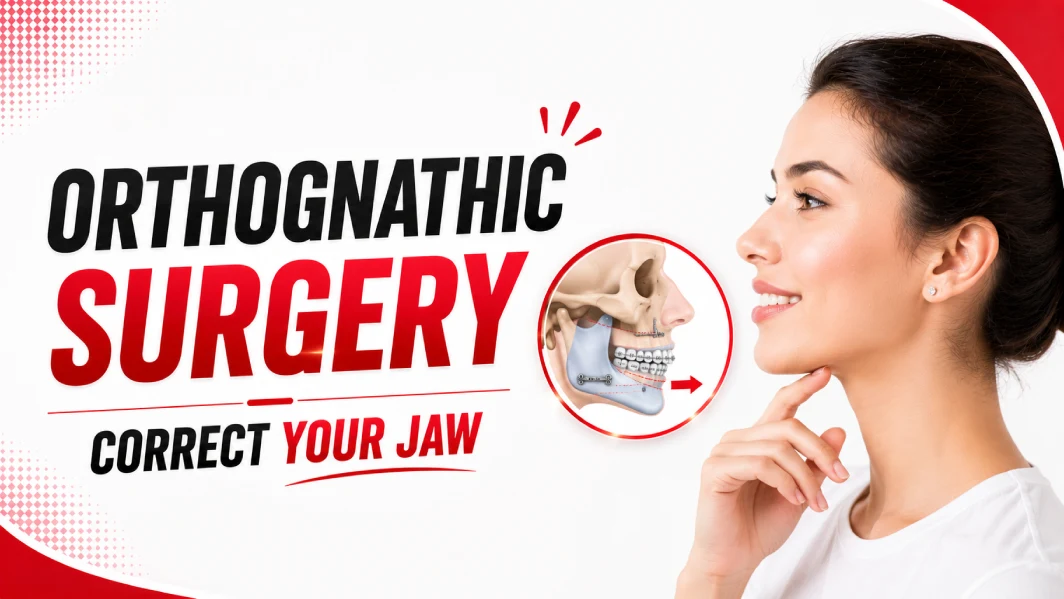
Misaligned jaw treatment helps correct problems with jaw alignment that can affect chewing, speaking, breathing, facial appearance, and overall oral health. Depending on the severity of the condition, treatment may involve orthodontics, orthognathic surgery, or a combination of both. Modern jaw correction procedures are carefully planned to restore proper bite function, improve facial harmony, and enhance quality of life.
Who Is This Article For?
- Individuals with an uneven or misaligned jaw
- Patients experiencing difficulty chewing or speaking
- People with jaw pain or TMJ discomfort
- Individuals considering jaw correction surgery
- Patients referred for orthognathic surgery
Why Is Orthognathic Surgery Needed?
The repositioning of the jaw requires an Orthognathic surgery. In order to correct an imbalance between the upper and lower jaw. The term derives from the early Greek “ortho” (straighten) and the Latin “gnathia” (jaw). There are medical conditions which will benefit. The problem pertaining to facial trauma or issues such as a cleft palate. In most cases, however, orthognathic surgery is not essential. The objectives are a better bite and enhanced facial appearance. Correcting jaw discrepancies helps to balance the shape of the face, a factor to be carefully analysed, alongside medical aspects.
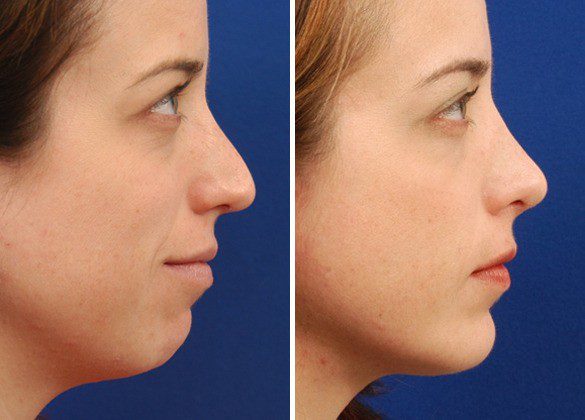
A tiny titanium plate and screw holds this in place of the repositioned jaw. However, there can be circumstances where they might be removed, although as with most bone surgery, they normally stay in place. Retaining measures added after surgery help guide your teeth into their new bite. Your teeth not wired together, but small elasticated bands placed for a while. Jaw correction may take a few hours to upto 3 days.
Every patient requires a comprehensive evaluation before jaw correction treatment. Clinical examination, digital X-rays, 3D imaging, and bite analysis help determine the severity of the jaw discrepancy and identify the most appropriate treatment approach. Careful planning ensures predictable surgical outcomes and improved facial balance.
Misaligned Jaw Treatment Options
Correcting the lower jaw position in most cases requires a maxillofacial plastic surgery. The type of surgery chosen will depend on the underlying cause of your uneven jaw. Your maxillofacial surgeon may choose:
Maxillary osteotomy. This is a surgery performed on the upper jaw to correct open bites or cross bites. The upper jaw and teeth moved forward so they align with the lower jaw and teeth.
Mandibular osteotomy. This surgery corrects issues such as overbite and protruding lower jaw. Your surgeon cuts in the back of your mouth to move the lower jaw forward or backward.
Genioplasty. Genioplasty will fix a small or crooked chin. The jaw and chin restructured by cutting the chin bone in the front side of jaw. Jaw wiring. Jaw wiring used to re-position the jaw in a certain position and provide support in the case of a fracture.
Why braces or aligners may be needed before jaw surgery?
In many misaligned jaw cases, the teeth have adapted to the incorrect jaw position over many years. Before orthognathic surgery, braces or aligners may be required to align the teeth properly within each jaw. This step helps the surgeon reposition the upper and lower jaws more accurately and create a stable bite after surgery. In some patients, the bite may temporarily look worse during preparation, but this is part of planning the jaws into their correct final position.
How misaligned jaw treatment is planned?
Jaw correction should not be planned only by looking at the teeth. A complete evaluation may include facial profile assessment, bite analysis, photographs, OPG or CBCT scans, digital impressions, jaw movement assessment, TMJ evaluation, and airway review where required. This helps the oral and maxillofacial surgeon understand whether the problem is dental, skeletal, muscular, airway-related, or a combination of factors.
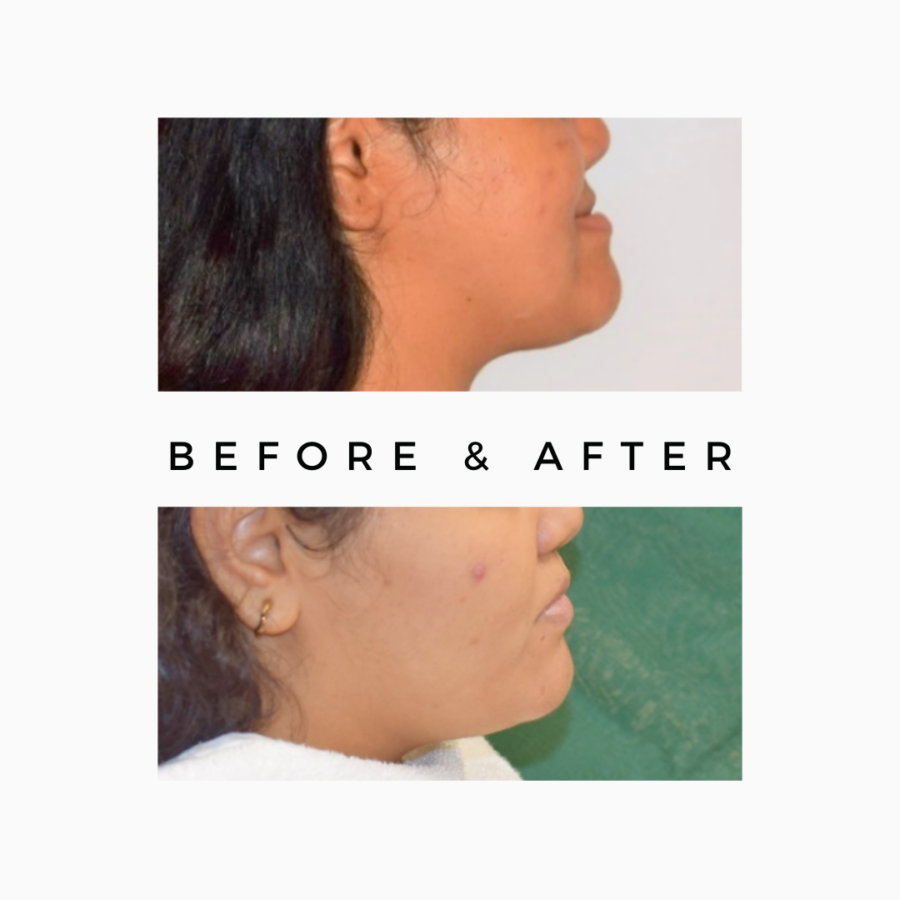
Three phases of orthognathic jaw surgery
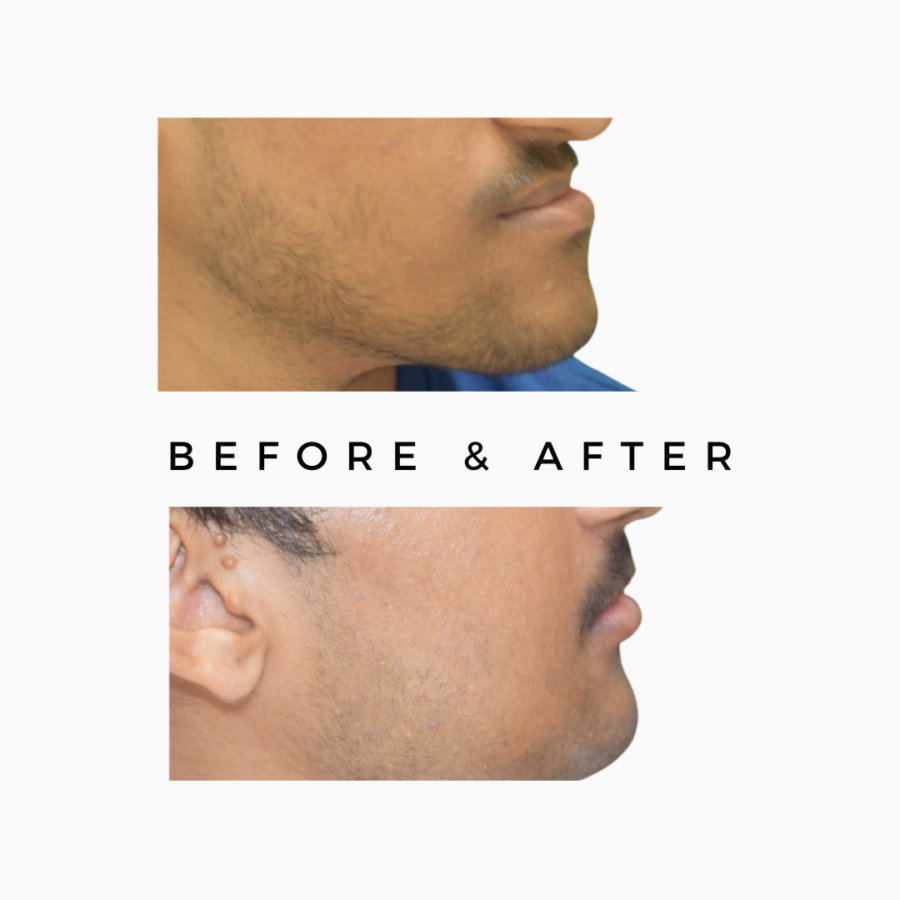
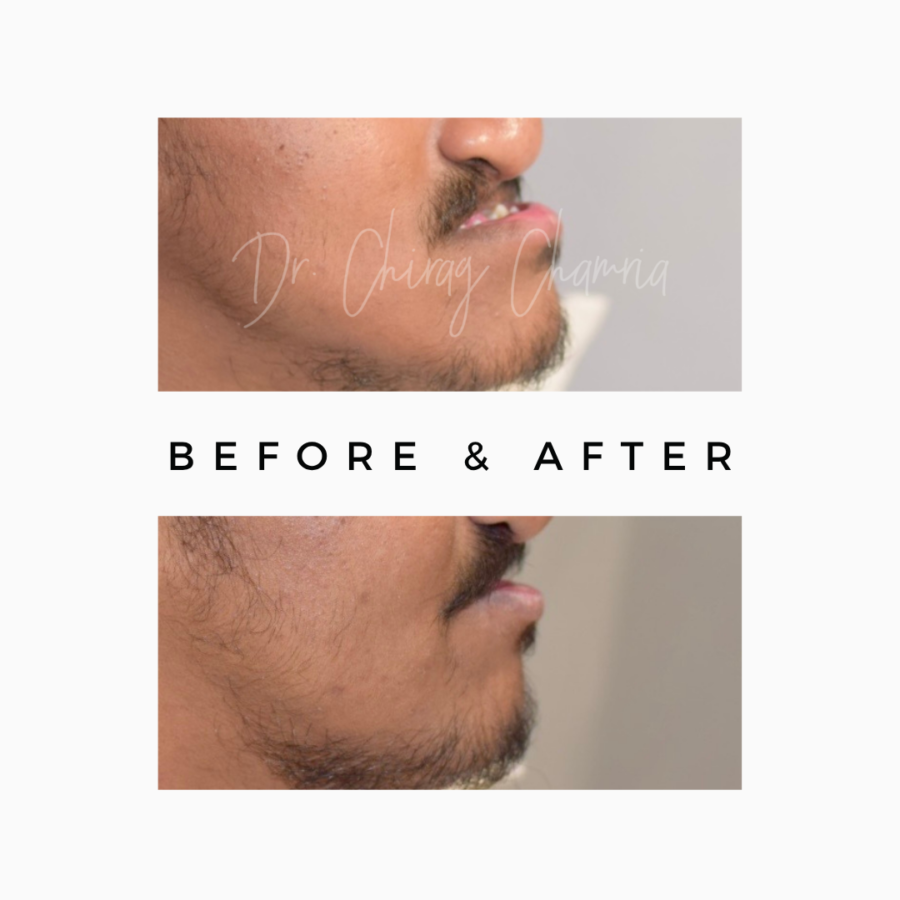
Orthognathic treatment usually has three phases: pre-surgical orthodontics, jaw surgery, and post-surgical finishing. In the first phase, the teeth are aligned for surgery. In the surgical phase, the jawbones are repositioned and stabilised with plates and screws. In the final phase, the bite is refined and stabilised so that chewing, speech, facial balance, and long-term function can improve.
Misaligned jaw, airway and TMJ symptoms
A misaligned jaw may affect more than just the smile. Some patients may experience chewing difficulty, facial imbalance, jaw joint strain, headaches, mouth breathing, snoring, or sleep-related breathing concerns. Not every patient with these symptoms needs jaw surgery, but a detailed jaw, bite, TMJ, and airway evaluation can help identify the true cause and guide the correct treatment plan.
What patients should ask before jaw correction treatment?
Before deciding on misaligned jaw treatment, patients should ask whether their problem can be corrected with orthodontics alone, whether surgery is required, how long treatment may take, what scans are needed, whether both jaws are involved, how the bite will change, what recovery will be like, and what risks or limitations apply. A written treatment plan helps patients understand the complete journey before starting.
SAPT Technology for Jaw Surgery
In cases where the individual’s need is urgent, an alternative to orthodontics (braces and wires). Therefore, the jaw surgery by using SAPT Technology. There can be dramatic changes in the irregularities of the jaw bone. This enhances the jaw position and alignment of the smile. Other salient benefits of this treatment are:
- Improved airway circulation
- Aesthetic profile
- Better chewing and swallowing efficiency
- Improves the ability to close the mouth and lips properly
- Relives pain and discomfort at the TMJ region.
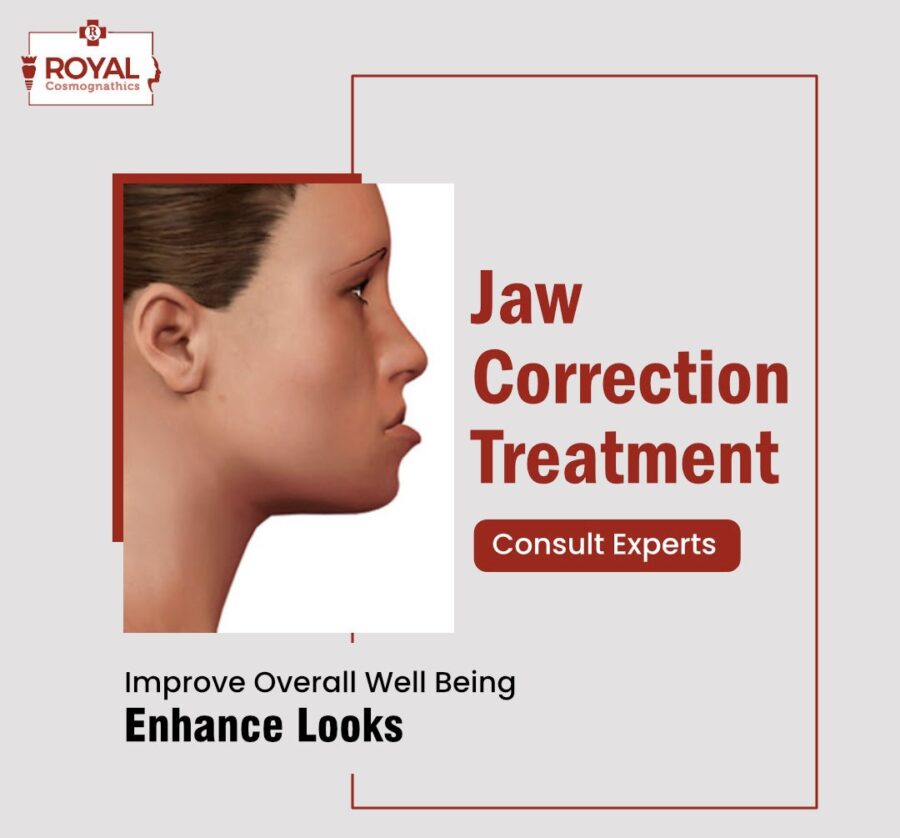
Although many of the abnormalities can treated with orthodontics alone. Moreover in cases of an extensive deformity, a surgical correction with cosmognathic technology deployed. Typically, both the hard and soft tissues of the face along with the teeth and bite, need to considered while formulating a definitive treatment plan, which will lead to the best facial balance outcome.
Treatment for Jaw Fractures and Facial Trauma
It is always recommended to do dental treatments in the first week of any upper or lower jaw injury, since this not only reduces complications in the long run, but also gives a high success rate of dental and maxillofacial treatments.
Dr. Chirag Chamria emphasises the value of a mouth guard, which can prevent sports-related injuries in some cases. In conclusion, Dr. Chirag Chamria mentions that it is emergency care and its significance in such cases. All these complications are manageable and are resolved as soon as they are detected. However, with proper observation and time-to-time examination of the bone augmentation process, one can achieve the desired results.
Recovery varies depending on the complexity of the procedure, but most patients gradually return to normal daily activities over several weeks. Following the surgeon’s instructions, maintaining excellent oral hygiene, eating a soft diet, and attending follow-up appointments are essential for proper healing and long-term treatment success.
Benefits of Jaw Correction Surgery
The bite enhanced, a practical, social and in a way, medical advantage. You will look different, how much depends on the original problem, although your features should be in proportion, a natural facial appearance. The look fulfilled in full after surgery, therefore a complete and pleasant transformation visible. The vast majority of our patients are delighted with the results of orthognathic surgery.
Beyond The Jaw: Book by Dr Chirag Chamria

Dr. Chirag Chamria’s book Beyond the Jaw reflects a wider clinical approach to jaw pain, bite imbalance, facial discomfort, and symptoms that may not always start from the teeth alone. For patients with misaligned jaws, TMJ discomfort, unexplained facial pain, or repeated dental issues, the message is simple: treatment should look beyond one tooth and study the full relationship between the jaw, bite, muscles, airway, and overall function.
Conclusion
Successful misaligned jaw treatment requires accurate diagnosis, careful treatment planning, and collaboration between orthodontists and oral and maxillofacial surgeons. Whether treatment involves orthodontics, orthognathic surgery, or advanced techniques such as SAPT Technology, the goal is to restore healthy jaw function, improve facial balance, and enhance long-term oral health.
If you’re experiencing jaw pain, difficulty chewing, bite problems, or facial asymmetry, consult the experienced specialists at Royal Dental Clinics to explore the most suitable treatment options for your condition.
Looking for Expert Misaligned Jaw Treatment?
Book a consultation at Royal Dental Clinics for a comprehensive jaw evaluation. Our oral and maxillofacial specialists provide advanced treatment planning and personalized jaw correction solutions to improve both function and facial aesthetics.
FAQs
What causes a misaligned jaw?
A misaligned jaw may result from genetics, developmental issues, facial injuries, congenital conditions, or abnormal jaw growth.
Is orthognathic surgery painful?
The surgery is performed under general anesthesia. Mild discomfort during recovery is expected and is managed with prescribed medications.
How long is recovery after jaw correction surgery?
Initial recovery usually takes a few weeks, while complete healing may take several months depending on the procedure.
Can braces alone correct a misaligned jaw?
Mild bite problems may be treated with orthodontics alone, but severe skeletal jaw discrepancies often require surgery.
Is jaw correction surgery permanent?
Yes. When combined with proper orthodontic treatment and follow-up care, jaw correction surgery generally provides long-lasting results.
© All rights reserved by Royal Dental Implants Pvt Ltd
Issued in public interest