
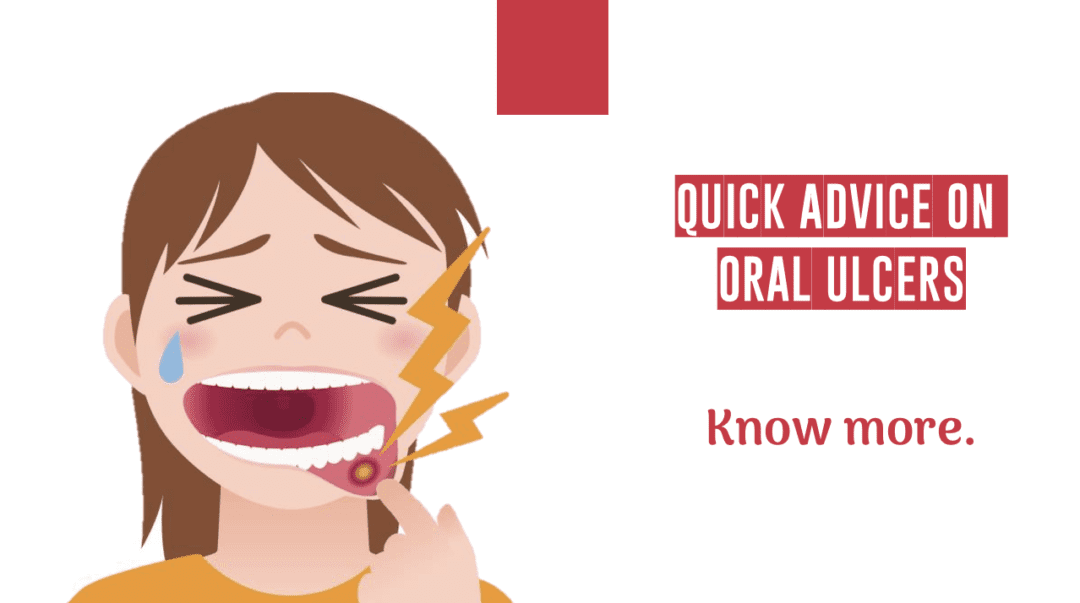
Oral ulcers are painful sores that develop on the soft tissues inside the mouth, including the cheeks, lips, tongue, gums, and palate. While most mouth ulcers heal on their own within one to two weeks, some may indicate an underlying medical or dental condition that requires professional evaluation. Understanding their causes, symptoms, and treatment options can help prevent complications and promote faster healing.
Mouth Ulcers are characterised by loss of epidermis and basement membrane exposing the dermis also known as canker sore. They can occur commonly after a tooth decay. These are seen more commonly in females than males. It can be present on lips, tongue, floor of mouth, gums or palate. It’s important not to ignore an ulcer that you have had for more than two weeks, especially if you use tobacco products and drink alcohol regularly. They may show signs of cyst or oral cancer. Dental problems can be prevented and completely avoided if you are responsible for your oral health.
Who Is This Article For?
- People experiencing painful mouth ulcers
- Individuals with recurring oral ulcers
- Patients looking for oral ulcer treatment
- Tobacco users concerned about non-healing mouth sores
- Anyone wanting to maintain better oral health
Types of Oral Ulcers
Minor Aphthous Ulcers (MiAUs)
Most commonly found in children. May seen in adults as well. These stress related, self-diagnosed, self-treatable. They last for a very short term, less than a week. Resolves on its own (heal within 10-14 days). They are not contagious. They are small and shallow (< 1 cm) mainly seen on tongue. Presents with mild to moderate pain and may cause discomfort on chewing.
Major Aphthous Ulcers (MjAUs)
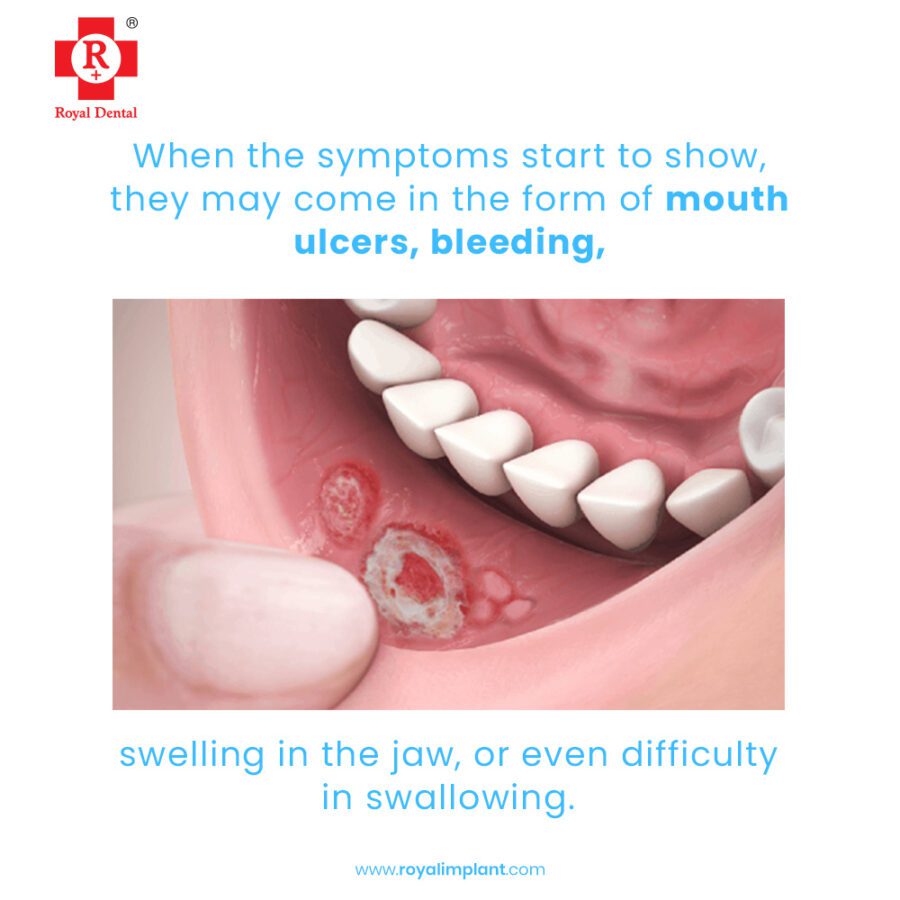
MjAUs are less common than MiAUs. Similar in appearance but are larger than 10mm in diameter and also deeper. Scarring occurs and may last for few weeks to few months. Seen on lips, tongue or soft palate. Presents with pain and difficulty in chewing. Frequently found in HIV + patients.
Herpetiform Ulcers
They are small (1-2mm) and are present in multiples. Occurs on lateral and ventral surface of tongue and floor of the mouth. They may coalesce to form larger ulcer with erythema. Most commonly seen in females. Ulcers may last for 7 to 14 days. Affects older age group.
Symptoms of Oral Ulcers
It commonly appear as round or oval sores with a white, yellow, or gray center surrounded by a red border. They may cause pain while eating, drinking, brushing, or speaking. In some cases, recurring ulcers or sores that do not heal within two weeks should be evaluated by a dentist to rule out underlying infections or more serious conditions.
Oral Ulcer Treatment Options
- Drink plenty of water and juices
- Avoid hot, spicy, sour food
- Use Topical steroid ointment such as triamcinolone 0.1%
- Use Topical anesthetic gels- such as dologel CT
- Antibiotics- tetracycline
- Apply ice or cold packs
- Anti-inflammatory and analgesic to relieve severe pain
- Medicated gels like gummex, dentogel to applied in small quantity
- Vitamin C, B12 supplements
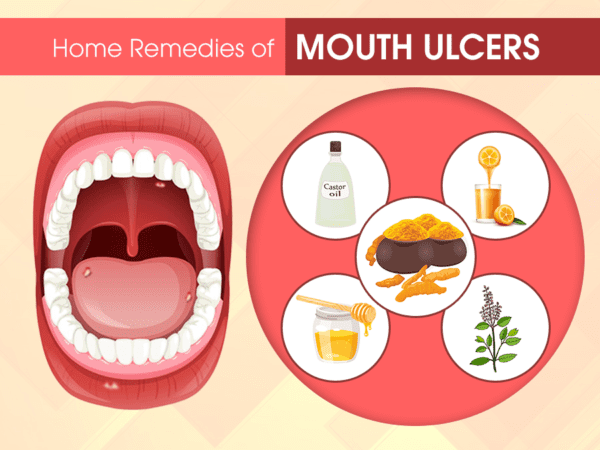
- Traditional agents like ghee, yoghurt, turmeric, honey
When Should You Visit a Dentist?
While most of them heal naturally, you should seek professional dental care if an ulcer lasts longer than two weeks, repeatedly returns, becomes unusually large, or is accompanied by swelling, fever, difficulty swallowing, or unexplained bleeding. Early diagnosis is essential, particularly for people who use tobacco or alcohol, as persistent ulcers may require further investigation.
Conclusion
Most oral ulcers heal naturally within one to two weeks, but persistent or recurring ulcers should never be ignored. Early diagnosis helps identify the underlying cause and ensures appropriate treatment before complications develop. Maintaining good oral hygiene, eating a balanced diet, and attending regular dental check-ups can significantly reduce the risk of recurrent mouth ulcers.
If you have an oral ulcer that is painful, frequently returns, or does not heal within two weeks, schedule a consultation at Royal Dental Clinics for a comprehensive oral examination and personalized treatment.
Worried About a Mouth Ulcer?
Book an appointment at Royal Dental Clinics for an expert evaluation. Early diagnosis and appropriate treatment can relieve discomfort and help detect more serious conditions at an early stage.
FAQs
What causes oral ulcers?
They may result from accidental injury, stress, nutritional deficiencies, infections, hormonal changes, certain medications, or underlying medical conditions.
How long do mouth ulcers usually last?
Most minor oral ulcers heal within 7 to 14 days without leaving a scar.
Are oral ulcers contagious?
Most aphthous (canker) ulcers are not contagious. However, ulcers caused by viral infections may be.
When should I see a dentist for an oral ulcer?
Consult a dentist if the ulcer lasts longer than two weeks, keeps recurring, or is associated with swelling, bleeding, or difficulty swallowing.
Can oral ulcers be prevented?
Good oral hygiene, avoiding mouth injuries, managing stress, and maintaining a healthy diet may help reduce the frequency of oral ulcers.
© All rights reserved by Royal Dental Implants Pvt Ltd
Issued in public interest