
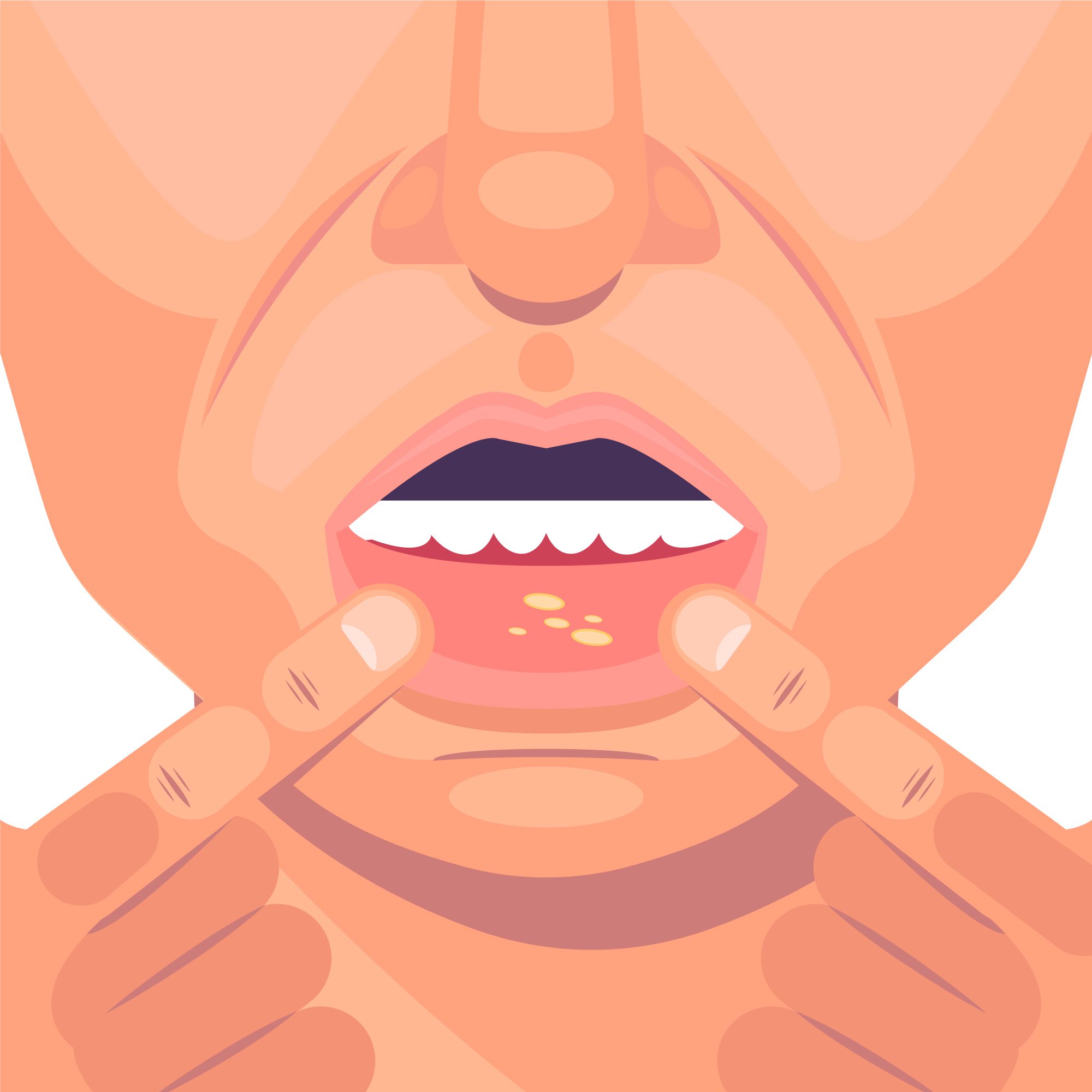
Skin peeling inside the mouth can be an unsettling experience, often presenting as flaking or sloughing of the oral cavity’s mucous membranes. This issue can range from a mild irritation to a more concerning health problem, depending on its underlying cause. Understanding why this occurs and how to manage it is crucial for maintaining good oral health and overall well-being.
Is Skin Inside the Mouth Peeling Normal?
The oral mucosa, which is the lining inside your mouth, is usually strong and able to renew itself. It’s normal for this lining to sometimes experience minor changes or irritations. However, if you’re dealing with persistent or severe peeling of the skin inside your mouth, it’s not considered normal. While occasional peeling might be due to temporary irritations or small issues, if it happens often or gets worse, it could be a sign of a more serious problem that needs to be looked into.
Why is the Skin Inside of My Mouth Peeling?
Skin peeling inside the mouth can result from several different causes. Identifying these causes is crucial for choosing the right treatment. Here’s a detailed look at some of the most common reasons:
Irritation from Food or Beverages – Certain foods and drinks can irritate the sensitive mucous membranes inside your mouth. Spicy foods, acidic fruits (like oranges and tomatoes), and extremely hot beverages can cause inflammation and peeling. The acids and spices in these foods can break down the protective layers of the oral mucosa, leading to discomfort and peeling.
Infections – Infections are another common cause of skin peeling inside the mouth. Viral infections, such as those caused by the herpes simplex virus, can lead to oral herpes (cold sores), which often results in sores and peeling. Fungal infections, like oral thrush (caused by Candida yeast), can also cause white patches and peeling of the mucous membranes.
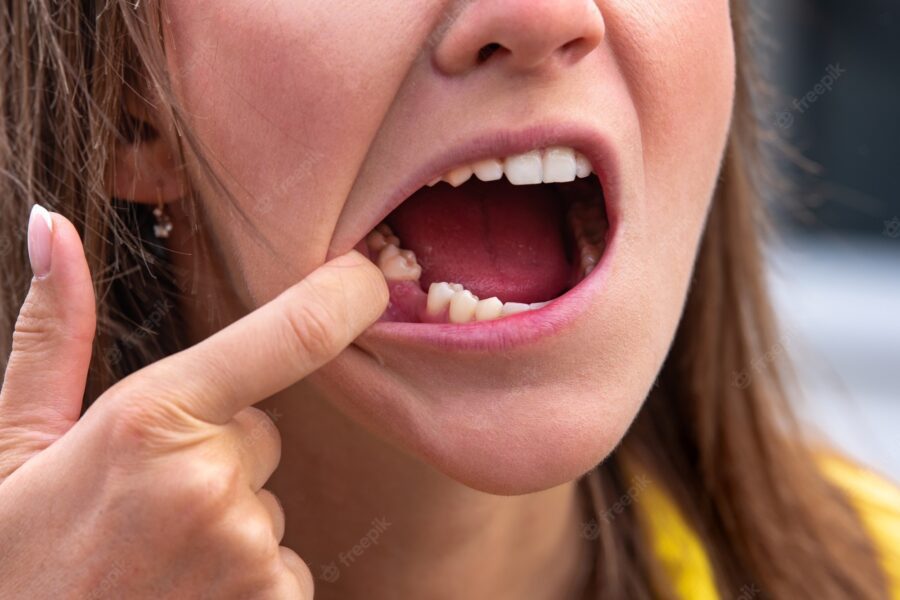
Allergic Reactions – Allergic reactions to certain foods, medications, or dental products can lead to irritation and peeling of the oral mucosa. For instance, allergies to toothpaste ingredients, mouthwashes, or certain food additives can result in localized inflammation and peeling.
Vitamin Deficiencies – Deficiencies in essential vitamins and minerals can impact the health of the oral mucosa. Vitamin B12, folic acid, and iron deficiencies are particularly known to affect oral health. A lack of these nutrients can lead to symptoms like peeling, sores, or a sore tongue.
Dry Mouth – Dry mouth, also known as xerostomia, occurs when there is reduced saliva production. This condition can be caused by factors such as certain medications, medical conditions like Sjögren’s syndrome, or dehydration. Without enough saliva, the mouth can become dry, irritated, and prone to peeling of the mucous membranes.
Chemical Exposure – Exposure to harsh chemicals, whether from oral care products or medications, can cause irritation and peeling. For example, alcohol-based mouthwashes or certain dental products with strong chemicals can irritate the sensitive tissues inside the mouth.
What Causes Skin Peeling Inside the Mouth?
Chemical Irritants
Chemicals found in some dental care products, such as mouthwash and toothpaste, can be irritants. For instance, alcohol-based mouthwashes can be too harsh for some individuals, leading to dryness and peeling. Similarly, some whitening toothpastes contain abrasive ingredients that may cause irritation.
Infections
Infections can disrupt the normal mucosal lining of the mouth. Viral infections, like cold sores caused by the herpes simplex virus, often present with painful blisters and peeling. Fungal infections such as oral thrush can cause a white coating on the tongue and inner cheeks, along with peeling.
Allergic Reactions
Allergies can manifest in various ways, including skin peeling inside the mouth. Allergic reactions to foods, dental care products, or even certain medications can cause localized inflammation and peeling. Identifying and avoiding the allergen is crucial for managing these reactions.
Nutritional Deficiencies
A deficiency in vital nutrients can adversely affect the health of the oral mucosa. For example, vitamin B12 deficiencies are known to cause oral symptoms such as soreness and peeling. Ensuring a balanced diet that includes adequate levels of essential vitamins and minerals is important for maintaining oral health.
Autoimmune Conditions
Autoimmune conditions can impact the mucous membranes in the mouth. For example, Behçet’s disease and systemic lupus erythematosus can cause oral ulcers, lesions, and peeling. Managing these conditions typically requires specialized medical treatment and care.
How to Stop Skin Peeling Inside the Mouth?
If you’re experiencing skin peeling inside your mouth, there are several strategies you can employ to address and manage the condition. Here’s a comprehensive approach:
- Avoid Irritants
Identifying and avoiding potential irritants is key. If you notice that certain foods or beverages trigger the peeling, try to eliminate them from your diet. Spicy, acidic, and very hot items are common culprits. Additionally, switch to a gentle, alcohol-free mouthwash and a toothpaste designed for sensitive mouths to reduce irritation.
- Maintain Good Oral Hygiene
Maintaining good oral hygiene is essential for overall health and can help prevent further irritation. Brush your teeth regularly with a soft-bristled toothbrush to avoid aggravating the oral mucosa. Floss daily to remove food particles and plaque that can contribute to irritation. Opt for a non-alcoholic mouthwash to support oral health without causing additional dryness or peeling.
- Stay Hydrated
Adequate hydration is crucial for maintaining the health of your oral mucosa. Drink plenty of water throughout the day to keep your mouth moist and support the healing of irritated tissues. If you experience dry mouth, consider using saliva substitutes or moisturizing oral gels to alleviate discomfort.
- Use Soothing Agents
Rinsing with a mild saline solution can help soothe irritation and promote healing. You can make a saline rinse by dissolving half a teaspoon of salt in a glass of warm water. Alternatively, a baking soda solution (made with baking soda and water) can also provide relief. Avoid using mouthwashes with strong chemicals or alcohol, as these can exacerbate the problem.
- Check for Allergens
If you suspect that an allergen may be causing the peeling, try to identify and eliminate potential triggers. This may involve reviewing your diet, dental products, or medications. For example, switching to hypoallergenic toothpaste or avoiding certain foods may help alleviate symptoms. If you’re unsure about the source of the allergy, consider keeping a food diary and noting any oral reactions.
- Balanced Diet
A balanced diet rich in essential vitamins and minerals supports overall health and can help maintain the health of your oral mucosa. Ensure your diet includes foods high in vitamin B12, folic acid, and iron. Foods like leafy greens, lean meats, and fortified cereals are good sources of these nutrients.
- Medication Review
If you’re taking medications that might contribute to the peeling, discuss this with your healthcare provider. Some medications have side effects that include dry mouth or mucosal irritation. Your healthcare provider may adjust your prescription or suggest alternative treatments to alleviate these side effects.
When to Consult a Dentist for Skin Peeling Inside Mouth

While many cases of skin peeling inside the mouth can be managed with home care, there are instances when professional help is necessary. Here are some signs that warrant a visit to a dentist or oral health specialist:
- Persistent Symptoms
- Severe Pain or Discomfort
- Accompanying Symptoms
- Uncertain Diagnosis
During your visit, the dentist or oral health specialist will conduct a thorough examination of your oral cavity. They may perform tests, such as swabs or biopsies, to determine the underlying cause of the peeling. Based on their findings, they will recommend a treatment plan tailored to your specific needs. This may include medications, lifestyle changes, or referrals to other specialists if necessary.
Conclusion
Skin peeling inside the mouth can be a distressing experience, but understanding its causes and implementing appropriate measures can help manage and alleviate the condition. While occasional peeling may not be a cause for concern, persistent or severe cases should be addressed with proper care and professional guidance. By maintaining good oral hygiene, avoiding irritants, staying hydrated, and seeking timely professional help, you can effectively manage skin peeling inside the mouth and support your overall oral health. Prioritizing your oral well-being through preventive measures and professional care is key to ensuring a healthy and comfortable mouth.
Frequently Asked Questions
Why Is The Roof Of My Mouth Peeling?
The roof of your mouth may be peeling due to irritation from spicy or acidic foods, infections like oral thrush, allergic reactions, dry mouth from reduced saliva, or exposure to harsh chemicals in oral care products.
Can Skin Peeling Inside The Mouth Be A Sign Of A Serious Condition?
In some cases, yes. Persistent peeling could indicate conditions such as infections, vitamin deficiencies, or autoimmune disorders. It’s important to seek medical advice if the problem continues or worsens.
What home remedies can help with skin peeling inside the mouth?
Some helpful home remedies include:
- Rinsing with saline or baking soda solutions: To soothe and promote healing.
- Using a humidifier: To maintain moisture levels in your mouth if you suffer from dry mouth.
- Avoiding allergens: Identifying and eliminating foods or products that trigger reactions.
Can Dietary Changes Help With Skin Peeling Inside The Mouth?
Yes, a balanced diet rich in vitamins and minerals can improve oral health. Ensure adequate intake of vitamins B12, folic acid, and iron. Eating a variety of fruits, vegetables, and lean proteins can support the health of your oral mucosa.
Can Smoking Or Tobacco Use Contribute To Skin Peeling Inside The Mouth?
Yes, smoking or using tobacco products can irritate the oral mucosa and contribute to peeling. Tobacco use can lead to chronic irritation, increased risk of oral infections, and even conditions like leukoplakia, which can cause patches or peeling in the mouth.
Can Hormonal Changes Affect Skin Peeling Inside The Mouth?
Hormonal changes, such as those occurring during pregnancy or menopause, can affect the mucous membranes in the mouth. For example, pregnant women may experience gingivitis, which can cause irritation and peeling of the gums. Hormonal fluctuations can also impact overall oral health.
© All rights reserved by Royal Dental Implants Pvt Ltd Issued in the public interest