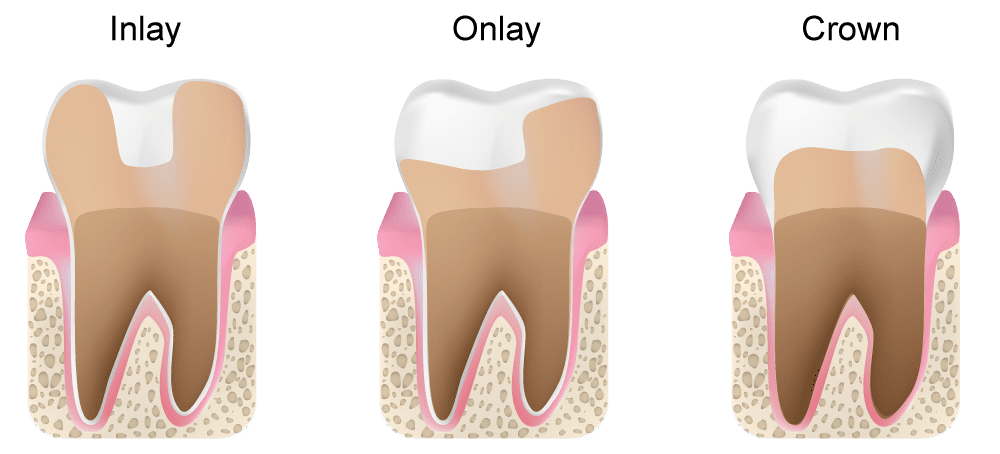
If you notice gum tissue covering or growing around a dental crown, you may wonder whether your gums are actually growing back over the restoration. Gum tissue can become swollen, inflamed or appear to cover part of a crown, but this is not the same as normal gum regrowth. Several factors can contribute to changes around a crown, including plaque buildup, gum inflammation, an improperly contoured or fitted restoration, or normal healing after dental treatment. A dentist can determine the underlying cause and recommend the appropriate treatment. Lets learn if Gums Grow Back After Dental Crowns.
Who Is This Article For?
This article is useful for people who:
- Have recently received a dental crown
- Notice gums covering part of their crown
- Have swollen or bleeding gums around a crown
- Feel discomfort when chewing after crown placement
- Notice food collecting around a crown
- Want to know whether gum tissue can grow over a dental crown
Do Gums Grow Back After Dental Crowns?
The most common reasons gums might be growing over a dental crown are listed below. There is a higher risk of gum growth with a crown than with a filling because the crown is placed further away from your teeth and gums. This puts it at risk of being more exposed to bacteria, which can cause the gum tissue to swell. Gum regrowth can occur if you have an infection, or your gums are inflamed (gingivitis).
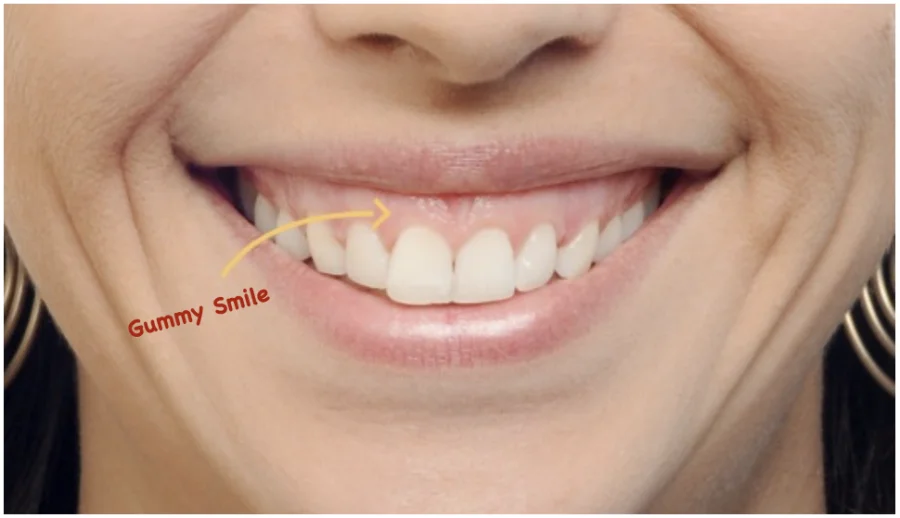
It can also happen if you have a condition like diabetes that affects the health of your gums. If you have had a recent tooth extraction and the gum tissue is still inflamed, then it might start to grow over the crown. This can be a common problem if the dentist doesn’t apply a dressing after extraction to stop the bleeding and inflammation.
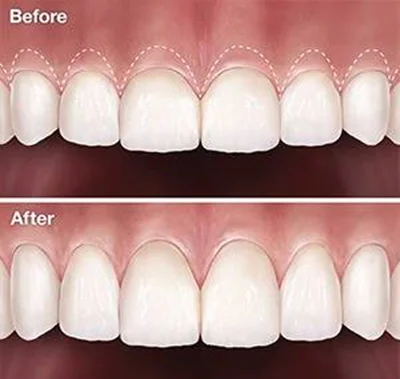
Do gums grow around a gum lift?
Gum lifting is a sensitive dental surgical process. Hence, it takes a few weeks to recover from it. Recovery also depends on the complications of the overall process and the actual gum condition before the surgery.
In general, if the surgery goes well and we take care of the gums then, those will never grow back. But, technically, the distance between the bones and gums must be 3mm at least.
In addition, to get the desired result we need to consider the following things to protect our teeth and gums so that we can easily avoid the gum re-growth issue.
- Clean the gums and teeth regularly. Use a soft toothbrush and clean nicely.
- Daily floss your teeth at least once a day to pull out food particles from the teeth and gums.
- Eat soft and healthy food. This will prevent the oral system from getting damaged.
- Strictly say no to smoking and stop drinking alcohol.
- Take adequate rest post-surgery.
- Most importantly, visit your dentist on a regular basis to avoid problems.
Do you know if Gums are growing over Dental Crown?
It’s difficult to spot if your gums are growing over a crown, as it can be subtle. As such, you may not notice it until it is too late and you notice some irritation or pain. If your crown is fitted tightly, you might notice some discomfort when chewing and eating. You might also notice that food is harder to chew if the crown is pressing against your gum. You may also see areas of bleeding if your crown is pressing against your gum, leading to it being trapped against your teeth.
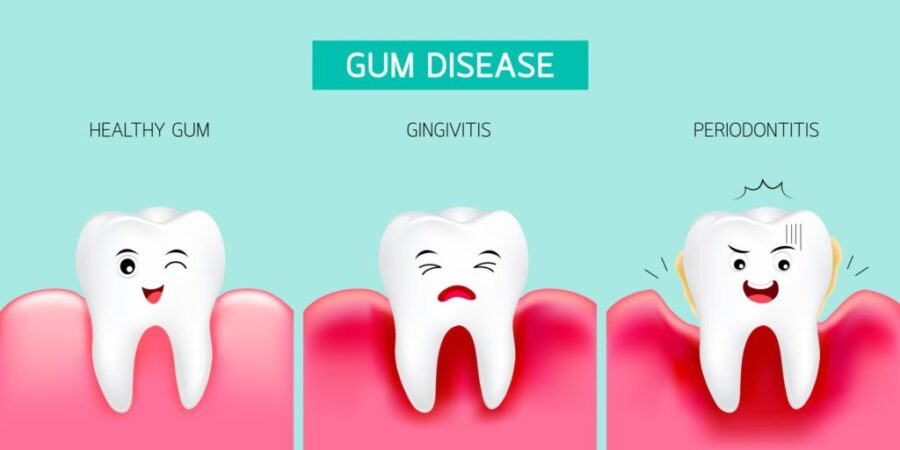
If you have a loose crown or one that is poorly fitted, it may cause your gum to grow over it. You might notice your gum is starting to push against the crown as it swells, which can lead to discomfort. Food might get trapped underneath the crown and lead to infection.
3 Strategies to Help Stop Gum Growth Over a Crown
It is possible to prevent gum growth over a dental crown by getting regular dental checkups, brushing and flossing your teeth daily, and eating a balanced diet. This can help keep your teeth and gums healthy, reducing your risk of infection and gingivitis. Cleaning beneath and around the crown with soft bristled toothbrushes and interdental brushes can also help to prevent gum growth over the crown and keep it free from food particles and plaque.
If your gum has grown over the crown and you are concerned about it. There are a few things you can do to address it. Your dentist will be able to give you more advice on what to do next based on the severity of the problem. For mild gum growth over a crown. Your dentist may remove the excess gum tissue using one of the following procedures:
Excess gum removal: This involves your dentist using a scalpel to shave off the extra gum tissue.
Extra gum removal with grafting: In this case, your dentist will also take a small sample of healthy gum tissue from another area of your mouth and graft it over the crown.
Excess gum removal with flap surgery: In this case, your dentist will remove a flap of gum tissue and then reposition it over the crown.
Conclusion
Gums growing over a dental crown can be an incredibly difficult problem to deal with. Especially if it is an extensive problem. It is important to keep in mind that not all crowns are immediately visible. So it may be difficult to identify if your gum is growing over it. If you notice any gum growth over a dental crown, it is important to visit your dentist. Your dentist will be able to identify the severity of the problem and recommend the best course of action.
Frequently Asked Questions
Do gums grow back on a dental crown?
Gum tissue can become swollen or appear to cover part of a crown, but this does not necessarily mean that the gums are naturally growing back. Inflammation, plaque, crown contour and healing can all affect the appearance.
Why is my gum growing over my crown?
Possible causes include gum inflammation, plaque accumulation, healing after dental treatment, gum disease or an improperly fitted/contoured crown.
Can a crown cause gum inflammation?
A crown does not automatically cause inflammation, but plaque accumulation, an unsuitable crown contour or other local factors can contribute to irritation around the gum line.
Can gums grow over a temporary crown?
Gum tissue can become inflamed or swollen around a temporary crown, particularly if the restoration irritates the tissue or is difficult to clean.
Will the gum covering my crown go away?
It depends on the cause. If inflammation is responsible, treating the underlying problem may improve the appearance. Other cases may require adjustment of the crown or gum treatment.
Can a dentist remove gum tissue growing over a crown?
In selected cases, a dentist or periodontist may recommend removing or reshaping excess gum tissue. The underlying cause should be identified first.
How do I keep my gums healthy around a dental crown?
Brush twice daily, clean between your teeth every day, follow your dentist’s cleaning recommendations and attend regular dental examinations.