
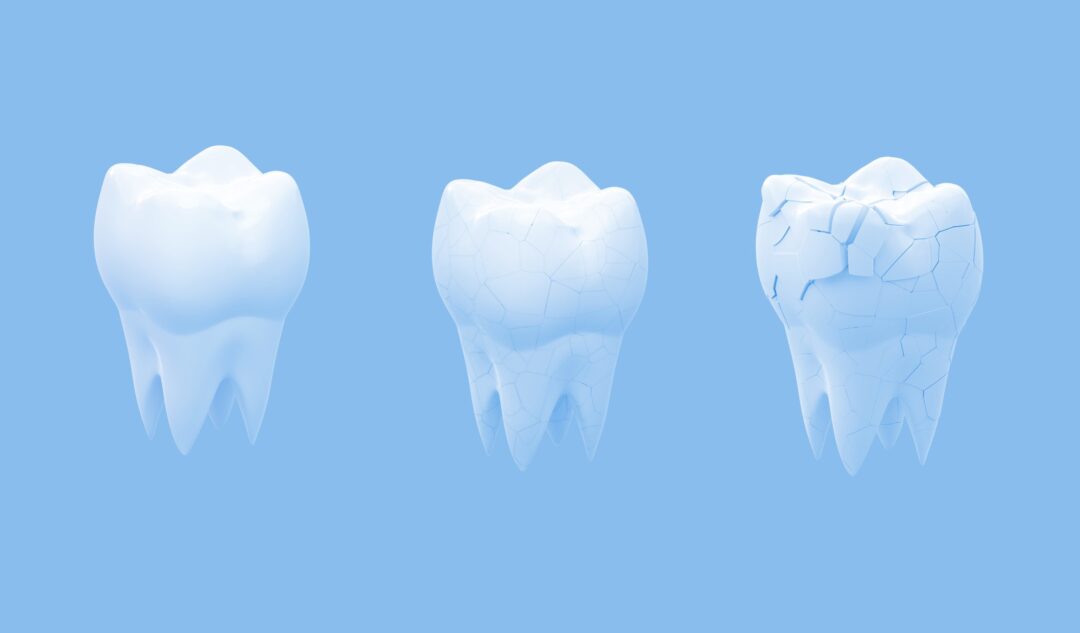
When you think of the effects of tooth decay, you probably picture painful cavities and the need for extensive dental work. But what many people don’t know is that untreated tooth decay can lead to other diseases and complications. Tooth decay, also known as dental caries or cavities, is a type of disease that affects your teeth. It is caused by bacteria that thrive in a sticky film called plaque that builds up on your teeth. These bacteria produce acids that eat away the tooth structure as the underlying dentin tissue. The result of this acid attack is tooth decay. This article details how untreated tooth decay can lead to other complications and what you can do about it.
Who is this article for?
This article is for patients who have cavities, tooth pain, swelling, bad taste, pus, broken teeth, or untreated decay and want to know what can happen if treatment is delayed. It is especially useful for patients who are taking painkillers repeatedly, avoiding dental visits, or waiting for the pain to settle on its own. Tooth decay is easier to treat when it is small; untreated decay can slowly reach the nerve and cause infection.
When tooth decay becomes serious
Tooth decay becomes serious when it spreads from enamel into dentin, reaches the pulp, causes severe pain, or forms an abscess. Warning signs include swelling, pus, fever, difficulty chewing, pain at night, bad taste, facial swelling, or difficulty opening the mouth. These signs should not be managed only with home remedies or repeated medicines.
How untreated decay affects daily life
Untreated tooth decay can affect eating, sleep, speech, mood, confidence, and nutrition. Patients may start chewing only from one side, avoiding certain foods, or delaying social interaction because of bad breath or visible cavities. Early treatment can often save the tooth and prevent a small cavity from becoming a root canal, crown, extraction, or implant case.
Dental Cavities causes loss of Tooth Structures
Not surprisingly, untreated dental caries have the potential to cause significant damage to teeth. The bacteria that cause tooth decay attack tooth enamel, dentin and other tooth structures. The extent toEven when the decay is limited to the enamel, treatment is recommended to prevent the enamel from weakening and cracking. If the decay reaches the dentin, a root canal may be needed to remove the bacteria and clear out the infected tissue.
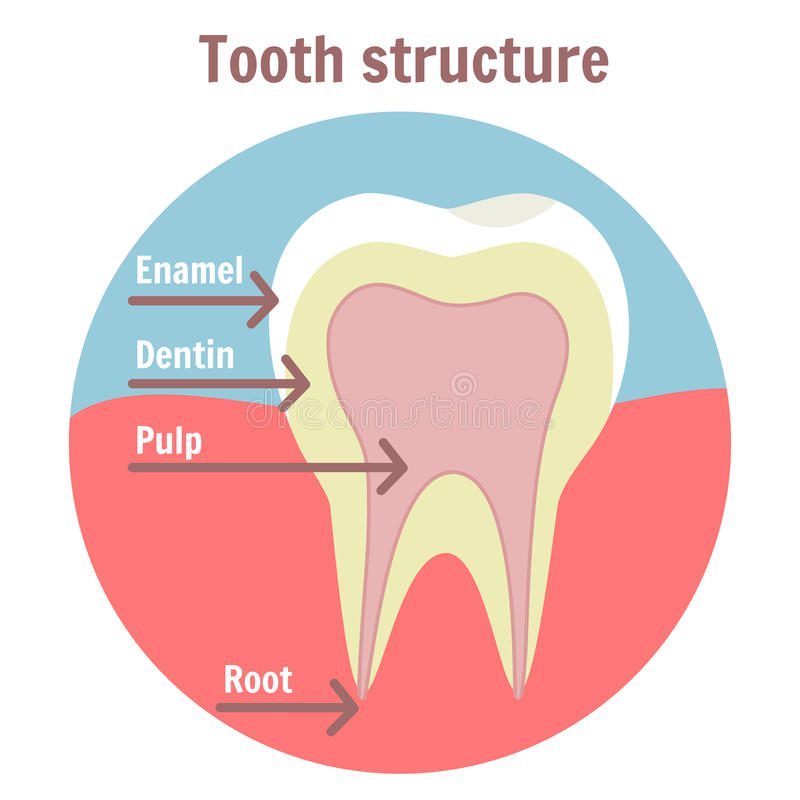
If it spreads to the pulp, the entire tooth may need to be removed. Dental caries can also cause tooth fractures, swelling and the collapse of the roof of your mouth. While the condition can be managed with proper treatment and regular dental visits, the damage caused by dental caries can be intense.
Tooth Decay may lead to Gingivitis or Periodontitis
Gingivitis occurs when bacteria in your mouth build up and start eating away at your gums. When the gums become inflamed, they may bleed when you brush your teeth or floss. Left untreated, gingivitis can progress to periodontitis, which is the progressive loss of the tissues that support your teeth. Gingivitis and periodontitis are both signs of poor oral health. If you suffer from dental caries, you are more likely to develop gingivitis and periodontitis. Untreated dental caries can result in the loss of your teeth, as well as other complications.
Tooth Decay may cause other Oral Diseases
Untreated dental caries can also lead to other oral diseases. Aphthous ulcers, also known as canker sores, are small ulcers that form inside the mouth. They are caused by a viral infection and are more common in people with poor oral health. Canker sores do not pose a serious threat to your health and can be treated with topical ointments. However, if you have untreated dental caries, you are more susceptible to oral herpes, Epstein-Barr (mononucleosis) and cytomegalovirus.
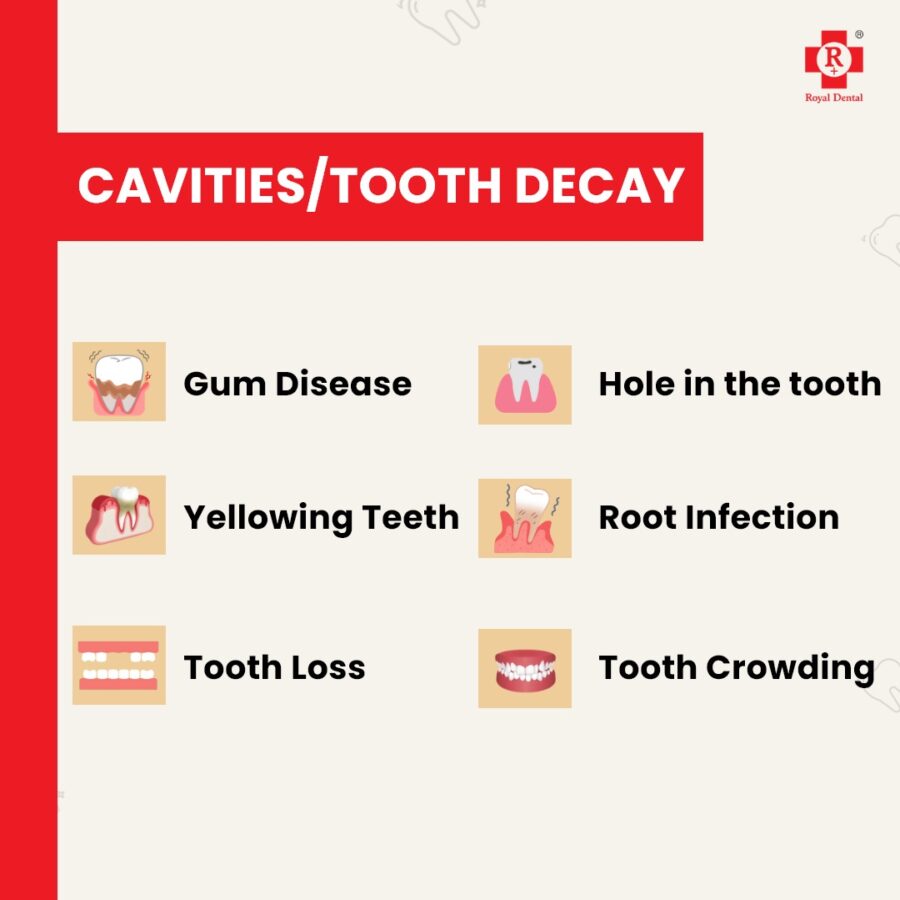
Dental cavities can also cause other oral diseases, such as dry mouth, which occurs when there isn’t enough saliva in your mouth to keep it moist. This can lead to a heightened risk of tooth decay, cavities and gum disease. Other oral diseases caused by caries include bleeding gums and lumps under the tongue.
Cavities may also cause Ear, Nose and Throat discomfort
Dental caries are a common cause of ear, nose and throat (ENT) discomfort and pain. This is due to the proximity of the teeth to the nerves, blood vessels and salivary glands in the oral cavity. When the bacteria that cause tooth decay travel through the cranial nerves and into the nose, throat and ear canal, they cause discomfort. This pain can be severe and can lead to hearing loss when the bacteria enter your middle ear.
Can tooth decay cause other problems?
Answer= Tooth decay and gum disease can lead to serious health problems, including brain or heart infections. A growing number of older adults have something to smile about: research shows they’re keeping their teeth longer.
Can a tooth infection cause other health issues?
Answer= If the bacterial infection from an infected tooth spreads to the blood, it can cause a medical condition known as sepsis. Sepsis is a blood infection that can occur when the immune system is weak, for example, hospital patients are susceptible to sepsis. In addition, young children and seniors are also prone to sepsis.
What can untreated tooth decay lead to?
Answer= Untreated cavities can cause pain and infections that may lead to problems with eating, speaking, playing, and learning. Untreated cavities can lead to abscess (a severe infection) under the gums which can spread to other parts of the body and have serious, and in rare cases fatal, results.
Conclusion
Untreated dental caries can have serious consequences. The bacteria that cause tooth decay can travel throughout your body and cause a number of complications. To avoid these issues, it’s important to visit the dentist regularly for cleanings and oral health assessments. Keep in mind that prevention is always better than cure. By visiting the dentist every six months, you can stay on top of your oral health to avoid serious complications caused by dental caries.
FAQs
Can untreated tooth decay spread infection?
Yes, if decay reaches the nerve and forms an abscess, infection can spread beyond the tooth. This is why swelling, pus, fever, or facial pain should be checked urgently.
Can a badly decayed tooth still be saved?
Many badly decayed teeth can still be saved with root canal treatment, post and core, filling, onlay, or crown. If the tooth is fractured, very loose, or unrestorable, extraction and replacement may be needed.