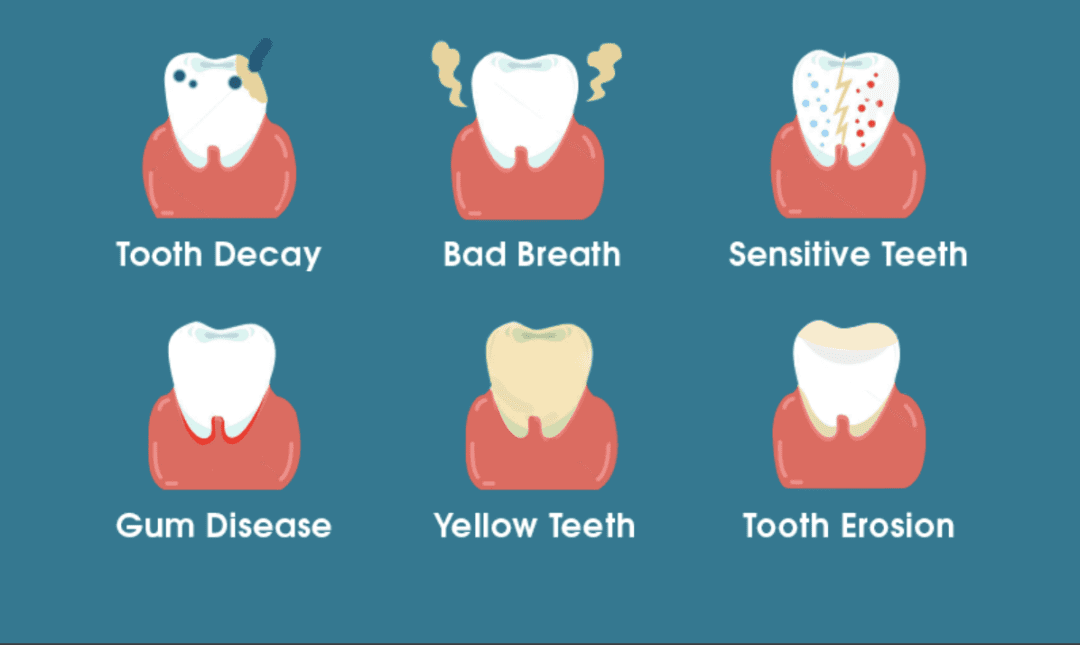
When you think of tooth loss, you probably imagine someone who never brushed their teeth, ate a lot of candy and lost their teeth as a result. We’ve all heard the old saying “Clean your tooth or they will fall out!” which is usually followed by more scary images of a toothless person. But while poor dental hygiene can lead to gum disease and plaque build up, it doesn’t actually cause tooth loss in most cases (though it may predispose you to it down the road). Dental Hygiene cause Tooth Loss and this is true. Tooth loss is thought to be indirectly related to poor dental hygiene and bad oral care for teeth.
Who is this Article For?
This article is for patients who have poor oral hygiene, plaque build-up, bleeding gums, bad breath, tooth decay, gum swelling, loose teeth, or fear of losing their natural teeth. It is helpful for people who want to understand how daily brushing, flossing, dental cleaning, and regular dental check-ups can protect teeth and gums. The article helps patients understand that poor dental hygiene can increase plaque and bacteria around the teeth, which may lead to gum disease, tooth decay, infection, and eventually tooth loss if ignored for a long time.
What’s the real cause of tooth loss?
Poor dental hygiene is not the root cause of tooth loss. In most cases, tooth loss is caused by gum disease and plaque buildup. To understand what happens in the gum and tooth tissue when poor dental hygiene occurs, we need to take a look at how the gum tissue works. The gum tissue is supposed to be sticky and hold onto the teeth.

That sticky gum tissue acts like a barrier to trap harmful bacteria and toxins, preventing them from entering the bloodstream If that sticky gum tissue ever becomes weak or loose, the harmful bacteria can enter the bloodstream and cause a condition known as gingivitis. Gingivitis is a gum disease that can lead to other serious conditions like tooth loss, heart disease, and stroke.
How can poor dental hygiene cause tooth loss?
There are several ways in which poor dental hygiene can lead to tooth loss, but they all basically boil down to gum disease and plaque build up. Let’s start with the most straightforward scenario: If you don’t brush your teeth daily and floss at least once a week, you are likely to build up plaque. Plaque is the sticky film that forms on your teeth when you eat or drink. It is full of bacteria and toxins that can cause gum disease as well as tooth decay and tooth loss.
So if you don’t brush and floss, you are likely to develop gum disease and plaque build up, which can lead to tooth loss. Normally the body’s natural defenses and good oral health care, such as daily brushing and flossing, keep bacteria under control. However, without proper oral hygiene, bacteria can reach levels that might lead to oral infections, such as tooth decay and gum disease.
So how does poor Dental Hygiene cause Tooth Loss?
To understand how poor dental hygiene causes tooth loss, you need to know the root cause of plaque build up and gum disease: Bacteria and toxins. Bacteria and toxins are present in all of us. They are in our food and water, and they are naturally present in our mouths. But they are supposed to be kept away from our teeth by our sticky gum tissue.

The problem is that bacteria and toxins, especially when they are not treated, cause the gum tissue to become weak and loose. Luckily, the gum tissue has an amazing ability to heal itself. But when bacteria and toxins are constantly present in the gum tissue, it doesn’t have a chance to heal. Visit your dentist.
What is the root cause of Gum Disease and Plaque build-up?
To understand how poor dental hygiene causes tooth loss, we need to take a look at how the gum tissue works. This layer of soft tissue holds the tooth in place. That sticky gum tissue acts like a barrier to trap harmful bacteria and toxins, preventing them from entering the bloodstream.
That sticky gum tissue is maintained by a rush of blood flow to the gum tissue. The rush of blood flow keeps the gum tissue sticky and healthy. The problem is that bacteria and toxins weaken the gum tissue and lower the rush of blood flow to the gum tissue. That’s why regular brushing and flossing are essential for good oral hygiene and preventing tooth loss.
How can good dental hygiene prevent tooth loss?
Good dental hygiene is essential for preventing dentition loss. If you practice good dental hygiene, you are likely to prevent plaque build up and gum disease. Bacteria and toxins cause plaque build up and gum disease. If you don’t brush and floss daily, you are likely to develop plaque and gum disease, which can lead to tooth loss. To prevent tooth loss, you have to keep your gums healthy and strong.
The best way to do that is to brush and floss your cavity. You can also use a mouthwash like the mouthwash by Oral B. Another important part of good dental hygiene is visiting the dentist. You should visit the dentist every 6 months for a dental cleaning. A dental cleaning can help prevent tooth loss and gum disease.
Conclusion
Poor dental hygiene may not cause tooth loss immediately, but it can create conditions that increase the risk over time. Plaque build-up, bacteria, toxins, tooth decay, gum disease, weakened gum support, and untreated infection can slowly damage the tissues that hold teeth in place. Brushing twice a day, flossing regularly, professional dental cleaning, regular check-ups, and early treatment of cavities or gum disease can help protect natural teeth and reduce the risk of tooth loss.
FAQs
1. Can poor dental hygiene lead to tooth loss?
Yes, poor dental hygiene can increase the risk of tooth loss over time. When plaque and bacteria are not removed properly, they may lead to gum disease, tooth decay, infection, weak tooth support, and loose teeth.
2. How does plaque cause dental problems?
Plaque is a sticky layer of bacteria that forms on teeth. If it is not removed by brushing, flossing, and professional cleaning, it can contribute to cavities, gum inflammation, bad breath, tartar formation, and gum disease.
3. Can gum disease make teeth loose?
Yes, gum disease can affect the gums and supporting bone around the teeth. As the support becomes weaker, teeth may start to feel loose and may eventually be lost if the condition is not treated.
4. Is tooth loss only caused by ageing?
No, tooth loss is not only caused by ageing. Poor oral hygiene, gum disease, tooth decay, dental infection, trauma, smoking, diabetes, and delayed dental treatment can also increase the risk of losing teeth.
5. How can I prevent tooth loss?
You can reduce the risk of tooth loss by brushing twice daily, flossing regularly, cleaning the tongue, reducing sugary foods, avoiding tobacco, drinking enough water, visiting the dentist regularly, and treating cavities or gum disease early.
6. How often should I get dental cleaning?
Many patients are advised to get professional dental cleaning regularly, but the exact timing depends on gum health, plaque build-up, tartar level, oral hygiene, cavity risk, and the dentist’s advice after examination.
7. When should I visit a dentist?
You should visit a dentist if you notice bleeding gums, bad breath, tooth pain, swelling, pus, loose teeth, gum recession, food lodgement, or sensitivity. Early dental care can help prevent small problems from becoming serious.