Dental implants are synthetic tooth replacements that are placed directly into the patient’s jawbone. The surgery to place them is quite involved, but after the implant has healed in and you get used to having a new tooth, they can be very beneficial. Not only do they look natural and not stand out as an obvious replacement, but they also last longer than other alternatives. People who have had dental implants tend to speak very highly of them. However, it’s not right for everyone. Implant-supported crowns are stronger than veneers when it comes to eating certain foods. Dental implants vs veneers while eating? Understand their strength, purpose, chewing ability, durability and which treatment may suit you.
What are Dental Implants?
Dental implants are synthetic tooth replacements that are placed directly into the patient’s jawbone. The surgery is quick, but after the implant has healed and you get used to having a new tooth, it can be very beneficial. Not only do they look natural and not stand out as an obvious replacement, but they also last longer than other alternatives. People who have had dental implants tend to speak very highly of them.
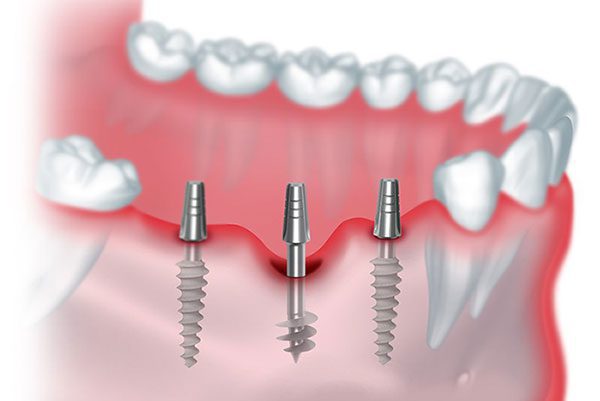
However, it’s not right for everyone. Implants are anchored to the jaw bone and supported by a titanium post. They are then connected to natural teeth by braces. The main benefit of implants is that there is no need for dentures or bridgework. Implants are pretty indestructible and are good for people who are looking for long-lasting tooth replacements.
Implants have several Advantages
- Are more natural and comfortable with higher success rate
- Improve chewing function as its more stable
- Lead to a lower risk of cavities developing in nearby teeth
- Lead to better maintenance of bone at the site of the lost tooth
- Cause decreased sensitivity in nearby teeth
Why get Dental Implants?
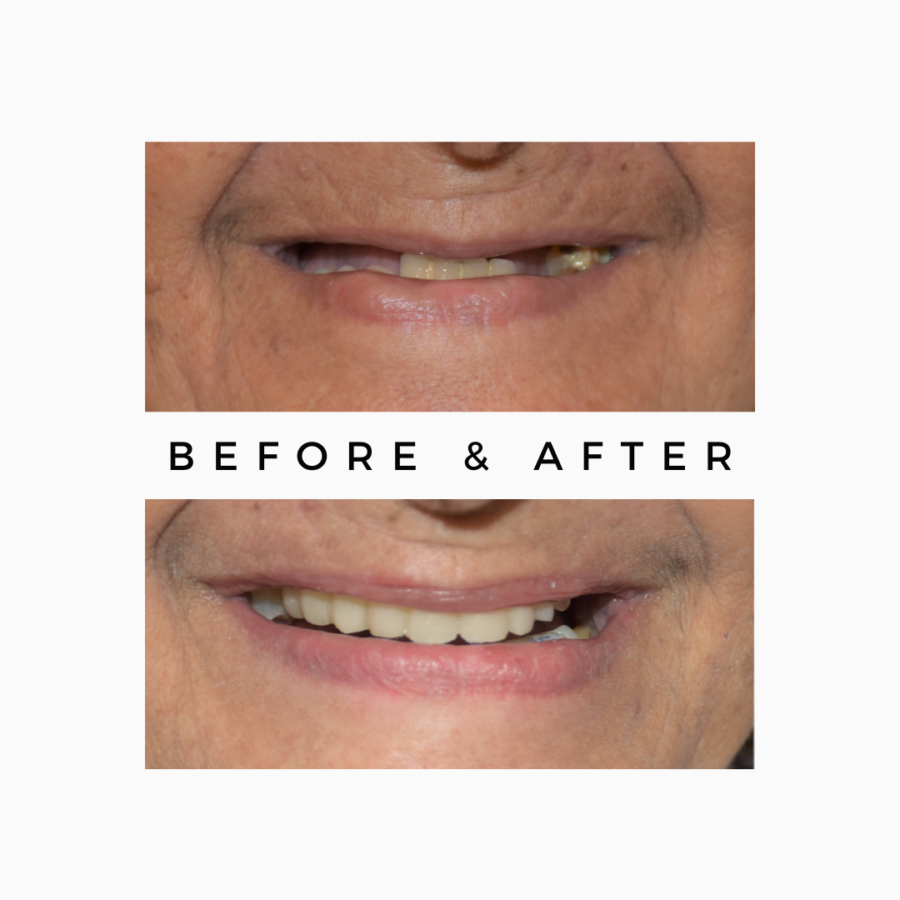
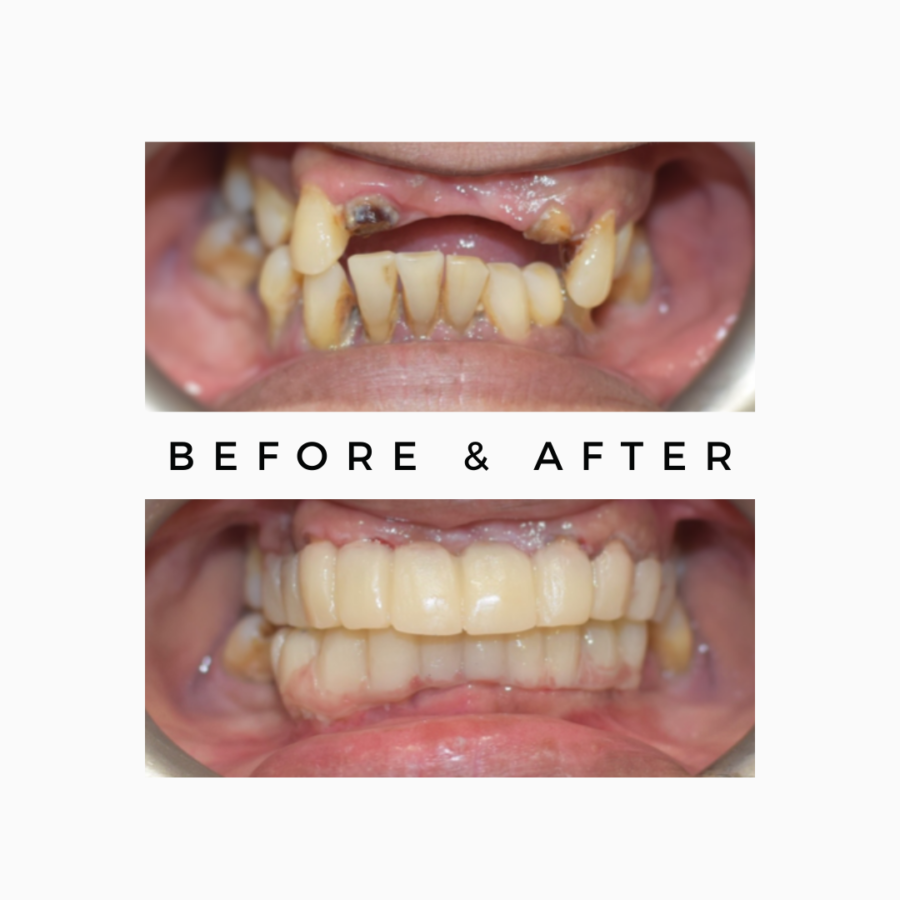
If you have a missing tooth, you’ll want to keep your other teeth healthy. Missing teeth can cause a shift in the position of your other teeth, and result in other teeth becoming loose over time. Missing teeth can also cause a change in your bite, which can lead to jaw pain and headaches. If you have missing teeth, dental implants can help to avoid these problems. If you have implants, you’ll be able to eat whatever you want without worrying about your teeth breaking or getting loose. Implants are designed to last a lifetime and can help you keep all of your teeth for as long as possible.
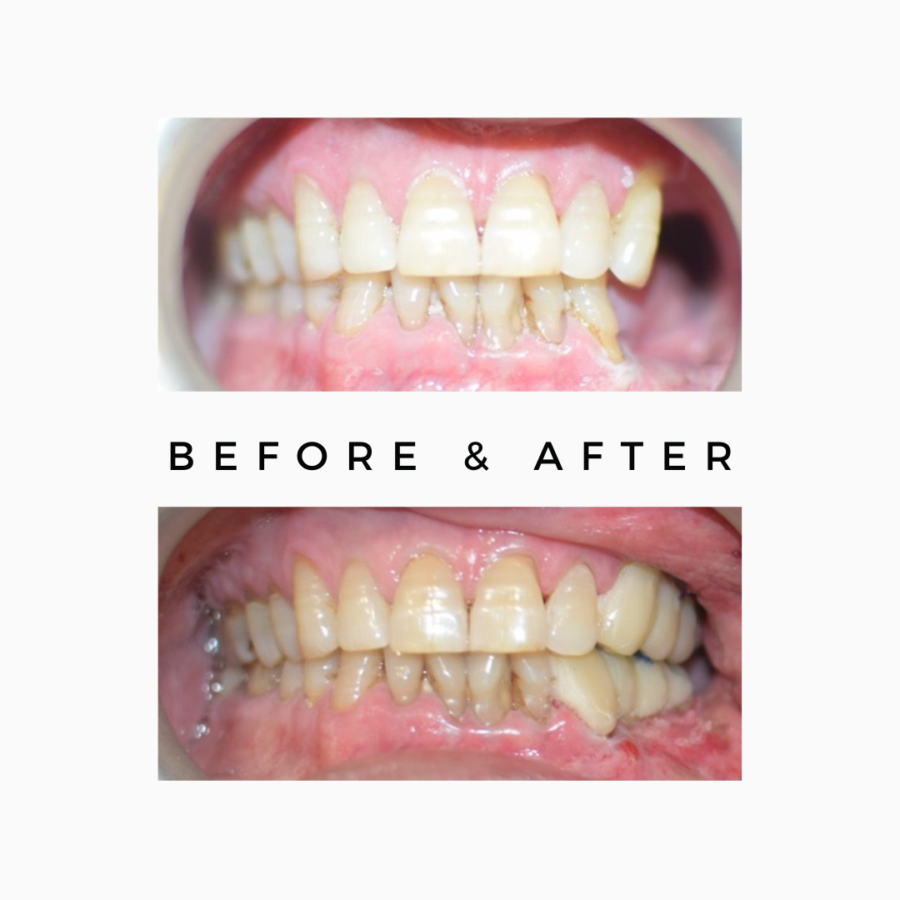
Five Reasons why Dental Implants are so popular
1. Natural look and comfortable fit
Dental implants are designed to look, feel, and function like your natural teeth. In addition, implants give patients the confidence to smile, eat, and engage in social activities without worrying about how they look or if their dentures will fall out.
2. Long-lasting and reliable.
With proper care and maintenance, implants last as long as conventional restorations on teeth, with predictable outcomes.
3. High success rate.
Well-planned and cared-for dental implants generally offer ‘survival rates’ comparable or better than other teeth replacement options. And, as implant technology and techniques improve, so should their success rate. People in good health have the best chance of successful implants.
4. Improved ability to eat and chew.
Dental implants are anchored in your jawbone just like natural teeth. Over time they will help preserve the jaw bone and significantly reduce bone resorption. Replacing missing teeth with implants allow you to chew your food better and speak more clearly.
5. Improved facial and bone features.
Dental implants preserve natural tooth tissue by avoiding the need to cut down adjacent teeth for conventional bridgework. They also will preserve bone and significantly reduce bone resorption and deterioration that results in loss of jawbone height. Implants also help restore your jawbone structure because they reduce the load on the remaining oral structures/teeth and preserve natural tooth tissue and reduce bone resorption and deterioration that results in loss of jawbone height.
What are Dental Veneers?
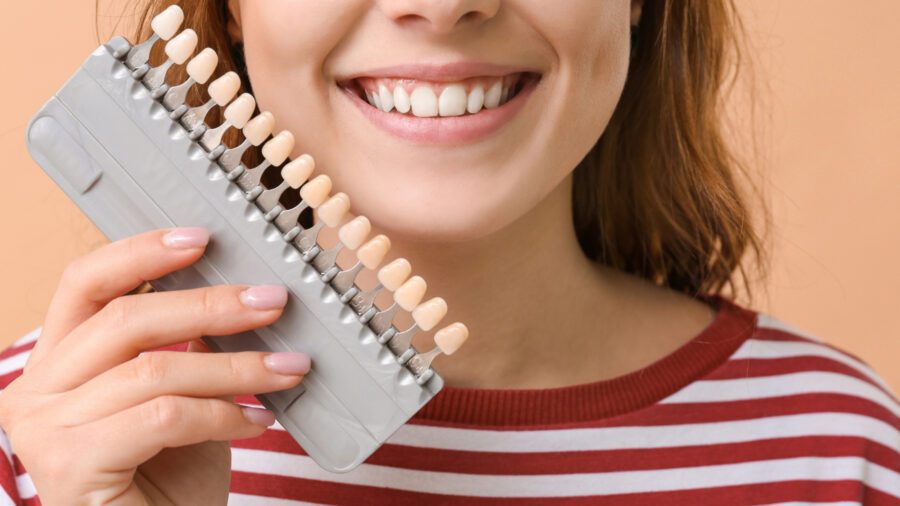
Veneers are synthetic tooth replacements that are placed over the front of the teeth. They are very thin pieces of porcelain that are designed to look like natural teeth. A dentist or oral surgeon can place veneers on the teeth in one quick visit. Veneers are just like false teeth and are glued to your natural teeth. To get veneers, your dentist will take an impression of your teeth and then send the impression to a lab. Your dentist will use the impressions to create a mold of your teeth.
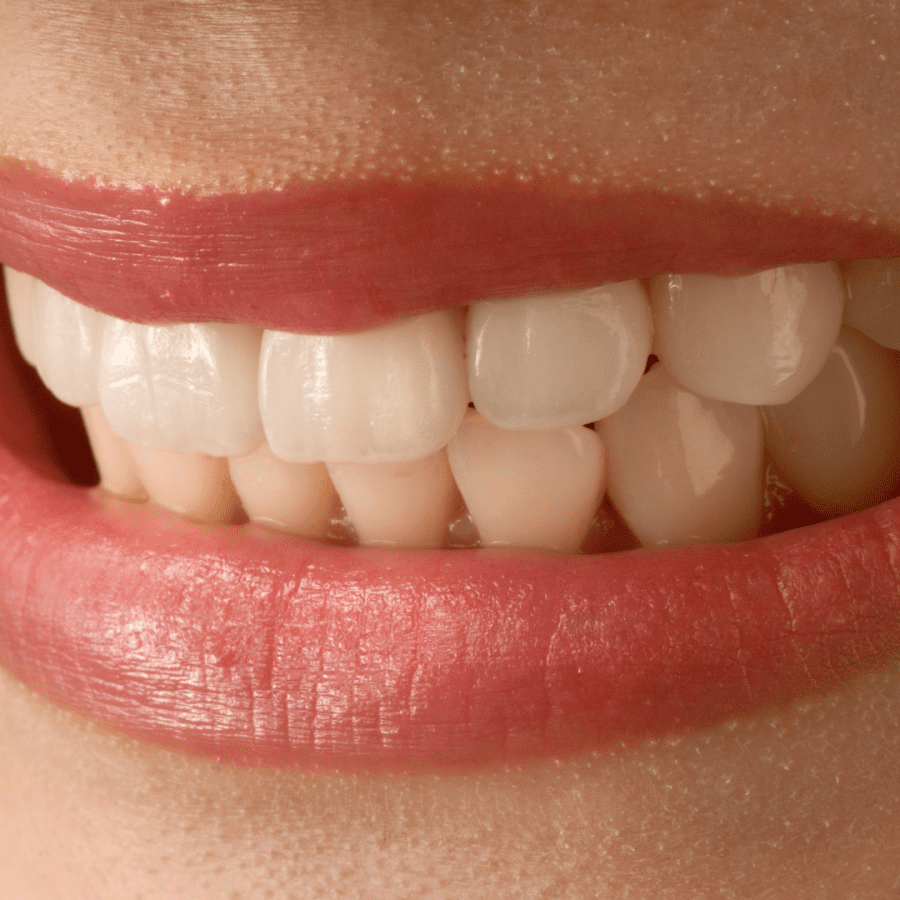
A dentist or dental technician will then use the mold to create a thin layer of porcelain that they will apply to your teeth. Veneers can be used to fix dental problems like crooked teeth, stained teeth, chipped teeth, small gaps between teeth, uneven teeth, and teeth that are too short.
Should you get a Dental Implant or a Veneer?
Both dental implants and veneers are strong and durable solutions to replace missing teeth. However, implant-supported crowns are stronger than veneers when it comes to eating certain foods. If you’re wary about keeping your teeth for as long as possible or just want something that won’t break or fall out from eating a set of wings, then read on to discover more about both of these options when it comes to dental care.If you have false teeth, you may notice that some foods don’t taste as good as they do with your natural teeth. You may also have trouble chewing certain foods. While veneers can make your teeth look beautiful, they can also make them feel less real.
Dental Implants vs Veneers: What Is the Main Difference?
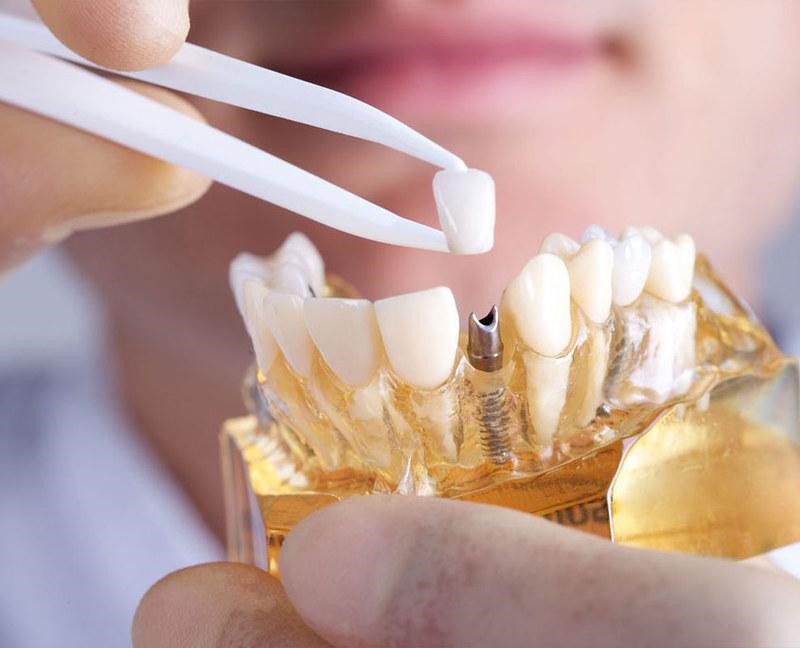
Dental implants and veneers are designed for different dental problems. A dental implant replaces a missing tooth root and supports an artificial crown. A veneer is a thin layer of ceramic or composite material bonded to the front surface of an existing natural tooth to improve its shape, colour or appearance.
Therefore, veneers cannot replace missing teeth, while implants are generally not recommended merely to enhance the appearance of a healthy natural tooth. The appropriate treatment depends on whether the tooth is missing, severely damaged or suitable for conservative cosmetic treatment.
Are Implant-Supported Teeth Stronger Than Veneers?
An implant-supported crown can usually tolerate greater chewing forces than a veneer because the implant is anchored within the jawbone. However, its strength depends on implant position, bone support, crown material, bite distribution and proper treatment planning. Veneers are also durable when correctly bonded to healthy enamel, but they cover only the front surface of a tooth. Biting directly into very hard foods, chewing ice or using veneered teeth to open packages can cause a veneer to chip or detach.
Neither treatment should be considered indestructible. Patients who grind their teeth may require bite correction or a protective night guard to reduce excessive forces on implants, crowns and veneers.
Which Treatment Is Better for Eating?
An implant-supported tooth is generally more suitable for restoring chewing function when a tooth is missing or cannot be saved. Once the implant is stable and the dentist permits normal eating, it can provide a secure and comfortable bite. Veneers are primarily cosmetic restorations. They can improve the appearance of chipped, stained, uneven or mildly misshapen teeth, but they are not intended to replace posterior chewing teeth or restore a missing tooth.
A clinical examination, bite assessment and dental X-rays or CBCT scan may be required before deciding which treatment is appropriate.
Final Thoughts
While both dental implants and veneers can create a beautiful smile, they come with different benefits and drawbacks. Dental implants are synthetic tooth replacements that are placed directly into the patient’s jawbone. The surgery to place them is quite involved, but after the implant has healed in and you get used to having a new tooth, they can be very beneficial.
Not only do they look natural and not stand out as an obvious replacement, but they also last longer than other alternatives. People who have had dental implants tend to speak very highly of them. However, it’s not right for everyone. Implant-supported crowns are stronger than veneers when it comes to eating certain foods. If you’re wary about keeping your teeth for as long as possible or just want something that won’t break or fall out from eating a set of wings, then read on to discover more about both of these options when it comes to dental care.
Frequently Asked Questions
Can you eat normally with dental implants?
Most patients can return to comfortable chewing after the implant and surrounding tissues have stabilised. During the initial healing period, the dentist may recommend a soft diet and advise avoiding excessive pressure on the treated area. The timing differs for conventional and immediately loaded implants.
Can you eat normally with veneers?
Yes, patients can usually eat normally with well-bonded veneers. However, repeatedly biting very hard foods with the front teeth can increase the risk of chipping or debonding. Foods such as nuts or raw vegetables should preferably be cut into smaller pieces.
Are dental implants and veneers alternatives to each other?
Usually, no. Dental implants replace missing or non-restorable teeth, whereas veneers improve the appearance of existing teeth. If a natural tooth can be preserved, conservative treatment is generally considered before extraction and implant placement.
Do implants provide a stronger bite than veneers?
Implant-supported crowns generally withstand stronger functional loads than veneers. However, implant strength does not mean that patients should bite extremely hard objects. Excessive forces can still damage the crown, implant components or surrounding bone.
Can veneers be placed over dental implants?
A veneer is not normally placed over an implant. A dental implant is restored using an implant-supported crown, bridge or prosthesis. The crown can be designed to match neighbouring natural teeth or veneers.
Which lasts longer: a dental implant or a veneer?
Dental implants can function for many years when properly planned and maintained, but the crown placed over the implant may eventually require repair or replacement. Veneer longevity depends on the material, enamel bonding, oral hygiene, bite forces and habits such as teeth grinding.
How do I choose between an implant and a veneer?
The decision depends on whether the natural tooth is present and can be preserved. A veneer may be considered for cosmetic correction of an existing tooth, while an implant may be considered when a tooth is missing or cannot predictably be saved. A dentist should examine the tooth, gums, bone and bite before recommending treatment.