
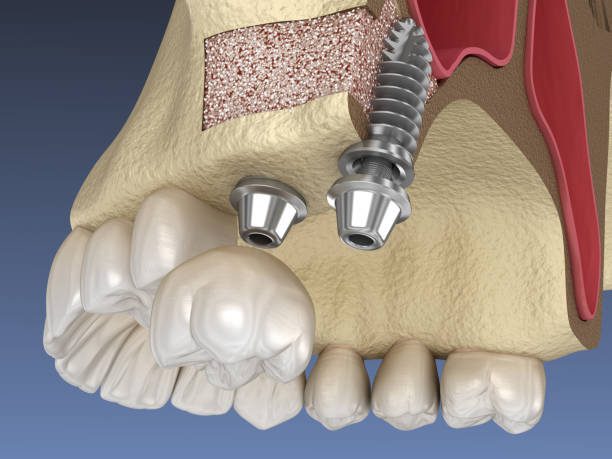
Dental implants are increasingly being used to replace missing teeth and support dental bridge. In fact, the use of dental implants has increased more than ninefold in the last decade, with this trend is only going to continue among a growing population of aging adults. An implant is a small titanium post that is inserted into the jawbone beneath the gums. The bone will eventually grow around it, giving you a strong foundation for your bridge or dentures. Incase of less bone, bone grafts for grafting can be used.
Who Is This Blog For?
This blog on graftless dental implant treatment is for patients missing one or more teeth who have been told they may need a bone graft and want to understand their alternatives. It is especially useful for those hesitant about the extra surgery, cost, and healing time that grafting involves. It is also relevant for older patients or those with bone loss who want a faster, less invasive path to a stable implant. And for anyone comparing implants versus grafting before committing to treatment, this blog breaks down the differences to help guide that decision.
What is a Dental Implant?
A dental implant is a small titanium post that is placed into the jaw bone. Over time the bone will grow around the implant, giving you a strong foundation for your bridge or dentures. Implants help by taking pressure off adjacent teeth and making it easier to chew food again. They are a popular solution when a tooth has been lost. They replace root of the tooth can be used to hold crown or bridge just like a natural tooth would. This is a long-term solution to your tooth loss; once an implant is placed it is there for life. Incase of less bone, bone grafts for grafting can be used.
How do Dental Implants work?
They are surgically placed in lower jaw (or upper jaw in case of edentulous patients ) to serve tooth root. Once the root is in place, a healing process called osseointegration occurs, during which the surrounding bone fuses with the implant. With the implant securely in place, a dental crown is placed on top of the implant to serve as a tooth root and anchor a dental bridge or denture. This is essentially a false tooth that is held in place by the implant, which gives you a strong, secure foundation for your restorations.
What Are Graftless Dental Implants?
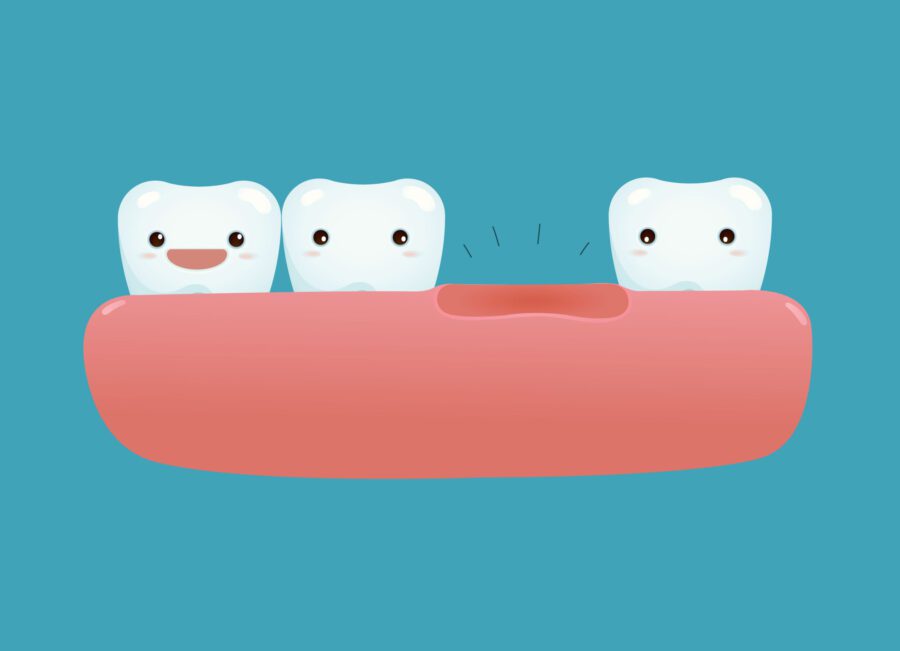
Graftless dental implant treatment aims to place implants without first rebuilding the jaw with a separate bone-grafting procedure. It does not mean that no bone is required. The implants must still obtain stable anchorage in suitable areas of the jaw or facial skeleton.
Depending on the location and extent of bone loss, treatment may involve short implants, tilted implants, pterygoid implants or zygomatic implants. These approaches use the available bone differently and are not interchangeable. Short implants may be considered in selected areas with reduced bone height, while zygomatic implants are mainly used for severe upper-jaw bone loss.
Who May Be Suitable for a Graftless Approach?
A graftless option may be considered for patients who have been advised to undergo a sinus lift or bone graft, patients with longstanding missing teeth, or selected patients seeking full-arch rehabilitation. Suitability depends on CBCT findings, bone distribution, sinus health, bite forces, medical history and the type of final teeth planned.
When Is Bone Grafting Still Recommended?
Avoiding grafting is not always the best objective. Bone augmentation may still be advised when it is needed for correct implant positioning, gum support, appearance or long-term prosthetic design. Graftless techniques may reduce additional surgery in selected cases, but they also have specific biological and mechanical limitations.
Can Graftless Implants Support Same-Day Teeth?
Some graftless implant plans may support a provisional fixed bridge on the day of surgery when sufficient primary stability and favourable bite conditions are achieved. Same-day loading is not suitable for every patient, and the initial teeth may be temporary while healing and implant integration continue.
Bone Grafts and Implants: What’s the difference?
Grafting is the process of taking healthy tissue from one location in the mouth and placing it in another to promote healing and allow tissues to regenerate. This is often done with partial or full-mouth extractions. By contrast, implants are permanently fixed in the jawbone. Due to nature of their placement, implants need to surgically set and will remain place for rest of your life.
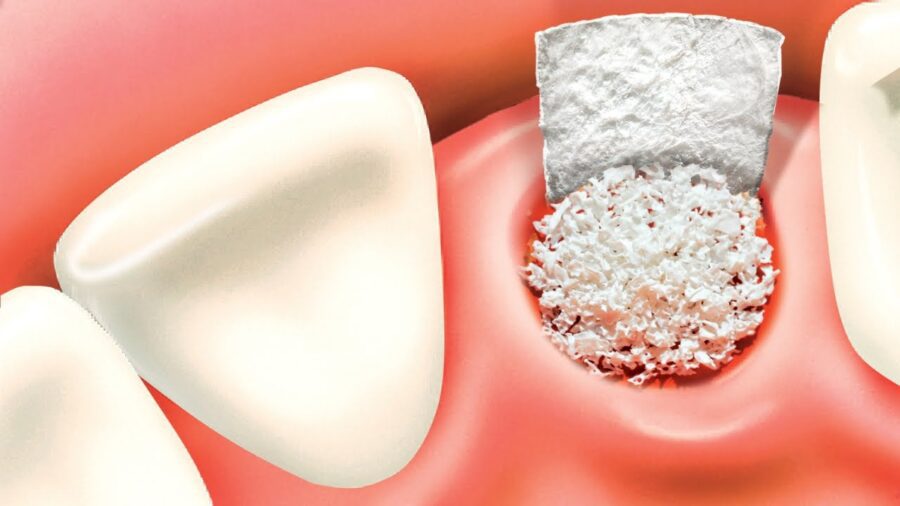
Bone grafts and implants are both used to replace missing teeth. While both options are long-term solutions, the difference between the two is that with grafting, teeth are removed and replaced with other fixtures, while implants replace missing roots with their own fixtures. While implants are often a more expensive option, they provide long-term stability and come with fewer complications. If complications do occur, they can be treated more quickly and easily than a grafted site.
Conclusion
Dental implants are a long-term solution to tooth loss and a great investment in your oral health. While they are an expensive option, they are also a very efficient way to support your dentures and keep your gums healthy. With these benefits and the high success rate of dental implants. They’re a good option for those who want a more permanent solution. Keep in mind that dental implants are a long-term solution to tooth loss and a great investment in your oral health. While they are an expensive option. They are also a very efficient way to support your dentures and keep your gums healthy.