There is a misconception among parents that dental treatment of milk teeth is not necessary. Milk teeth play a major role in child’s development and overall health. Maintaining oral hygiene of children is of utmost importance. Taking tips from kids dentist is important. Milk teeth care in children are important for chewing, speech, smile, and guiding permanent teeth. Learn how parents can care for children’s teeth and prevent cavities.
Who is this article for?
This article is for parents who want to understand how to care for their child’s milk teeth from the first tooth onward. It is especially useful for parents of babies, toddlers, and young children who are worried about cavities, bottle feeding, brushing, thumb sucking, bad breath, tooth pain, or early loss of milk teeth. Milk teeth may be temporary, but they are very important for a child’s eating, speech, smile, jaw development, and future permanent teeth.
Why are milk teeth care in children important?
Milk teeth help children chew food properly, speak clearly, smile confidently, and maintain space for permanent teeth. If milk teeth decay early or are removed too soon, the child may face pain, infection, difficulty eating, speech issues, and future alignment problems. Parents should not ignore cavities only because the tooth will fall later.
When do milk teeth come in?
The first milk teeth usually start appearing around 6 to 12 months of age. Most children have 20 milk teeth by around 3 years of age. The timing can vary slightly from child to child. If teeth are very delayed, painful, or erupting in an unusual way, a pediatric dental check-up is advised.
When should brushing start?
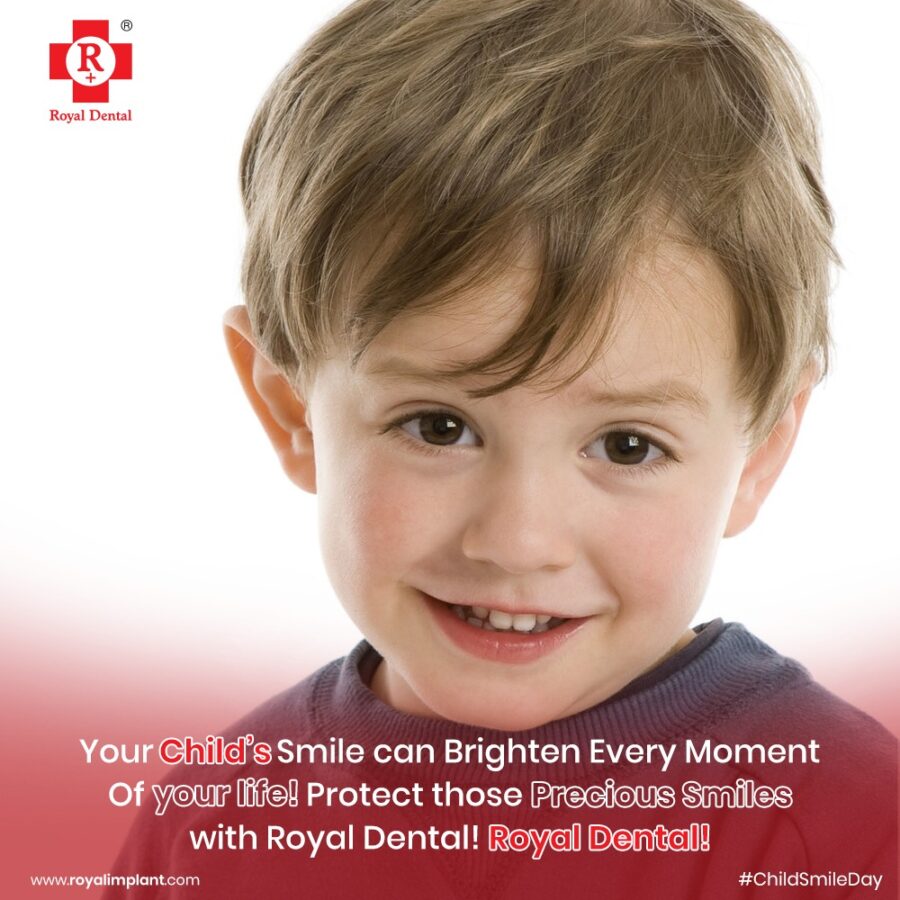
Oral care should begin even before the first tooth appears by gently wiping the baby’s gums with a clean soft cloth. Once the first tooth erupts, parents should start brushing with a soft baby toothbrush. Young children cannot brush effectively on their own, so parents should assist and supervise brushing.
How much toothpaste should children use?
For children below 3 years, use only a tiny smear of fluoride toothpaste, about the size of a grain of rice. For children between 3 and 6 years, use a pea-sized amount. Children should be taught to spit and not swallow toothpaste. Parents should supervise brushing to avoid using too much toothpaste.
How often should children brush?
Children should brush twice daily, especially after breakfast and before sleeping. Night brushing is very important because food and milk residue left on teeth overnight can increase the risk of cavities. Parents should make brushing a routine, not a punishment.
Why do milk teeth get cavities?
Milk teeth can get cavities due to frequent sugary snacks, sticky foods, bottle feeding at night, sleeping with milk in the mouth, poor brushing, juice sipping, and bacteria in plaque. Cavities in children can progress quickly because milk teeth are smaller and have thinner enamel than adult teeth.
What is baby bottle tooth decay?
Baby bottle tooth decay can happen when milk, formula, juice, or sweet liquids stay around the teeth for long periods, especially during sleep. Parents should avoid putting the child to bed with a bottle containing milk or sweet drinks. Plain water is safer after night brushing unless the pediatrician advises otherwise.
Do cavities in milk teeth need treatment?
Yes. Cavities in milk teeth should be treated because they can cause pain, swelling, infection, difficulty eating, disturbed sleep, and damage to the developing permanent teeth. Depending on the depth of decay, treatment may include fluoride, filling, pulp treatment, crown, or extraction only when the tooth cannot be saved.

Food habits for healthy milk teeth
Parents should limit frequent sugary snacks, sticky candies, packaged juices, sweet biscuits, and sweetened milk drinks. Healthier options include water, plain milk, fruits in moderation, vegetables, nuts where age-appropriate, cheese, curd, and balanced home food. The frequency of sugar exposure matters as much as the quantity.
When should a child first visit the dentist?
A child should ideally visit the dentist when the first tooth appears or by the first birthday. Early visits help parents learn brushing, fluoride use, feeding habits, cavity prevention, thumb-sucking guidance, and what to do in case of tooth injury.
There are 20 primary teeth in a child’s dentition!
The first milk teeth to erupt are mandibular and maxillary incisors. They erupt around 6-7 months of age. All the 20 teeth erupt by 3 years of child’s age. Brushing starts in children as soon as their milk tooth erupt (6months) either with the clean soft cloth or soft tooth brush. Generally, Circular/Scrub tooth brushing recommended in a child. The brush moved in big circles on outer surfaces of the teeth and partly on the gums. Initially big circles made and then reduced to smaller circles. Brush the inner surfaces by tilting the brush vertically and making several up and down strokes. The chewing surfaces cleaned by making back and forth strokes.
Decay develops in child’s milk teeth when child is feed with sweetened liquids or sugars like milk, fruit juice for a long period of time. Bacteria in the mouth utilize the sugars and make acids that attack teeth. Feeding child at nap time harmful because the flow of saliva reduced. The nursing bottle caries usually affects upper front teeth but can also affect other teeth as well leading to rampant caries.
What if a milk tooth falls early?
If a milk tooth is lost too early due to decay or injury, nearby teeth may move into the empty space. This can reduce space for the permanent tooth and may cause crowding or eruption problems later. The dentist may advise a space maintainer in selected cases.
Reasons to take milk teeth care in children?
- Milk teeth serve as path guiders and act as place holders for succedaneous teeth. Premature loss of untreated milk teeth can lead to mesial drift of permanent teeth eruption. This means the permanent teeth which are to erupt will not know where to come.
- Permanent teeth form in between the roots of milk teeth. If milk teeth develop decay and if they left untreated, the decay can spread very quickly and cause damage in tooth development of permanent teeth.
- Milk teeth help the child in chewing food and thus providing proper nutrition contributing to the overall growth and development of the child. If the milk teeth not taken care of cavities may develop which compromises the chewing function. This leads to nutritional deficiencies.
- Milk teeth aids in speech development. It provides support to the facial musculature and gives shape to the child’s face.
- Presence of healthy milk teeth boosts personality and confidence in the child.
Rampant caries if not treated at an early stage will lead to pain, infection, tongue thrusting, abnormal swallowing habits, speech difficulties. Take Care of Milk Teeth in Children and speak to kids dentist!
Dental fear in children
A negative past experience may instill fear in one’s mind specifically when a patient’s painful experience has occurred in childhood. Children feels more anxious than adults for the very specific reasons of their fear of needles and overall going to a doctor. When they have to experience dental treatment, pain related to tooth decay it adds to their anxiety. Say hello to conscious sedation or sleep dentistry which helps ease this anxiety through use of medical drugs. Always supervise kids younger than 8 years while they are brushing, as they might swallow toothpaste. Keeping sugary foods in restraint, encouraging to do regular brushing and flossing, and dealing together with your dentist will lead good dental health.
Your Kid’s Dental Prosthesis without Harm
The most advanced material for the crowns is called SAPTeeth™. They exert less stress on the bone, due to their shock-absorbing properties. The best part of SAPTeethTM™ is that they are customized to perfectly re-create your smile. And that too in a matter of few hours. They are low maintenance and do all things which traditional metal, ceramic, zirconia couldn’t.
- Fluoride application depending on oral hygiene
- Fillings and root canal if required
- Don’t Engage Babies Sleep with Bottles
- Clean Your Baby’s Gums and Teeth Regularly
- Get them to see a Dentist On Time
- Feed Them Healthy Foods and Drinks!
In case of trauma and if the tooth cannot be saved and needs to be extracted the space has to be maintained by space maintainer appliance. Also in cases of over retained deciduous teeth careful evaluation is a must in order to avoid further complications like impaction of permanent teeth, development of cyst, crowding, malocclusion.
So, its very important to get the milk teeth treated right time to avoid further sequel of dental problems. Regular visits to the kids dentist play an important role in maintaining oral health of a child.
FAQs
Are milk teeth really important?
Yes. Milk teeth help in chewing, speech, smile, jaw development, and maintaining space for permanent teeth.
When should I start brushing my child’s teeth?
Start cleaning the gums from birth. Begin brushing with a soft toothbrush as soon as the first tooth appears.
Do milk tooth cavities need treatment?
Yes. Untreated cavities can cause pain, infection, eating difficulty, and may affect the developing permanent teeth.
How much toothpaste should a child use?
Use a rice-grain-sized smear for children below 3 years and a pea-sized amount for children aged 3 to 6 years.
When should my child first visit a dentist?
The first dental visit is ideally when the first tooth appears or by the child’s first birthday.
Can milk teeth infection affect permanent teeth?
Yes. Infection in milk teeth can sometimes affect the developing permanent tooth or cause pain, swelling, and early tooth loss.
Should a child sleep with a milk bottle?
It is better to avoid putting a child to sleep with milk or sweet drinks in the bottle because it increases the risk of cavities.
What should I do if my child has tooth pain?
Book a dental visit. Tooth pain in children may be due to cavity, infection, trauma, food lodgement, or gum swelling.
What happens if a milk tooth is removed early?
Early loss can sometimes cause space loss and crowding. The dentist may advise a space maintainer in selected cases.
Medical Disclaimer
This article is for patient education only. Dental treatment should be planned after clinical examination, medical history review, and X-rays or scans where required. Treatment suitability, cost, timeline, healing, and results vary from patient to patient.