

Many parents believe that treating milk teeth is unnecessary because they eventually fall out. However, healthy primary teeth play a vital role in chewing, speech development, nutrition, facial growth, and guiding permanent teeth into their correct positions. Early prevention and timely treatment of dental issues in children help support lifelong oral health and reduce the risk of future complications.
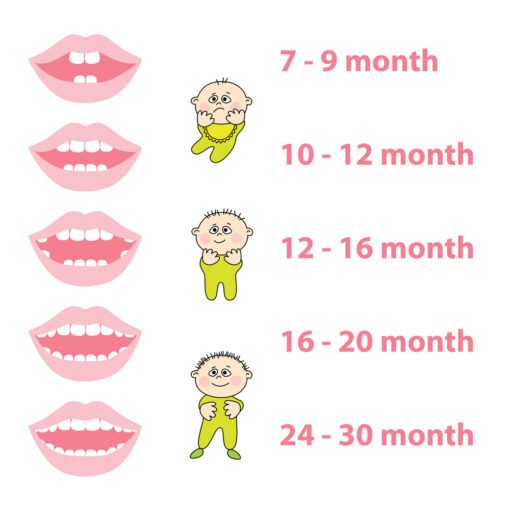
Who Is This Article For?
- Parents of infants and young children.
- Caregivers concerned about tooth decay in children.
- Parents whose children suck their thumb or use feeding bottles at bedtime.
- Families wanting to prevent dental problems in children.
- Anyone interested in maintaining healthy milk teeth.
Common Dental Issues in childhood:
Nursing bottle caries: Decay develops in child’s milk teeth when child is fed with sweetened liquids or sugars like milk, fruit juice for a long period of time. Bacteria in the mouth utilize the sugars and make acids that attack the teeth. Feeding child at nap time is harmful because the flow of saliva is reduced. Nursing bottle caries usually affect upper front teeth but can also affect other teeth as well leading to rampant caries.
When their teeth come in, it is important to brush them gently with a toothbrush and a grain of rice-sized amount of fluoride toothpaste. Use only formula, breast milk, or milk in your baby’s bottle, and avoid liquids like sugary juices or soft drinks.
Rampant caries: If not treated at an early age will lead to pain, infection, tongue thrusting, abnormal swallowing habits, speech difficulties.
The good news is that tooth decay can be prevented. Proper brushing techniques and regular visits to a dentist will significantly reduce the chance of a child developing tooth decay.

Bad Breath: Also known as foul smell; bad breath may affect anyone, regardless of their age. Dental issues like ad breath are due to the foods we eat. However, chronic bad breath in children could indicate a deeper root issue than eating stinky foods.
Proper dental hygiene is the best way to treat and prevent bad breath. An antibacterial mouthwash may help reduce any smells, and brushing the tongue could help fight bacteria in the mouth.
Teeth Sensitivity: Another common childhood dental problem is sensitive teeth. Hot or cold foods and fluids may cause irritation and discomfort in children.
What Happens If Tooth Decay Reaches the Nerve?
If untreated tooth decay spreads to the dental pulp, your child’s dentist may recommend pulp therapy to preserve the affected tooth whenever possible. Depending on the extent of infection, treatment may include a pulpotomy, which removes only the infected portion of the pulp, or a pulpectomy, which removes all infected pulp tissue before sealing the canals. Preserving primary teeth until their natural exfoliation helps maintain proper spacing for permanent teeth.
Common Dental Issues in childhood:
Gum Diseases: Gum disease or gingivitis is the inflammation of the gum tissue. It’s often caused by lack of oral and dental hygiene. Plaque buildup can progress into bone damage and tooth loss too.
Thumb Sucking: One of the most common dental issues associated with childhood is thumb-sucking. For some children, this habit begins in the womb. The action is Comforting and instinctive; this a cause for worry in most cases and will fade away with time.
To overcome sensitive teeth, dentists may apply sealant to the teeth, strengthening the enamel and filling in any cracks. Give your child a soft-bristled toothbrush to use at home — hard bristles can damage the surface of teeth over time, scraping off enamel.
Gum disease is preventable, and it can be avoided with simple steps such as: brushing, flossing and dental visits. For serious cases, a child may need to visit a dentist for special rinses and deep cleaning.
If caries involve the pulp the treatment options are:
Pulpotomy: The pulp therapy treatment done when the decay has reached the pulp. Further, the pulp is partially intact and partially damaged. Your dentist here exercises its discretion as to whether he should completely remove both your damaged pulp and the intact pulp or remove only the damaged pulp alone.
Pulpectomy: This pulp therapy treatment done when the decay or damage has reached the pulp. Further, the pulp is partially or completely damaged. Your dentist here removes the entire damaged pulp from the pulp chamber as well as the roots. The roots then filled (usually with Gutta Percha) immediately or after few dressings of cotton embedded in medicine. The treatment completed Pulpectomy or Root Canal therapy.
In cases of severe trauma and if the tooth unable to save and needs extraction the space has maintained by giving space maintainer appliance. Also in cases of over retained deciduous teeth careful evaluation is a must in order to avoid further complications like impaction of permanent teeth, development of cyst, crowding, malocclusion. When the deciduous teeth shed off and new permanent teeth erupt and when there is decay in such teeth reaching the pulp or trauma two treatment options recommended for performing root canal.
Treatment protocols depend upon the stage of formation of the root:
Apexogenesis: It is performed on incompletely formed roots. The goal is to preserve the vital tissue so that continued root development with apical closure can occur.
Apexifixation: It is a method to induce development of root apex of an immature pulpless tooth by formation of osteocementum or bone like tissue. Its objective is to induce closure of apical one third of the canal or apical calcific barrier against which an obturation can be done.
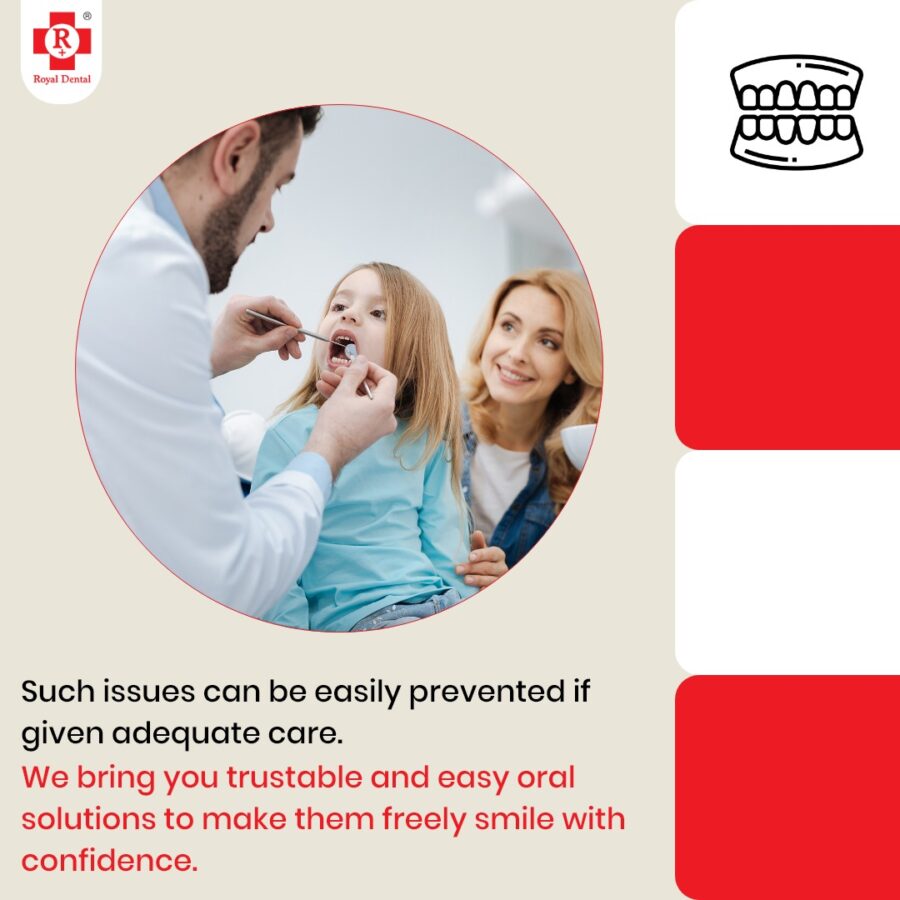
Trauma in childhood is most common. Trauma to the tooth structure is an accidental phenomenon where a major harm can be caused on the tooth as well as surrounding underlying soft tissues. The soft tissue trauma along with pain of the tooth is catered prior to the traumatic tooth structure. Once the symptomatic relief to the soft tissue and pain is achieved the traumatic tooth is then treated depending upon the range and extent of fracture or trauma caused.
So it is very important to treat the dental issues in childhood at right time to avoid further sequelae of dental problems. Regular vists to a dentist play significant role in maintaining oral health of a child.
Conclusion
Early diagnosis and treatment of dental issues in children are essential for maintaining healthy primary teeth and supporting proper development of permanent teeth. Good oral hygiene, healthy eating habits, routine dental visits, and timely treatment can help prevent most childhood dental problems and build the foundation for lifelong oral health.
Protect Your Child’s Smile with Early Dental Care
If your child has tooth decay, dental pain, or any other dental concerns, schedule a consultation at Royal Dental Clinics. Early diagnosis and preventive care can help keep your child’s smile healthy and support proper oral development.
FAQs
Why are milk teeth important if they eventually fall out?
Milk teeth help children chew, speak clearly, maintain proper nutrition, and guide permanent teeth into their correct positions.
At what age should my child first visit the dentist?
Children should have their first dental visit by their first birthday or within six months after the eruption of their first tooth.
What causes tooth decay in children?
Frequent sugary foods and drinks, poor oral hygiene, prolonged bottle feeding at bedtime, and inadequate fluoride exposure are common causes.
Is thumb sucking harmful?
Thumb sucking is normal in infants and young children. However, persistent thumb sucking beyond the age of 4–5 years may affect tooth alignment and jaw development.
Can milk teeth be treated instead of extracted?
Yes. Whenever possible, dentists aim to preserve primary teeth through fillings or pulp therapy until they naturally fall out.