


DENTAL IMPLANTS are a great solution to replace missing teeth. However, it can involve a 6 month period of waiting for the bone before placing teeth onto the implants. In cases of weak jaw bone, an extended period of bone grafting may take 6 months more. But now, with this novel approach to the Zygomatic Implant with Fixed Teeth in one day is now possible. Therefore you will walk out of the surgery with a brand new smile.
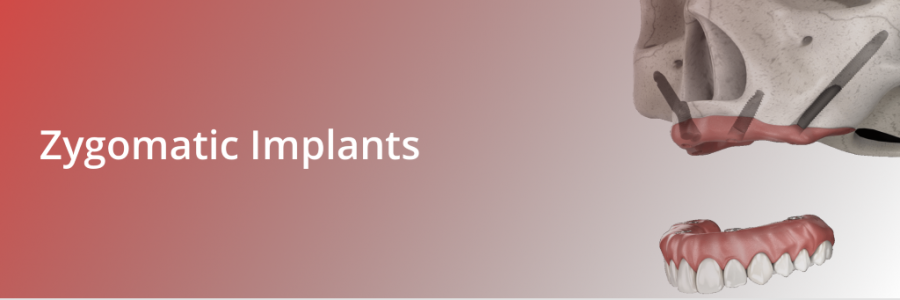
Furthermore, Zygomatic Implants are used when there is insufficient bone to hold a normal dental implant in the upper jaw. The difference between a Zygomatic Implant and a normal dental implant. That the former longer and placed diagonally into the cheek bone (zygoma), to make use of the extra bone here. This bone usually does not resorb. Therefore zygomatic implants can be used as an alternative to complex bone augmentation.
Who is this article for?
This article is for patients who have been told that they do not have enough upper jaw bone for regular dental implants. It is also useful for patients wearing loose dentures, patients with failed implants, patients with severe bone loss, and patients who want to know whether fixed teeth can be given in one day. Zygomatic implants may be considered in selected cases where conventional implants or bone grafting may not be suitable or may take longer.
What are zygomatic implants?
Zygomatic implants are longer dental implants that take support from the cheekbone, also called the zygoma. They are mainly used in the upper jaw when there is severe bone loss and regular implants cannot get enough support from the jawbone. Because the cheekbone is denser and more stable in many patients, it can provide anchorage for fixed teeth in selected cases.
Why are zygomatic implants used in severe bone loss?
In patients with severe upper jaw bone loss, regular implants may need sinus lift, bone grafting, or staged surgery before fixed teeth can be given. Zygomatic implants can sometimes avoid extensive grafting by using the cheekbone for support. This can reduce treatment time and may allow fixed teeth earlier, but only after careful diagnosis and planning.
Can fixed teeth be given in one day?
In selected cases, fixed teeth can be attached on the same day as zygomatic implant placement. This is called immediate loading. However, same-day teeth are not automatic for every patient. The surgeon must check bone support, implant stability, bite force, medical history, oral hygiene, and the design of the prosthesis before deciding whether immediate fixed teeth are safe.
How is the treatment planned?
Planning usually includes clinical examination, photographs, dental impressions or digital scans, and CBCT scan. The CBCT helps the surgeon study the upper jaw, sinus, cheekbone, remaining teeth, bone quality, and implant path. In complex cases, surgical guides, virtual planning, and in-house laboratory support can help improve accuracy and reduce delays.
Who may be suitable for zygomatic implants?
Zygomatic implants may be suitable for patients with severe upper jaw bone loss, long-term denture use, failed grafting, failed conventional implants, very loose upper teeth, or patients who want fixed upper teeth but have been told that regular implants are not possible. Suitability can only be confirmed after CBCT evaluation and consultation with an experienced implant surgeon.
Who may not be suitable?
Zygomatic implants may not be suitable for every patient. Uncontrolled diabetes, active sinus infection, poor oral hygiene, heavy smoking, untreated gum infection, poor medical fitness, unrealistic expectations, or inability to maintain follow-up care may affect the treatment plan. Sometimes the dentist may advise treating infection or improving general health before surgery.
Zygomatic implants vs bone grafting
Bone grafting may be useful in some patients, but it can add healing time and extra procedures. Zygomatic implants may offer a graftless alternative in selected severe upper jaw bone loss cases. The best option depends on bone condition, sinus anatomy, patient age, medical history, budget, time expectations, and long-term prosthetic planning.
What type of teeth are fixed after zygomatic implants?
The fixed teeth may be temporary, semi-permanent, or final prosthetic teeth depending on the case and clinic protocol. The teeth must be designed to protect the implants during healing. At Royal Dental Clinics, materials such as SAPTeeth™ may be considered in selected immediate loading cases because of their shock-absorbing and repairable properties.
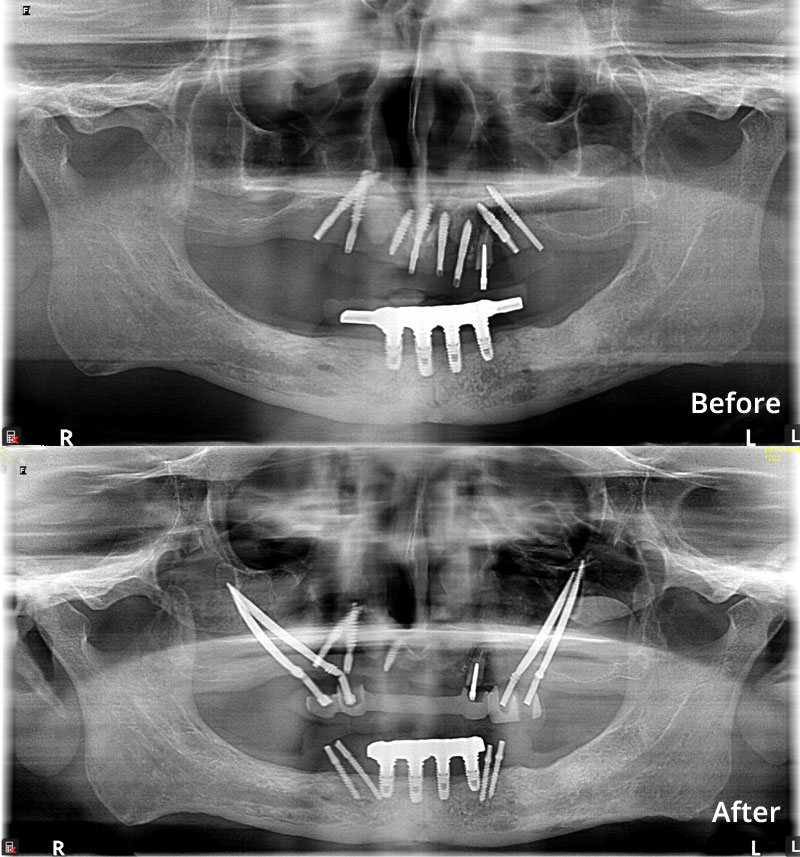
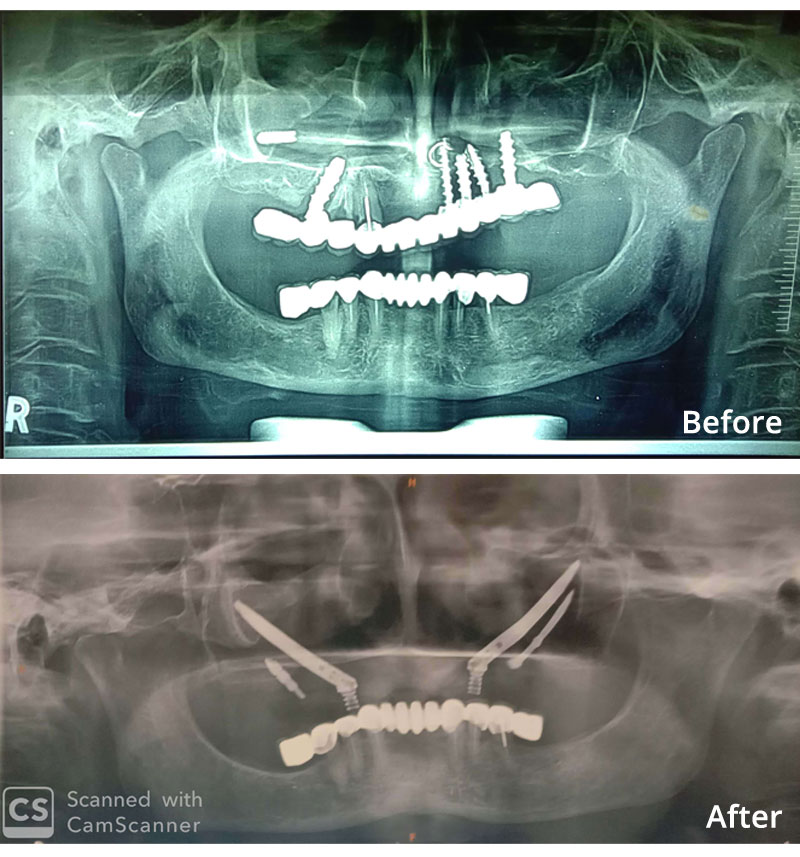
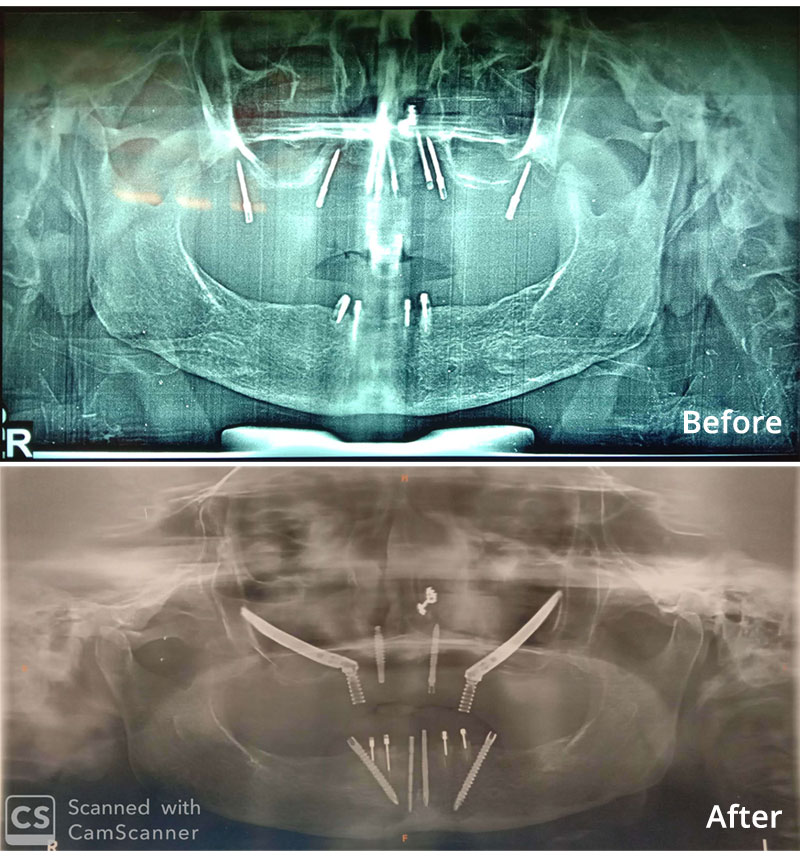
What should patients expect after surgery?
Some swelling, soreness, limited mouth opening, nasal stuffiness, or bruising may occur after zygomatic implant surgery. Patients must follow instructions on medicines, diet, oral hygiene, chewing restrictions, and follow-up visits. Even if fixed teeth are given on the same day, patients should usually follow a soft diet and avoid heavy biting until the surgeon advises otherwise.
Risks and limitations of zygomatic implants
Zygomatic implant surgery is advanced and technique-sensitive. Possible risks may include swelling, sinus-related symptoms, infection, soft tissue irritation, prosthetic complications, or implant failure in rare cases. The experience of the surgeon, CBCT planning, implant position, prosthetic design, hygiene, and maintenance visits play an important role in long-term success.
Zygomatic Implant with Fixed Teeth in one day @ Royal Dental
Most patients above 45+ years end up losing a few or all of their teeth. It is estimated that 92% of adults between the ages of 20-64 years suffer from tooth decay in India. Likewise, the number of individuals who suffer from missing teeth is pretty high above 45+ years. Tooth decay, gum disease, poor oral hygiene, and injury, are common causes of missing teeth.
Royal Dental Clinics, Kandivali, Mumbai are proud to be at the forefront of zygomatic implant placements. Using the modern virtual surgical planning and surgical guides. In fact, because of the use of SAPTeethTM they are now able to restore the upper jaw with immediate load protocols. And give permanent fixed shock absorbable teeth.
Success of zygomatic implant in weak bone over 5 years has been around 96% and over 10 years has been around 93%.
Implants have been around since the 1950s and have been perfected by various Institutional bodies over the years. Certainly, a dental implant can do wonders for confidence, since it resembles an ordinary tooth. Numerous individuals who were timid about smiling as a result of space from loss of a tooth, feel better after a dental implant. Past the style, a dental implant additionally makes it simpler to eat and talk, as it is securely attached to the jaw.
Procedure for implants in weak bone
Prior to the surgical procedure, the maxillofacial surgeon first takes photos makes stone plaster models of the patient’s teeth and a three-dimensional X-ray (CBCT). This is necessary to accurately determine and implant placement and length. These preparatory measures are completely painless for the patient and take only a few minutes. Use of customised implants may be needed in circumstances where the stock implants would be unable to bear the load.
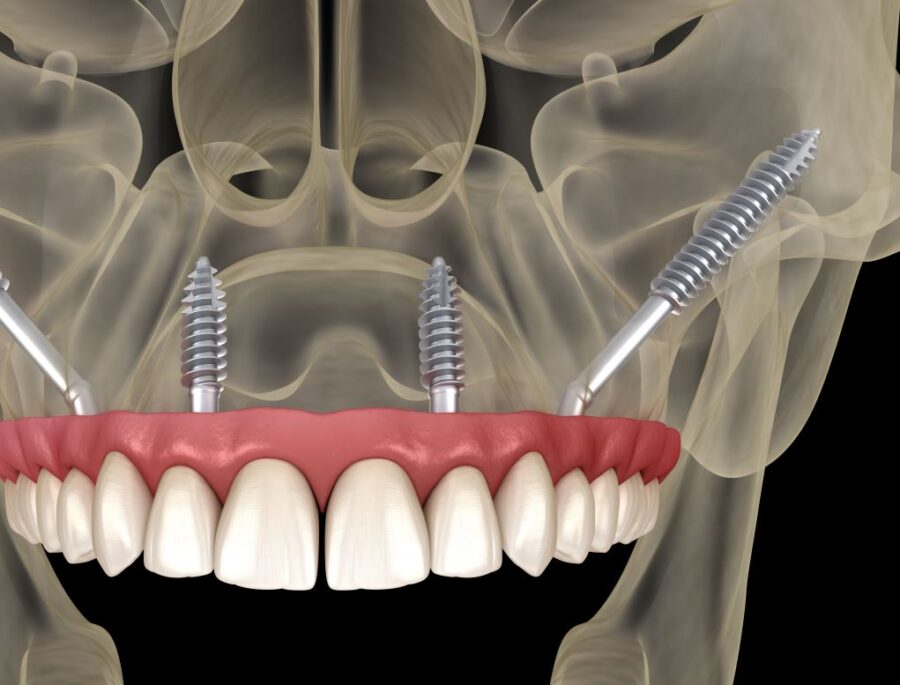
Evidently, a Zygomatic Implant is different from a normal Dental Implant in a way that the Zygomatic Implant is longer than the regular Dental Implant and is diagonally placed into the cheekbone, to optimize the usage of extra bone. The zygoma or cheekbone does not resorb. Hence, instead of complex bone augmentation procedures; Zygomatic Implants can be used.
The zygomatic dental implant procedure carried out in just one stage – this includes the implant placement and the fixed bridge. The procedure has an immediate impact on your ability to bite and chew. It will give you great looking teeth, which, if cared for properly, will last a lifetime.
To successfully and predictively place dental implants and then to be able to fix artificial teeth with function and aesthetics requires a seamless coordination between the doctors, radiology, staff, laboratory and patient. Furthermore, Royal Dental Clinics have an in house CBCT (dental x- rays) and in house laboratory with the latest CAD-CAM and 3D printing technology to ease the process.
FAQs
What are zygomatic implants?
Zygomatic implants are long dental implants that take support from the cheekbone. They are mainly used when the upper jaw has severe bone loss and regular implants may not be possible.
Can I get fixed teeth in one day with zygomatic implants?
In selected cases, yes. Same-day fixed teeth are possible only when implant stability, bone support, bite, and medical condition are suitable.
Are zygomatic implants only for the upper jaw?
Yes, zygomatic implants are used for the upper jaw because they take support from the cheekbone.
Do zygomatic implants avoid bone grafting?
In many severe upper jaw bone loss cases, zygomatic implants may reduce or avoid the need for extensive bone grafting. The final decision depends on CBCT findings.
Is zygomatic implant surgery painful?
The procedure is done under anaesthesia, so pain is controlled during surgery. Some swelling, soreness, or discomfort may occur after surgery and is managed with post-operative care.
How long do zygomatic implants last?
Zygomatic implants can last for many years when properly planned, placed, restored, and maintained. Long-term success depends on hygiene, bite, medical health, prosthesis care, and regular follow-up.
Who should consider zygomatic implants?
Patients with severe upper jaw bone loss, loose dentures, failed implants, failed grafting, or no-bone implant concerns may be evaluated for zygomatic implants.
Can elderly patients get zygomatic implants?
Age alone is not the only deciding factor. Medical fitness, bone condition, oral hygiene, medications, and treatment expectations must be assessed.
What is the difference between regular implants and zygomatic implants?
Regular implants are placed in the jawbone. Zygomatic implants are longer and take support from the cheekbone when upper jaw bone is insufficient.
Medical Disclaimer
This article is for patient education only. Dental treatment should be planned after clinical examination, medical history review, and X-rays or scans where required. Treatment suitability, cost, timeline, healing, and results vary from patient to patient.