
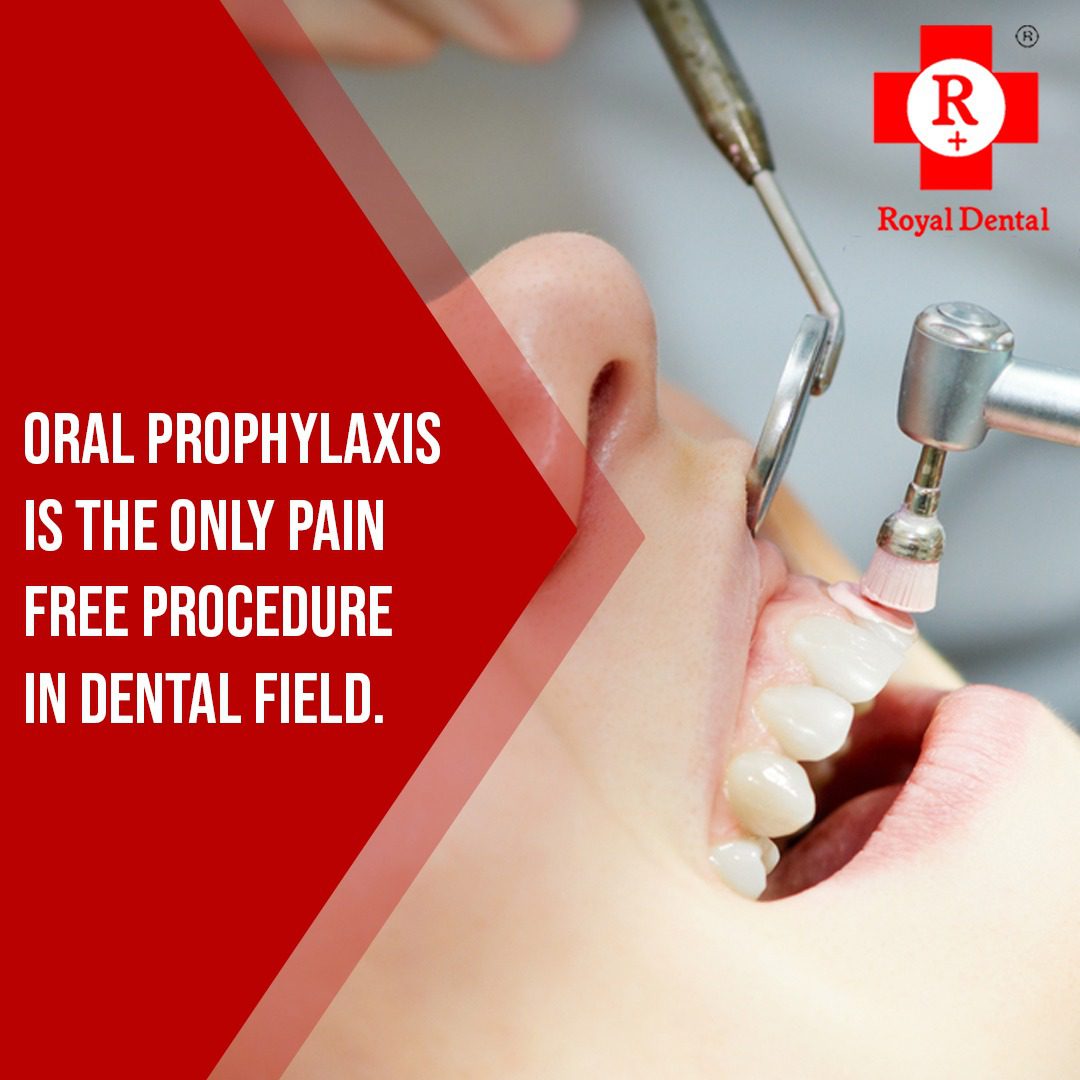
A cleaning is one of the most frequent procedures in a dentist’s office and one of the most crucial. A cleaning keeps your teeth and gums healthy, prevents problems from worsening, and makes your A professional cleaning is essential for overall oral health, where plaque, tartar, and bacteria are removed from teeth by a dentist or hygienist. While a typical cleaning visit usually consists of an examination of the oral health X-rays can be prescribed to check for cavities and assess bone levels. Daily dental cleanings, or prophylaxis, typically consist of various procedures designed to maintain healthy teeth and prevent buildup. Learn what happens during a dental cleaning appointment, including oral examination, scaling, polishing, gum check, and aftercare advice.
Remaining proactive with these cleanings can avoid serious dental problems, doing overall health Purchase vitamins and mouth feel clean. Most individuals fear pain unusual noises, or what the dentist is performing. But if you know step by step what takes place you can calm your anxieties. In this article explain in easy words what goes on during a dental cleaning from start to finish and why each step matters. By the end you feel more confident about your next dental visit
Who is this article for?
This article is for patients who feel their teeth have become loose after cleaning or have heard that scaling weakens teeth. It is also useful for patients with heavy tartar, bleeding gums, bad breath, gum recession, or existing tooth mobility.
Does teeth cleaning loosen teeth?
No. Professional cleaning does not loosen healthy teeth. If teeth feel loose after cleaning, it is usually because tartar was previously acting like a false support around already weakened teeth. Once tartar is removed, the actual gum and bone condition becomes visible.
Why do teeth feel different after scaling?
After scaling, teeth may feel smoother, lighter, slightly sensitive, or more spaced out. This happens because hard deposits have been removed. If there was gum disease or bone loss, mobility may become more noticeable, but cleaning is not the cause of the disease.
What causes loose teeth in adults?
Loose teeth may be caused by gum disease, bone loss, trauma, bite problems, teeth grinding, diabetes-related gum issues, infection, or advanced tartar buildup. Cleaning is often part of the treatment plan to control the cause.
What should you do if teeth feel loose?
Do not avoid the dentist. A mobility check, gum pocket measurement, X-ray, and bite evaluation may be needed. Treatment may include deep cleaning, periodontal therapy, splinting, bite correction, medication, surgery, or extraction only if the tooth cannot be saved.
Fundamental Phases: What happens during a dental cleaning?
Each cleaning visit has a logical sequence where each area of your mouth receives the care it needs. The treatment is methodical and geared to achieve maximum results while being comfortable for you This graphic provides a good illustration of the three phases that are crucial to your visit.
1. Oral Exam & Screening
The hygienist takes a visual look at your gums and teeth for any sign of problems such as inflammation cavities or other issues In order to establish a baseline of your current oral health and locate areas where special attention is necessary.
2. Scaling (The Deep Clean)
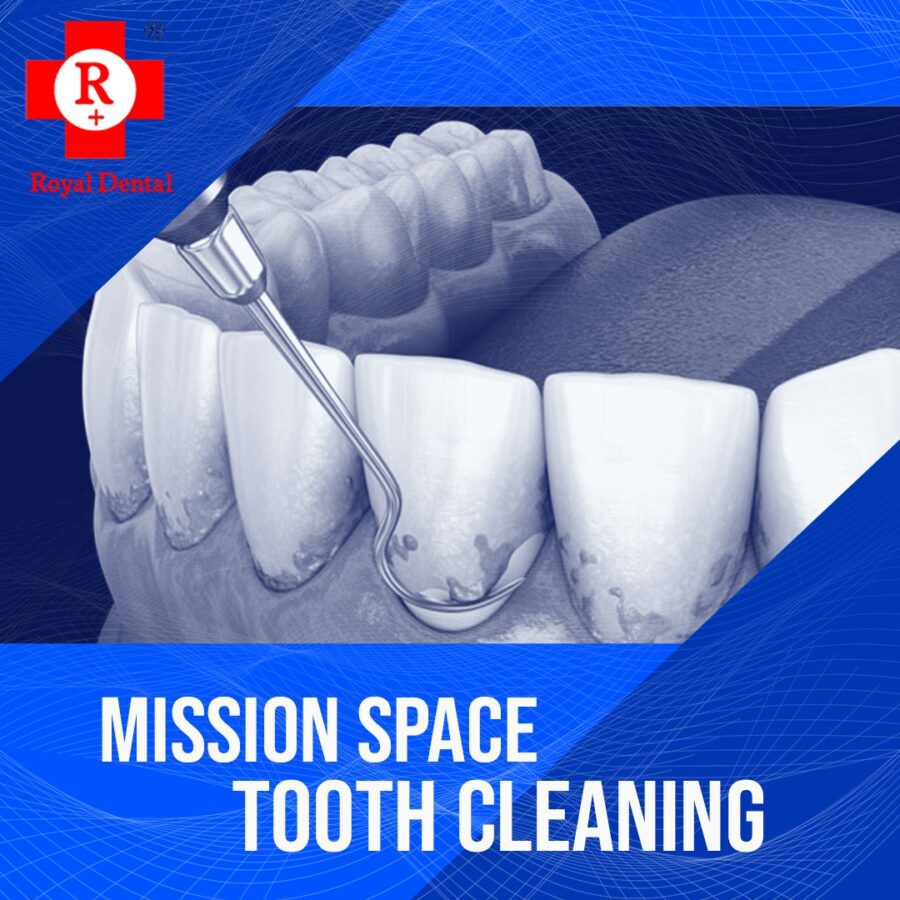
The hygienist uses special hand instruments or an ultrasonic scaler to carefully remove plaque and hardened tartar from between your teeth and below your gum line. To remove the harmful bacteria accumulation that leads to cavities and gum disease.
3. Flossing & Polishing
With a gritty paste and a power brush, surface stains are polished away, leaving your teeth smooth and shiny This is followed by a flossing treatment. To remove any remaining plaque buff away small stains and leave your teeth feeling incredibly smooth.
4. Fluoride Treatment (Optional)
A fluoride gel or varnish is applied to your teeth To help make your tooth enamel stronger and more resistant to acid attack by plaque and sugars.
Crunchy Vegetables for Healthy Teeth in Children
- Adding crunchy vegetables to a child’s diet can support stronger and healthier teeth. Vegetables such as carrots, celery, and cucumbers are rich in useful vitamins and minerals, and their natural crunch can also help clean the tooth surface while chewing.
- Chewing fibre-rich foods stimulates saliva production. Saliva plays an important role in oral health because it helps neutralise acids, wash away food particles, and reduce the risk of plaque accumulation.
- Crunchy vegetables may also support healthy jaw development. The act of chewing encourages jaw muscle activity and may contribute to better oral function as the child grows.
- For parents, this is a simple habit to introduce. Small pieces of cucumber, carrot sticks, or celery can be added to lunch boxes or evening snacks. However, these foods should be age-appropriate and cut safely to avoid choking risk in younger children.
- Crunchy vegetables are not a replacement for brushing, flossing, or regular dental check-ups, but they are a smart addition to a child’s daily diet. Combined with good oral hygiene, they can help children build healthier dental habits from an early age.
Caring for Teeth After Dental Cleaning
After a professional dental cleaning, the teeth may feel smooth, fresh, and slightly sensitive for a short period. This is usually normal. For the first 24 hours, it is advisable to be gentle with the teeth and gums. Children should avoid very hard, sticky, or highly coloured foods immediately after cleaning. Encourage them to drink water, eat soft balanced meals, and continue brushing gently with a soft toothbrush. A dental cleaning removes plaque, tartar, and stains that daily brushing may miss. However, maintaining the result depends on everyday care at home. Regular brushing, flossing where advised, a balanced diet, and routine dental check-ups help keep the teeth healthy for longer.
Conclusion
Knowing what is involved in a dental cleaning can remove a lot of fear and mystery from your visit. From the initial examination to the final polish andoptional fluoride treatment, each step is part of a process to keep your teeth and mouth in great shape and prevent future dental problems. While cleanings keep your teeth bright and fresh, regular cleanings are also beneficial to overall health in that they decrease harmful bacteria in the mouth.
For kids, adding healthy behaviors like crunching vegetables can boost oral health and development. And though some might be concerned about pain or discomfort, the overwhelming majority of cleanings are fast, gentle, and painless. By being aware and taking the initiative, you’ll be able to feel comfortable attending your next dentist visit, knowing precisely what will occur and why it’s important to a healthy smile.
FAQs
Can scaling make teeth loose?
No. Scaling removes tartar. It does not loosen healthy teeth. Existing gum disease may become more noticeable after deposits are removed.
Why did my teeth feel tight before cleaning?
Heavy tartar may fill spaces between teeth and create a false feeling of tightness. After cleaning, the natural spaces may be felt.
Will loose teeth become firm again?
It depends on the cause and severity. Some mobility may improve after gum treatment, but advanced bone loss may need long-term periodontal care.
Should I avoid cleaning if my teeth are loose?
No. Loose teeth need diagnosis. Avoiding cleaning may allow gum disease to progress further.